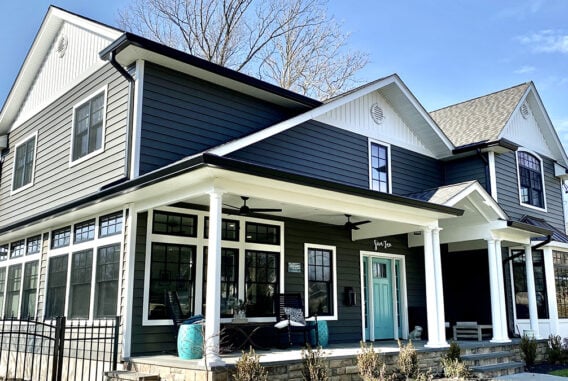
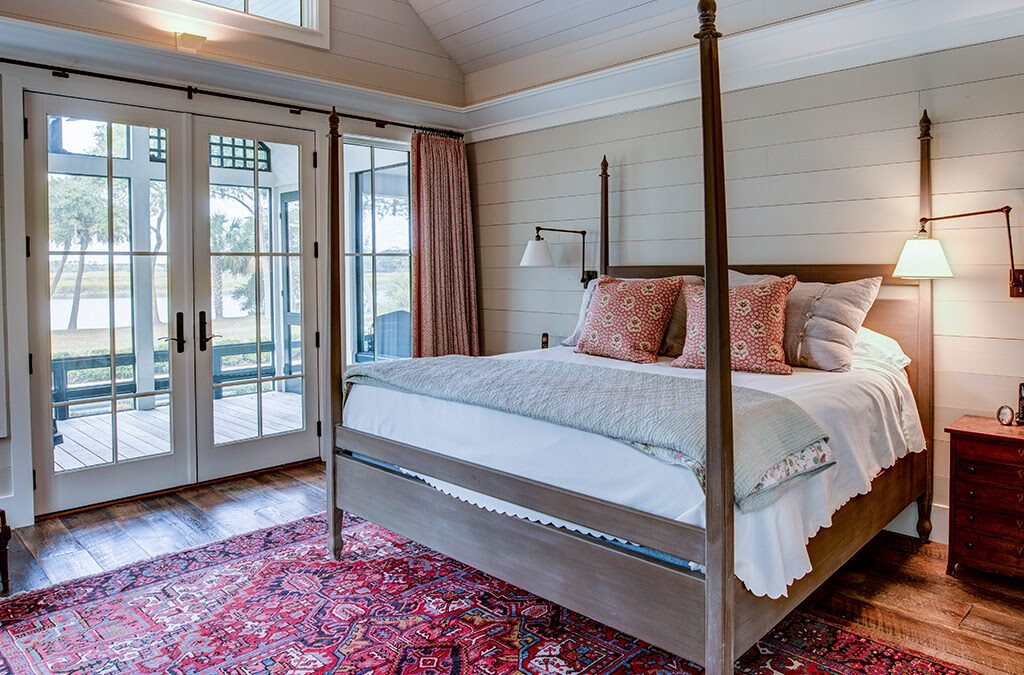
Colonial homes are some of the most incredible homes in the state, and with good reason. The curb appeal is simply timeless, the space is generally well-defined and well-organized, and they’re very flexible for decorating and interior design.
There are some downsides, though. One of the biggest is simply that the timeless, symmetrical design of a colonial home does not lend itself well to easy additions. So, if you’re looking for more space to expand your master suite, you need to find a way to do it without messing with your curb appeal or the design of your home.
Fortunately, as your New Jersey experts in home renovations, we’ve handled our fair share of colonials, and we know how to make it work. Below, we’ve compiled our thoughts and advice, but if you want a dedicated, custom quote for your home, please reach out. Our quotes are personalized, free, and no obligation, so we can discuss your master suite addition and get you started right away.
Key Takeaways
- Colonial homes need careful planning for additions to preserve their signature symmetry and curb appeal.
- Rear bump-outs are popular because they expand living space without disrupting the front-facing design of your home.
- Reshuffling interior rooms combined with a smaller addition can minimize exterior disruption while creating a full master suite.
- Budget an extra 15–20% beyond your estimate to cover unexpected foundation, plumbing, or roofline challenges during construction.
- Matching new windows and rooflines to existing features is critical so your addition blends seamlessly with the original home.
Where to Put the Addition
The first and usually most significant decision to make is where you want to put your addition. Colonial homes rely heavily on their curb appeal and their stark, strong roof lines, both of which make it difficult to just add a room to the side and tie it in without unbalancing everything.
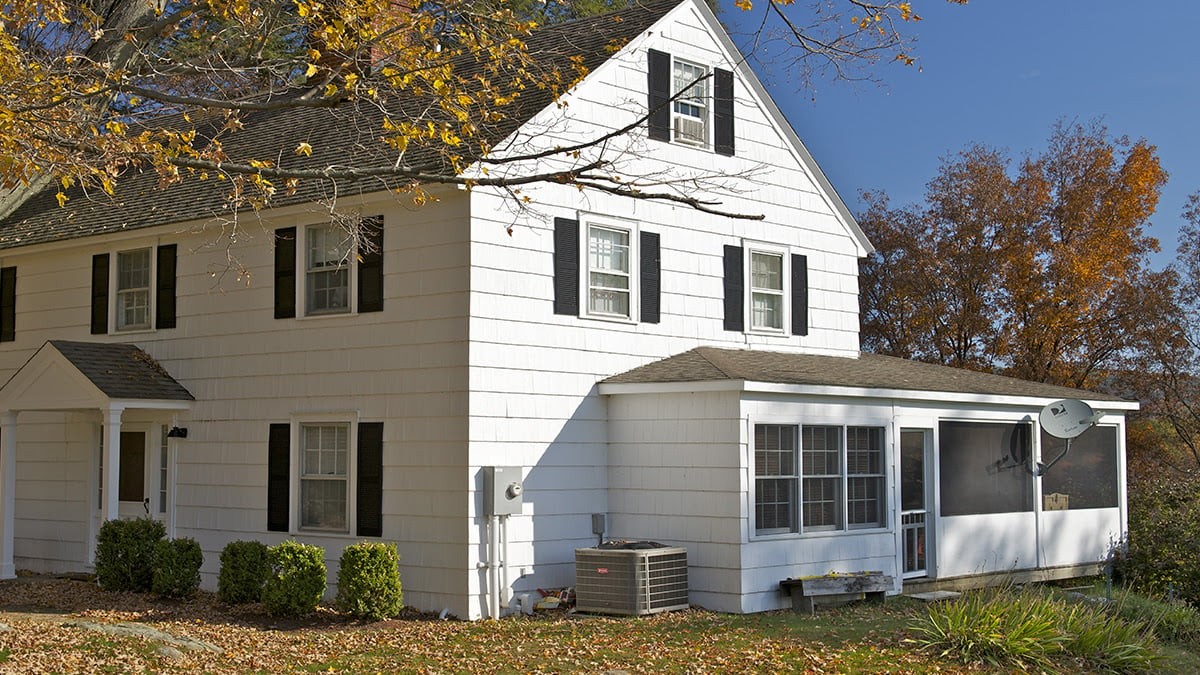
There are a handful of options to consider. Which one is right for you? That depends on the full layout of your home, the layout of your property, and your goals with the addition. Let’s talk about the main choices you might want to explore.
Bumping Out the Back
The first, and one of the most common options, is to tie your addition to the back of your home. A rear bump-out is a room-sized addition to the back of your home, where you don’t have to worry as much about curb appeal or the look of the addition. It also gives you the option to have windows or even an egress directly into your back yard, which can be an incredible feature for a master suite.
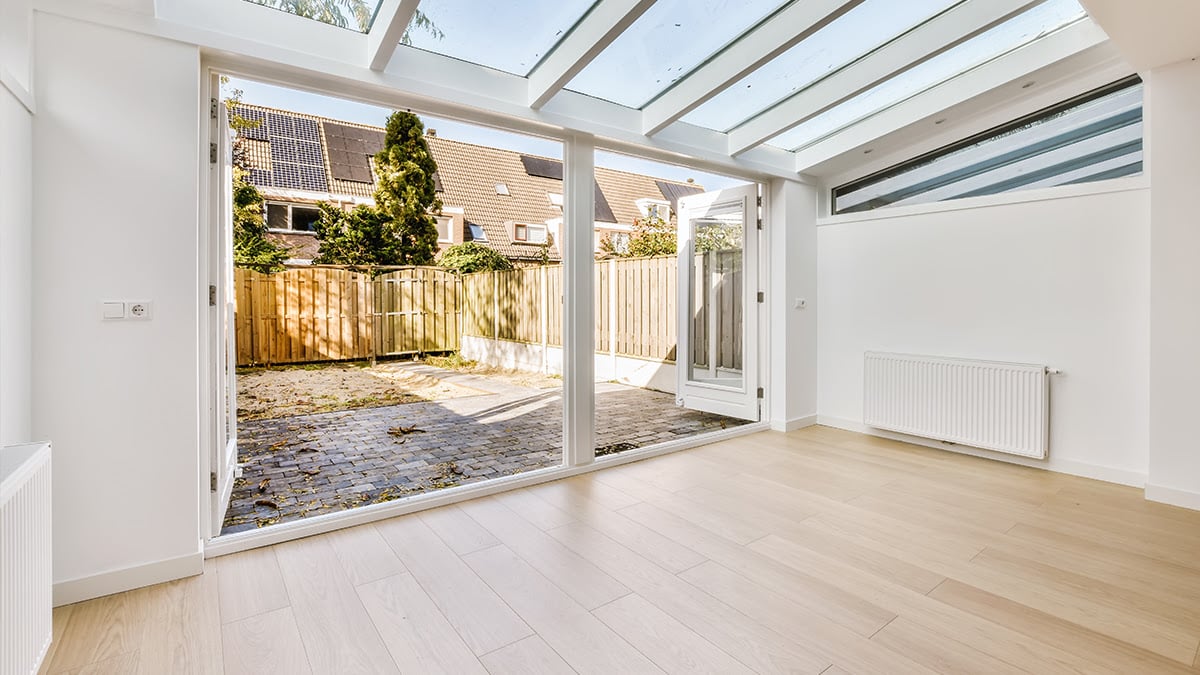
The one challenge with this option is if your existing master bedroom is not aligned with the back of your home. Instead of expanding an existing master bedroom into a suite or expanding a normal bedroom into a master, you would likely be repurposing a different room or creating a new suite entirely.
There’s nothing wrong with that, obviously, it’s just something worth thinking about when you’re planning your addition.
Adding Onto the Side
A side addition isn’t necessarily going to be a death knell for your curb appeal. In fact, done tastefully, it can even improve it! A lot comes down to various features of your existing home and landscaping. A side addition partially obscured by hedges or trees isn’t as disruptive, for example.
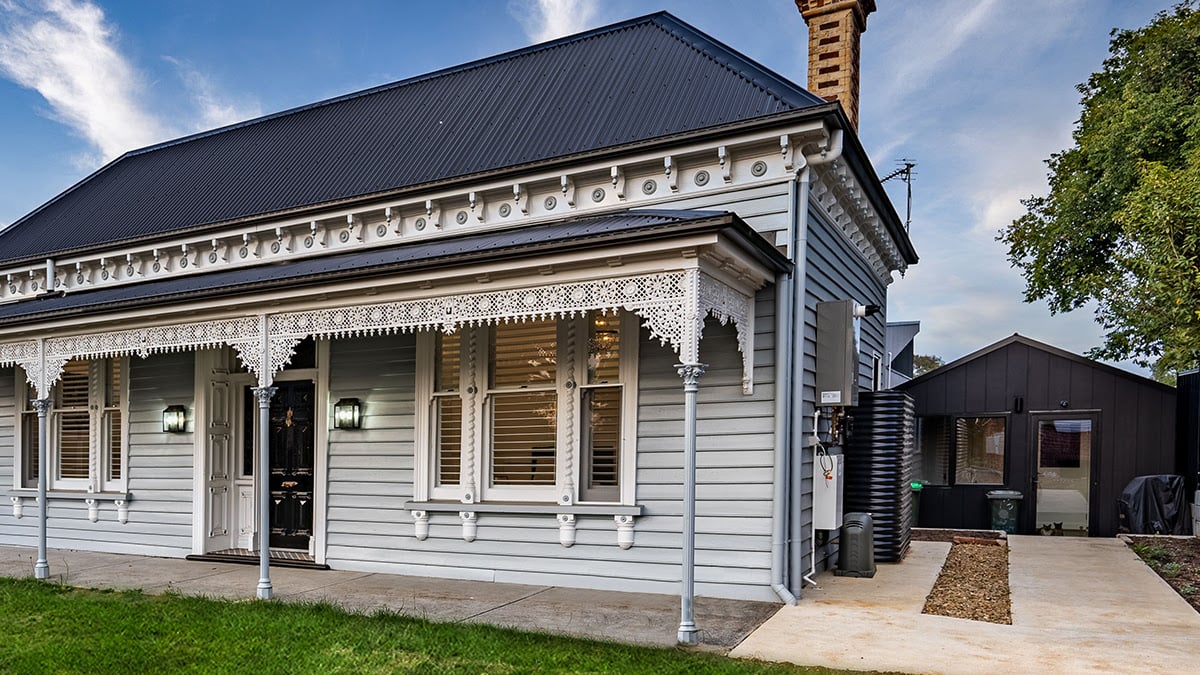
You might also have an unbalanced home appearance due to having an attached garage on one side of the building. Adding your master suite extension to the other side can bring symmetry back to the layout, though a garage-sized addition is likely overkill. Then again, a master suite with a loft, or a two-story suite with another room up top, can both be interesting to consider.
Interior Redesigns and a Different Expansion
One of the more common options involves redesigning the interior of your home and limiting how much of an addition you create. A smaller bump-out isn’t as noticeable or disruptive to the overall design of your home, after all. This is also a good choice if you have limited real estate to work with.
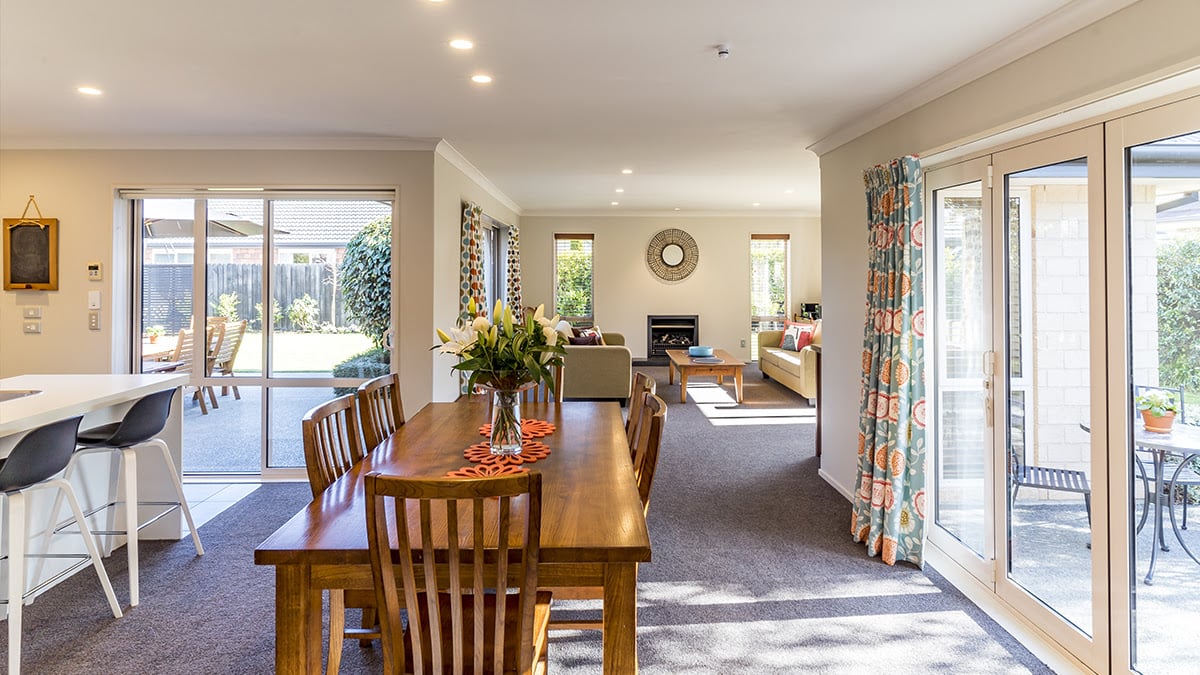
The idea is to identify interior rooms that can be shuffled around by moving interior walls. Maybe you convert a den or office into your new master suite, and bump out a wall by a few feet to expand the space and make it into a true suite. We’ve even had cases where converting a general-access bathroom into the suite bathroom and adding a new bathroom via addition is effective.
This is a good idea to explore, but it’s best done with a direct look at your blueprints, so we can offer you specific advice and ideas. For that, drop us a line so we can chat about it!
Alternative Expansions
Another option is to use your addition for something else, and move a room on your first floor elsewhere to convert that room to your master suite. For example, a ground-floor office or family room could be moved to an over-the-garage addition, and that space converted into your new master suite. Similarly, expanding an attic into usable space and shuffling interior rooms around can free up space for a ground-floor master suite with relative ease.
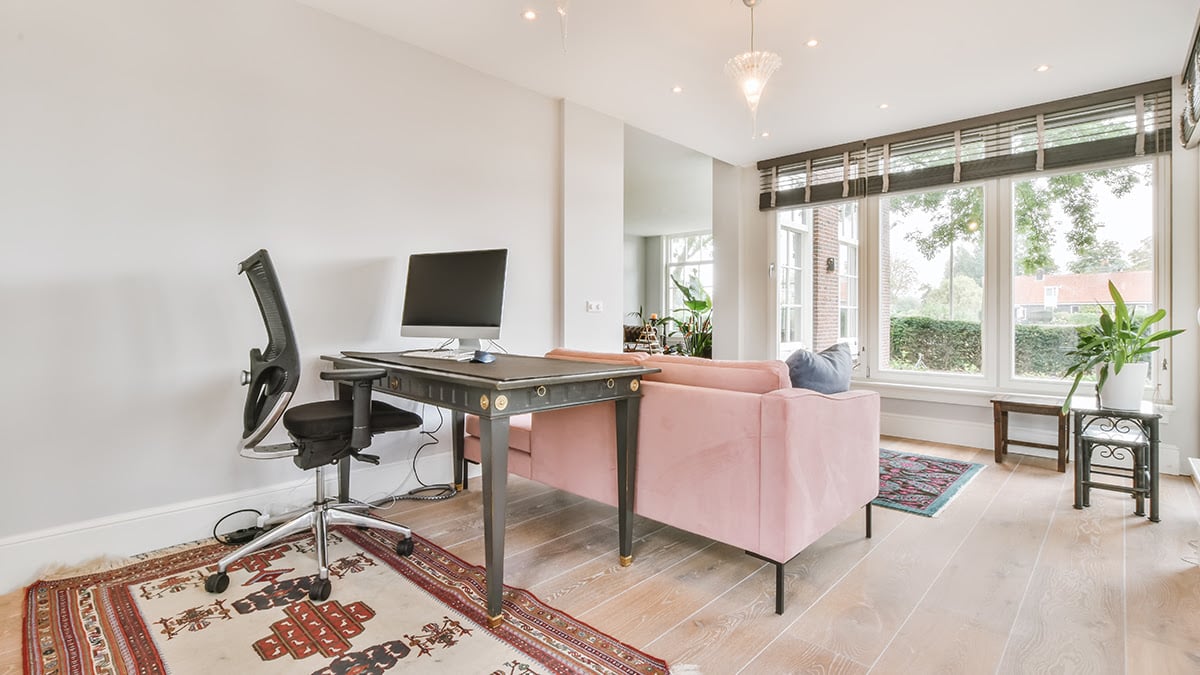
As you can see, there are a lot of options, depending on how your home is laid out and how well an addition meshes with your curb appeal.
Challenges and Roadblocks to Anticipate
A well-planned addition can still hit some snags, and a poorly planned addition can cause no end to the delays and problems along the way. It’s good to anticipate what kinds of challenges come along with an addition, so you can plan ahead and mitigate them.
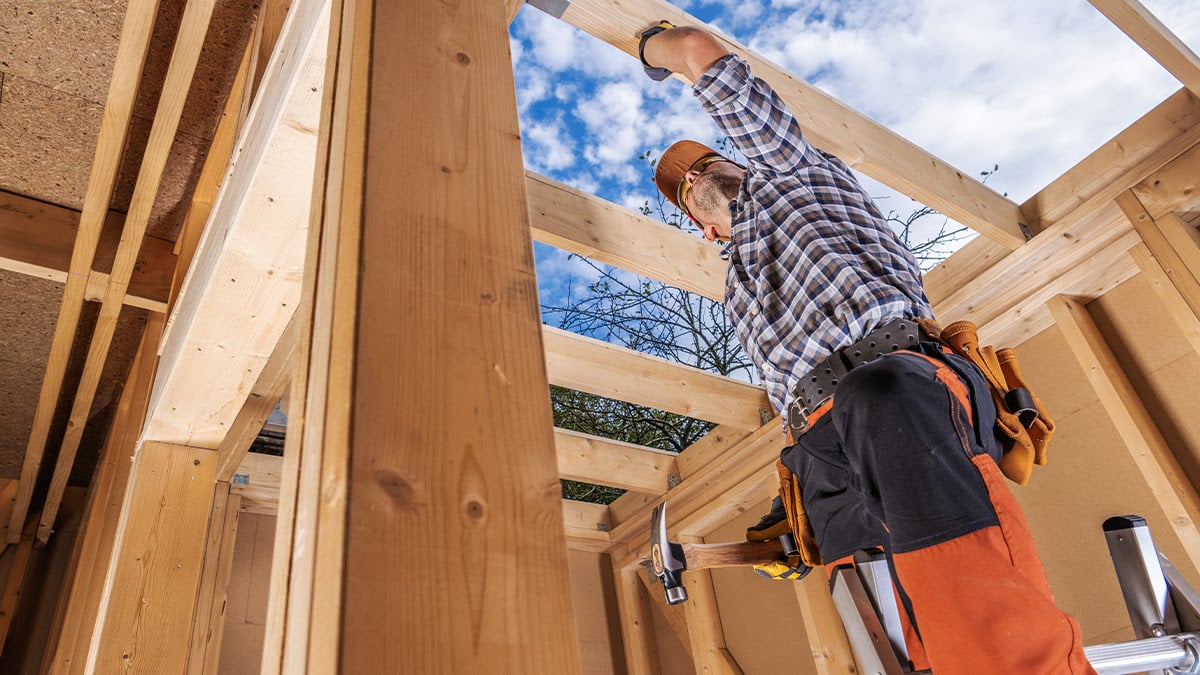
One saving grace with colonials is that they tend to have a predictable, grid-based interior design when it comes to structural support, which means it’s relatively easy to figure out where to put new doors and tie-ins. A structural engineer is still necessary, but you’re unlikely to have anything too strange going on behind the scenes.
Rooflines
One of the most stand-out features of a colonial NJ home is the stark roofline. Roofs vary, but colonials tend to have steep pitches, often with a gabled roof design and relatively little complexity. Others use dormers to add architectural flair (and signal a usable interior attic space).
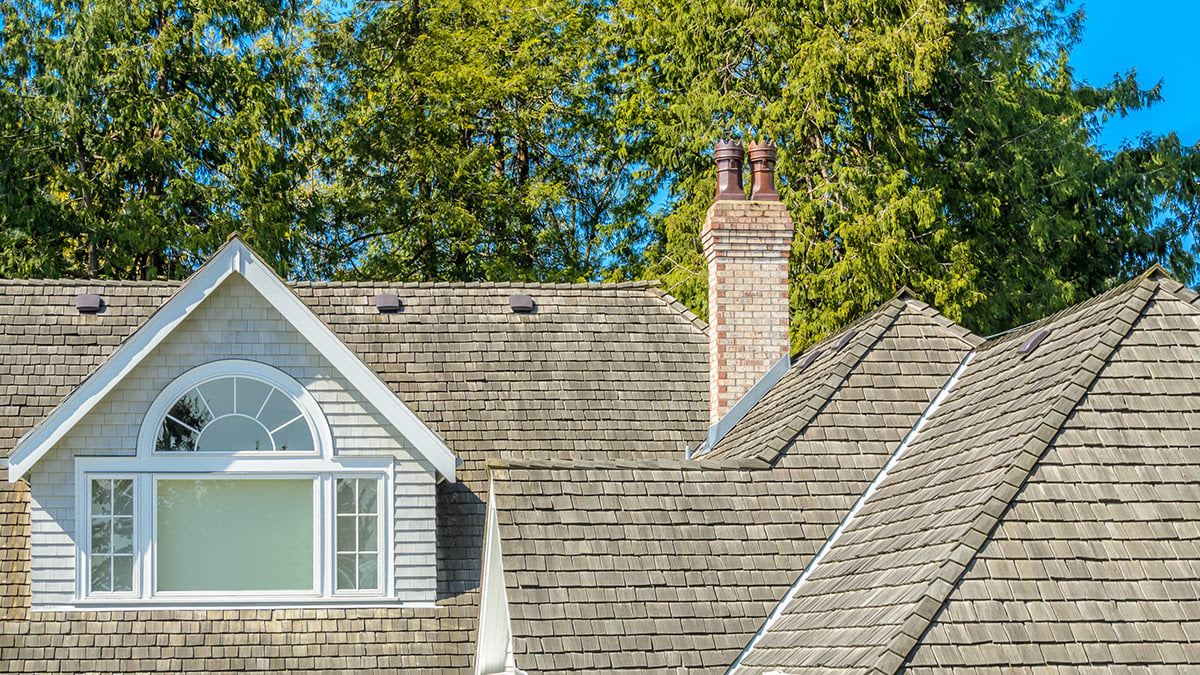
Either way, tying in a new roofline with an addition can be tricky, especially for curb-facing additions. You can’t just tack a room on the side, slap a roof on it, and call it good. It will end up looking like a shed smashed into the side of the home, and despite the investment and the size of the space increasing, it can make the home feel less well-designed from the front.
For larger colonials, a taller addition and staggered roofline can work quite well. It works best if you can add to both sides, but that’s not always possible.
Foundations
Foundations for additions can be tricky. You have all of the landscaping work, the grading, the drainage, and the foundation itself, any part of which can run into unexpected problems. We’ve seen everything from an unexpected abandoned septic system to poorly-maintained ground that risks differential settling if not remediated to special considerations if you’re in a flood zone. Frost heave, in particular, can be a huge source of headaches when the new foundation is subjected to the movement of the earth.
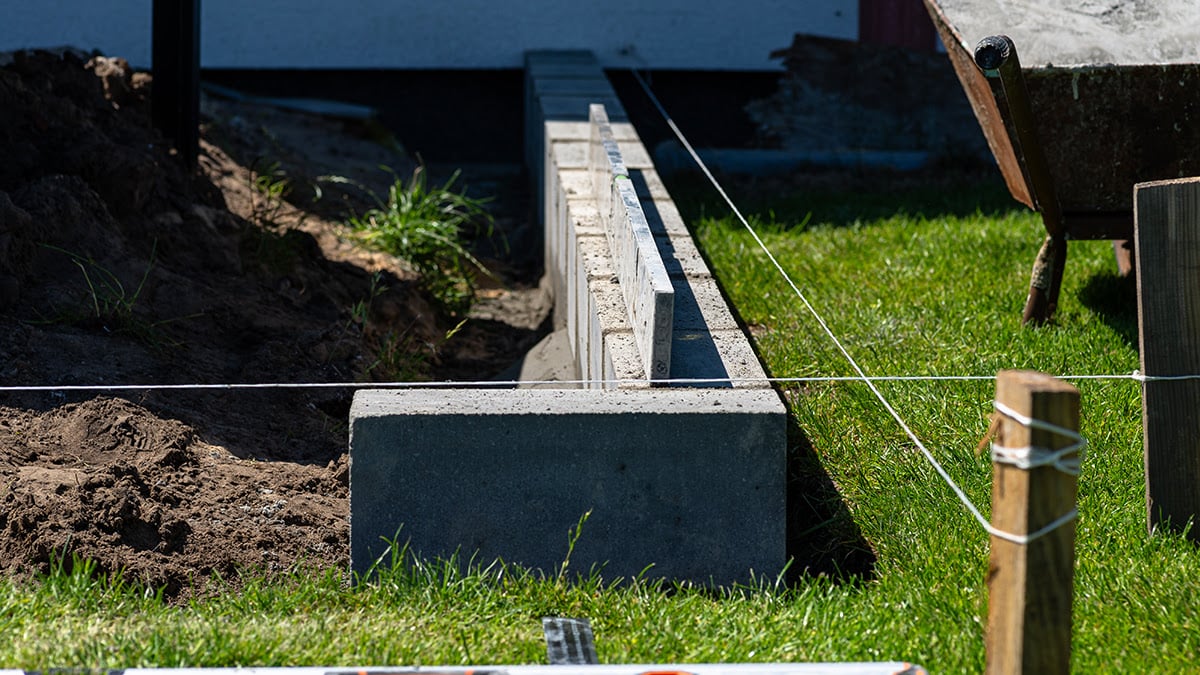
The larger the exterior addition you’re making, the more of a hassle a foundation can potentially be. A smaller addition with a smaller footprint certainly sacrifices space, but it reduces the scale of potential issues and the costs of remediating them.
Remember, too, if the existing foundation of your home needs work around where you want to put an addition, that work will need to be done first.
Utilities, Plumbing, and HVAC
Your new master suite will need its own utilities, and that means changes to your existing structures. Power isn’t too bad, but you still need to pay attention to the capacity of your panel, how efficiently you can run a new circuit, and possibly even making upgrades to the system. You’ll also need proper electrical for the bathroom, including properly installed GFCI outlets for safety.
HVAC will likely need its own zone added to your system, and in some cases, that can even necessitate a furnace upgrade. Alternatively, a mini-split system can be a dedicated HVAC system for your suite, which is efficient but not tied into the rest of the home.
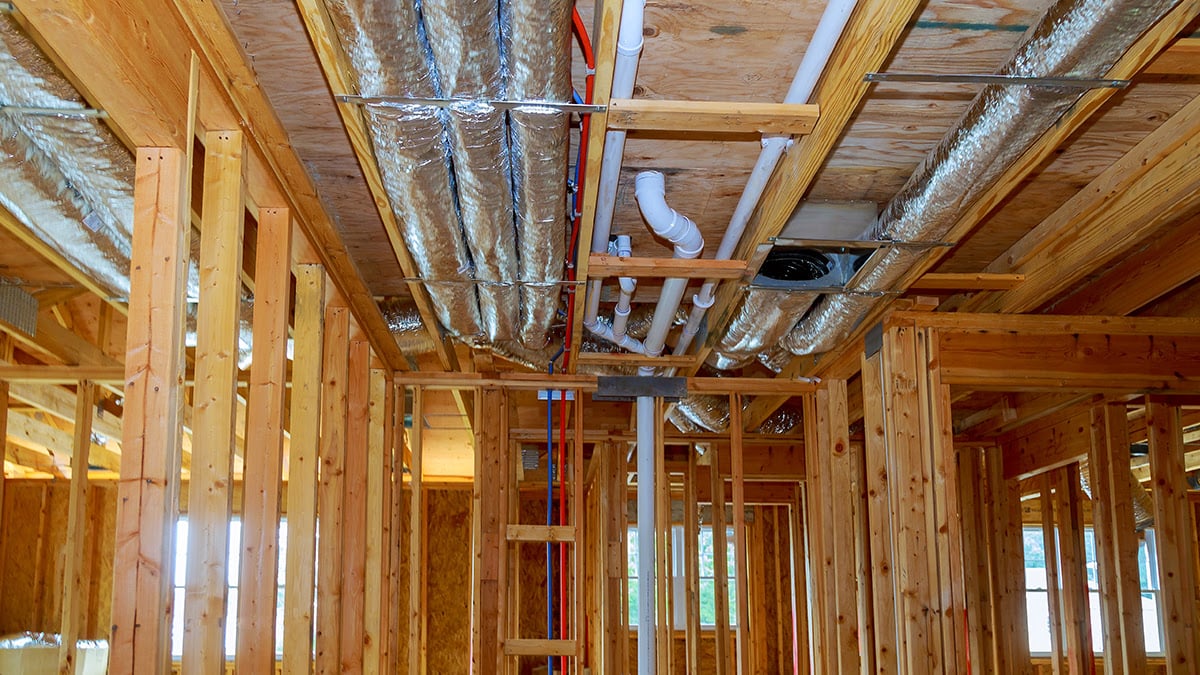
Your master suite bathroom plumbing will need its own consideration, too. Plumbing, particularly sewer connections, can be a bit more of a hassle than you might expect. If your addition is pretty far from where your plumbing naturally runs, tying in the new plumbing can be more expensive and time-consuming.
All of this is why master suite additions often tie into an existing bathroom and expand the room from there, since the bathroom is the most complex part of a master suite.
Transition Space
Transition space is the space outside of the master suite, and how well your home flows. In particular, certain design elements like a vestibule or gallery hall can serve as a buffer between the rest of your home and your master suite. This boosts the privacy of the suite and serves as an acoustic separation as well.
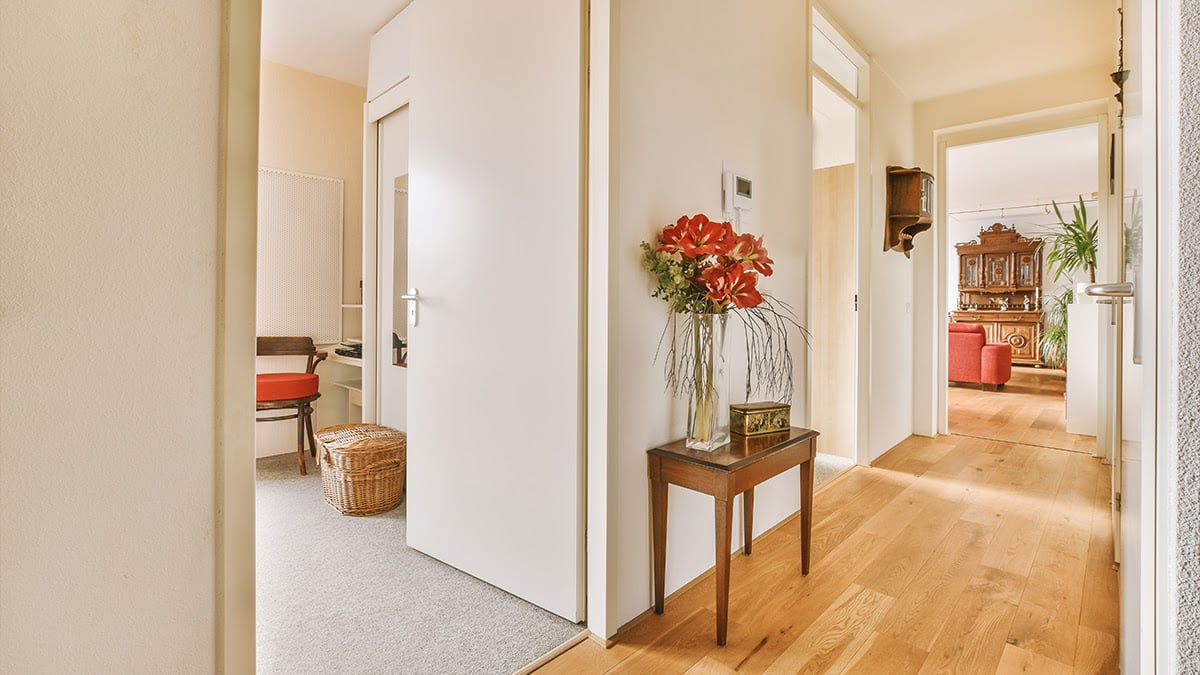
One design option is to make this transitional space serve double duty. For example, you can enclose it and attach your walk-in closets to it, so it serves as both a closet space and a buffer zone.
This can also serve to hide the actual transition between old home and new addition. Many half-baked home additions don’t pay attention to this transition, leaving an old door or a step in place and hurting the feel of the addition itself.
Mismatched Exteriors
Another significant consideration is your windows. Since your addition will have new windows of its own (why make a whole master suite addition if not for the view, right?), you need them to match with the rest of the home. We’ve been talking about windows a lot recently on our blog, so we have a lot of thoughts published to help you decide.
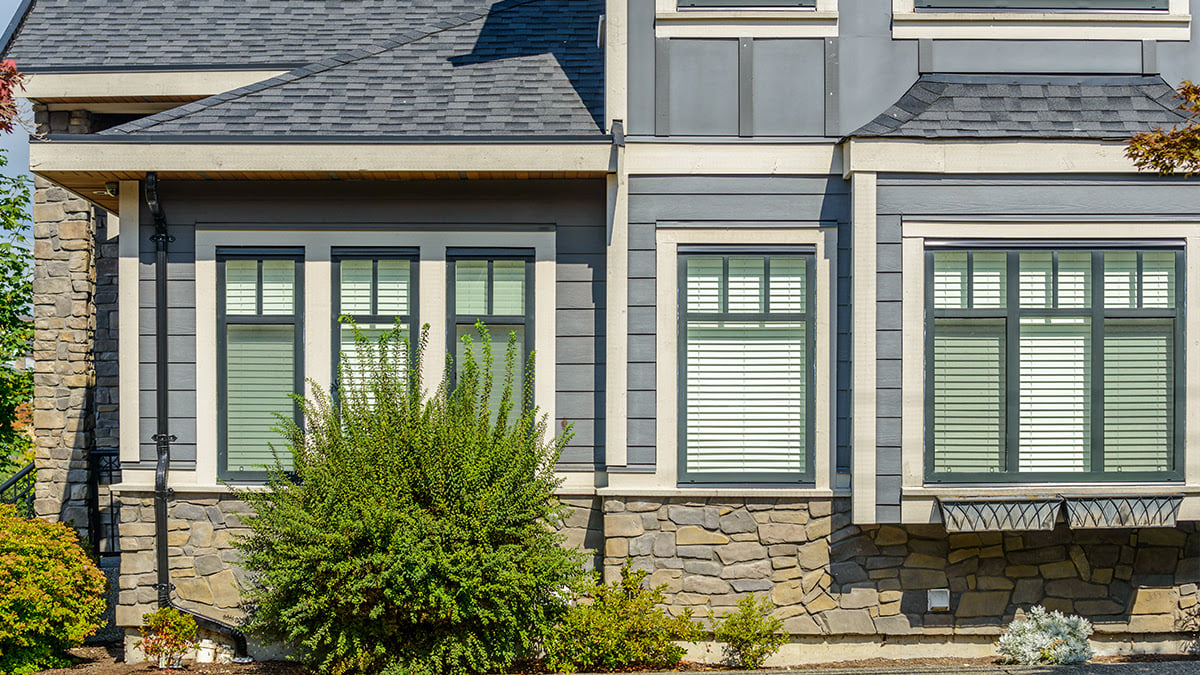
The key, though, is to get as close a match to the windows you already have, except for the occasional statement window. If your windows look mismatched and out of place, it’s going to make your addition stand out even more, and not in a good way.
Budgetary Overrun
The unexpected happens. Weather, product scarcity, or issues cropping up can add delays and unexpected costs to your home renovation project. One of the worst roadblocks to a successful master suite addition is running out of money when it’s not quite done.
For any remodeling project, we recommend adding around 15-20% to your expected budget to account for potential issues and overruns. Master suite additions in NJ typically range from $100,000 to $230,000 depending on scope and complexity. If you don’t end up spending it, great! If you do, it’s good that you had it ready and available.
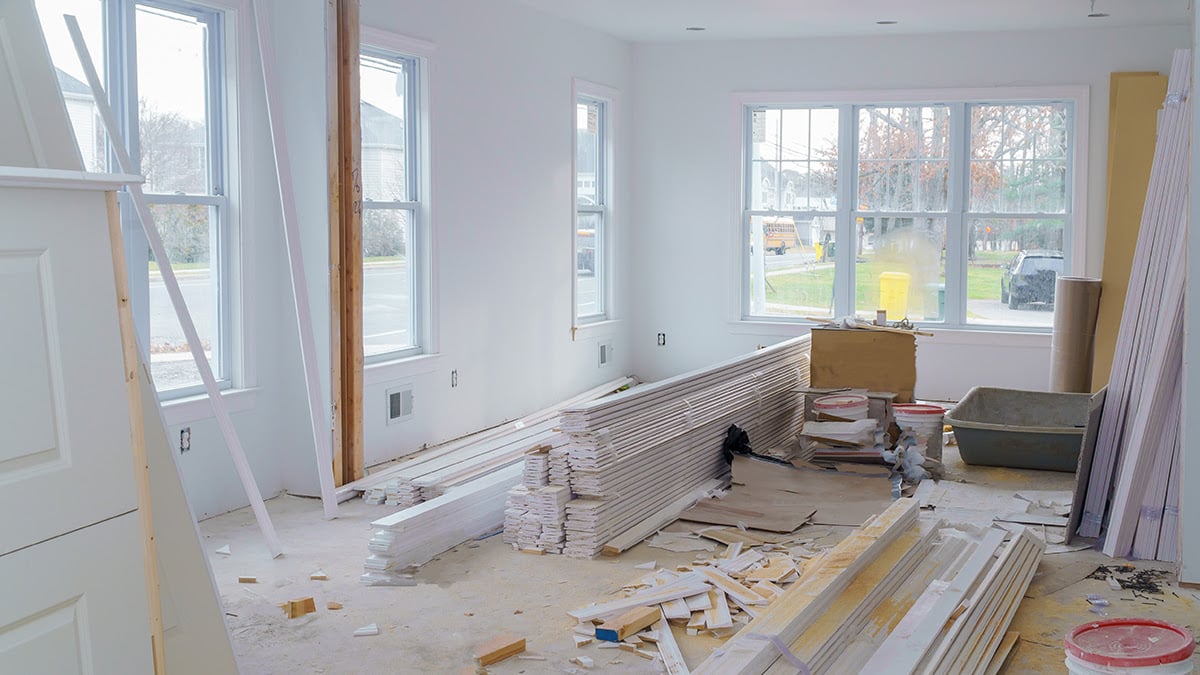
If money is tight and your addition is bounded by how much you can afford, there are ways to expand your possibilities. For example, we offer financing options tailor-made for home improvement projects.
A significant home addition is one of the more expensive home improvement projects you can do, but it’s also very much worth it. The ROI tends to range from about 15% to 55%, depending on a variety of factors.
Get the Ball Rolling on Your New Master Suite
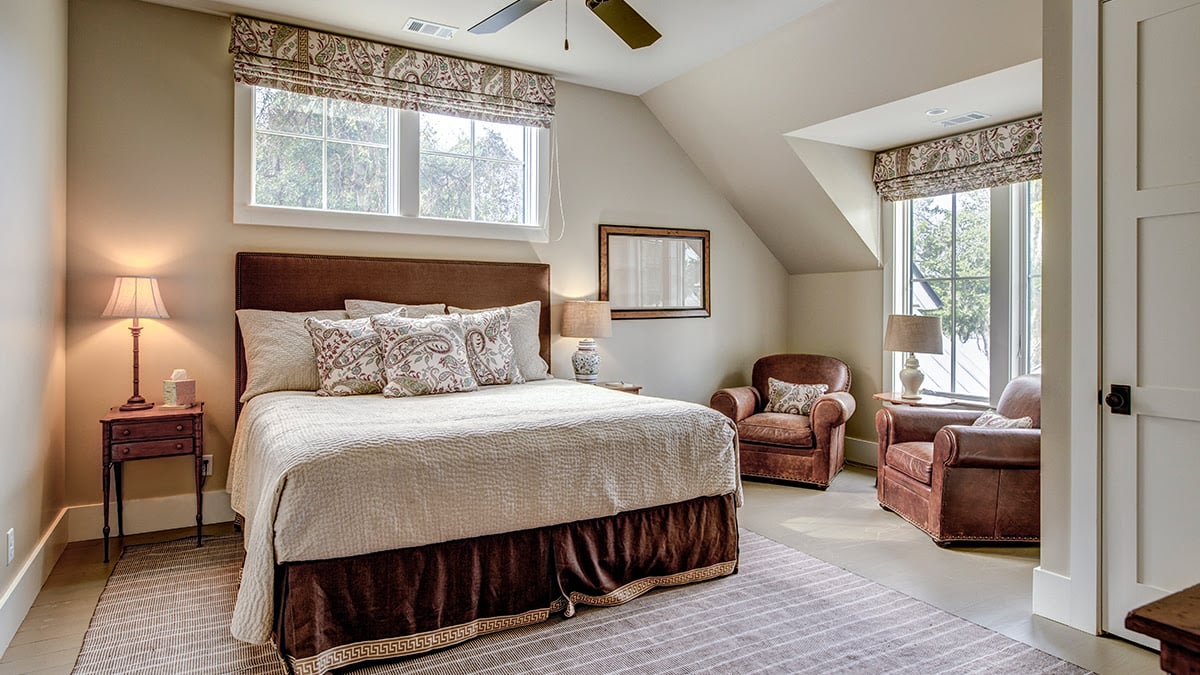
Expanding your NJ colonial with a brand-new master suite is an incredible project. When it’s done, having an oasis of your own, a bed-and-bath kept private from the rest of the home, is a luxury many dream of having one day.
Turning that dream into reality is where we come in. Here at Magnolia Home Remodeling, we have over 30 years of experience in every home improvement imaginable. One look at our portfolio can give you an idea of the kinds of work we’ve done throughout North and Central NJ, and we’d love to add your home to the list. With thousands of successfully completed projects, a full team, and a dedicated project manager committed to making your renovation a success. We bring a genuine respect for your home and the people in it.
We work on homes throughout North and Central NJ, including in Middlesex, Somerset, Hunterdon, Union, Essex, Hudson, Bergen, Passaic, Morris, Warren, and Sussex counties. If that includes you, we’d love to hear from you! Just reach out via our web form or give us a call at 855-624-6655 to talk about your project and claim your free estimate.
Remember, there’s a long lead-up time for major projects, when you consider planning, permitting, and design prior to breaking ground. It’s best to get started early, so your addition can be completed before the weather turns for the season. Drop us a line today!
Frequently Asked Questions
Where is the best place to add a master suite onto a colonial home?
The most popular option is a rear bump-out, which adds space to the back of your home without disrupting your curb appeal. Side additions can also work well, especially if they help balance an asymmetrical layout. In some cases, a combination of interior redesign and a smaller exterior expansion is the smartest approach. The right choice depends on your home’s layout, your property, and your goals. Our team can evaluate your specific situation and recommend the best placement during a free, no-obligation consultation.
Will a master suite addition ruin my colonial home’s curb appeal?
Not if it’s done thoughtfully. The key is respecting the symmetry and rooflines that define colonial architecture. Rear additions have minimal curb-side impact, while side additions can be designed to complement or even enhance your home’s appearance. Matching windows, siding, and rooflines to the existing structure is critical. Poorly planned additions can look tacked on, but with experienced contractors who understand colonial design, your addition will look like it was always part of the home.
What are the biggest challenges when adding a master suite to a colonial?
Common challenges include tying in new rooflines with the existing steep-pitch colonial roof, managing foundation work such as grading and drainage, and extending utilities like plumbing, electrical, and HVAC to the new space. Transition space between the old home and new addition also requires careful planning to maintain a seamless feel. Working with a structural engineer and an experienced remodeling team helps anticipate and address these issues before they become costly problems.
How much extra should I budget for unexpected costs during the project?
We recommend adding 15–20% to your expected budget to cover potential overruns caused by weather delays, material scarcity, or unforeseen issues like foundation problems. Having that cushion ensures your project can be completed without compromise. If budget is a concern, we also offer financing options tailored to home improvement projects. A master suite addition typically delivers a 50–75% return on investment, making it one of the more rewarding home improvements you can undertake.
How do I get started on a master suite addition for my NJ colonial home?
Simply reach out to Magnolia Home Remodeling for a free, personalized, no-obligation quote. We serve homeowners throughout North and Central New Jersey, including Middlesex, Somerset, Union, Essex, Bergen, Morris, and surrounding counties. Keep in mind that major projects require time for planning, permitting, and design before construction begins, so it’s best to start early. Contact us via our web form or call 855-624-6655 to discuss your project and get the process moving.