Along with new windows and a new roof, siding is one of the critical home renovations every homeowner is going to look into eventually. Siding takes a beating, exposed to the elements all day long. It can fade, warp, crack, deteriorate, and fall apart over time. Sooner or later, you’ll need to replace it.
When your time comes, it’s important to make the right decision. What brand and style of siding should you choose for your New Jersey home? You need something that can withstand our weather, the highs of summer and the lows of winter, the hot sun and windy storms, and everything in between. You need something that lasts for decades and stands the test of time. And if it can help cut down on your energy bills, improve the look of your home, and boost home values along the way? Well, that’s a bonus.
Siding comes in a lot of different styles, designs, and even brands. Today, we wanted to compare two of the most popular choices for New Jersey homes: Alside vinyl siding and James Hardie siding. What are the pros and cons of each of them, and which is best for your home?
Spoilers: Both of them can be great options, so if you want a customized discussion of your specific home, drop us a line for a chat and an estimate. Otherwise, read on for our rundown of the comparison between these two top brands and what you can expect out of their products.
Alside Vinyl Siding Details
First, let’s start with a basic rundown of what Alside offers in terms of vinyl siding.
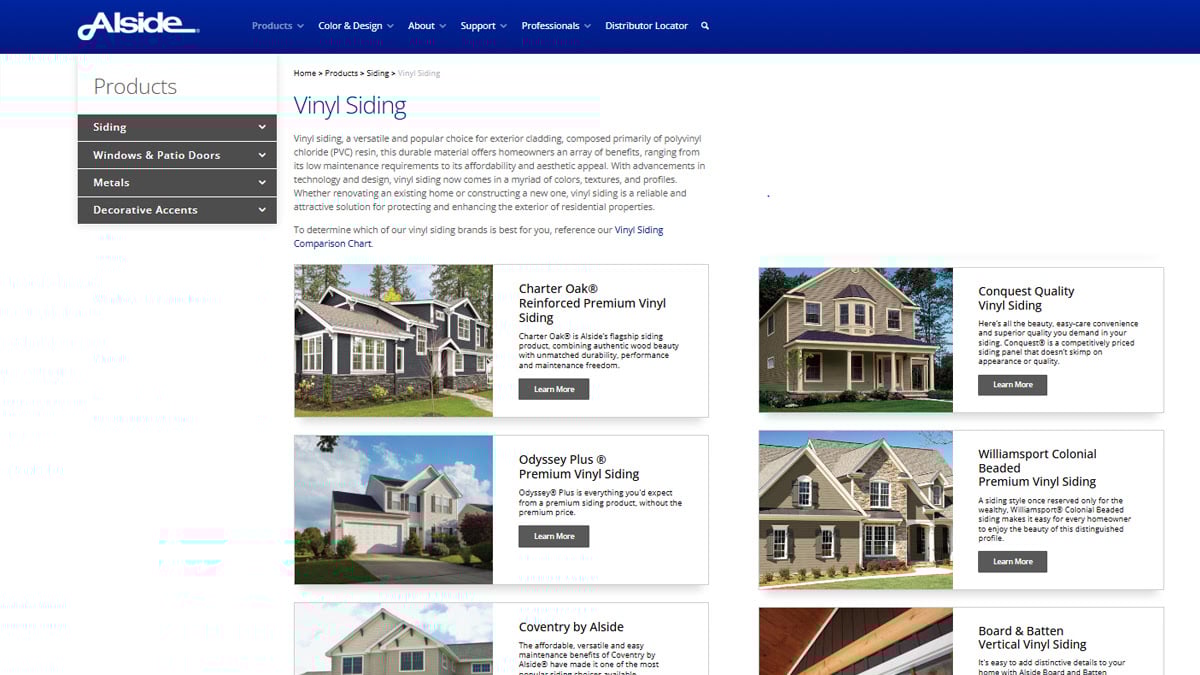
As a brand, Alside has been around for a very long time and has offered a range of siding options that stand the test of time. In addition to metal and composite siding, vinyl is one of their most popular products, and with good reason.
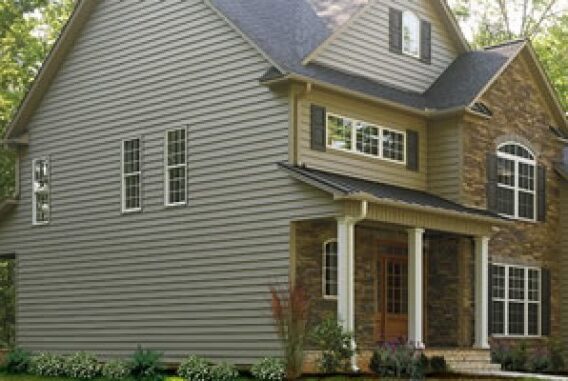
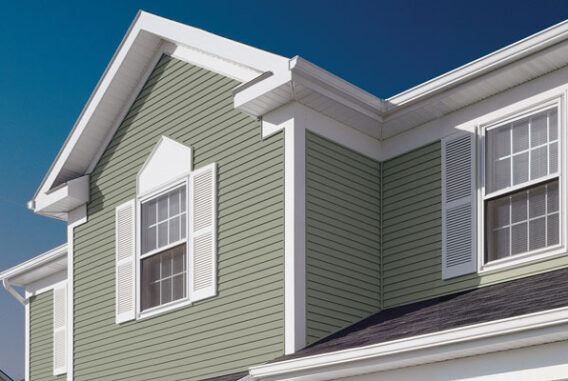
Alside’s vinyl siding comes in both insulated and non-insulated varieties. They have seven different product lines, most of which have at least two profiles with different dimensions, ranging from 4″ clapboard and Dutch Lap to 7″ board and batten. They even have premium vinyl styles that mimic cedar shakes or architectural styles. And, depending on the specific product, there are up to 32 different colors to choose from.
James Hardie Siding Details
James Hardie has been one of the top names in durable, long-lasting siding for over 30 years. They pioneered a unique material that has now become much more commonplace for cladding: fiber cement. Hardie Board, their trademarked version, is a unique mixture of Portland cement, additives, fibers, and other materials that make a strong, durable siding board.
With Hardie siding, durability is the name of the game. It’s designed to resist pretty much everything, from the hot summer sun to wind and rain from storms, and it’s even non-combustible and fire-resistant.
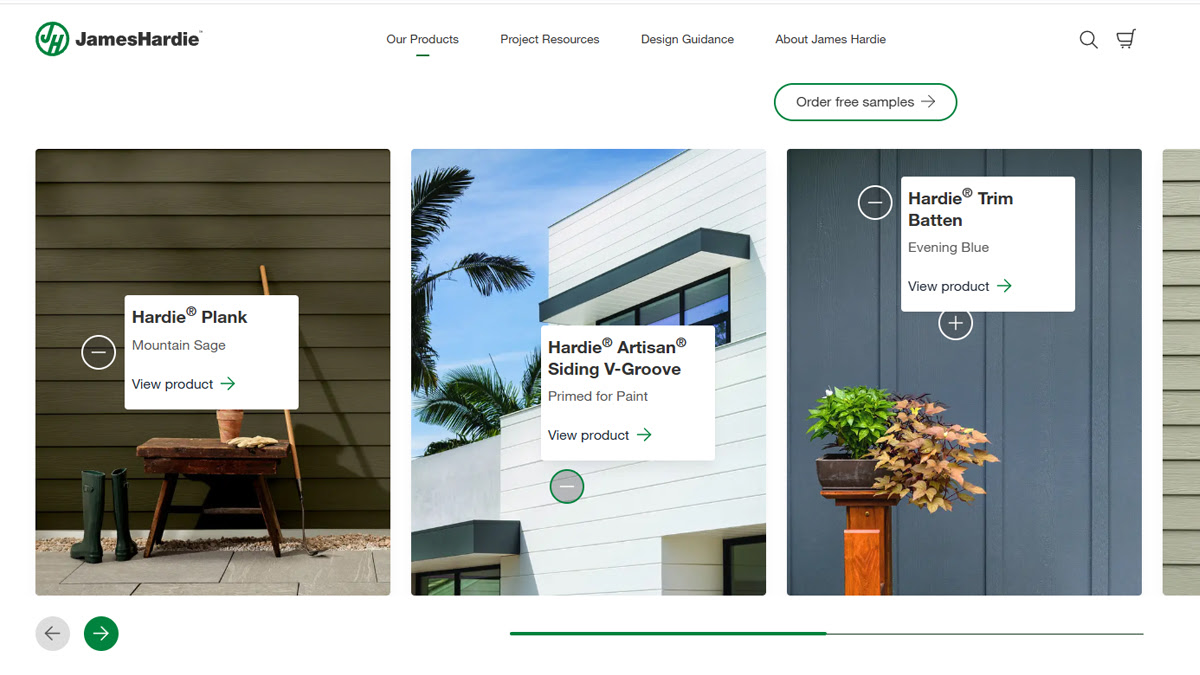
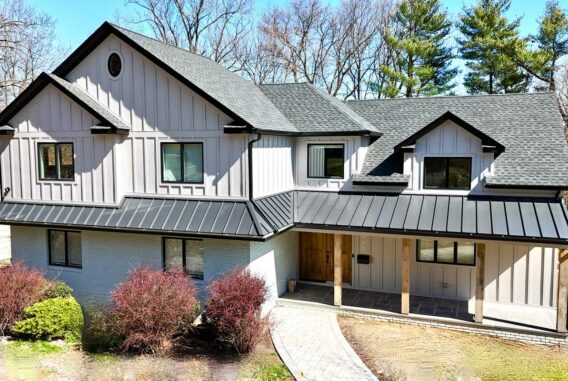
Hardie siding comes in a variety of styles as well. Plank siding serves as your standard horizontal cladding with wood-mimicking textures or smooth boards, Artisan siding can be lapped or ship-lapped with channels and grooves, Panel siding serves as a board-and-batten style or a stucco mimic, and they even have shingle and shake styles to mimic real wood.
So, how do Hardie and Alside compare? Let’s take a closer look.
Alside vs. Hardie: Materials and Durability
Both Alside and Hardie sidings are made of synthetic materials. Most siding will be, unless you opt for metal, wood, or real stone.
Alside vinyl siding is a form of high-density, reinforced polyvinyl chloride. It’s light, resilient, and extremely low-maintenance. Some styles are thinner, others are thicker, and some have an insulated backer to add more strength and thermal resilience to your home’s exterior.
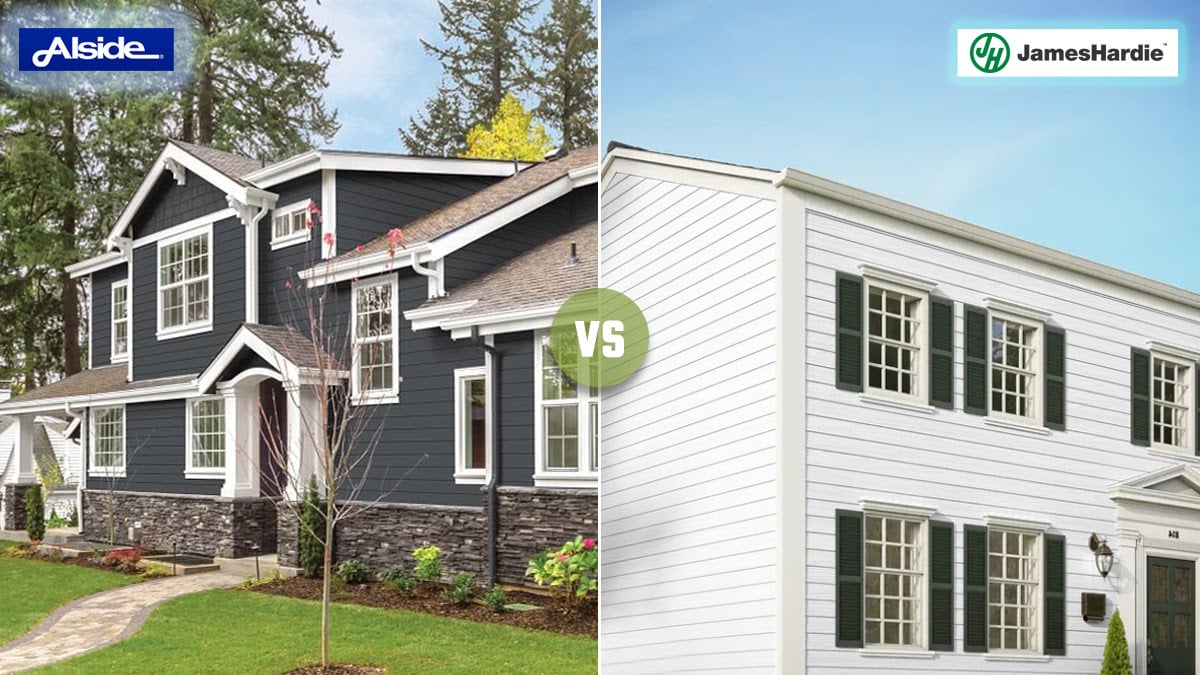
Hardie siding is made from their proprietary form of fiber cement. It’s heavier than vinyl by a significant degree, but that added weight brings added durability. It’s extremely resistant to pretty much anything a home can encounter.
Hardie siding is also extremely fire-resistant. Vinyl siding of any sort is heat sensitive and can melt when exposed even to a nearby grill or bonfire, let alone a house fire or wildfire. Heat from the sun isn’t a problem, but more direct exposure can be; if fire is a concern, Hardie wins out easily.
Both materials are resistant to pests, moisture, and rot. Termites and other insects don’t find it appealing to burrow into, unlike organic materials. Vinyl may offer more room for pests to infiltrate around gaps, but when properly installed, that’s not a problem.
Alside vs. Hardie: Weather Resistance
Weather resistance can be a part of the durability discussion, but it’s worth talking about on its own, since it’s likely going to be the biggest factor contributing to the longevity of your new siding.
Here in New Jersey, there’s a lot of weather to be concerned about. The summers can get pretty hot, and the winters routinely dip below freezing, with a lot of freeze and thaw cycles. Severe storms can send branches and debris flying, while driving rain and hail can prove threats to your siding as well. The sun beats down on clear days, and UV radiation can damage materials in ways it can be hard to see until it breaks.
You might also need to consider your proximity to the coast, and what seaside air can do to siding. Moisture and salt are double the trouble for many materials.
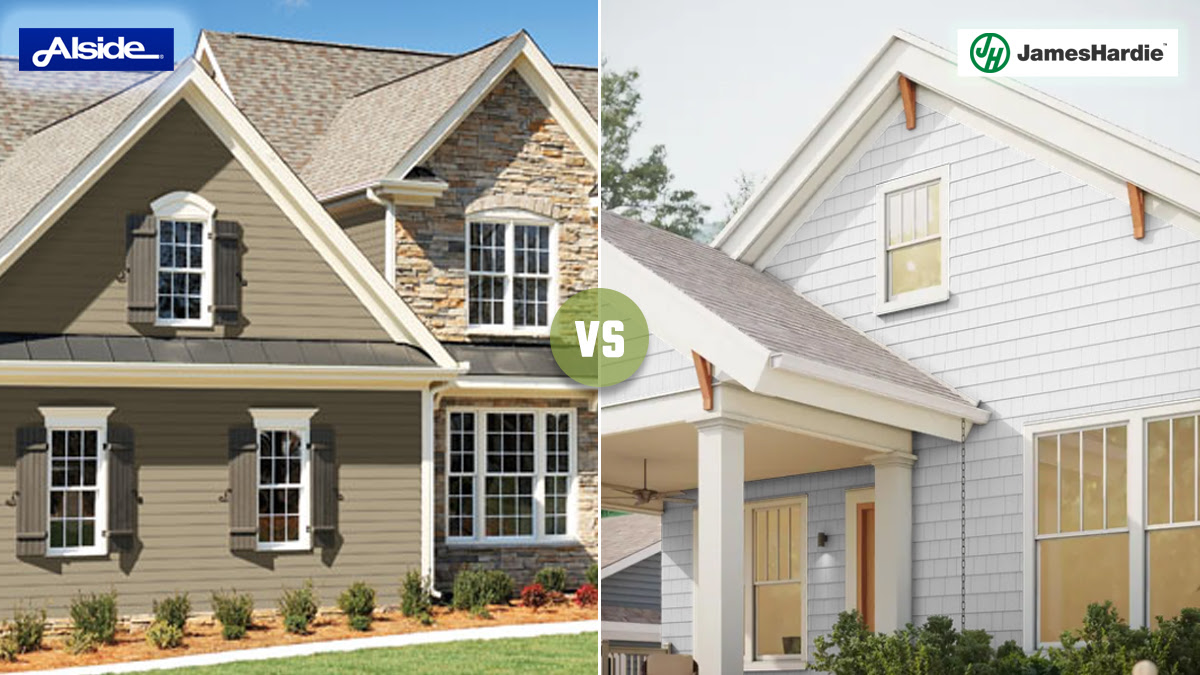
So, how do Alside and Hardie stand up?
Hardie is going to win this race. Fiber cement siding is extremely durable and resistant to UV, impact, moisture, salt, and anything else the environment can throw at it. It takes a lot to damage Hardie siding.
Vinyl siding tends to be more susceptible to damage. UV can weaken it over time, causing it to grow brittle and crack. Cold winters also make it brittle and more vulnerable to impacts. IT can dent and scratch more easily, too.
To be clear, you aren’t going to be looking at a dinged-up and broken siding in a couple of years with Alside; their siding can still resist a lot, especially the reinforced vinyl. It’s just not going to last as long as fiber cement by the nature of their materials.
Alside vs. Hardie: Maintenance
While synthetic materials are going to be lower maintenance than materials like wood, that doesn’t mean they’re zero maintenance.
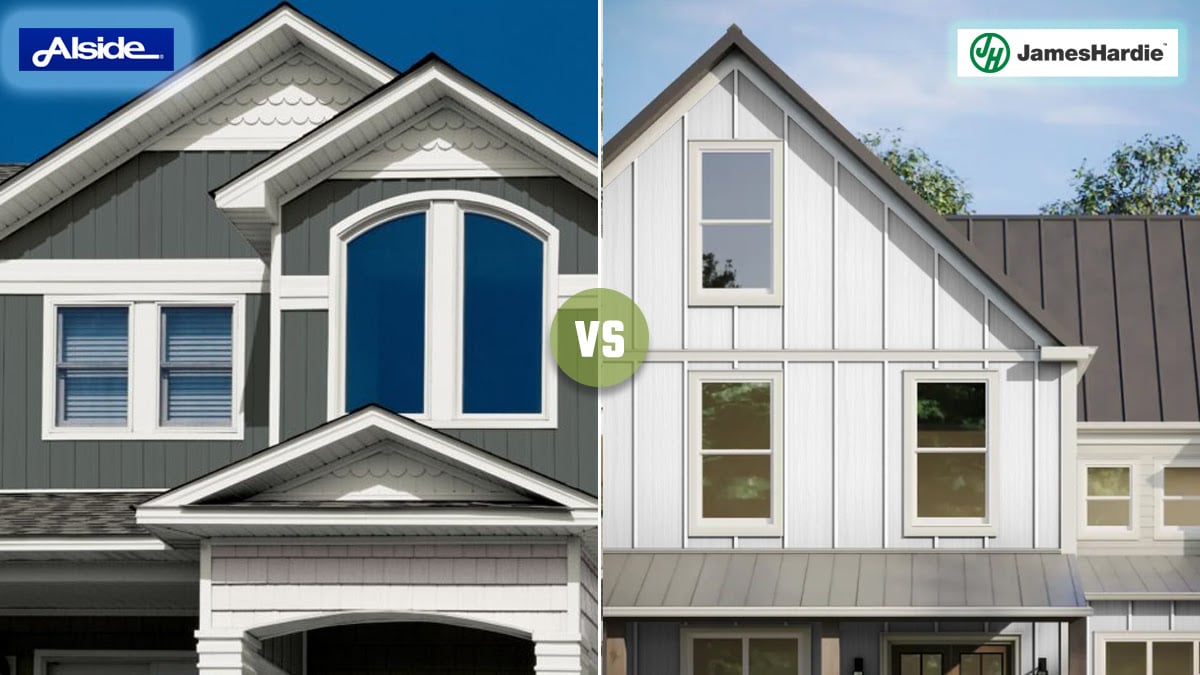
Alside vinyl siding is extremely low-maintenance. You may want to give it a wash from time to time, just to make sure mildew can’t build up in the humidity, and you’ll want to inspect it for cracks or loosening panels, but that’s about all you’ll need to do. You never need to paint it, and the color won’t fade more than a small amount over the lifespan of the siding.
Hardie siding, while it’s extremely durable, does still need more maintenance. Many Hardie boards are designed to be painted, which means you’ll need to re-paint them every few years. It’s also a little more prone to mold and mildew build-up, so it requires more regular cleaning and potentially even mold prevention treatments.
Alside vs. Hardie: Aesthetics
But how does it all look?
There’s no simple answer to this question. Both Alside and Hardie offer a range of different products across a variety of colors and styles. If you want something that looks like standard lap, fake cedar shakes, or board and batten, you can get it from either brand.
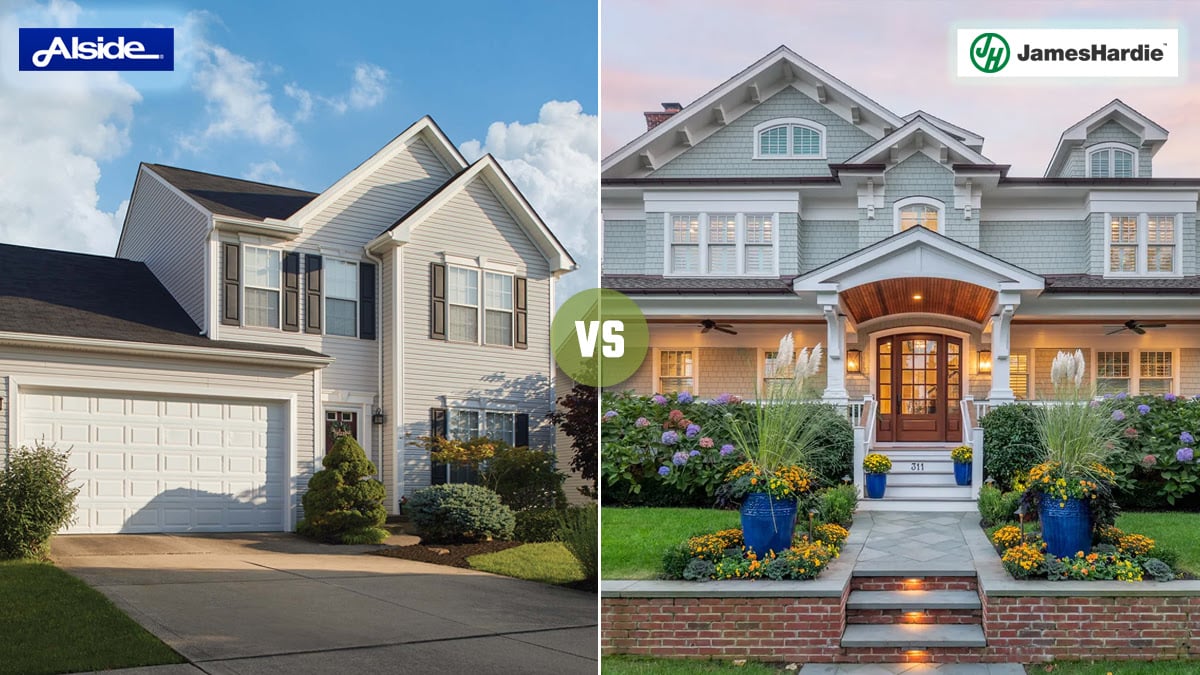
One potential limitation on aesthetics is on your color choice. Vinyl siding is not meant to be painted, which means you’re limited to the color options available from Alside for their siding styles. Some (though not all) Hardie siding options are designed to be painted, which means you can pick any paint colors you want.
Alside vs. Hardie: Costs
For many homeowners, the cost is the driving factor in making a decision like this. We get it; budget is important. However, we do offer financing if you want to stretch a little to get a higher tier of product than you otherwise might pick.
As you can probably predict, Alside is the cheaper of the two options. The cheaper Alside siding options can be as low as $2 or $3 per square foot, while their premium products can be as much as $10 per square foot.
In comparison, Hardie siding is a bit more expensive. The lower-end Hardie products start at around $5 per square foot, while the high-end Hardie siding options are higher and can be $15 or more per square foot.
All of these numbers are purely estimates; your specific location in New Jersey, your choice of style and color, the size of your home, and many other factors can contribute to the overall expenses.
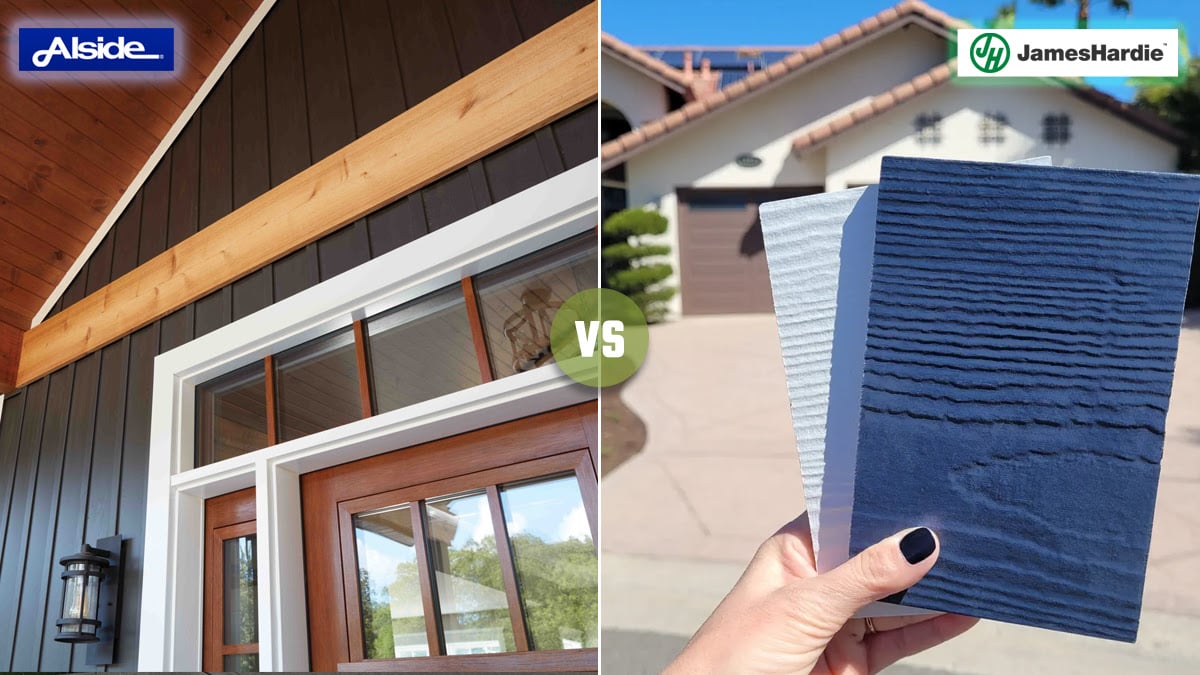
Labor is also a factor. Vinyl siding is some of the easiest siding to install. It’s light, it’s easy to work with, and anyone who does siding knows how to put it up properly. Hardie siding, meanwhile, is heavier and trickier to work with, so it’s slower to install and can require slightly more specialized knowledge. Labor costs for Hardie are higher.
Either way, both options are cheaper than specialized metal siding, custom architectural siding, natural stone, brick, or other more exotic materials.
For a specific quote for your home, looking at different products from both Alside and Hardie, call us for a free estimate.
Alside vs. Hardie: Longevity
Do you get what you pay for, or are you paying a premium for roughly the same lifetime of siding?
Alside vinyl siding, when properly cared for, can last 30 years on average. Some homes in more exposed areas or along the coast in New Jersey might see a shorter lifespan (closer to 25 years), while reinforced vinyl siding that is well-maintained has the potential to last 40 years or longer.
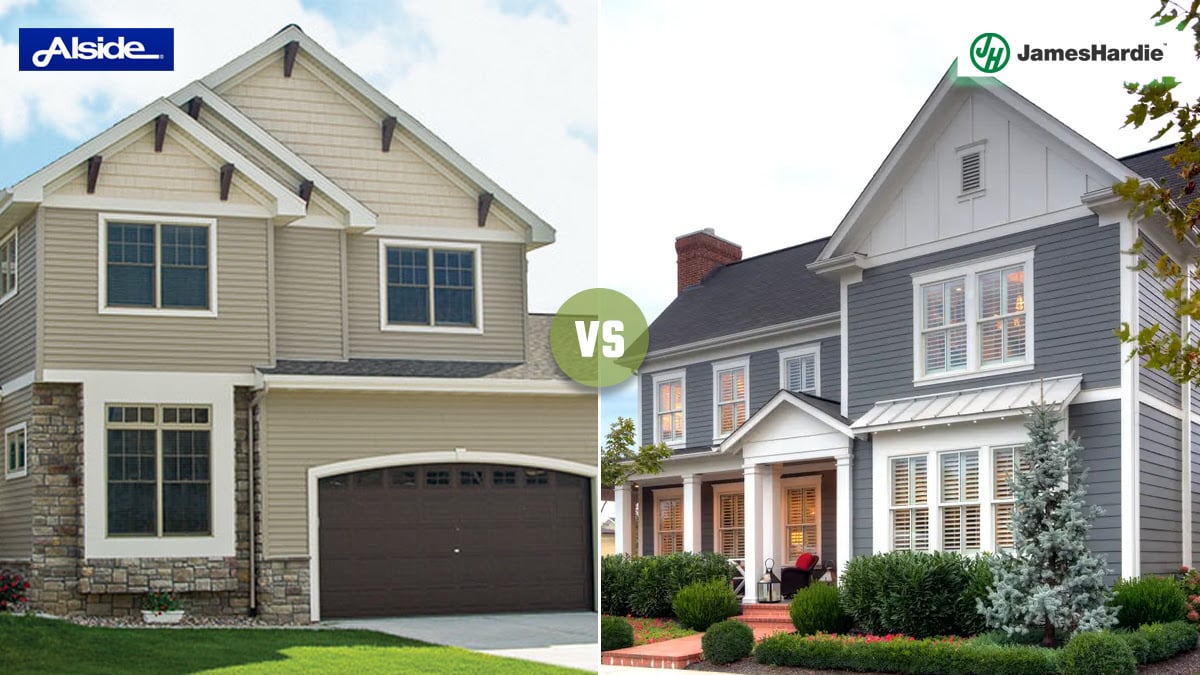
Hardie siding is so resistant to the elements that it frequently lasts 30+ years at a minimum. It’s hard to say what the upper limit is; Hardie siding has only existed for around 35-40 years, and some of the earliest installations are still going strong. It has the potential to outlive vinyl for sure, though the maintenance burden will be higher over time with the occasional coat of paint.
No matter which option you go for, it’s going to last decades outside of a catastrophe, so the extended lifespan is only important if you’re planning to live in your home indefinitely.
Which is Right for Your Home: Alside or Hardie Siding?
Your home is unique, which means we can’t answer this question for you in a generic blog post. The right choice depends on your goals. Do you want a cheap, low-maintenance siding that will last a few decades and look good along the way? Do you want to invest in longevity and know you’ll never need more than a coat of paint until far in the future? What colors and styles do you prefer?
We’d love to have this discussion with you directly. At Magnolia Home Remodeling, our family-owned remodeling group has been active in New Jersey for over 30 years. In that time, we’ve installed all kinds of siding all across the region, and our portfolio is full of examples of both Alside and Hardie installations to examine.
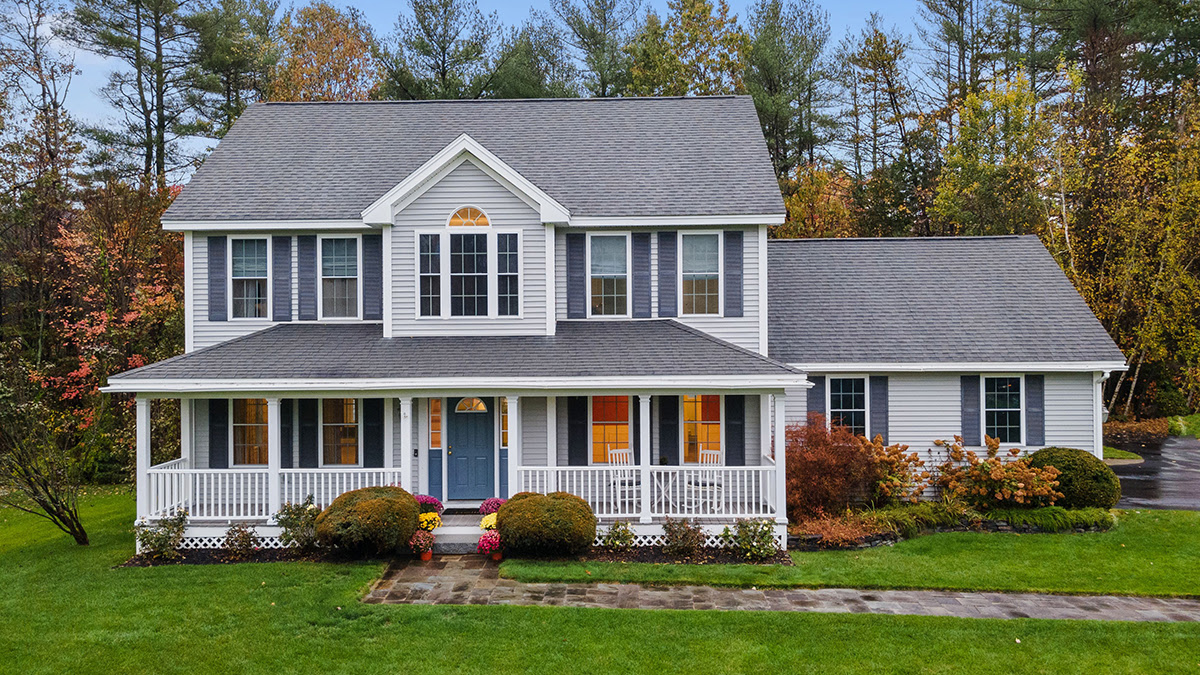
So, consider your budget, your home style, the kind of siding you prefer, and even your preferred color choices, and reach out to our team today. We’re happy to chat about your options, give you an estimate, and if you’re ready, start scheduling the whole process today.
Getting new siding doesn’t have to be a huge hassle or a huge expense. When we’re done, your home will look like a whole new building, and we’re certain you’ll be happy with the results.