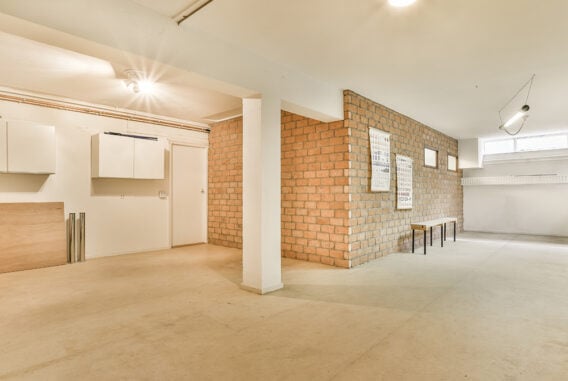
In the average New Jersey home, the basement is a significant amount of space that is left vastly under-utilized. It’s often nearly the same size as the floor above it, but left unfinished, it’s dank and dimly-lit, cold and uncomfortable, and left mostly for storage and utilities.
All of this means that turning an unfinished basement into a finished basement is an extremely compelling home renovation project. Adding new usable rooms, making more comfortable space, and boosting your home’s value all in one move? What’s not to love?
Well, the price tag, for one. For all that it’s an incredibly useful and beneficial home remodel, it’s one that carries a significant cost. After all, you need to do a lot more than just add some carpet and a fresh coat of paint!
If you know you want to remodel your basement, and you want to discuss your specific project with the experts, contact us for a free estimate right away. If you’re still considering whether or not a basement remodel is in your budget, read on for our full breakdown and discussion of the costs.
Different Kinds of Basement Remodels
First, let’s look at the scope and scale of a basement remodel. Broadly, you can categorize a basement remodel into one of three groups.
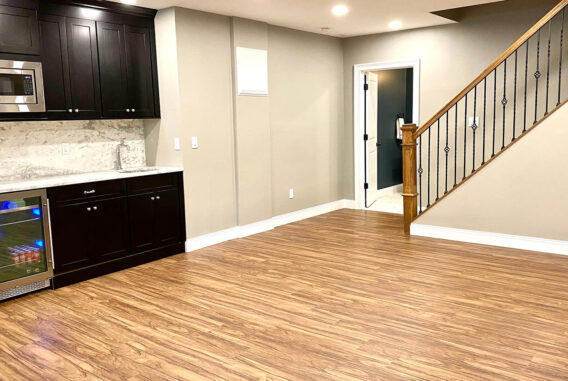
Simple remodels are the cheapest and require the least effort. These are the remodels you do when your basement was finished at one point many years ago, but was done poorly, partially removed from water issues, or otherwise left to break down. Alternatively, it’s the remodel you’d do if you have a finished basement, but you want to change up the layout, fixtures, or aesthetics of the space.
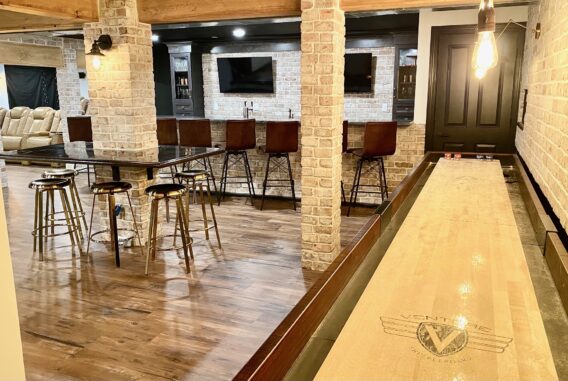
Finishing a basement is the middle-tier remodel. These remodels take an unfinished basement space and do everything necessary to finish it, including moisture control, insulation and HVAC, running electrical, building walls, floors, and ceilings, and any other fixtures. Making the basement a simple multi-purpose space is the easiest and cheapest, while purpose-built rooms that require utilities like plumbing for a bathroom can require more work.
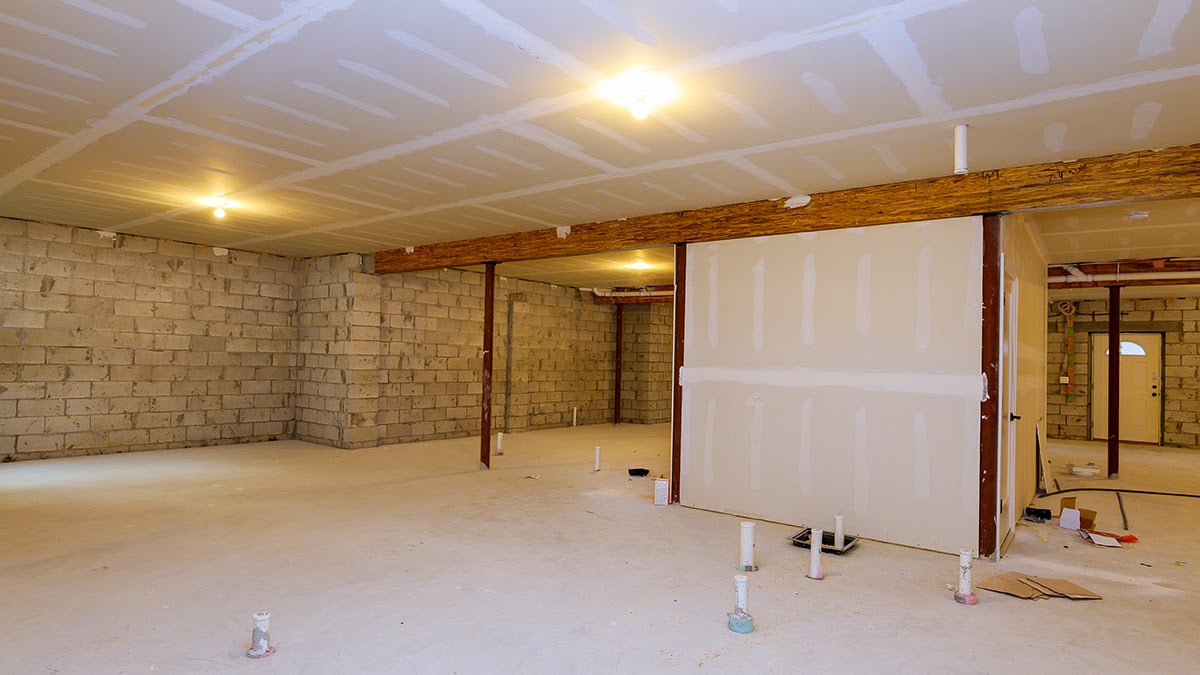
Total reconstructions are the rarest, but most expensive kind of basement remodel. These are high-end projects where you can even do things like lower the foundation, build an egress for a stand-alone in-law suite, and other significant projects. The sky is the limit here, but the vast majority of homeowners aren’t going to embark on this level of project.
Simple remodels tend to be the cheapest, because the hardest work is already done. The majority, meanwhile, will fall into the basement finishing category.
What Goes Into a Basement Remodel Project?
The full process for a basement remodel can be a little intimidating, which is why it’s important to talk to professionals like our team at Magnolia Home Remodeling Group. We’ve been doing basement remodels throughout New Jersey for over 30 years, and we’re more than happy to discuss your project as well.
Step 1: Planning
The first step is all on paper. You need to decide what kind of use you want for your newly finished basement space.
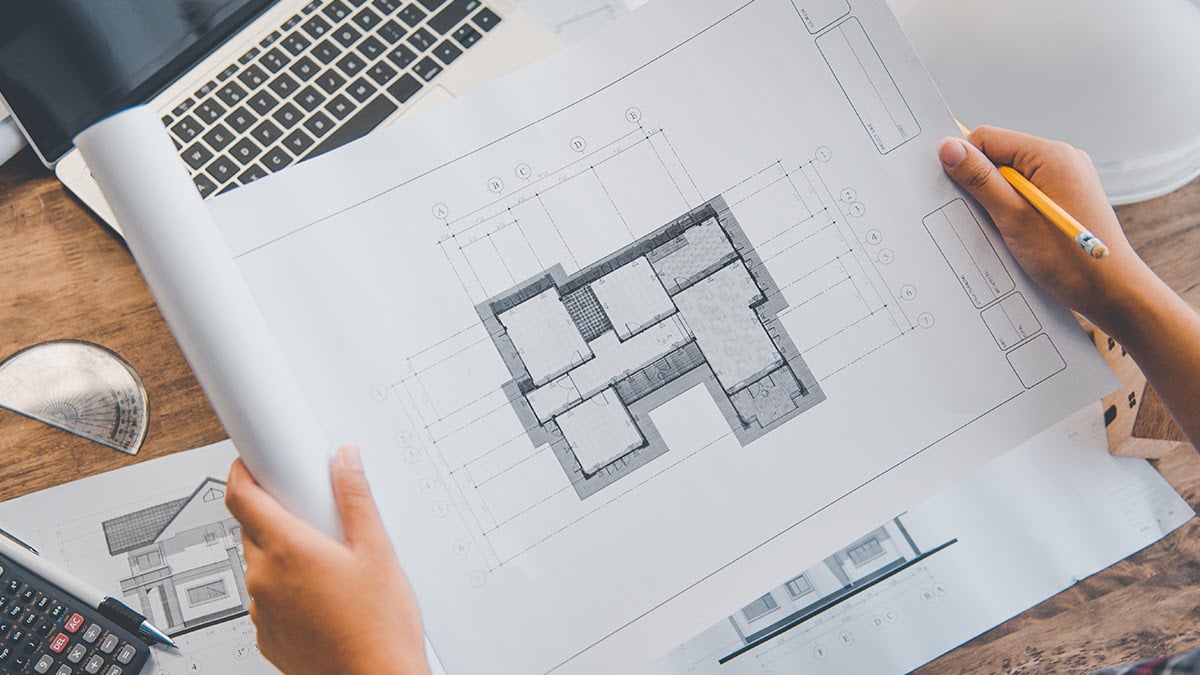
You don’t need to pin down every detail yet; that comes later, but you want to know the general purpose, so you know what kinds of expenses you’ll need to consider.
- General-Purpose Space. A rec room, an exercise room or home gym, a family room, a lounge, a den; all of these are basically just boxes with some light, electrical, and not much else.
- Entertainment Space. A home theater, a game room, an entertainment area; these may have higher requirements for things like electrical.
- Functional Space. If you want to add a bathroom, kitchen, or other space with a defined function, you may particularly need to add plumbing specialized for below-grade drainage, which can be an added burden.
Your costs will be a lot different if you just want a family room versus if you want an in-law suite!
Once you have some idea of your plans, you can come to us, and we’ll work with you to come up with a plan. Then, the rest of this list will follow.
Step 2: Prepare the Basement
The next thing you need to do is prepare your basement for the project. The biggest task here is usually to clear out the basement as much as possible. Some things you won’t be able to move, of course, but anything you have stored in the basement will need to find a new home while construction happens.
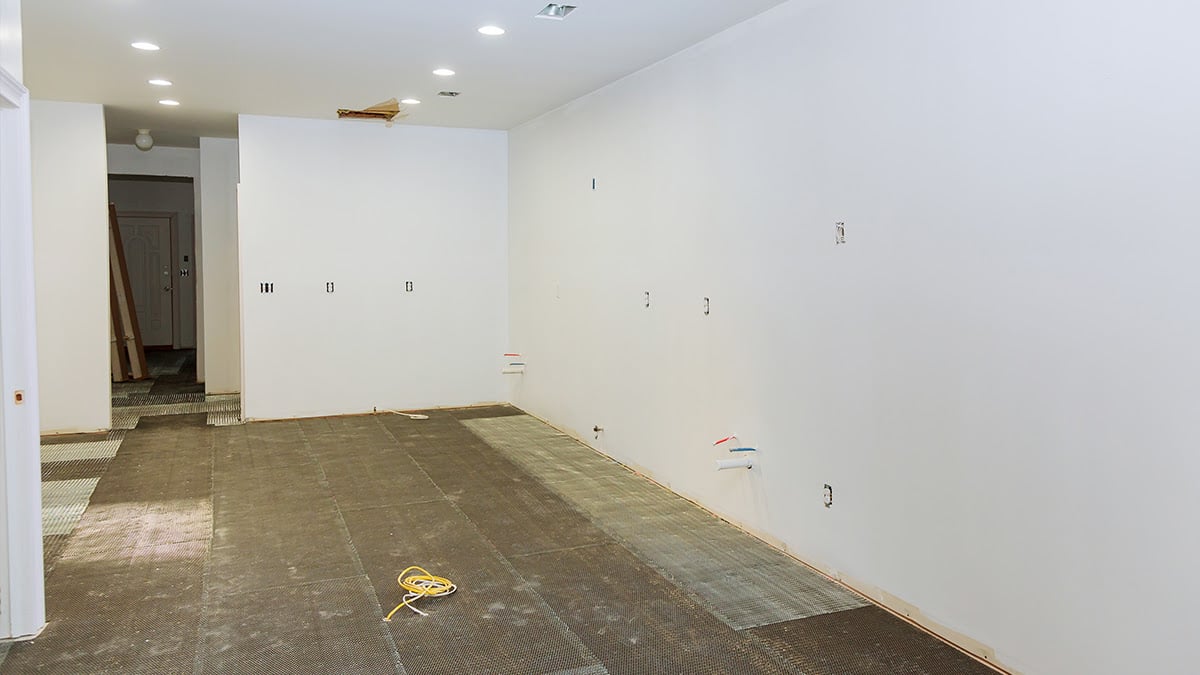
If you have a washer and dryer in the basement, you may be able to leave them in place for at least some of the renovation. Or, you may want to move them out and make do with a laundromat or some friends for the duration of the project.
Step 3: Manage Moisture
Basements are prone to moisture ingress, which means they’re vulnerable to mold, leakage, rot, and more. Once you have the space cleared out, you can do a moisture test to examine any potential problems.
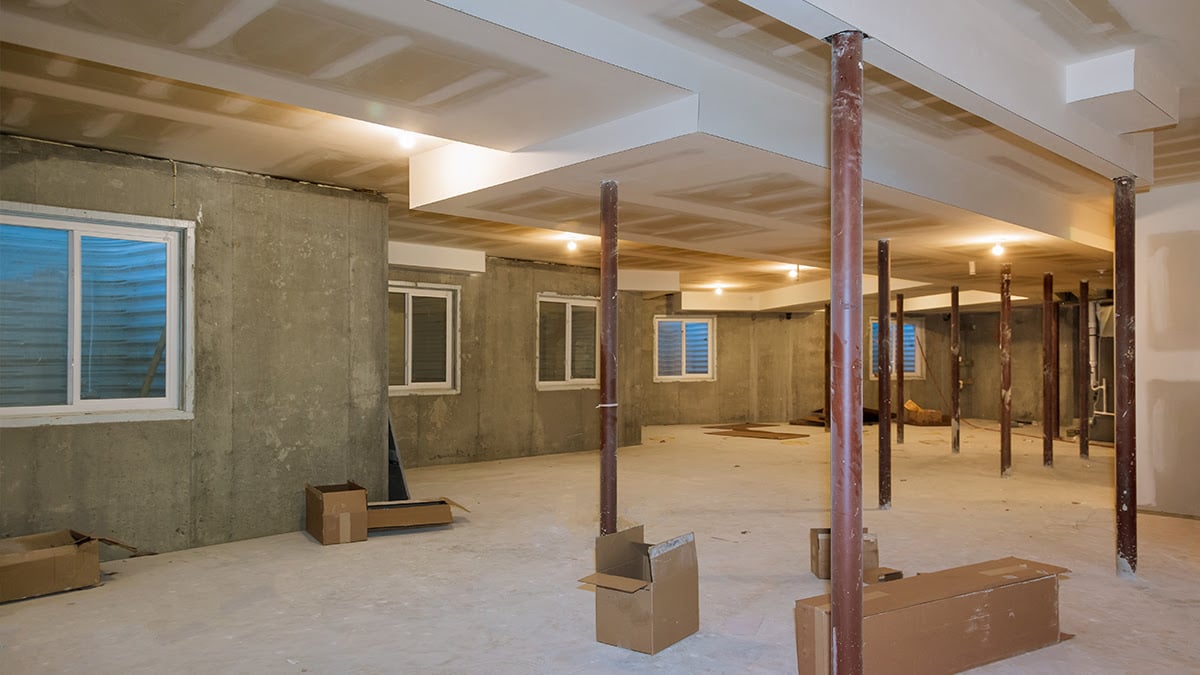
If you’re lucky, you won’t need to do much. If you’re not (and most people aren’t so lucky), you’ll need to seal the inside, plan for air circulation and ventilation, and potentially even do some landscaping to redirect water away from your foundation.
Step 4: Examine the Foundation
Finishing a basement will hide the foundation, which means you need to inspect it now for any signs of damage or necessary repairs.
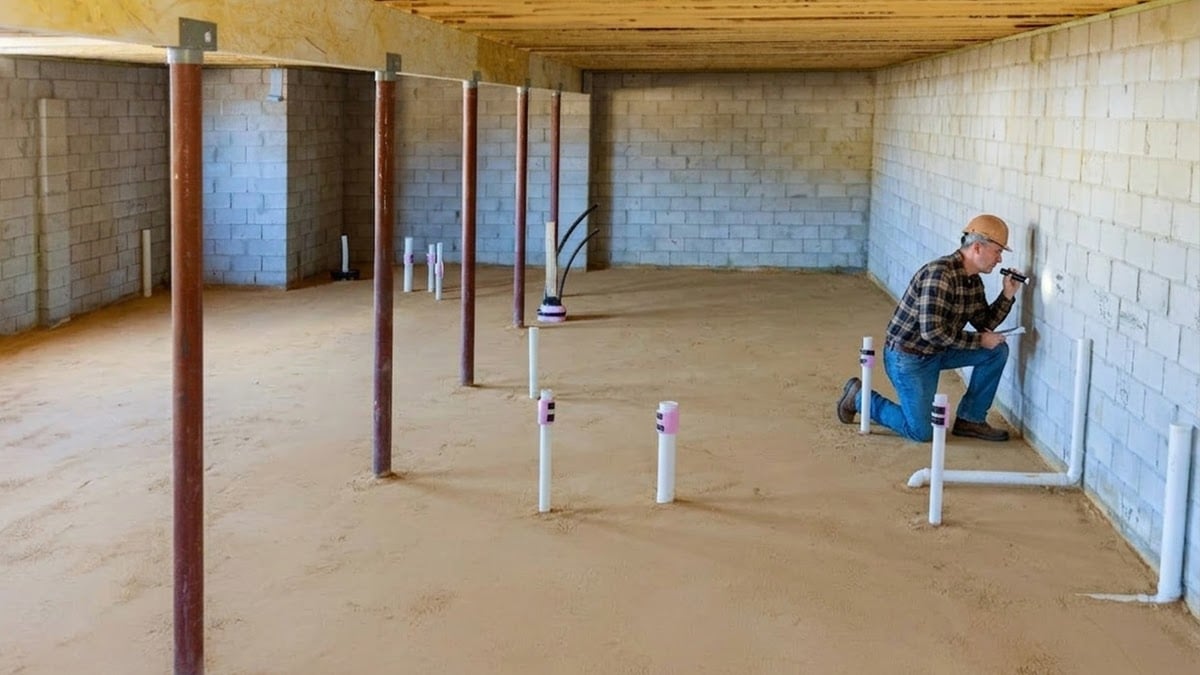
Cracks or issues in the foundation will need to be fixed before you finish the space, otherwise you risk a catastrophe you’ll never see coming.
Step 5: Utilities and Basic Finishing
Once the space itself is free from moisture intrusion and the risk of serious foundation problems, it’s time to start the finishing work.
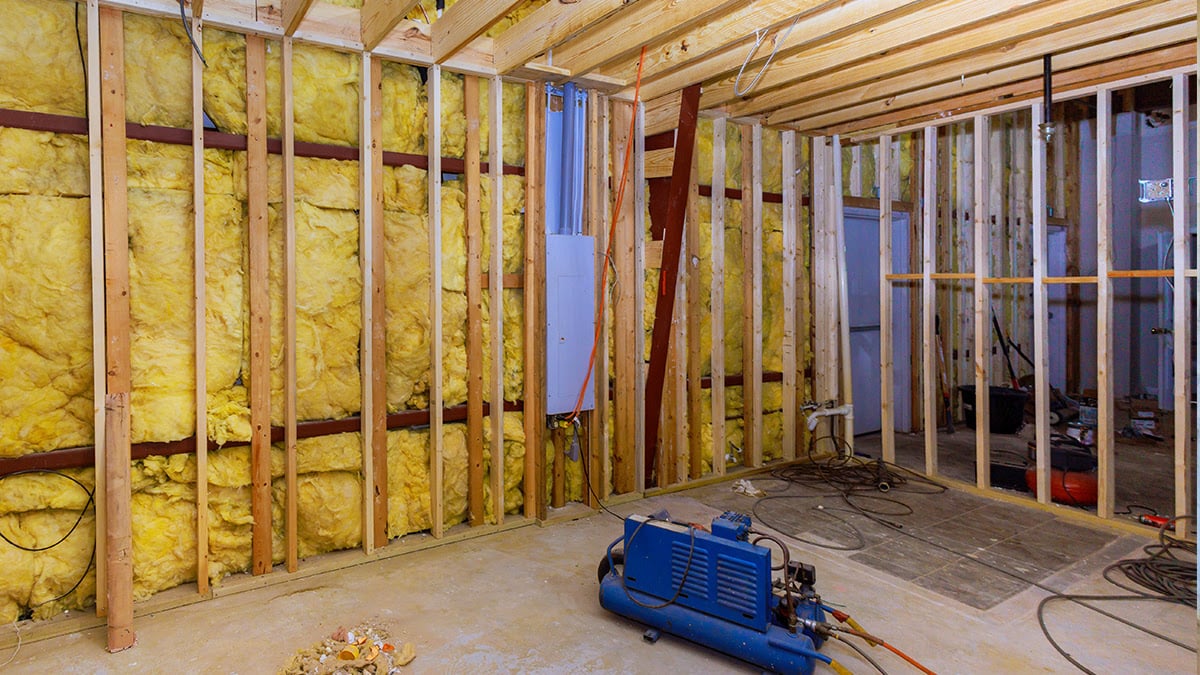
By this point, we’ll have worked with you to convert your ideas into a layout and a plan. So now, the work begins in earnest. Framing will go in for the walls, floor, and any ceiling adjustments. Insulation will be added to make it a more comfortable space. Any plumbing and electrical work that needs to be done will be done once the framing is up. Lights will be installed.
Then it’s time for the finishing. Drywall, flooring, and fixtures all come in to finally make the space what you want it to be.
But How Much Does It All Cost?
Okay, going through the plan is one thing, but what’s that price tag going to be?
This is a difficult question to answer, because it varies so much based on individual factors.
In 2026, costs have been rising. Inflation, material shortages, tariffs on imported materials, and other factors all contribute to prices being around 5% higher than they have been in the last year.
There are also a bunch of trends in construction that increase costs, though you can mitigate some of them by choosing not to chase the trends.
- Many remodels integrate smart home features in construction, but smart home features add costs over basic “dumb” appliances.
- Sustainable materials with a lower carbon footprint are increasingly common and attractive, but typically more expensive than traditional materials.
- A higher bar for improving utilities and materials over what may have been there before means higher labor costs.
Certainly, you don’t need to integrate a smart home network, you don’t need to use hempcrete or mycelium insulation, and so on. They’re options to consider, not mandatory costs.
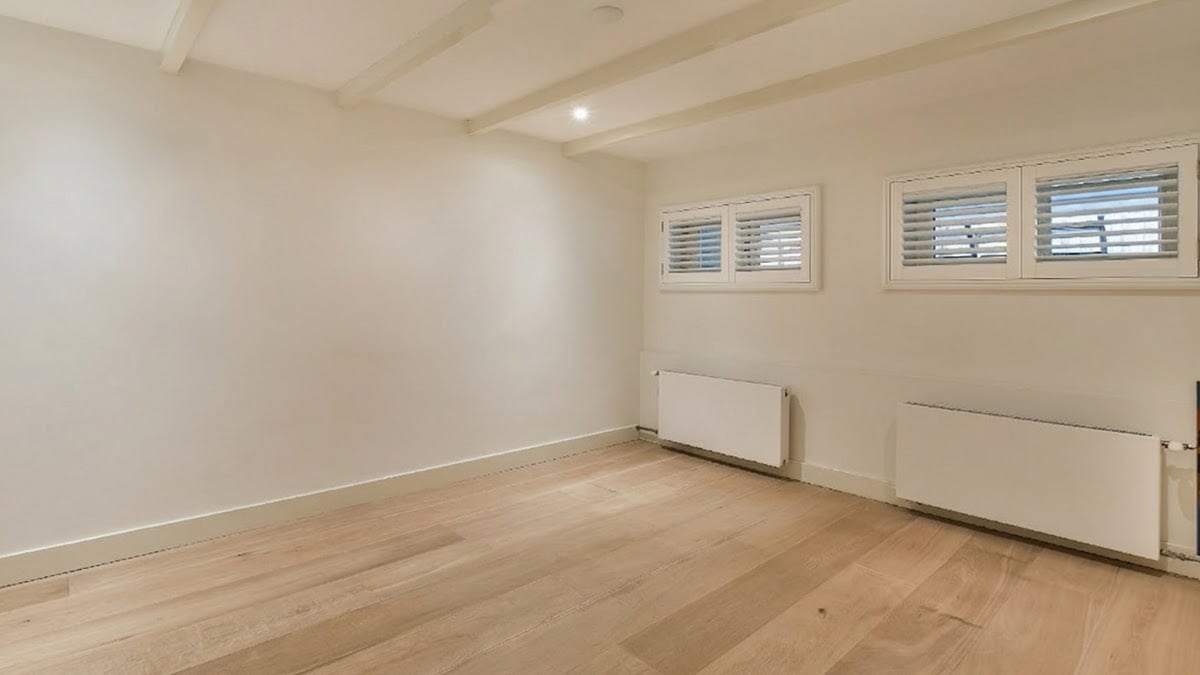
In large part, pricing also depends on how large your basement space is.
Beyond that, for the largest homes, the largest basements, and the largest tastes, the sky really is the limit. Most homeowners aren’t in that interest group, though we’re happy to talk if you are.
Cost Breakdowns and Unexpected Fees
While the raw number can seem daunting at first, it makes sense when you break it all down.
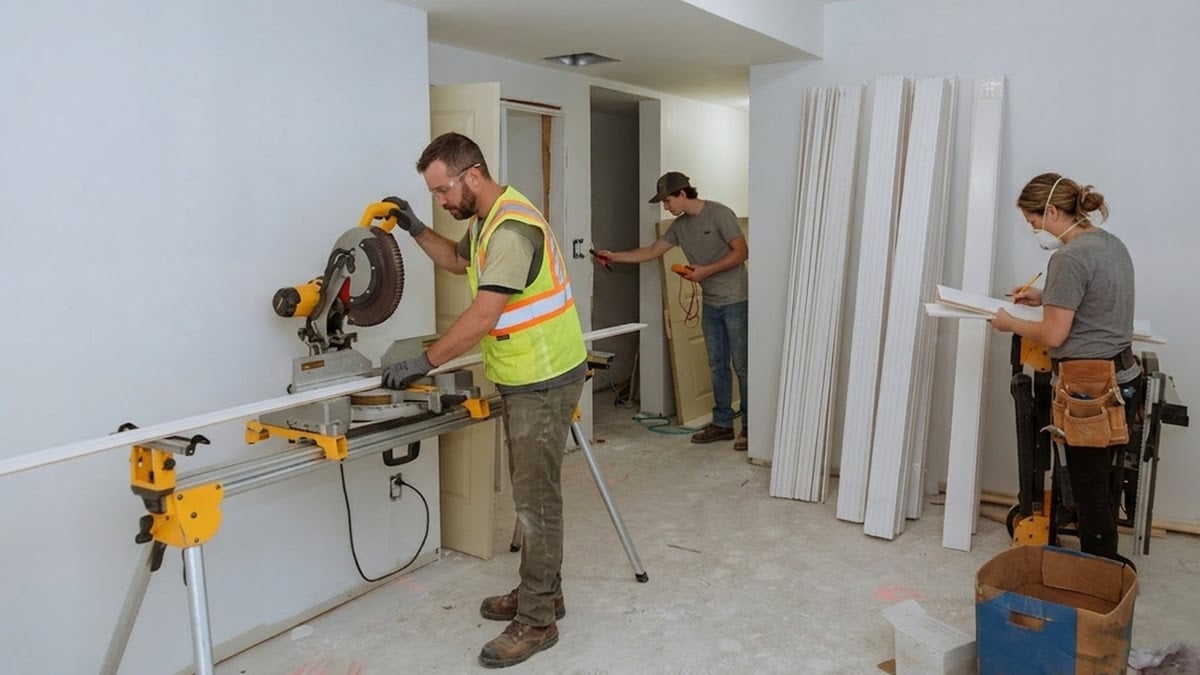
On average, a basement remodel’s full cost is divided into four categories of expense.
- Labor. Labor is always one of the highest costs. It requires person-hours of skilled labor from tradespeople who know what they’re doing, and skimping out on labor is a recipe for disaster. Labor is usually around 30-40% of the overall budget.
- Materials. The raw materials, from waterproofing to timber to drywall to paint, add up. This is one of the areas driving a lot of 2026’s cost increases, and you can expect 40-50% of the cost of the project to come from materials.
- Design, Planning, and Permits. Converting an idea into an architectural plan with specific measurements that can be followed is a critical step and costs some money. Permits for construction often have filing fees that add a little to the overall cost, as well. This typically accounts for around 10% of the overall cost.
- Contingency. The unexpected happens. Material or labor shortages, minor disasters, changes of plans, unexpected additional work; even if you have the leeway to work around it, you still need the budget to cover it. We always recommend adding 10-20% to your overall budget to cover those costs. It may not be used, and if it’s not, great! But it’s better to have it and not need it than need it and not have it.
When you put it all together, each individual cost is reasonable; there are just a lot of individual costs to consider with a full renovation of an unfinished basement in New Jersey.
Good News: Increasing Home Values and Return on Investment
One bit of good news is that, despite the basement being a literal hole in the ground, you aren’t just throwing money into a hole.
A basement renovation is a powerful value-add for any home here in New Jersey. Home buyers find them very attractive, since they increase the usable space of a home without increasing its overall footprint.
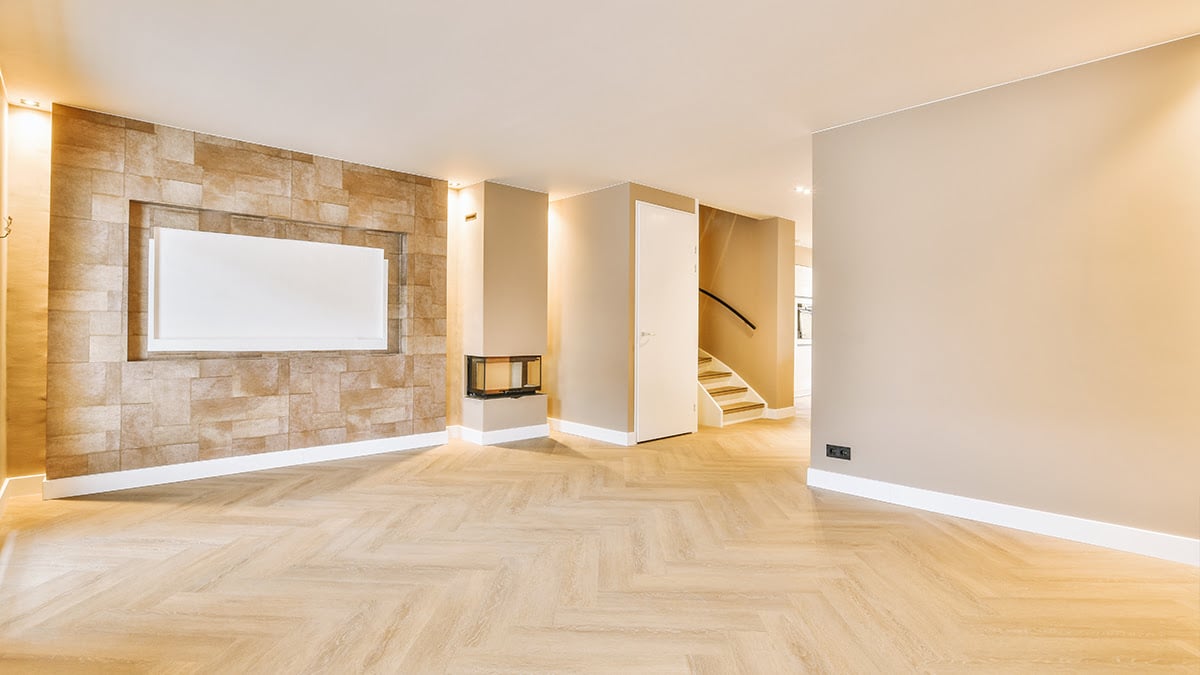
Very few home renovation projects have a full or positive ROI; that is, spending $1,000 and having $1,000 or more added to your home’s value. Basement finishing is no different. On average, the ROI for a basement remodeling project is around 70%.
That means if you have a small basement, aim for mid-range materials, and end up with a reasonable cost for the project, you can expect your home’s value to increase by around $17,500.
That number varies a lot, of course. High-end, nicer finishes often have a slightly lower ROI, while mid-range “good enough” finishes have the best returns. The use of the space, too, can impact ROI; niche and narrow-use rooms like home theaters tend to have lower ROIs than more general-purpose office space or family rooms.
It may also depend on location and homebuyer interest. If your area is full of homes with finished basements, yours won’t stand out as much, but if it’s a rarity, you’ll gain more interest. Certain trends like carbon-neutral materials or smart home fixtures can be very attractive to some buyers, but less so for others, as well.
Remodeling a New Jersey Basement the Right Way
From planning and permitting to construction and finishing, it pays to have experts on your side. That’s where we come in. At Magnolia Home Remodeling, our team has decades of experience in every kind of basement remodel you can imagine. We know how to help you do it right, so you’re happy with the finished product.

All you need to do to tap into our expertise is get in touch. We’ll discuss your ideas, talk plans and budgets, and give you an estimate for the basement remodel of your dreams. Then we’ll help you make it a reality!