We’ve all been there: sharing a space, needing a bathroom, but the only bathroom in the house is occupied. At times like these, an idea comes to mind. Why not just add another bathroom?
Of course, it’s easier said than done. Without going all-in on an extension, there’s a decent chance that you just don’t have the space to add a whole bathroom. But a half bath? Now we’re talking.
The question is, where do you put it? What space can you convert into a new half bath, what considerations should you keep in mind to pick the space, and what should you avoid? Let’s talk about it.
Before we get too deep into the weeds, you can also cut right to the chase. Contact us, and we can take a look at your space directly, give you ideas for where a half bath can fit in your home, and work with you to make that dream a reality.
Factors to Consider when Picking a Half Bath Location
First, some general considerations to keep in mind. These are details you might not consider right away, or that can influence where you want to put a half bath, which might make some obvious locations unsuitable, and open up some surprising options.
Keep Size in Mind
A half bath is generally pretty small, averaging around 15-20 square feet. They often feel a little smaller than they actually are, because of how much space the toilet and sink take up, especially if you want a little storage in place as well.
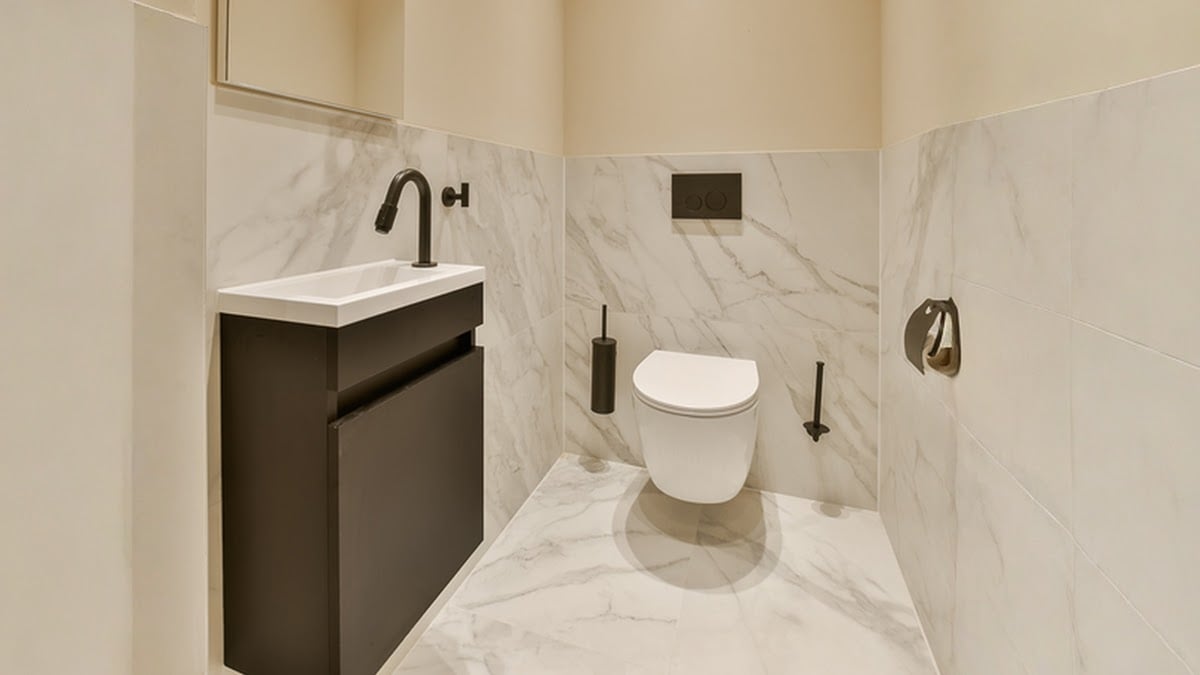
You can alleviate some of this cramped feeling with your choice of fixtures, but you may be limited by the dimensions of the space and the angle of access, depending on where it is.
Consider the Purpose
Different people have different intentions with a half bath. Some dedicate it as an accessible bathroom for guests, so the main bathroom (which may be less accessible in the home) doesn’t see as much use and can remain private. Others use the half bath as a sort of backup bathroom tucked out of the way.
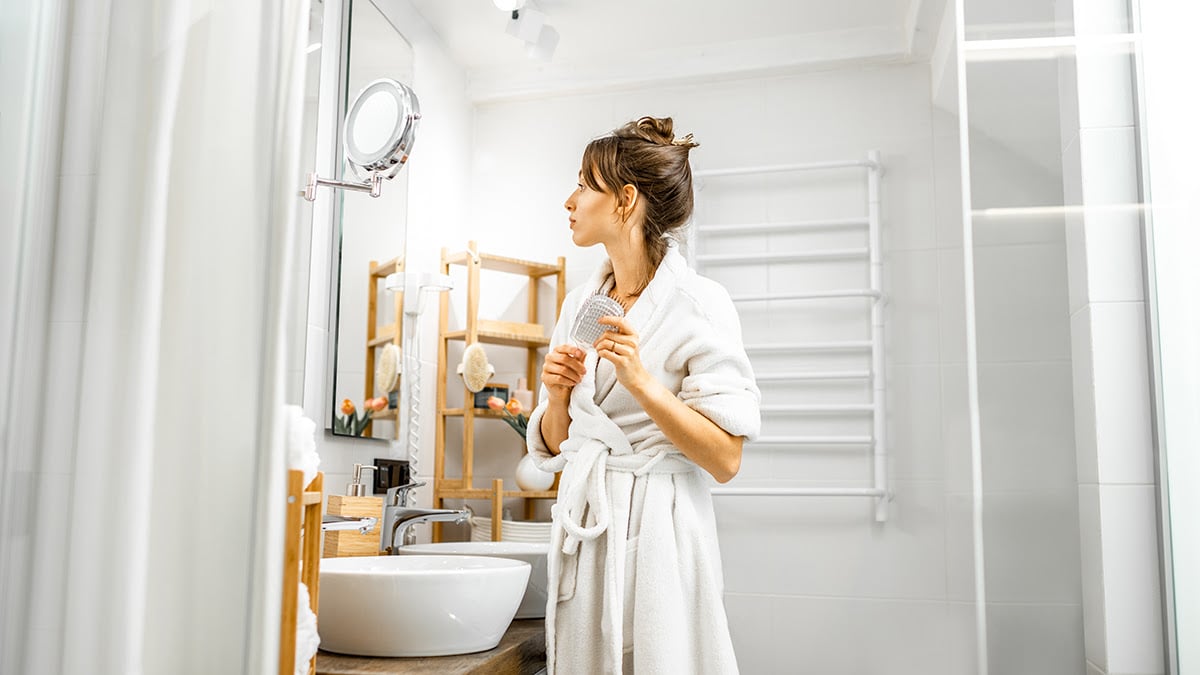
The goal you have in mind for the utility of the room will influence where you decide to put it in your space, and can even guide you in your choice of amenities and design.
Think About the Plumbing
One thing you might keep in mind is the current plumbing in the house. Certainly, we’re more than happy to run new plumbing anywhere it’s needed, but it will be easier in some locations than in others. The greater the distance you need to run new pipes, the more work will need to be done, and the more expensive it will be.
In certain cases, you may also have environmental considerations as well. If you want to add a half bath in an external corner and the easiest way to run pipes is through an external wall, they end up more susceptible to winter freezing, for example. There are plenty of mitigating strategies, but avoiding a problem is better than working around a problem.
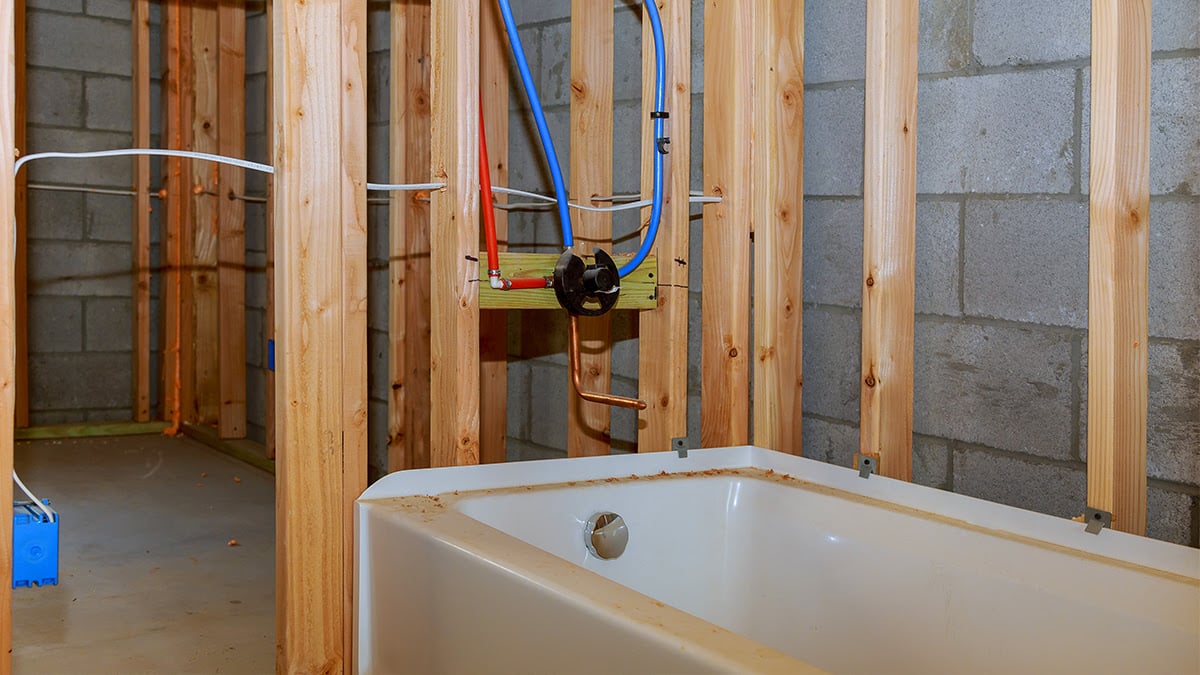
Generally speaking, the most challenging line to run is the drain line from the toilet, since gravity plays a very important role. If that’s sorted out, everything else will follow easily enough.
Remember Ventilation
A bathroom is a bathroom, and there are certain realities that need to be considered. Adding a bathroom near an exterior wall allows a window to serve as ventilation, but more interior rooms will need an exhaust fan.
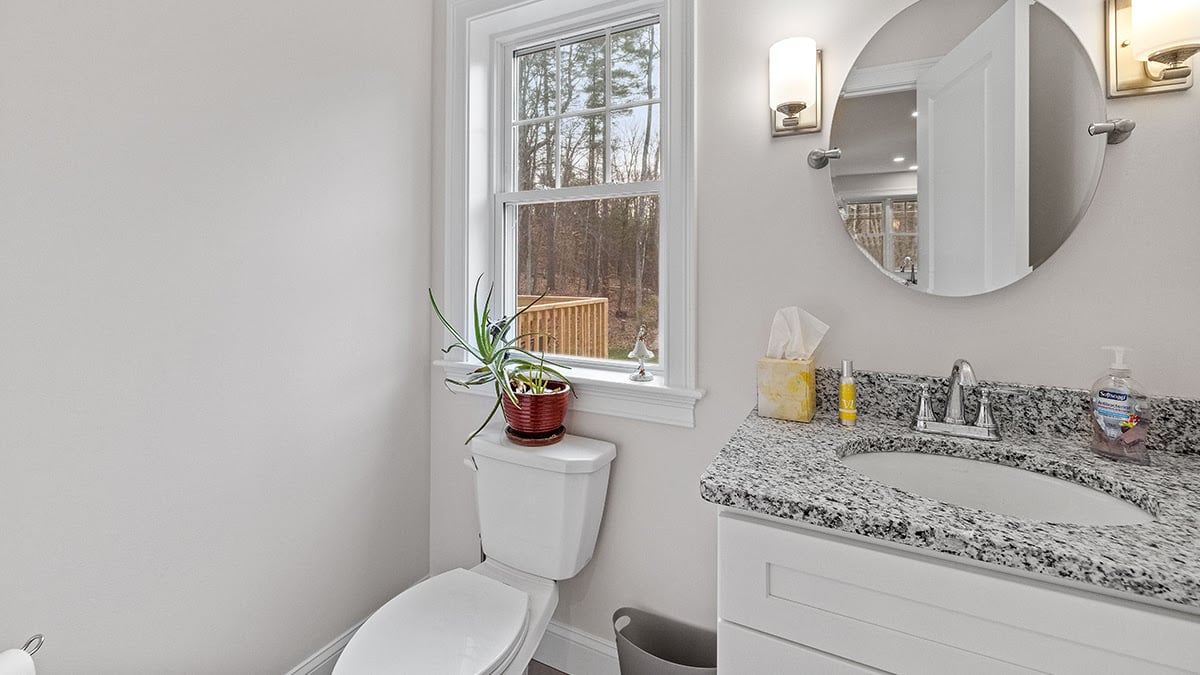
Ventilation challenges can be particularly important if the prime space to place your half bath is near the kitchen, or a dining room or a living space where you would spend time with guests. Just make sure you’re thinking about ways to mitigate any potential unpleasantness.
Here in New Jersey, moisture being trapped in a poorly-ventilated space is a huge problem and a leading cause of water damage and mold issues. Your half bath needs to be properly ventilated one way or another, otherwise you’ll be looking for a repair and remodel in just a few years.
Existing Space or New Space?
Finally, one thing to remember is that you aren’t limited to just the current layout of your home. If you’re willing and able, you can sacrifice a little space from existing rooms, move a couple of walls, and add an entirely new, if small, room to your home.
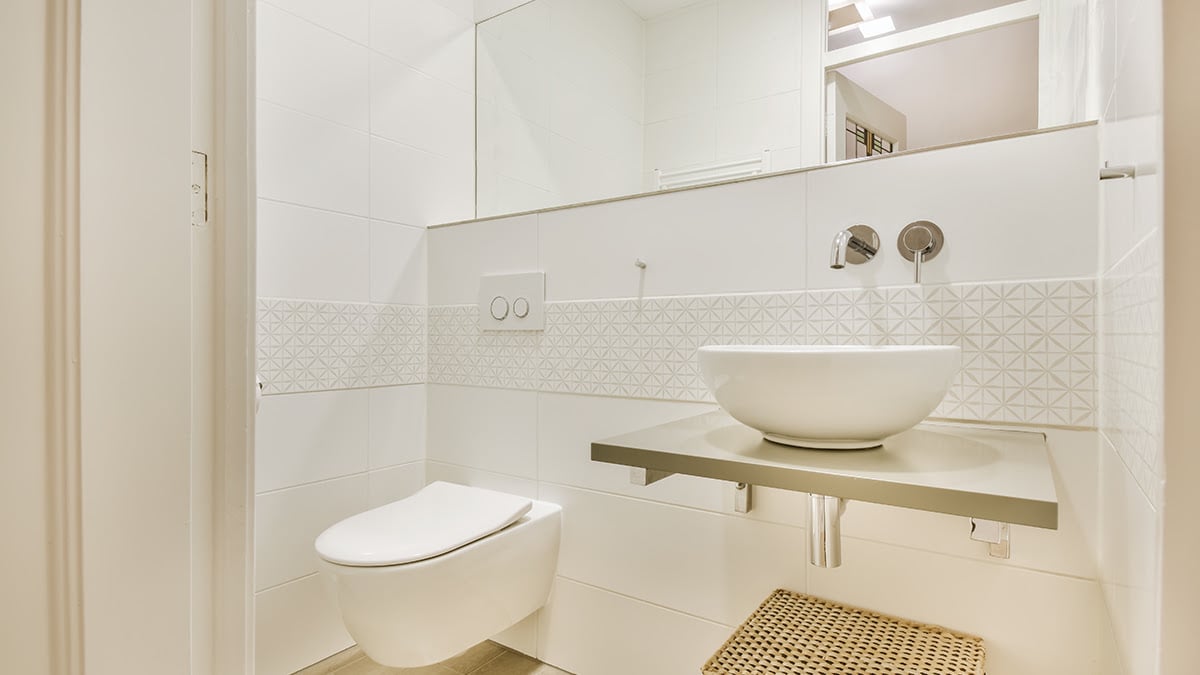
This is certainly a more intensive remodel, and you need to do the appropriate groundwork to make sure the walls you want to remove aren’t load-bearing to the structure, but even that can be worked around with the right planning.
Where to Add a New Half Bath to Your NJ Home
With some of those considerations in mind, what are some more specific ideas for where you could add a new half bathroom to your existing home?
Sacrifice a Closet or Two
Converting an existing closet into a new bathroom is one of the most popular options. A single closet of sufficient size can easily be turned into a bathroom, while smaller closets may need to extend into a room. In many home layouts, adjacent rooms may have back-to-back closets that serve as a buffer between them, and by taking over both of them, a bathroom can be carved out of the space.
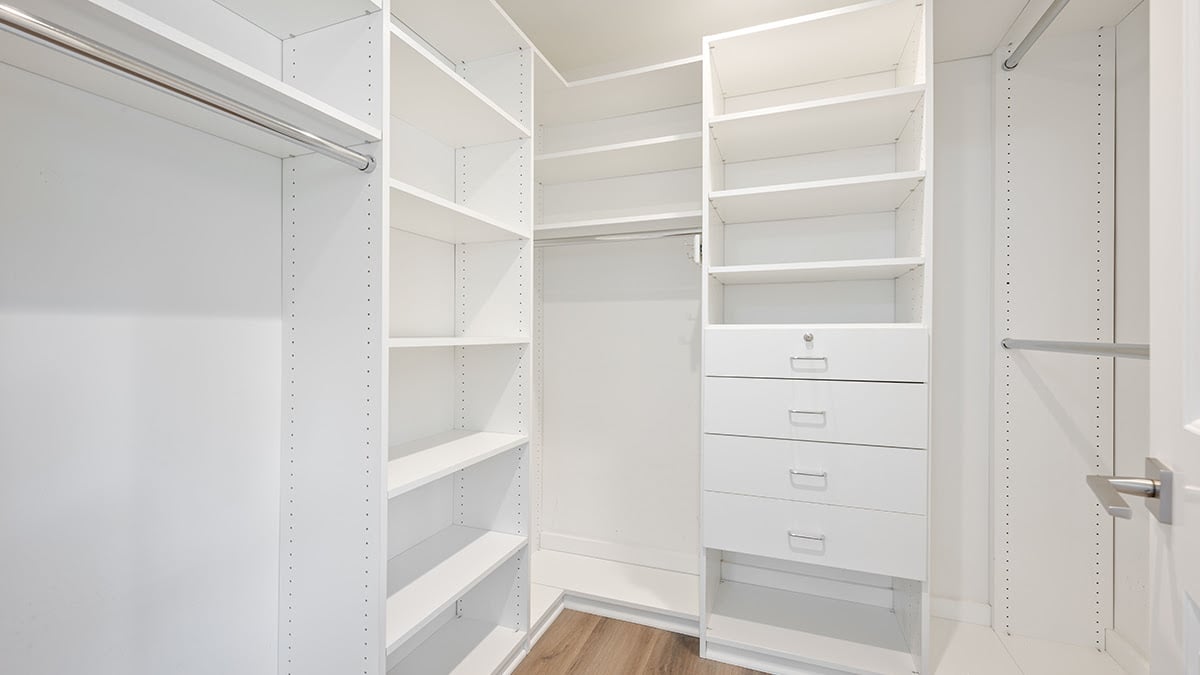
The downside to taking over a closet is losing the closet. If your home is already light on storage space, letting go of another closet can be a hard sell, but the added utility of a bathroom (and the corresponding increase in home values) is well worth it.
Enclose the End of a Hallway
Many homes have hallways, and sometimes the end of the hallway terminates in a closet or just a bit of empty space that ends up used for a bookshelf or other bit of storage. This is prime real estate for a half bath!
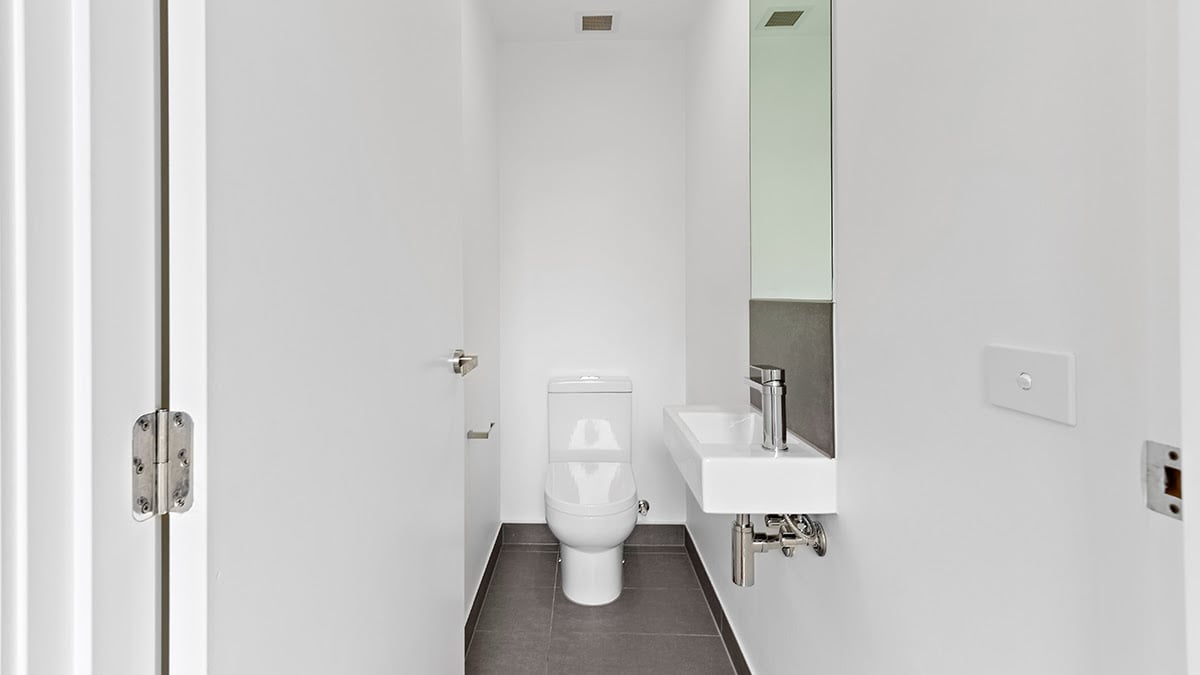
Now, a hallway might not seem wide enough for a half bath, but it can work quite well as long as it’s not too narrow. A 3×8-foot space is perfectly adequate for a half bath, and the use of narrow, sleek fixtures can make it feel larger than it actually is.
Expand a Utility Room
Another somewhat common idea is to expand a utility or laundry room. These kinds of rooms are often semi-finished, so it’s easier to convert them. They also already have at least some plumbing, so it’s easier to tap into existing lines.
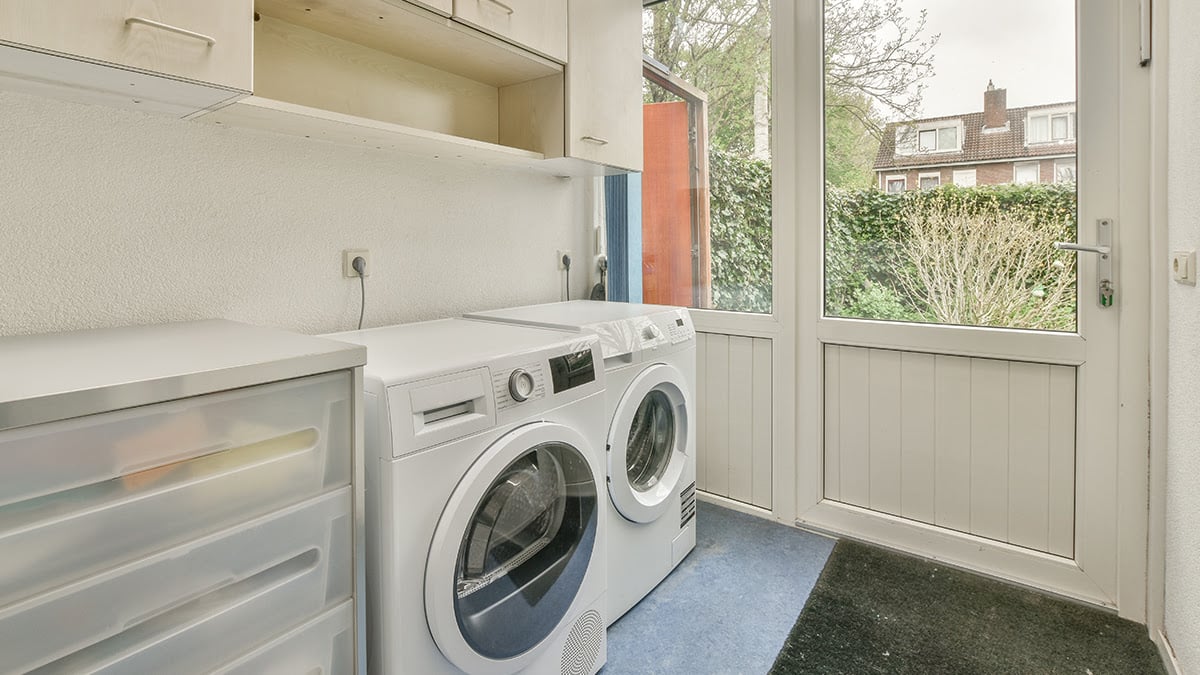
Some people do find this to be an awkward arrangement. Doing your business in the same space that washes your clothes can feel odd to some, and if guests will use the bathroom, airing your dirty laundry (literally!) is also odd. But you can also use a slim pocket door or even a curtain divider to separate the space and make it work.
Squeeze the Garage
One of the most common locations for a half bath is near the entrance to a home. This positioning makes it easy to duck in when you’re getting home from work or shopping, or when you’re about to head out for the day. It can also be a convenient space to wash up in a transition from outdoor work to indoors.
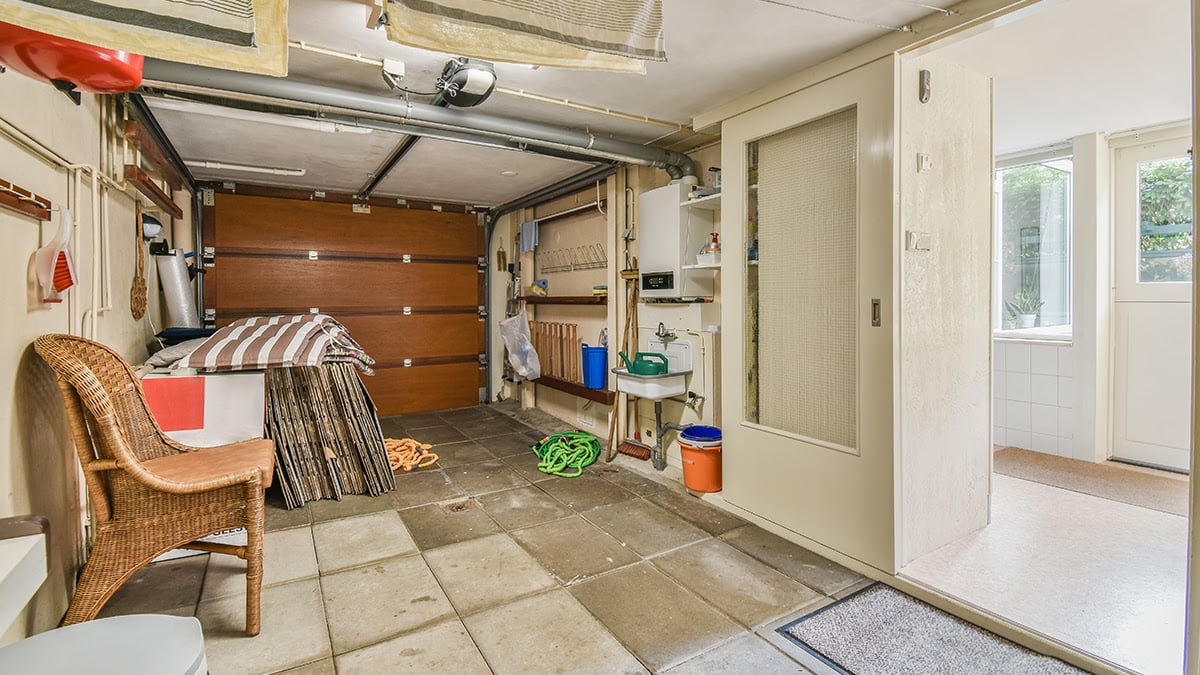
In some homes, there’s a transitional space between an exterior and interior, which serves as a mudroom. Taking over some of this space for a half bath can fit the bill. Other homes might not have that space, or not have the space to spare. In these cases, building out into the garage and enclosing some space, sort of like a mini-addition, can serve the same purpose.
Converting some garage space does mean you lose that garage space, but often, garages have extra space to go around already.
Use Space Under the Stairs
A surprisingly common place to put a new half bath is in the space under a staircase, in multi-floor homes. Sure, it’s a bit of an awkward space, being a triangle, but that space is going to be awkward no matter what’s in it. If all you’re sacrificing is some awkward linen storage space, a useful, if cramped, half bath is going to be an improvement.
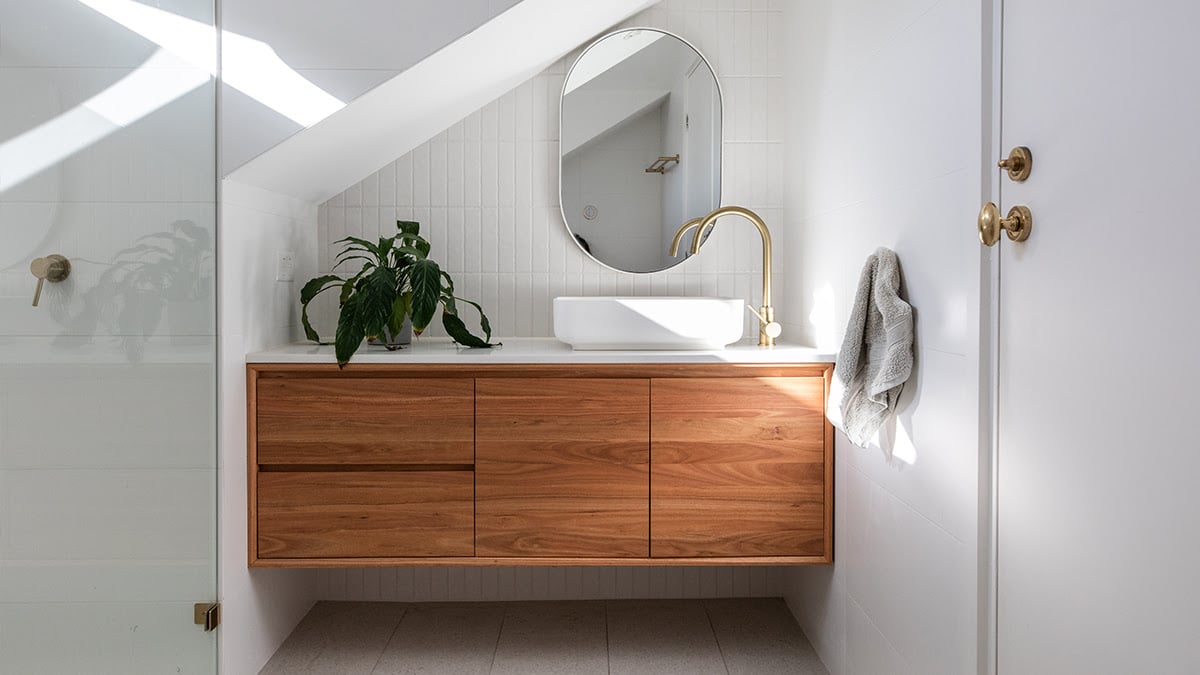
One downside is that these under-stair spaces tend to still be pretty short, so if you or your family run on the tall side, it can be an unpleasant space.
Convert a Bedroom into a Master Suite
We already mentioned converting a closet into a half bath, but why not take it one step further? A bedroom with a walk-in closet can sacrifice that closet and turn it into a half bath, or even a three-quarter bath, which is a half bath with an added shower. Turning your bedroom into a whole bedroom suite (and thereby earning it the designated master suite status) can be exceptionally convenient and add even more value to the home.
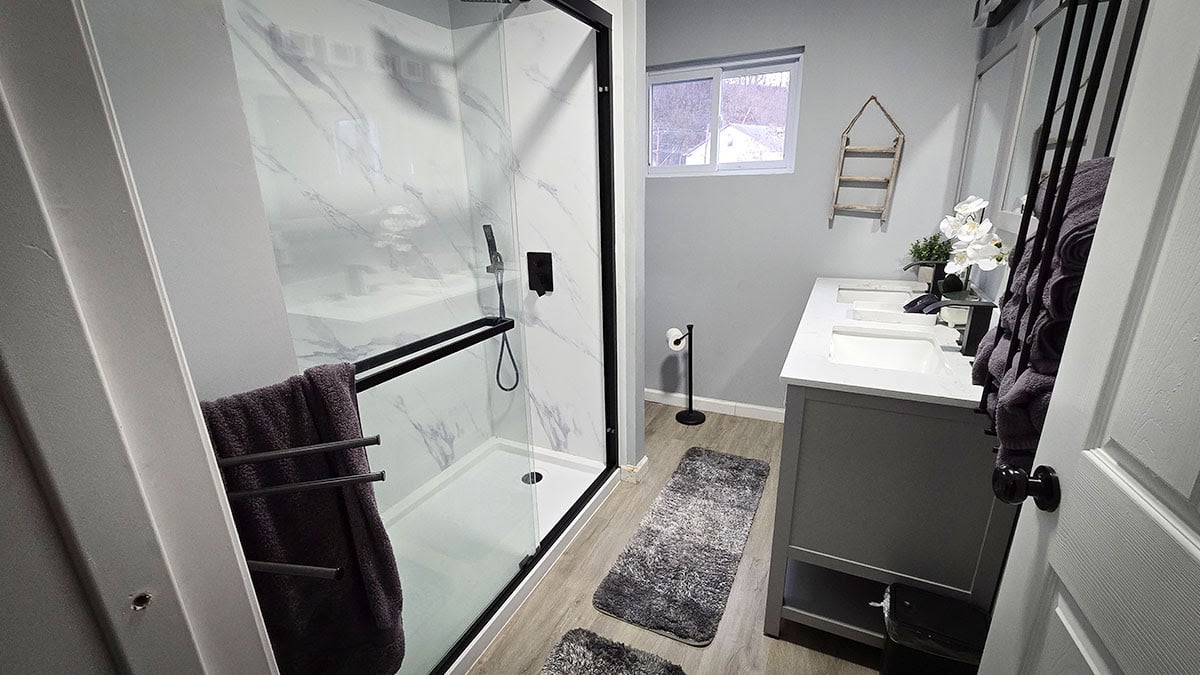
As always, the biggest loss is in storage, but that can be made up for in other ways. A sufficiently large closet can make for a very luxurious en-suite and offer some much-needed privacy in a family home, to boot.
Find Space in the Basement
Adding a half bath to a basement is also a somewhat common option, especially if you’re intending to finish your basement and convert it into more usable space. Adding a bathroom first can make the space more functional and give you more ideas for the rest of the space around it.
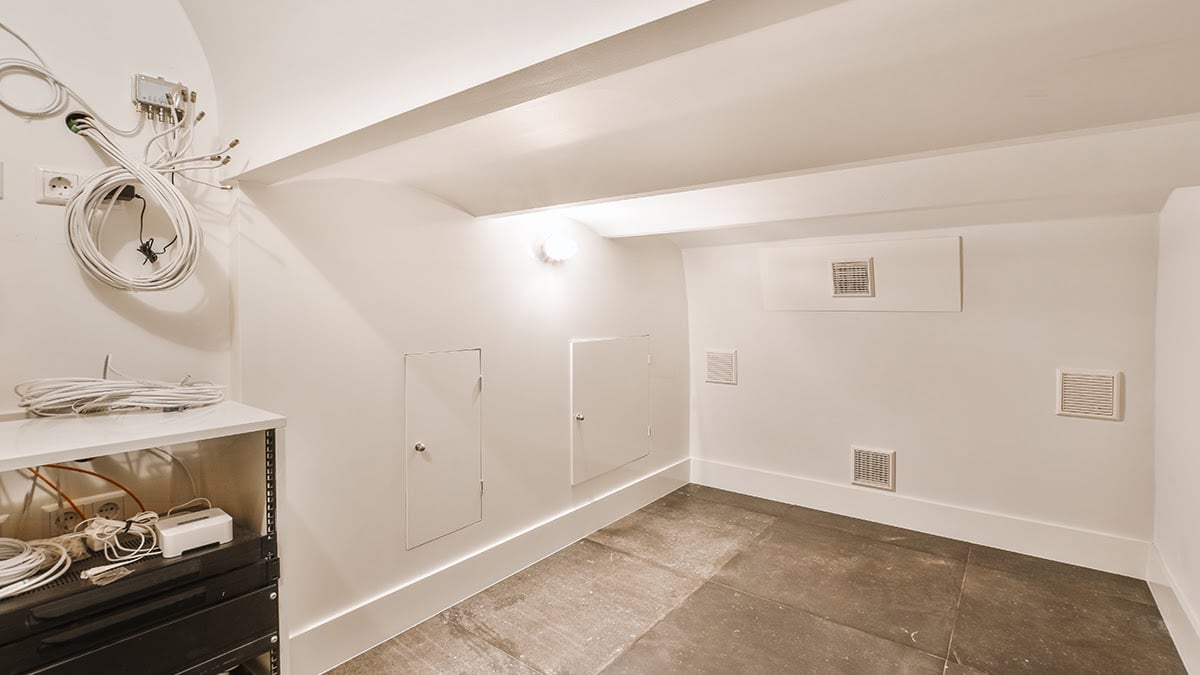
The biggest challenge with a basement-level bathroom is drainage. If your toilet and sink drain lower than the level of the drain exiting your home, you’ll need an added installation: a sewage ejector pump or similar system. These move wastewater from below egress level to the drain out of the home, but they do add to the cost of the addition, and are another part system that will require maintenance over time.
Remember, all of these ideas are just that: generic ideas. What matters is what works for your space, and that’s something we can help with. If you’re looking to add a half bath to your home and want to know what we think about where it can go, drop us a line and let us know.
Mistakes to Avoid when Adding a Half Bath
Whichever idea for a location appeals to you, there are some mistakes you might make without even realizing you’re making them. If we’re doing the remodel for you, we’ll help you avoid them, but if you’re still just considering the project, it can be a good idea to know they could be coming down the pipe.
One big one is forgetting about how the door will work. Have you ever seen one of those videos of a new bathroom where the door won’t open fully because the toilet is in the way? Sometimes, all it takes to avoid this is a different toilet design or a different orientation, but it’s something that might not be obvious until you’re past the point of an easy fix.
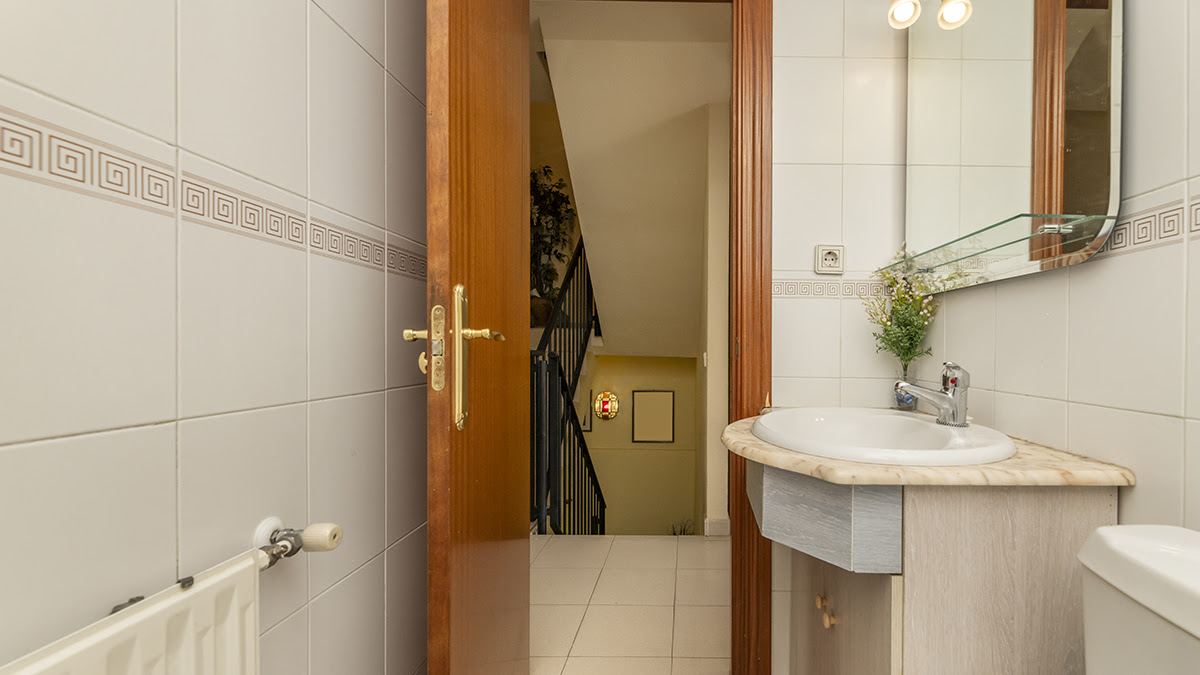
Another easy mistake to make is wanting too much out of your half bath. These powder rooms are meant to be utility-first rooms, making use of space that’s available. Trying to cram too much into them or make them into a bigger fixture of the home than they warrant is a recipe for disaster.
As far as location is concerned, putting your half bath in a high-traffic area can also be a bit of a blunder. Even if the location is adjacent to a high-traffic room like a dining or living room, it might be worth changing where the door is so it opens into a lower-traffic area instead.
Finally, cost is always going to be a concern, but with a half bath, you can do a lot with your choices. Even something as simple as sacrificing fancier fixtures can cut costs significantly for a project of this size. Focus on utility first.
Don’t worry; we’ve got it under control. If you’re looking to add a half bath to your New Jersey home, we’re happy to work with you. We’ve done countless bathroom projects in the area, and we don’t plan on stopping any time soon. Let us help you with your bathroom project, and we’re certain you’ll be happy with the finished result.