Paint that peels near the ceiling and that musty smell that won’t go away are signs of moisture that gets trapped inside your bathroom walls, and it damages the wood framing as it feeds mold growth. When you don’t have enough air circulation, humidity from your showers soaks into the drywall and insulation, and condensation collects on surfaces that can’t take care of the constant wetness.
Plenty of New Jersey homeowners run into a problem when they try to fix these ventilation problems. Standard exhaust fans that mount to the ceiling need easy access to the attic and to ductwork paths to the exterior walls. Historic homes with plaster ceilings, additions that were built without any attic space or bathrooms under cathedral ceilings just don’t have those options. Electricians will tend to tell you these jobs are too hard, or they’ll give you a quote so high it makes you wonder if you should just live with the steam and the mildew instead.
The right ventilation solution depends on what your bathroom layout can handle. Through-wall units, combination fixtures and humidity controls can each solve different installation problems as they still meet New Jersey’s building code. Each option takes care of the same core problem – it removes moist air before it damages your home. What works depends on the ceiling access, the wall thickness, the electrical capacity and the exterior vent options.
Let’s talk about this!
Why New Jersey Bathrooms Need Special Ventilation Attention
New Jersey homes face humidity problems all year long – the summers are muggy and sticky, and winters mean that every window stays closed for months at a time. All of that moisture has nowhere to go unless you’ve planned ahead for it.
When all that moisture gets trapped inside your bathroom walls, it slowly starts to eat away at the materials that make your home strong and stable. Wood framing can rot from the inside out, and you might not see any damage until you’re looking at a pretty expensive repair bill.
Mold is another big concern because it loves the damp spaces behind your walls where you can’t see it. Your insulation also takes a hit – once it absorbs the moisture and stays wet, it just doesn’t work nearly as well as it should.
Older New Jersey homes make this a bit tougher here. Many of them were built long before modern ventilation standards existed. Builders back then had very different ideas about airflow and moisture management. If you don’t have some sort of upgrade, it can be tough to control the bathroom humidity at a healthy level.
The great news is that you have a few ways to add bathroom ventilation even when your home wasn’t first built with it in mind. Each option works with different home layouts and budgets to move moisture out before it becomes a big problem.
Through-Wall Fans When Ceiling Access Is Limited
Through-wall bathroom fans work well for situations where you don’t have attic access and need to add ventilation. Each unit gets mounted right into an exterior wall and pushes the air straight outside without any ductwork that needs to run through your ceiling. When a ceiling fan just won’t work, this is probably your best bet.
Old homes with plaster ceilings are a great example of this – nobody wants to tear those apart just to install a fan. Cathedral ceilings are another solid use case because there’s literally no attic space above them to run any ductwork through. Room additions can run into this same issue, especially when they’re built on their own foundation and separated from the main house’s attic. The installation is pretty simple – you’ll cut a hole in your exterior wall to line up with the size of the fan housing. Once it’s in place, the unit mounts flush against your bathroom wall and vents everything straight to the outside. Most models have a damper built in and it automatically closes when the fan shuts off so cold air can’t leak back into your bathroom.
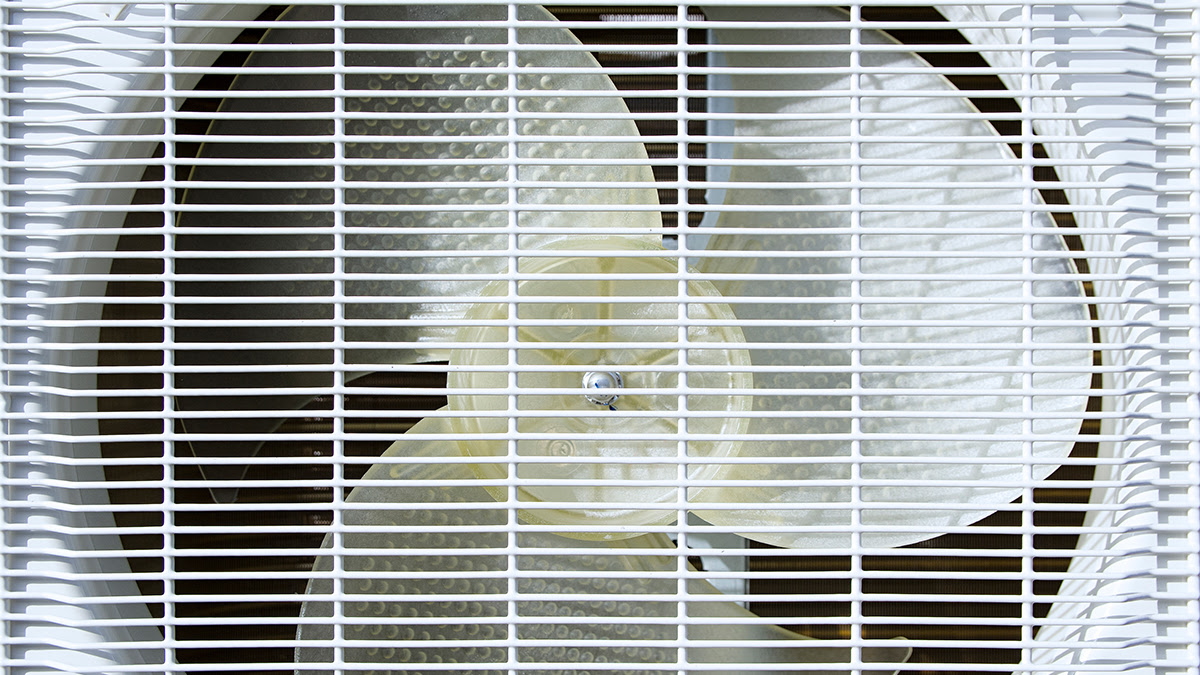
The CFM ratings on these fans usually run between 50 and 110 and that depends on how big your bathroom is. For reference, that’s about the same airflow you’d get from a standard ceiling-mounted model. What changes isn’t really the amount of ventilation – it’s more to do with where the air goes and how you get the unit in place.
One of the biggest upsides is that your ceiling stays untouched the whole time. This comes in useful if you want to preserve a finished ceiling, or when there are beams or other obstacles in the way that would make a ceiling installation a lot harder. In either case, you end up with solid ventilation in your bathroom and you don’t have to demo half of the room to get it.
Combination Light and Fan Units for Small Spaces
A combination fan unit does just what it sounds like – it bundles a few different functions together in one single fixture. For smaller bathrooms, that’s a smart choice because you’re able to add multiple features and you won’t use up all of your ceiling space.
Many of these units have built-in heaters and they’re great when you’ll have to warm up the bathroom on a cold morning. Plenty of models also have night lights built right in, so you can see your way in the middle of the night and you won’t have to flip on the harsh overhead lighting. There are even some options with bluetooth speakers if you want to play music as you get ready for the day.
One of the best parts about a combo unit is how much easier the electrical work turns out to be. You only need to run the wiring to one fixture instead of separate circuits for a fan, a heater and a light. The installation takes less time and you don’t have to cut nearly as many holes in your ceiling to make it all work.
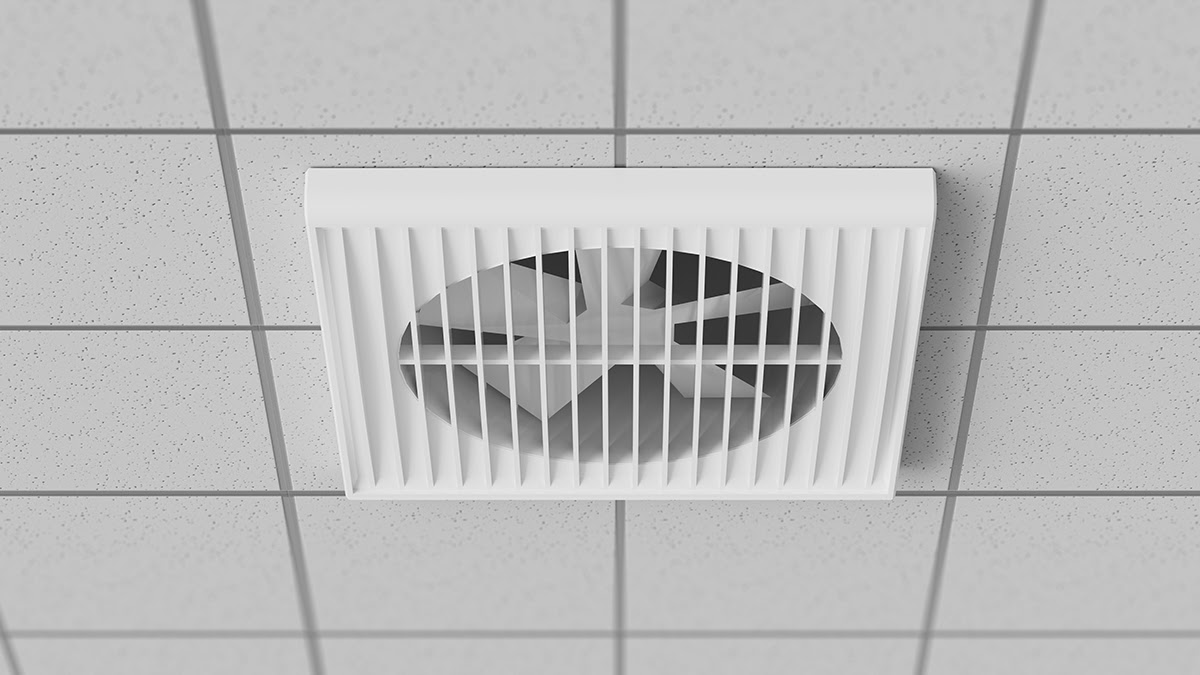
Bathroom fans used to be very loud – almost obnoxiously so. Combo units are much quieter compared to what homeowners remember. Fan noise is measured in something called sones and the newer models run at between 0.5 and 1.5 sones. To put that in perspective, that’s about as loud as a refrigerator that runs quietly in the background.
Combo units are especially useful in older New Jersey homes where the bathrooms weren’t built with much square footage. When your ceiling space is limited, a combo unit lets you add proper ventilation as you still keep all of the other features you actually want in there.
Smart Humidity-Sensing Ventilation Systems
Bathroom fans that turn on by themselves are really helpful because they take the thinking out of your ventilation needs. These automatic systems use moisture sensors that can detect when humidity levels start to rise during a shower or bath. Once the sensor picks up on that moisture, the fan kicks on by itself and then shuts off once the air goes back to normal levels.
This type of setup solves two common problems that most homeowners run into. First you don’t have to remember to flip the switch before you hop in the shower. Second you also don’t have to worry that your fan will run for hours on end because everyone forgot to turn it off.
Timer switches work a little bit differently. But they give you a similar benefit. A lot of homeowners set them to run the fan for about 15 to 30 minutes after someone has used the bathroom – it’s usually enough time for the fan to get rid of all of the moisture without it staying on and using up electricity for the rest of the day. The best part is that both types of controls are compatible with the fans that you already have in your home. You can retrofit them onto your existing setup or you can add them when you install a new fan. In either case, the installation is fairly easy and shouldn’t be too difficult.
Another benefit is the energy savings that build up over time because the fan only operates when you actually need it to. A bathroom fan that stays on all day burns electricity and puts extra wear on the motor (and nobody wants to have to replace that more than necessary). Advanced switches can take this concept a step further if you want to connect your bathroom fan to a home automation system. From there, you can check on the status from your phone or program in custom schedules that line up with your everyday routine at home.
New Jersey Building Code Requirements
New Jersey has some pretty strict rules when it comes to bathroom ventilation, and you should know about them before planning any bathroom renovation. Most bathrooms are going to need some way to move the fresh air in and out.
Going with a window for your ventilation? It needs to be the right size and needs to be able to open up wide enough to work. A really small window that only cracks open a few inches won’t cut it. Your local building department will have the exact measurements that they want to see for your area. Installing a fan instead means its size is going to matter quite a bit. The fan size should line up with your bathroom. The bigger the bathroom, the stronger your fan is going to need to be to move enough air around.
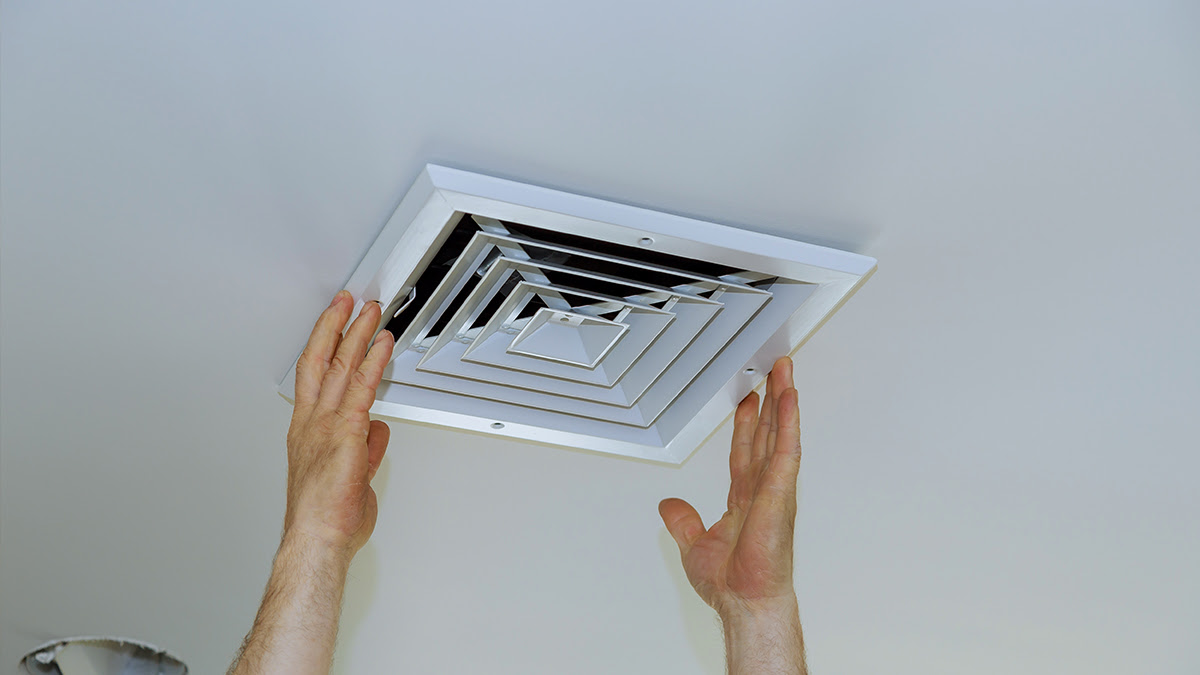
These laws are in place for a good reason. Bathrooms create loads of moisture every time that you take a shower or a bath. If you don’t have a reliable way to get rid of all that humid air, you’re eventually going to wind up with some mold or mildew on your walls and on your ceiling. Over time, all that moisture will start to damage the structure of your house.
Home inspectors also tend to check out the bathroom ventilation when they walk through a house. They’ll flag issues like fans that are way too small for the space or bathrooms that don’t have any ventilation system at all. This helps homeowners to see what needs to be fixed or upgraded to meet the code before they buy (or sell).
Our Professional Fan Installation Process
Every bathroom is a little different, so the ventilation setup that works well in one of them might not be the right fit for another. When we show up for an installation, the first step is always to check out what you’ve already got and find the best place for your new fan.
Your electrical system is always first on our checklist. Many older homes around New Jersey still have outdated wiring, and we need to take care of that before we can safely install anything new. We also take measurements to figure out how much airflow your bathroom actually needs, based on the square footage. Once we have those numbers, we can recommend a fan with the right CFM rating to get the job done right.
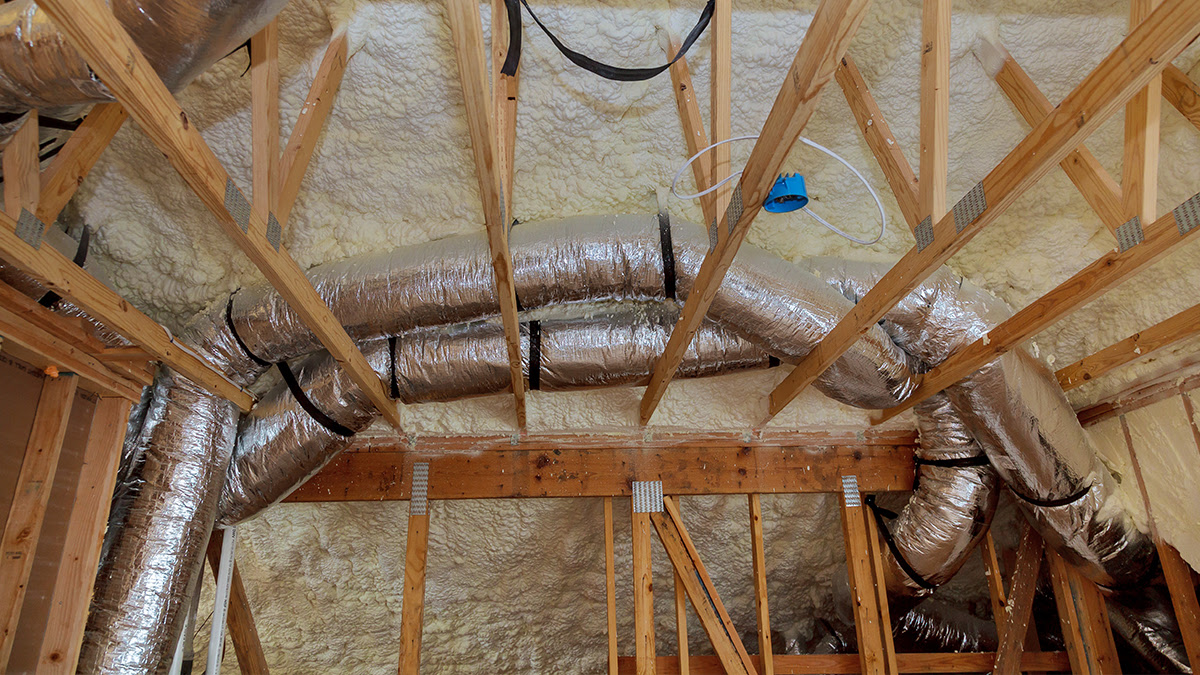
From there, we map out the best path for the ductwork. We try to find the shortest and most direct way that we can. Sometimes the best option is to run it up through the roof, and other times it makes more sense to go out through an exterior wall.

Older homes usually have a few extra complications that we account for before we even start. Knob-and-tube wiring should be replaced in any area where your contractor is doing the work. We also make it a point to insulate around any new vent pipes that pass through unconditioned spaces. If you don’t have that insulation, condensation can build up inside of the ductwork when winter rolls around, and nobody wants to handle that mess.
Most installations take us around half a day from start to finish. We do what we can to keep the mess contained to one area, and we always clean up from top to bottom before we pack up our tools. Just keep in mind that you’ll probably be without power in that bathroom for a few hours as we take care of the electrical connections.
Our work comes with a warranty that covers parts and labor. And we’re always just a phone call away for any questions or adjustments later on.
Contact Our Team Today to Start Your Project
This is about how to protect your family’s health and keep the long-term value of your home safe from moisture damage that can creep up slowly and cost thousands to repair. A through-wall fan might make sense if you have limited access to the ceiling, or maybe a combination unit would be better if you work with a smaller bathroom and need to save space. Some homeowners like a humidity-sensing system that monitors the conditions automatically and adjusts as needed. Each one of these choices has different strengths, and which one makes the most sense for you depends on what your particular bathroom needs and how your home was first built.
A ventilation setup that works great in a single-story ranch might not be the best fit for a historic two-story colonial. It isn’t easy to figure this all out on your own, and an experienced team can make a big difference when you try to weigh the options. You shouldn’t have to guess about the electrical capacity or worry about whether the joists can support a new fan installation.

Our team at Magnolia Home Remodeling Group has worked with New Jersey homes of every age and style for decades, and we know our way around the local building codes and housing stock. When you’re ready to schedule a consultation, it’s helpful to have your bathroom dimensions ready to go, along with a few photos of the space and any information that you have about the electrical limitations or past moisture problems. We’ll go over the options together and help you find a ventilation setup that fits your budget, your bathroom and your family’s needs.
Give us a call, and we’ll make sure that your bathroom stays healthy, comfortable and protected for years to come.