Your patio in New Jersey has to put up with weather that swings from freezing cold winters to hot, humid summers and then back around again. Every season brings its own set of problems that can damage your outdoor space without proper protection. Water gets into small cracks and then expands when the temperatures drop below freezing. Near the coast, salt air will corrode metal furniture over time. During the summer months, all that humidity creates the perfect conditions for mold to grow on wood and fabric surfaces. And when storm season rolls around, strong winds can damage or destroy anything that’s not anchored down well.
Plenty of homeowners watch their patio surfaces crack and break apart after just a couple of harsh winters. Some find that their patio furniture starts to fall apart fast, or they discover pools of standing water that could eventually cause problems with their home’s foundation. All these problems cost real money to repair and in a lot of cases, you’ll have to replace materials much sooner than you should have to!
What matters most is handling protection across a few different areas instead of just one element at a time. Your patio really needs solid drainage systems in place to move the water away from your house. The materials you choose have to be able to stand up to those dramatic temperature changes from season to season.
Adding a roof or cover overhead will block out the harsh sun and heavy rain. Windbreaks will cut down on the force from those coastal winds. All these pieces work together to make your outdoor space last longer and stay usable all year long.
Let’s talk about the best ways to shield your patio from New Jersey’s tough weather!
Harsh Weather and Your New Jersey Patio
New Jersey has some pretty wild weather swings from season to season, and your patio furniture needs to survive all of this – brutal winters, sticky summers and everything in between.
Winter is when the freeze-thaw cycle wears down outdoor spaces. Water sneaks into the small cracks on your patio surface, and when the temperature drops overnight, it freezes. Ice expands as it forms and forces those hairline cracks to grow wider and wider. Over a few winters, this causes real structural damage to concrete or pavers.
Summer months bring very different challenges. The New Jersey humidity gets oppressive, and wood furniture absorbs all of that moisture right out of the air. Give it enough time and you’ll start to see mold or mildew creep in. Metal frames rust faster in humid conditions compared to dry climates out west. Even your outdoor cushions and fabric covers will stay damp for days after a storm rolls through.
The storm season is a whole separate issue to plan for. Nor’easters hit pretty hard with heavy rain and strong wind gusts and can damage your outdoor setup very quickly. Light furniture needs to come inside when the bad weather is on the way, and heavier pieces should be anchored down or secured somehow.
The coastal areas have another problem – salt air that speeds up corrosion on just about every outdoor material and can ruin protective finishes way faster than you’d experience a few miles inland. Add in the intense shore sun that beats down all summer and your furniture wears out even faster.
All of these conditions explain why the material choice matters a lot for outdoor furniture in New Jersey. Something that lasts for years in the middle or northern counties might fall apart fast at the beach.
Materials That Handle Your Toughest Weather
New Jersey weather is rough on outdoor spaces all year long. Humid summers and freezing winters leave their mark on whatever materials you use. There are plenty of options that hold up to these conditions without falling apart.
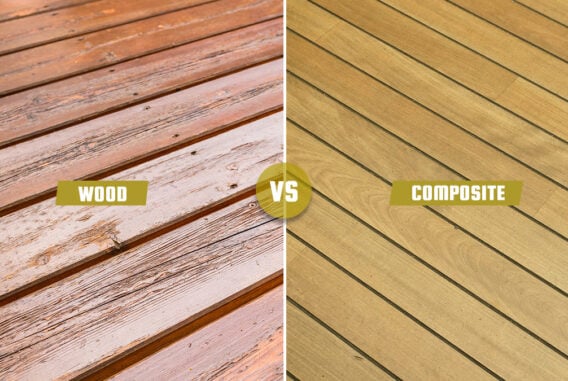
Composite decking has become pretty popular because it won’t warp when the humidity gets high. Traditional wood looks beautiful – there’s no question about it. But it needs more care as the years go by. You’ll want to think about how much maintenance you can realistically deal with before you pick one material or another.
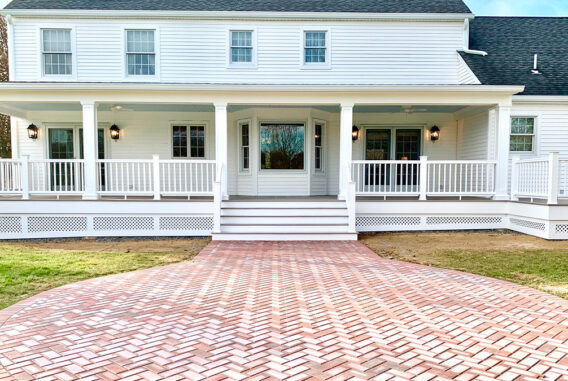
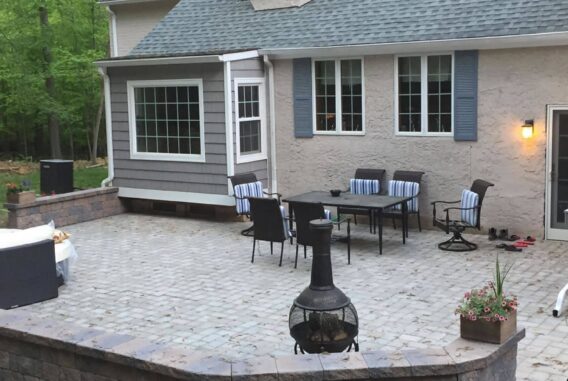
Paving materials respond to our weather in their own ways. Natural stone and concrete pavers work well for New Jersey patios. But they’re not identical. Every winter we go through freeze-thaw cycles that can crack some materials as others deal with the temperature swings just fine. A local contractor who knows the area can talk about which option makes the most sense for your yard.
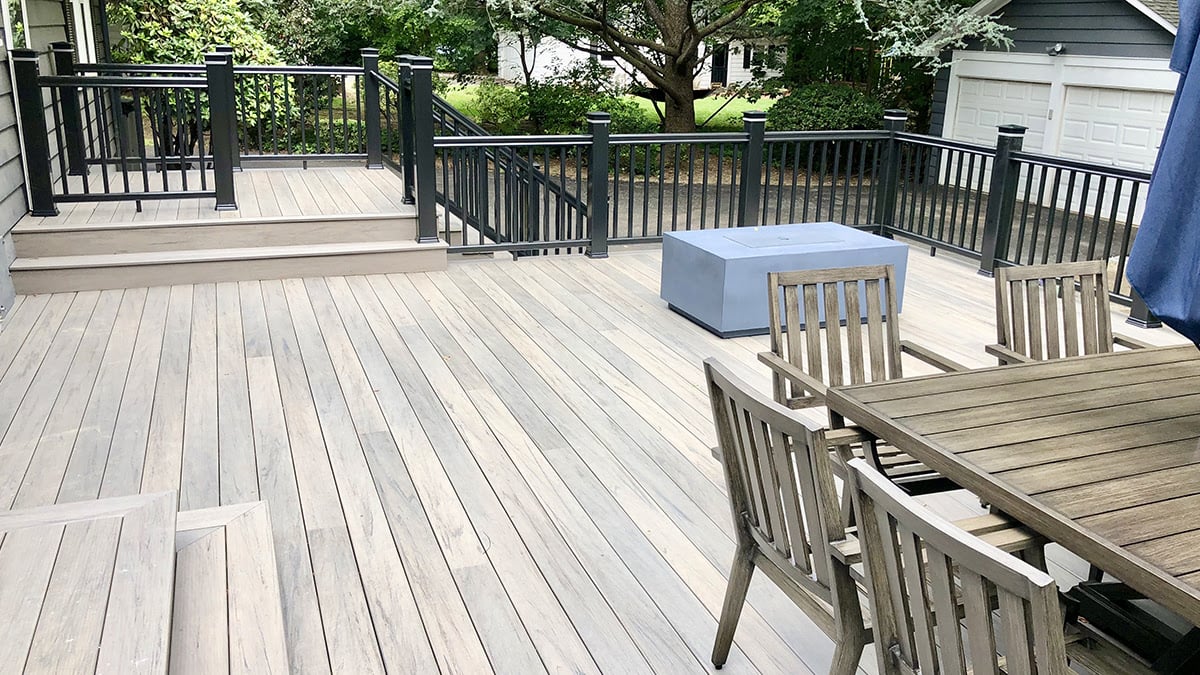
Coastal homeowners need to factor in another challenge. The salt air wears down some materials much faster than you’d see inland. Some metals resist corrosion better than others, and it matters over time. Experience with coastal patio projects matters here, so find a contractor who has built in the shore towns before.
Every material expands and contracts as the temperatures change from season to season. Installation that takes these changes into account can stop the damage down the line. Licensed contractors know how much movement to expect and how to build around it.
Your budget matters. But it can’t drive your choice alone. Materials that cost more up front tend to last longer and mean less maintenance and fewer replacements over the years. Think about what you want your patio to look like five or ten years from now and choose materials that deliver on that vision.
Keep Water Away from Your Home
New Jersey gets hit with everything from heavy rain to snow melt throughout the year, and all that water has to go somewhere. Drainage is one of the biggest factors when it comes to keeping your patio and your home’s foundation in solid shape over time.
Your patio should have a gentle slope that directs water away from your house. Anyone can test this with a basic level and measuring tape from the hardware store. Even a small downward angle makes a big difference in how water moves across the surface instead of pooling up against your foundation.
French drains work well if standing water is a constant problem on your property. Installing them below the frost line (around 36 inches in most of New Jersey) helps ensure year-round functionality and protects plastic pipes from freeze-thaw damage – though this isn’t always required. Check with your township about depth requirements before you start digging.
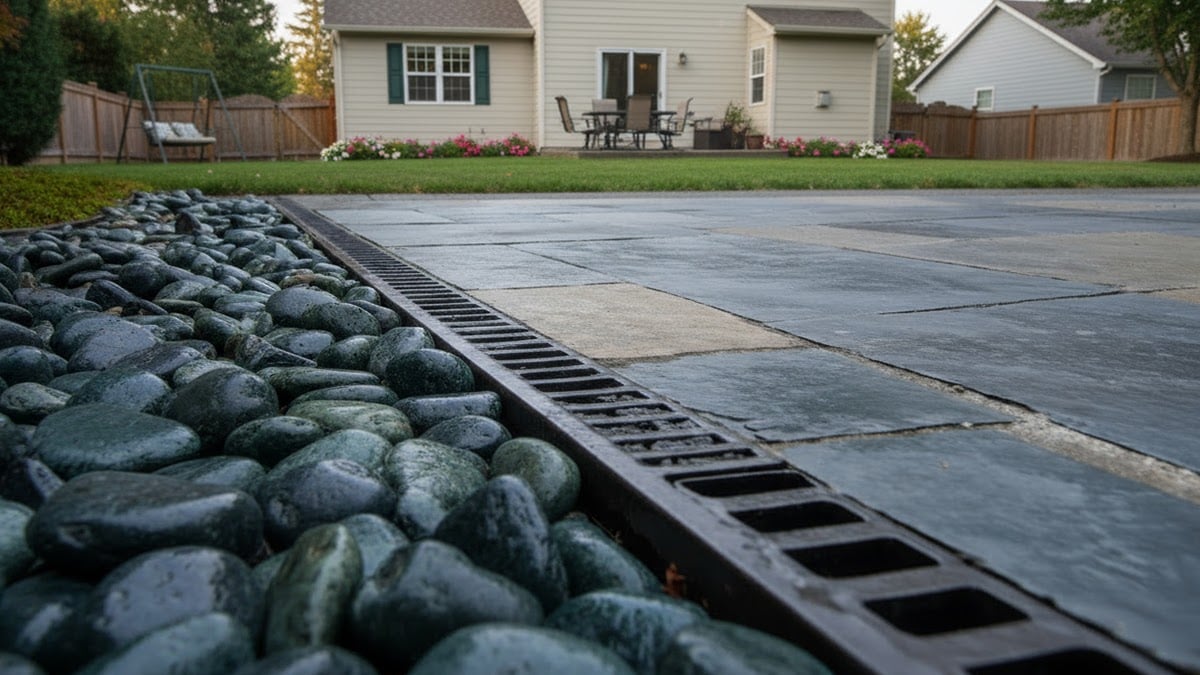
These can work well. But how well they work depends heavily on what type of soil you have underneath. Clay soil is common in many parts of New Jersey, and it drains much slower than sandy or loamy soil. Some extra prep work could be necessary if clay is what you have.
Gutters and downspouts should already be directing roof water away from the patio area. Extensions or underground pipes can help move that water even farther out. The grading around your home matters too, and everything works together to keep water moving in the right direction.
Before you start any project, make sure to talk to your local township about their stormwater regulations. Different towns have different standards about where you can send water runoff from your property, and you don’t want to redo everything because you missed a regulation.
Types of Overhead Protection for Your Patio
A retractable awning is probably what most homeowners think about first when they start to shop for patio coverage. They’re a great option as long as you pick a model that’s actually built to handle New Jersey weather conditions. The main benefit is in the flexibility – you can extend them on beautiful days and retract them when bad weather is on the way.
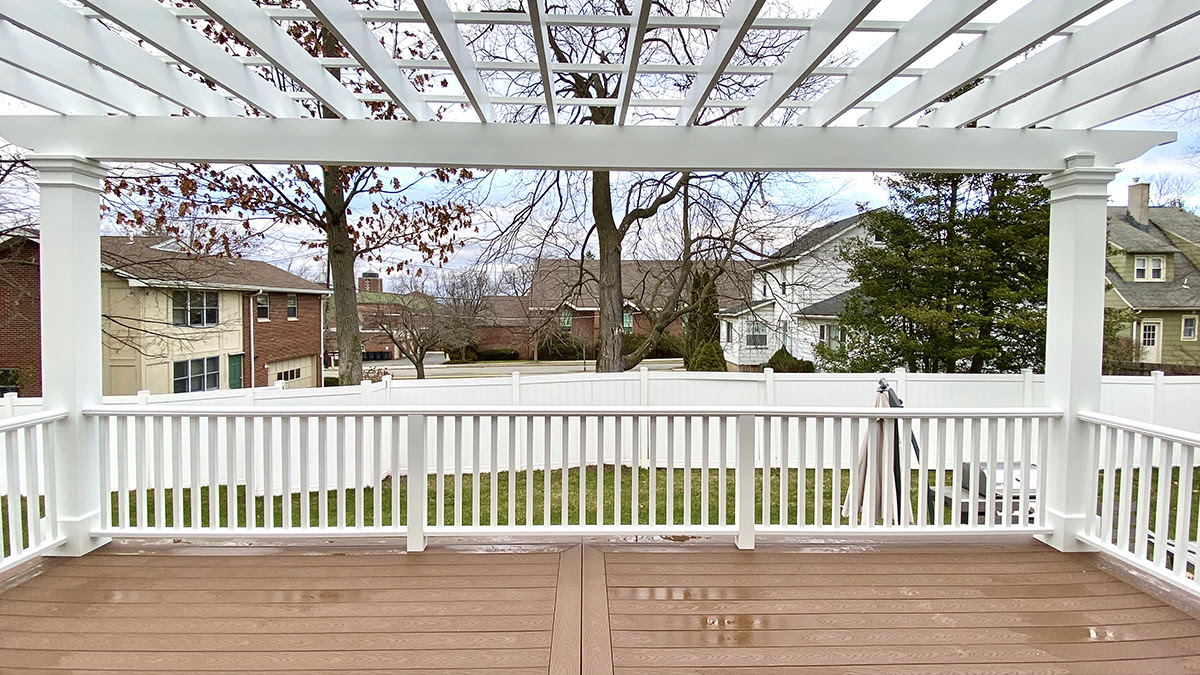
Pergolas are another popular option and they work well if you add weather-resistant roofing material on top. Just remember that whatever material you choose needs to support the snow load that we see around here during winter. Check the manufacturer specifications before you buy it to verify it’ll work for your particular setup.
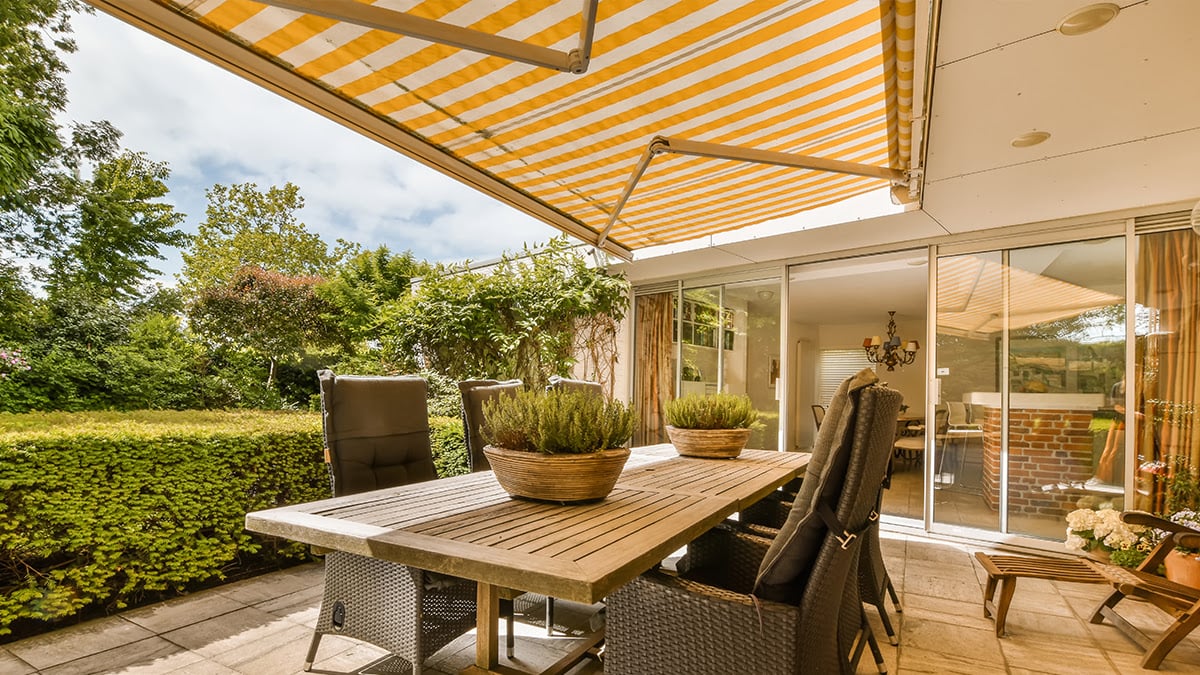
A permanent roof structure could be a better fit for your situation. Year-round protection is the biggest benefit, though you’ll almost for sure need to pull some permits before construction begins. Every municipality has its own regulations, so contact your local building department early in the process to find out what paperwork they need.
Roof pitch is actually one of the most important factors to keep in mind. A steeper slope lets rain and snow shed off instead of piling up on the surface. Your contractor should be able to recommend the best angle based on your patio’s location and layout.
UV protection is another consideration when you look at different materials. Quality covers that block harmful rays will protect your skin and keep your outdoor furniture from fading and wearing out over time.
Airflow is a factor you want to account for in your design. Summers around here can be really humid and moisture that gets trapped underneath will cause some mold growth pretty fast. Your cover should allow air to circulate so everything stays dry and comfortable.
Block the Wind on Your Patio
Your patio cover will take care of the rain just fine when it comes straight down from above. But the wind doesn’t much care about your roof – it just blows right in from the sides and can make it pretty uncomfortable to actually use your outdoor space.
Near the coast in New Jersey, you already know that the wind can get pretty intense throughout most of the year. A bit further inland, it’s calmer. But you’re still going to have plenty of breezy days that can take a nice afternoon and make it less than great.
Your landscape is a smart way to create a natural barrier against the wind. Evergreen trees and shrubs are your best bet because they stay dense and full all year round. Before you go and plant anything, take some time to work out which direction the wind usually comes from at your house. when you know that, you can position your plants to block the wind from those directions.
Retractable screens are worth looking at if you want something more flexible. On calm days, you can leave them open and feel the breeze. But when the wind picks up, you can close them right back up.
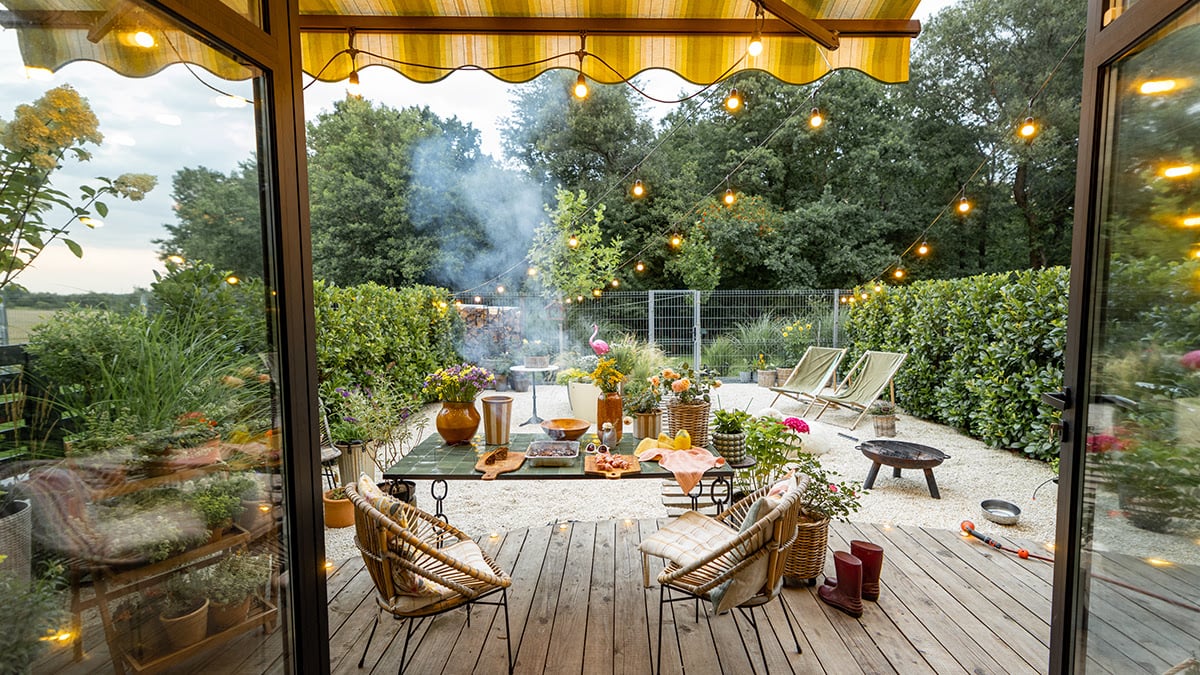
What many homeowners don’t know is that barriers with a little bit of airflow built in to them actually do a better job than solid walls. Putting up something that’s totally blocked off can create weird swirling wind patterns that make things even worse in some areas. Lattice panels and well-placed plants work well because they let some air through as they still block most of the wind.
Before you go and install anything that’s going to be permanent, be sure to check with your local building department first. Every town in New Jersey has its own set of laws covering fence heights and how far back from the property line you’ll have to be. Some projects need permits and others don’t, so it’s worth calling your town hall to find out what applies to your property specifically.
Year-Round Care Tasks for Your Patio
New Jersey weather changes throughout the year, and your patio has to deal with those changes. Late fall is the time to drain the water out of any irrigation systems around your patio area. Any water left in those pipes is going to freeze and expand once the temperature drops low enough. When that happens, you get cracks and leaks that cost money to fix.
Once spring rolls around and it warms up again, it’s a great time to put down a coat of sealer on your paver surface. Make sure to check with your patio manufacturer first though, because not all of them recommend sealing it for their products. Sealers are designed to work within certain temperature ranges, so take a few minutes to read through the instructions before you start. A fresh layer of sealer goes a long way to help protect your patio from the intense summer heat and the cold winter months ahead.
When using furniture covers, make sure not to fasten them down too tight or they can trap moisture underneath. Leave a little gap at the bottom so air can circulate while still keeping most of the rain and snow off your furniture. This small change prevents mold growth and moisture damage during the months when your outdoor furniture just sits there unused.
Outdoor kitchens and water features need some prep work before the first freeze shows up. A professional can come out to disconnect the water lines and make sure that no water is left anywhere in the system. Even just a small amount of trapped water can do serious damage once the temperature goes below freezing.
After winter passes and spring weather returns, take a walk around your entire patio area and look it over for any damage. The ground moves around during freeze-thaw cycles, and the sealed joints tend to need a touch-up. Clean out the leaves and debris from your drainage areas so water can move through freely. It’s also worth double-checking which ice control products work with your patio material, because some deicers will damage certain surfaces if you use them over and over. Your installer or manufacturer should be able to tell you which products are safe to use for your setup.
Contact Our Team Today to Start Your Project
Your outdoor space needs attention through every season, and it all depends on what you’re up against. New Jersey weather brings plenty of issues – humidity, freeze-thaw cycles, coastal salt air and a whole lot more throughout the year. A well-planned patio turns into a place that you actually want to spend time in – not an endless repair project.
The surface materials, the water drainage across your property, the wind and rain barriers, the regular maintenance – all of this matters quite a bit. When you do all of them right from the beginning, it determines how everything turns out later. Working with contractors who understand local weather patterns and building codes makes the whole process far easier to manage.

Magnolia Home Remodeling Group has spent more than three decades helping New Jersey families create outdoor spaces that handle whatever weather conditions come their way. Our team knows what works in this climate whether you’re planning a brand new patio or upgrading your existing one – we’ve been doing this work right here in your community for years.
Download our free planning guide or schedule a consultation at no cost to talk about what your outdoor space needs. We also have flexible financing options for qualified New Jersey homeowners. Give us a call now to learn how Magnolia Home Remodeling Group creates outdoor living areas that stay beautiful through every season!