When the houses all around you are clad in vinyl, stucco, brick, or shakes, it’s easy to see your home following suit. But what if we told you there’s another option worth considering? Board and batten siding is growing in popularity, and you may have heard of it before. But is it right for a home in New Jersey, and more importantly, is it right for you?
It’s not necessarily an easy question to answer, so let’s talk about it.
What is Board and Batten Siding?
First, the basics: what even is board and batten siding?
Board and batten siding is a very old style of cladding for the exterior of a building, originating at least several hundred years ago in Scandinavia. It first made its way to America in the 1700s, so it really has been here as long as Europeans have.
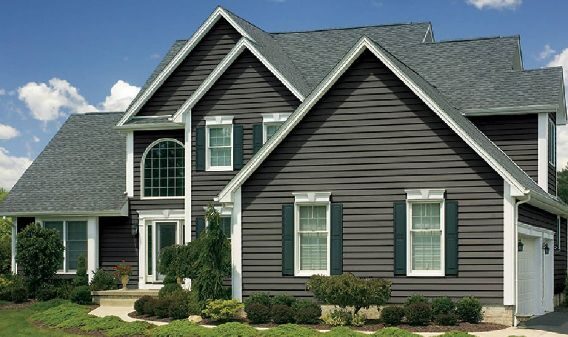
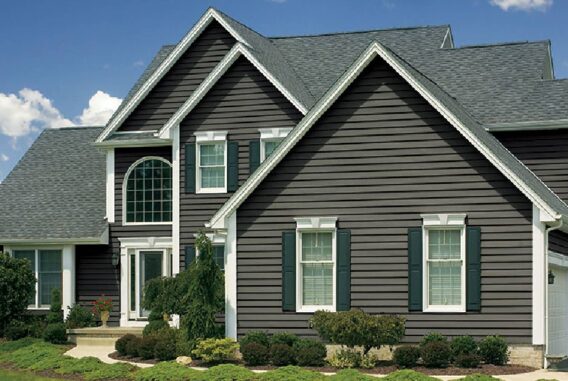
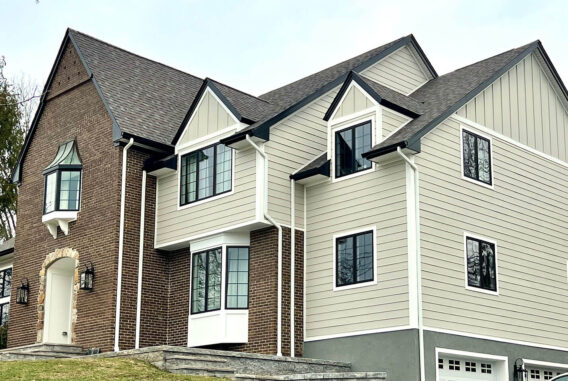
Board and batten siding is a combination of two elements, the board and the batten. The boards are broad and long, usually between 6 and 12 inches wide and as long as they can be for the space they’re in. These boards are installed vertically, rather than horizontally, the way a lot of modern siding is installed.
Typically, these boards were made out of old-growth wood, which could be harvested and installed basically on site. Simple, long, straight boards didn’t need complex tools to make, so it was a simple and inexpensive way to create cladding during new home construction.
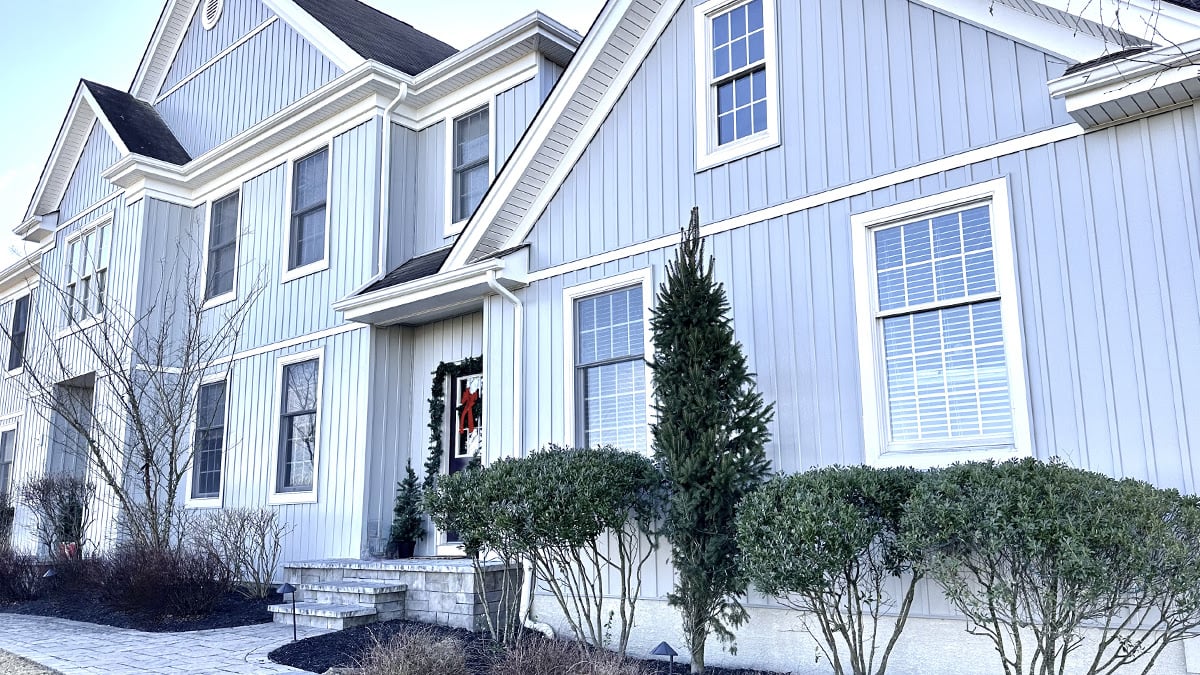
Since wooden boards can expand and contract with temperature and moisture, they couldn’t be pressed against each other and sandwiched in tight. Instead, they’re left with a small space in between to give them room for that shifting.
Gaps in your cladding are a recipe for disaster, though. From moisture to insects to all kinds of environmental crud, anything could get in through those gaps. So, the gaps were covered. Thin vertical strips of wood, usually 2-3 inches wide, would be tacked over those gaps. Those thin boards are the battens.
To finish off the aesthetics, header and footer boards are also installed to cover gaps and provide a uniform aesthetic to the surface being clad. The horizontal elements also align with rooflines, windows, and other elements of the home for more visual interest.
While vintage board and batten siding was made of wood, modern siding doesn’t need to be limited to just wood as a material. While wood is still available, engineered wood products, composite, vinyl, and fiber cement options are all available as well. Most of these still look like wood, but are more durable and resistant to the elements.
What Are the Benefits of Board and Batten Siding?
Board and batten siding is a very old style, but it has been seeing a resurgence in recent years, both here in New Jersey and elsewhere in the country. A lot of vintage older buildings in New England use board and batten because of that history, and more modern buildings are using it to attain that classic, timeless look with a hint of modern sensibility.
The style definitely has some benefits over other kinds of siding you might want for your home.
It has a strong visual appeal. Very few styles of siding in use today have a vertical design aesthetic. The tall, vertical boards and narrow battens combine for a stark visual design that stands apart from other buildings with horizontal siding designs. Certain types of homes, particularly farmhouse-style and craftsman homes, particularly suit the design.
Additionally, the vertical alignment can make a home feel taller and can draw the eye towards upper-level features and architectural design elements.
It’s very durable. Board and batten is a historic design for siding that has withstood the test of time. It’s very resilient against freeze-and-thaw cycles, against high winds, and against moisture intrusion, as long as it’s cared for properly. It can also be surprisingly insulating, helping to improve the energy efficiency of your home in both the seasonal highs and lows.
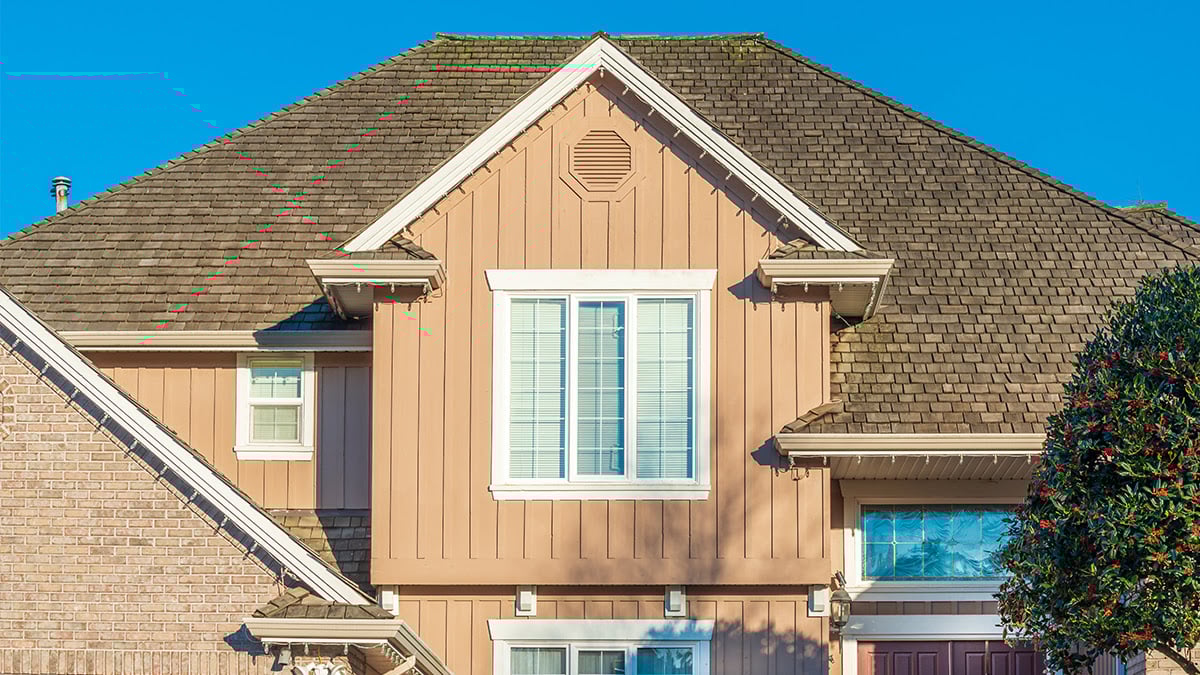
It’s easy to install. Board and batten is a very simple design, and it takes nearly nothing in terms of effort to install it properly. A center point, a level, some simple measurements, and some nails are all it really takes. Imperfections in real wood are easily hidden behind battens, and more modern composite or synthetic materials make it even easier. It has all of the appeal of rustic wooden cladding, with none of the hassle of installation.
It’s easy to repair and maintain. Since board and batten is just vertical boards and battens covering the seams, if one of those boards or battens is damaged, it’s easy to repair. Pull off and replace a batten, or pull off a couple of battens and replace a board, reinstall the battens, and it’s all good. Maintenance (material-dependent) is easy too. Even cleaning is simple compared to more complex siding options full of gaps, seams, and cracks.
It’s growing in popularity. Whether you want to have the most appealing home on your block or you’re looking to sell and need to replace your siding with something eye-catching and appealing to homebuyers, board and batten siding is a great option. It’s uncommon enough that it stands out, but it’s gorgeous, timeless, and appealing. It’s likely to be a value-add beyond other siding methods, depending on the audience looking to buy.
In fact, board and batten siding is a high-ROI home renovation project. While it doesn’t clear the 100% hurdle (most home renovation projects don’t either), it tends to have a 70-90% return on investment, especially with the right choice of materials. That means for every $1,000 spent on new siding, you can expect $700 to $900 in added value to your home. Not bad!
Are There Drawbacks to Board and Batten Siding?
Every option you might pick for siding will have benefits and drawbacks. Board and batten siding is no different. There are a handful of drawbacks to this kind of siding that it’s worth knowing, so you can make an informed decision for your home.
It’s a little more time-consuming to install properly. It’s not difficult to install, but it does require measuring, cutting, positioning, leveling, and securing a lot of individual boards and battens. That said, it’s still in the middle of the road; some of the more complex kinds of siding, like shakes or masonry, can be even longer to install.
We’re generally talking about a difference of just a day or two compared to something like vinyl. However, it does also depend on specifics about the siding. How wide the boards you choose are, whether you’re mixing different kinds of siding and limiting your board and batten to certain areas, and even the size of your home as a whole, will all have an impact.
Most siding projects are only going to take 1-2 weeks, and that includes all of the tear-down, sub-surface repairs, surface preparation, and siding installation. Whether you go with board and batten, a lap siding style, or something else entirely, the timelines are surprisingly similar.
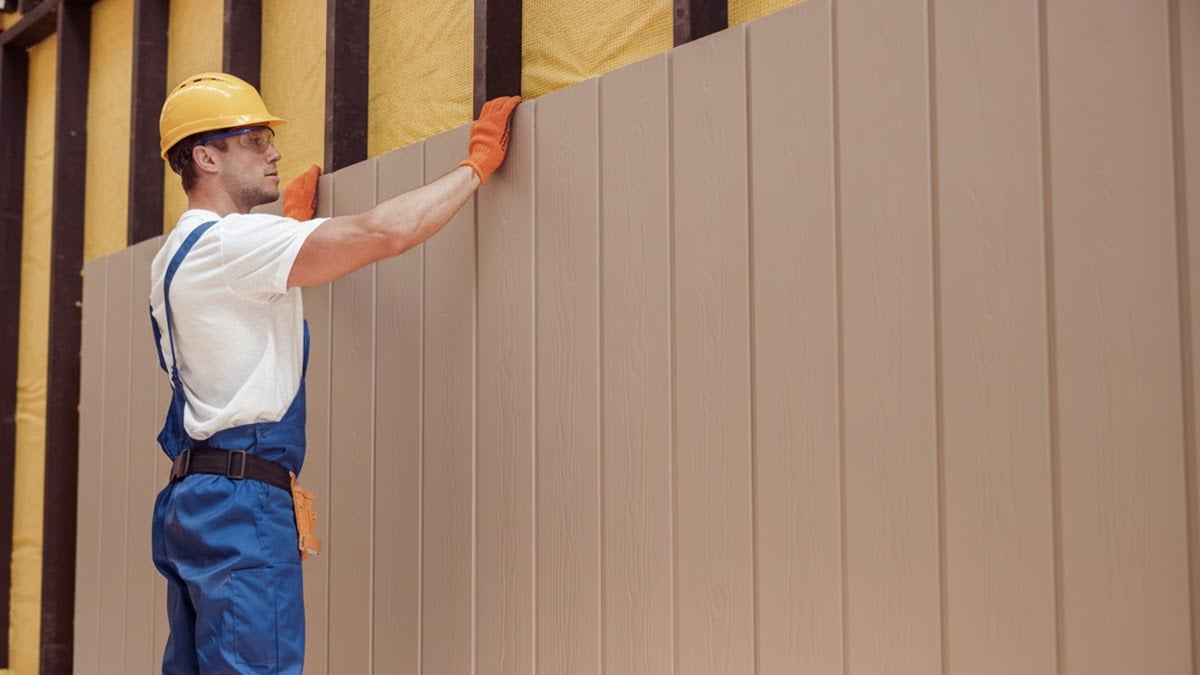
It’s slightly more expensive. This is, again, placing board and batten somewhere in the middle. Basic vinyl lap siding can be around $2 to $8 per square foot of siding. Board and batten clocks in generally somewhere in the $4 to $12 per square foot range. More complex siding styles like cedar shakes can run you $6 to $15 per square foot. Masonry siding can run you $10 to $50 per square foot.
All of this varies by material, as well. Pure wooden siding of any type is going to be a different cost than a fiber cement material or a vinyl material. Even different product lines within a type of material will make a difference.
Often, board and batten is viewed as around 10% more expensive than comparable horizontal siding options. A little of that cost comes from materials, and some comes from labor.
You only have limited customization options. Board and batten doesn’t have a lot to it, so there’s not a lot you can change to customize the look and feel of your siding. The width of the boards, the size of the battens, the color it’s all painted; these are pretty much the only options you have. It can also be challenging to find the boards and battens in the right colors and material combinations, depending on local availability.
It’s not right for every home design. Board and batten is a broad, tall siding style, and it tends to best suit homes with large faces and tall designs. Smaller, more compact homes don’t fit the aesthetic as well. In some cases, it can even detract from curb appeal, though that can be a matter of opinion. In rare cases, you might even have a local HOA that disapproves of the style.
What to Consider when Thinking About New Siding
Here in New Jersey, replacing your existing siding is a serious project, and that means it needs some serious thought put into it.
In particular, there are a lot of environmental factors to consider. We have hot summers and cold winters, with low temperatures capable of dropping below freezing, so freeze-thaw cycles are important. We routinely see major storms that pit your siding against high winds and driving rain, which means your siding needs to stand up to that pressure. Salty coastal air can also rapidly corrode or damage certain finishes. At the same time, other finishes are vulnerable to pests.
Any siding you choose needs to stand up to these pressures. Fortunately, board and batten siding is perfectly capable of doing exactly that. It was a siding style designed to withstand the harsh conditions of northern Europe, after all!
Cost is, of course, a primary concern for any home renovation project. While board and batten can be a little more expensive than other siding options, it’s not that much more expensive. In some ways, it can also be considered an investment. A durable board and batten design with modern materials can stand the test of time, whereas cheaper siding might be more easily damaged, harder to repair, and fade over time.
Maintenance, too, can be a consideration, though the design of the siding tends matter a little less than the material choice. Wood siding is going to require more maintenance work every year than fiber cement, no matter whether it’s lap siding or board and batten.
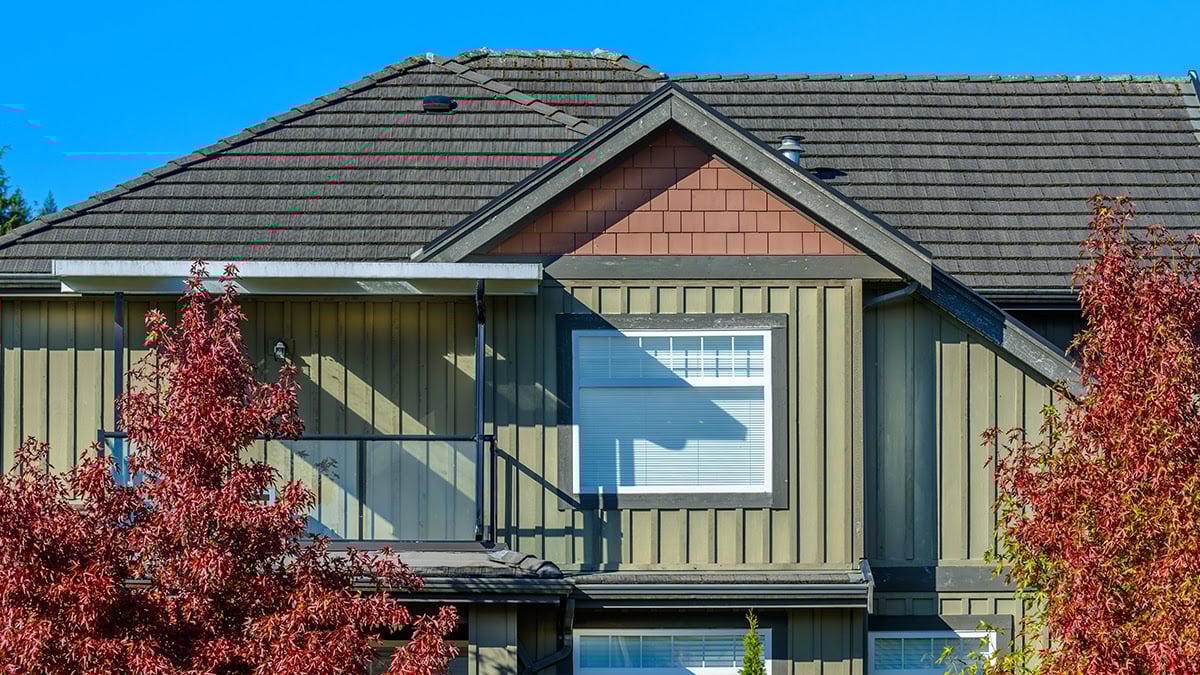
One thing you might also want to consider is whether or not it’s time to replace your siding. Many styles of siding will last 20+ years, and it’s possible that all you need is some maintenance, cleaning, and a fresh coat of paint to bring your siding right back to life.
On the other hand, if your siding is cracked, weather-damaged, faded, or falling apart, replacing it is probably a good idea.
When siding starts to fail, it can cause all sorts of problems. Weather intrusion means it’s less insulated, less energy-efficient, and more expensive. It can look worse as it degrades over time, and it can make you feel bad living with it. The worst, though, is if it has become an entry point for water or pests, which can do a lot of damage to the walls and lead to much more costly repairs.
Knowing when it’s time to replace your siding can be difficult. Fortunately, that’s where we come in.
Call the Pros at Magnolia Home Remodeling
At Magnolia Home Remodeling, we have decades of experience in pretty much every home improvement project you can imagine. We’re experts at siding, and we’ve done it all, all throughout New Jersey.
If you’re concerned that it’s time to replace your siding, you can give us a call. We’re more than happy to come take a look, offer our honest opinion on repair or replace, and give you a completely free, no obligation estimate. With half a dozen top brands and a wide range of styles, colors, and other siding options available, we’re sure to be able to pick something that works for you and your home.
So, don’t wait for water spots to show up or shakes to fall off; call us today and let’s get your siding refreshed for another few decades.