Home additions in New Jersey have fire sprinkler requirements that can be pretty confusing as you start to plan your project. The requirements vary quite a bit from one town to another, and sometimes the town right next door will have different standards. One project might need a full sprinkler system, while an identical addition in the neighboring municipality won’t need anything at all. What usually triggers these is the amount of square footage that you’re adding compared to what your home already has. Your local building department interprets and enforces these thresholds a bit differently and can complicate the planning process. The calculation gets messy pretty fast as you look into which spaces actually count toward your total area, or if your town has adopted standards that are stricter than the state minimums.
Sprinkler systems are expensive. The installation alone can run anywhere from $5,000 to $15,000, and it depends on what type of system you need and how large your property is – it’s a lot of money to add to any project budget. Once you’ve already submitted your permits (or worse, had them rejected), it gets expensive fast to go back and redesign everything. Most contractors don’t even mention the sprinkler requirements until you’re already deep into the process, well after you’ve committed to a design, and any changes would cost substantially more.
A smart plan can save you thousands of dollars and stop your budget from spiraling out of control. Knowing where these code thresholds fall gives you options. You can design your addition to come in right under the threshold, or if a sprinkler system ends up being mandatory, you can always go with cheaper materials to bring your total costs down.
Here’s what you’ll have to know about the fire sprinkler requirements for your addition!
The 50% Rule for Home Additions
New Jersey has specific regulations about fire sprinklers in home additions. The main point to watch for is what’s called the 50% threshold – if your addition is going to be more than 50% of your existing floor area, you’re going to need to install sprinklers throughout the entire home. A 2,000 square foot home with a planned 1,100 square foot addition, for example, goes past that 50% mark. At that point, sprinklers are going to be needed as part of your project.
The state went with the International Residential Code as the foundation for these regulations. Lawmakers looked for a fire safety framework that made sense – one that wouldn’t turn every small home project into an overly complicated mess of paperwork and approvals.
Your addition might actually trigger the sprinkler mandate even if it stays well under that 50% mark. Once your total home size lands between 3,000 and 5,000 square feet, sprinklers become mandatory – and it won’t matter what the percentage of the addition represents at that point. The exact threshold in that range depends on the version of the building code your town has adopted.
One big exception applies if your home already has a sprinkler system installed. Any addition you build is going to need to have those sprinklers extended into it as well. The size of your project won’t change this either. Even a 200-square-foot sunroom has to tie into your existing sprinkler system, just like a much bigger addition would.
All these state-level standards are what every town in New Jersey has to follow as a baseline. Towns are allowed to make them stricter if they want to, though. A handful of municipalities have actually gone ahead and lowered those thresholds, and others have added their own extra conditions on top of what the state already mandates.
Towns Have Stricter Rules Than States
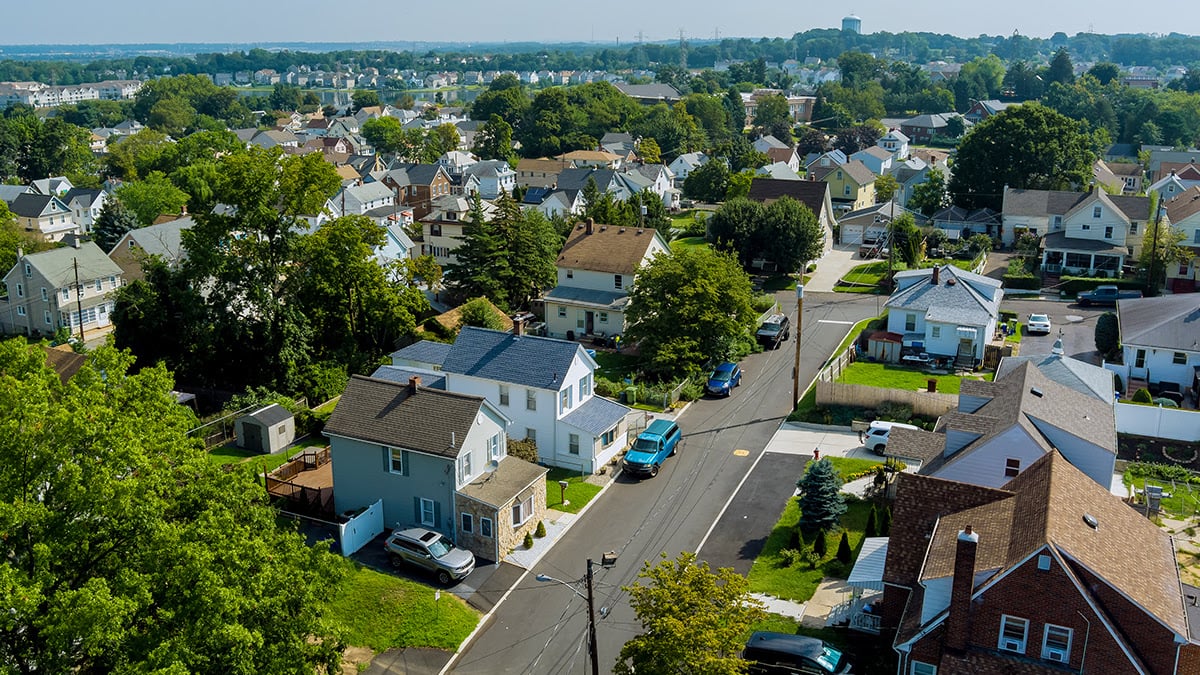
From there, you’ll have to find out what your local area actually calls for – it’s where homeowners usually run into a bit more difficulty. Towns and cities set stricter fire sprinkler standards compared to what the state calls for. Plenty of municipalities in Morris and Bergen counties have gone ahead and done this – they’ve put their own local standards in place that wind up being more strict than the state’s basic code.
Some towns will ask you to install sprinklers when your addition hits just 25% of your home’s original size (that’s only half of what the state lets you do before sprinklers become necessary). Other communities have set their cutoff at 30% or 40% of the original footprint. The percentage changes from town to town based on what makes the most sense for their local fire codes and building standards.
Local fire departments actually play a real role in making these decisions. Smaller towns that don’t have big fire crews on hand, or areas where it takes firefighters a while to get to an emergency, usually wind up with stricter sprinkler requirements. History matters too – if a town has dealt with bad fires in the past, those experiences will usually push them toward more strict safety codes.
Coastal areas handle this whole situation a bit differently than rural or suburban towns do. Beachfront communities usually pay more attention to the peak summer occupancy and whether their evacuation routes can manage the seasonal crowds. Rural townships are usually more concerned with response time and how far away the nearest fire station is.
Local building codes change a lot, and your neighbor’s successful project from last year doesn’t necessarily mean the same standards apply to you. Your neighbor might have breezed through the whole process without any permit problems. But municipal codes get revised quite a bit. Building departments update their standards for construction and fire safety a lot, too, and how fast those changes roll out can be pretty different depending on where you live. What was acceptable 12 months ago could be outdated by the time you submit your application.
What Counts as Your Home’s Square Footage
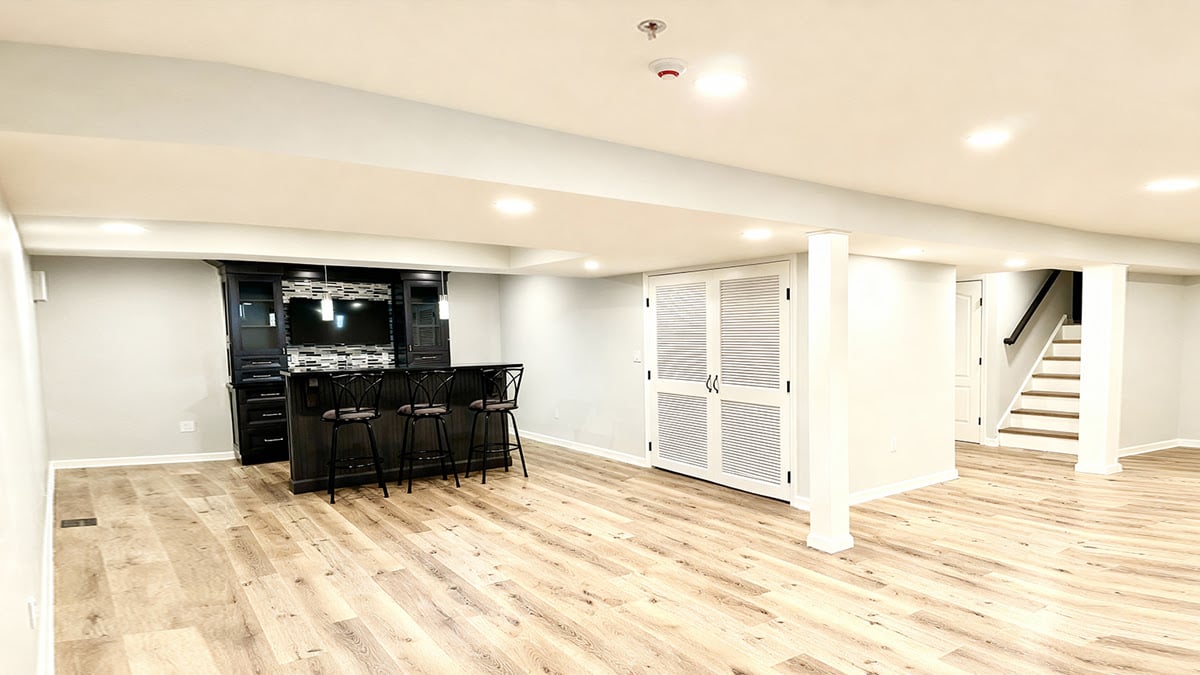
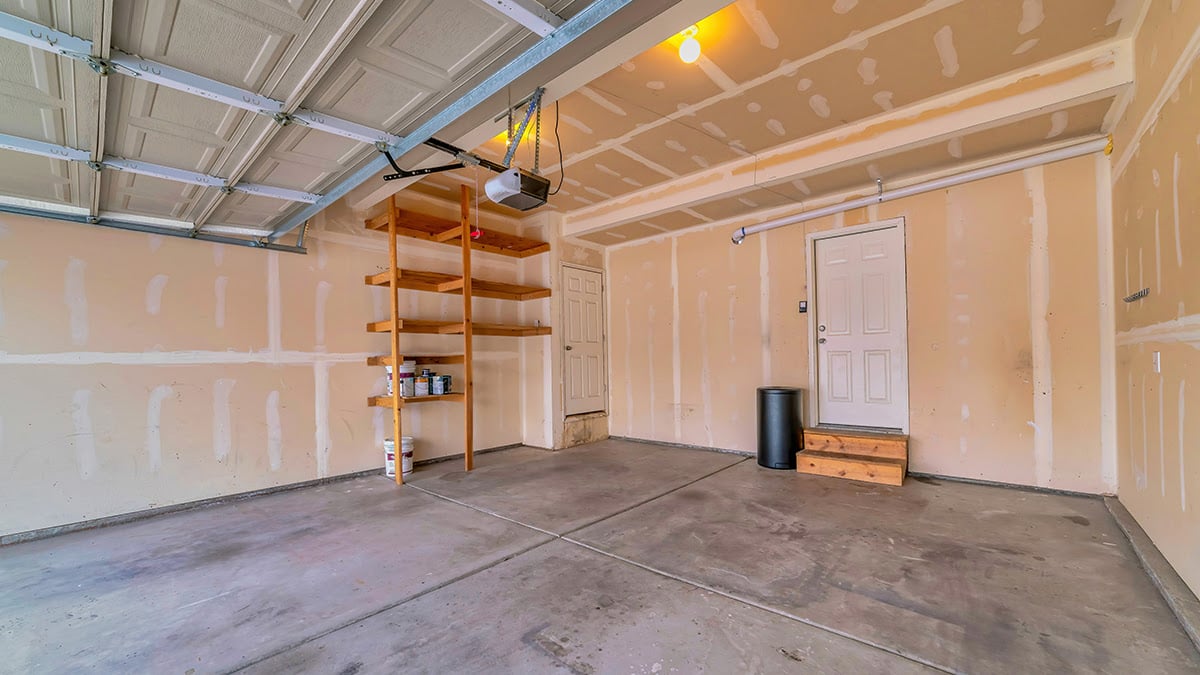
Finished basements will get counted in your total square footage, and it’s great news if you’ve put work into making that space livable. Second floors count as well. Attached garages are where it gets a bit complicated – sometimes they count toward your total, and sometimes they don’t. This has to do with how they’re connected to the main structure and if they meet certain building standards.
An example might help put this into perspective. Your home currently measures 2,400 square feet. Any addition that comes in at 1,201 square feet or more is going to push you past that 50% threshold. When you hit this point, everything changes.
Even 50 square feet can make or break your entire project budget. Contractors usually go over the limit without realizing it – nail down accurate measurements before you submit your plans.
Other areas of your home can get a bit complicated for square footage. Decks almost never get included in your total. Enclosed porches might count toward it, though this usually changes based on the construction specifics and the materials used. Three-season rooms are harder to pin down – most appraisers will make a call based on whether the room has some heating and if it’s been enclosed or not.
Your local building department is going to be the one that decides what qualifies as square footage and what doesn’t. They have their own set of measurement standards, and those standards are based on the heated living space and permanent construction elements. The square footage that was listed on your home at the time you originally bought it probably won’t match up with what the building department calculates on their end, so you can’t count on that original number to be accurate.
Pick the Best Piping for Your System
When you’re ready to install a fire sprinkler system in your home addition, you have a few different options for how to set everything up. A multipurpose system is what most homeowners choose, mainly because it’s usually going to be the least expensive option. Multipurpose systems tap right into the water supply you already have in your house and use that same water to run your regular faucets and your fire sprinklers. The benefit here is that you don’t need to run a whole separate water line just for fire protection.
The material you pick for your piping is going to make a large difference in your total installation costs. Steel pipe has been the standard for years and works reliably. You’re going to pay quite a bit more for it compared to some of the newer alternatives available. CPVC and PEX are plastic-based options, and they can slash your costs by 40% to 60% compared to steel. Even better, these materials meet the exact same safety standards that steel does, and that means you’re not sacrificing quality or safety to get those savings.
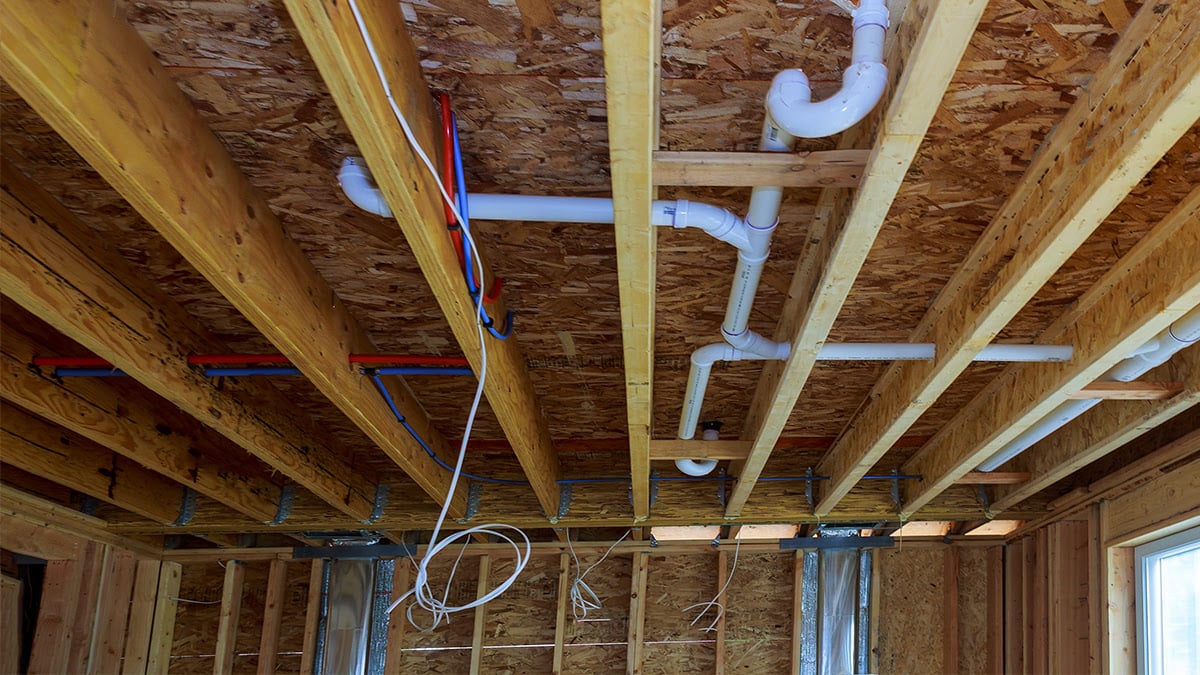
CPVC and PEX made it into the building code after they went through plenty of fire testing over the years. They had to pass the same fire performance standards that steel pipe has always been held to. Installation is where you start to see how different these materials are from one another, though. PEX has this flexibility to it that’s almost like working with electrical wire – you can bend it and thread it around obstacles without too much trouble. Steel pipe is a different story. You have to cut it and thread it at every connection, and it also needs support brackets along the whole length of the run.
Installation speed is worth a mention here. A plumber can run PEX through your walls and ceilings way faster than they’d ever manage with traditional steel piping. PEX bends and flexes around corners and obstacles, and that means you need way fewer fittings to connect everything together. Fewer fittings equals less time spent on the job, and when you’re paying by the hour for labor, that convenience can save you some serious money on installation costs.
PEX doesn’t rust or corrode the way that steel does, and it holds up much better when the temperatures drop below freezing. Metal pipes can split or burst in cold weather. But PEX won’t do that. Getting your piping choice right for your particular project could save you a few thousand dollars over the lifetime of your system.
Plan Your Addition to Save Money
You can save quite a bit of money on your addition if you plan carefully around these threshold numbers. Say that you currently own a 2,400 square foot home and you want to add some more living space to it. Building out a 1,150 square foot addition will keep you just under that 3,500 square foot trigger point, and that’s great. But bumping it to 1,250 square feet will cross over that line, and you’ll have to install sprinklers throughout your entire house.
Plenty of homeowners will split their projects up into different phases that happen over a few years. Maybe you add 1,000 square feet now, and then a few years later you can decide if you want to expand even more. This makes sure that each separate phase stays under the permit limit. The main drawback is pretty obvious – you’ll have to go through the construction disruption twice, and your family might not have the space they need in the meantime.
A detached garage can be a great way to work around this if you need some more space. Add a studio apartment above a detached garage, and the square footage doesn’t get lumped in with your main home’s total for the sprinkler calculation. It’s extra living space without crossing that threshold.
These workarounds won’t necessarily work for every project. Designing your space to stay just under the threshold could leave you cramped because you don’t have enough square footage for what you actually need. Sprinklers will cost some money up front. But that expense could be worth it if your project gets done correctly from the start instead of with compromises later.
An architect who knows New Jersey fire codes well can save you a lot of headaches if you have this type of project. The right one will tell you what you can build before you get too attached to a design that won’t be approved by the building department. They already know how your local officials read and apply these codes, and each town or city operates a little differently. Having this expertise on your side early on will let you make much better decisions about how to move forward with your addition.
Work with Your Local Building Department
The staff who work there answer these exact questions all day long, so they know the code inside and out. Even better, they help you work through the parts of the code that aren’t really simple. Local building officials also stay up to date with any recent updates or amendments that haven’t circulated yet.
Ask them about the square footage thresholds that apply in your town. You should find out how they measure additions and if your particular project falls under those thresholds. Building departments can vary quite a bit on this – some only count heated space in their calculations, and others include everything under the roof. How they calculate the square footage determines if you’ll need to install sprinklers.
It’s worth bringing some preliminary sketches to your local department before you pay an architect to draw up full plans. Plenty of departments will actually give you an unofficial review and show you what you’re going to be dealing with when it comes time to submit. Building officials actually want to help, so you can get your project approved and completed. Most of them see their role as helping homeowners work through the permit process and meet all of the code standards along the way. Nearly all of them would prefer to answer your questions at the beginning rather than have to reject the plans later on, after you’ve already put in all that work.

Inspectors don’t always agree with one another, even when they work out of the same office. An addition that one inspector flags as a big issue might get labeled differently by another inspector down the hall. Documentation can be your biggest help here – it gives you a paper trail for when there’s an inconsistency in how your project gets looked at.
Get confirmation in writing or through email every time. It doesn’t need to be anything formal – a quick message that confirms what you discussed works just fine. That documentation protects you when the inspection rolls around and questions come up about what was supposed to be done. Email threads, text messages or any written correspondence all work fine for this.
Contact Our Team Today to Start Your Project
The 50% law is a solid baseline to work from when you’re planning your project. Remember that your local town or city may have its own laws that kick in well before you hit the state minimum. When you know what actually applies to your property, you’ll be in a better position to make decisions about how big you can build and the materials to use, and if it makes more sense to break the project into smaller phases based on your budget and how much time you have.
A sprinkler system will add to your upfront costs – no question about it. These systems do a great job of keeping your family safe and protecting your home from fire damage. Insurance providers know this, and plenty of them will actually lower your premiums when you have one installed. Those savings add up over the years and help to cover a decent chunk of what you paid for the installation.
Your local building department needs to be your first stop before anything else happens with your addition project. The information we just covered about how codes work should give you a solid foundation to walk in and ask the right questions – and just as important, make sense of the answers they give you about your particular property. Building codes also change pretty regularly, and that means what was approved for your neighbor’s project last year might not match what’s required today. Double-check what’s currently required before you assume anything based on what somebody else was allowed to do.

An addition can get tough pretty fast when you have to meet the safety codes without losing sight of what you actually want the space to look like. Magnolia Home Remodeling Group has worked with New Jersey homeowners for more than 3 decades, and we’ve learned how to take care of the local codes while still giving you the most space possible for your budget. Maybe you want to add a family room, build out a master suite or make your kitchen bigger – whatever you’re thinking, we can talk you through the entire process from start to finish. Check out our project gallery to see the work we’ve done for other families in the area, or download our free catalog if you want to get some ideas and inspiration. We also provide a no-obligation estimate to get started, and financing is available if you qualify. We’re here to help so you can add the extra space your family needs.