Many homeowners moved into their current home with the goal of using it as a starter home. Over time, as you grow more stable, grow in your career, or want to start a family, a smaller starter home can start to feel cramped. When the rough edges start to chafe, and it feels like you’re constantly bumping elbows, you’re faced with a choice.
Do you move to a larger home, or do you make your current home larger?
Certainly, for many people, moving is the easier option. It can be costly and disruptive, but it’s not nearly as costly or as disruptive as building a whole extension onto your existing home.
But, for those of you who love your neighborhoods, who really enjoy where you live now, who are invested in your current home, an addition can make more sense. You don’t have to worry about moving your stuff, or changing school districts, or getting used to new neighbors. You get to keep all of the charms and beloved details of your current home.
But, is it worth it? Is building an addition a good idea? The choice is yours, but we can help you decide.
Building Up or Building Out?
When you’re thinking of adding an addition to your home, you have two choices: you can build out, or you can build up.
Building out means extending the ground floor, eating up some of your yard to add an extra room or two and expanding the square footage of your home. It’s certainly a lot of work, from pouring fresh foundation and landscaping to building the add-on, but it’s not the right choice for everyone.
In particular, it’s worth remembering that New Jersey is a relatively well-developed, dense state overall. Many neighborhoods are made of densely packed, small, relatively narrow lots. These homes may practically be touching, and if you were to build outwards, you’d end up with rowhouses that share walls. Zoning, property lines, and clearance rules all make this impossible.
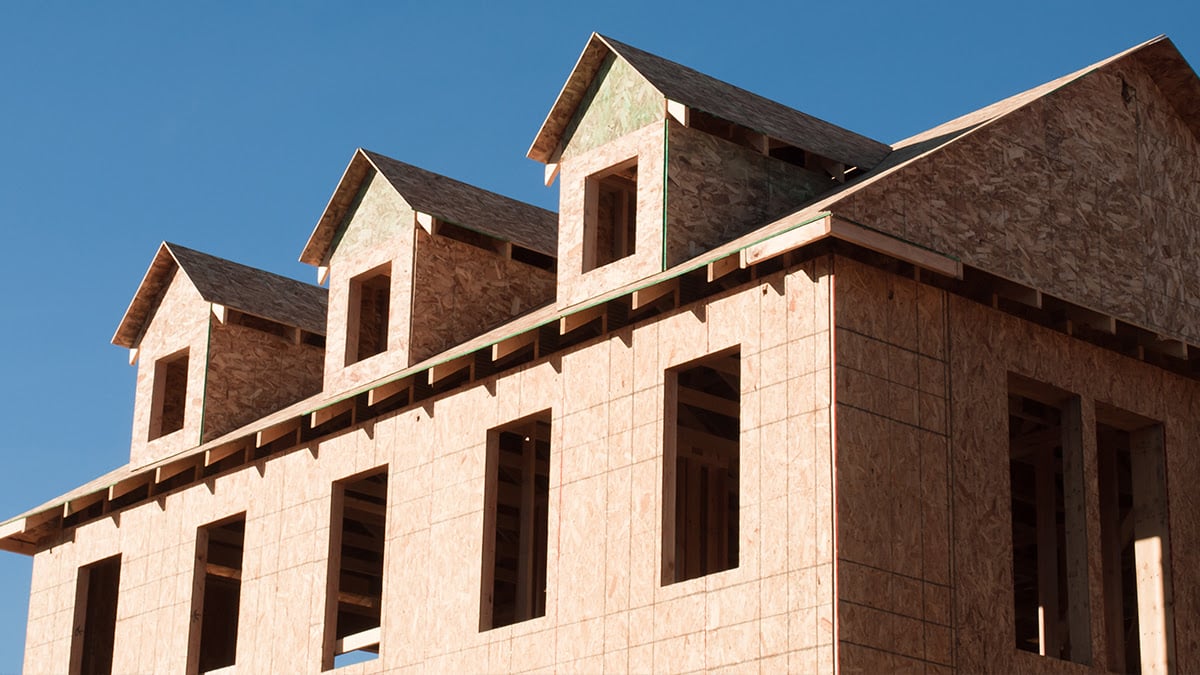
In many cases, if you want to build an addition to your home, the only option you actually have is to build up. Add a second (or a third) story to your home, without giving up what precious little yard space you have.
Arguably, most additions in New Jersey are going to be second-floor additions, so that’s what we’re going to focus on today. That said, most of the pros and cons are similar or identical, so if you’re considering an addition at all, it’s worth reading what we have to say.
What Are the Benefits of a Second Story Addition?
As a major renovation project, a second-story addition is something you want to consider very carefully. It’s very much not something you can DIY or go into without a plan, especially since you have to raise the roof! So, what are the benefits you should keep in mind?
An addition increases your living space.
The biggest and most obvious benefit to a second-story addition is the increase in living space. A whole second floor gives you room for new bedrooms, a new master bedroom suite, a new bathroom, a new office; any number of new spaces.
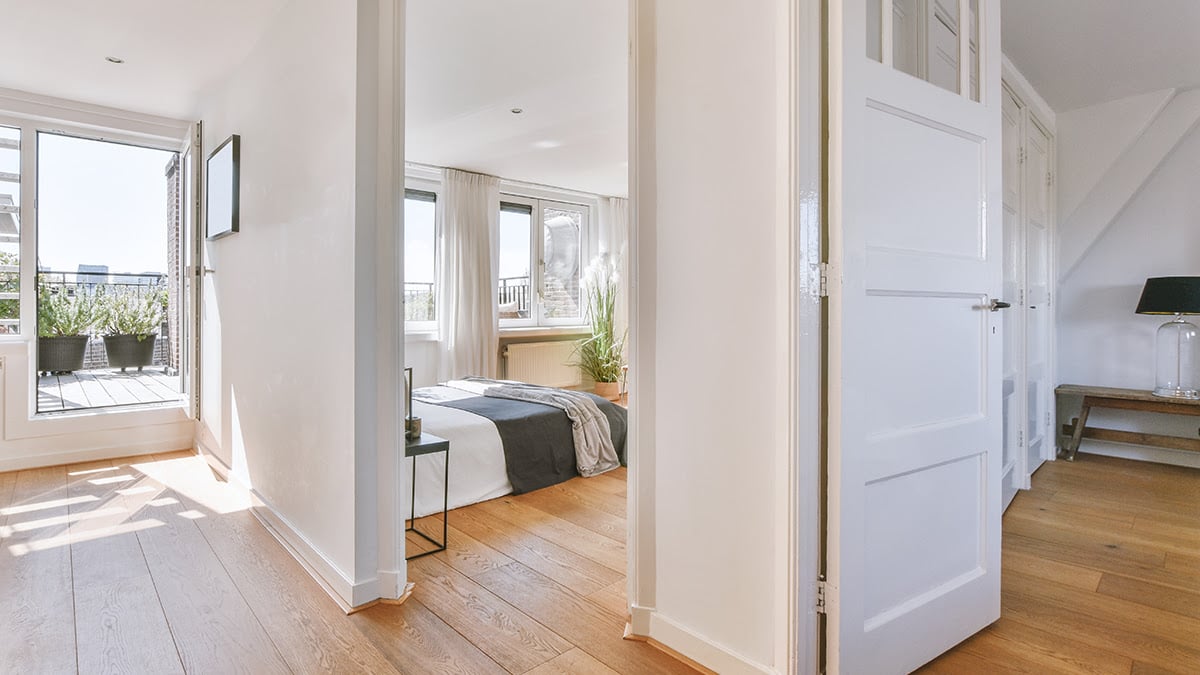
For certain homes, this can quite literally double the usable floor space of your home! And, since you’re designing the space from scratch, you can fit a layout that works for your needs, and configure the rooms to match.
You don’t sacrifice yard space.
If you’re fortunate enough to have an expansive property with plenty of yard, sacrificing some of it to build an addition outward is going to be a cheaper option than building upwards.
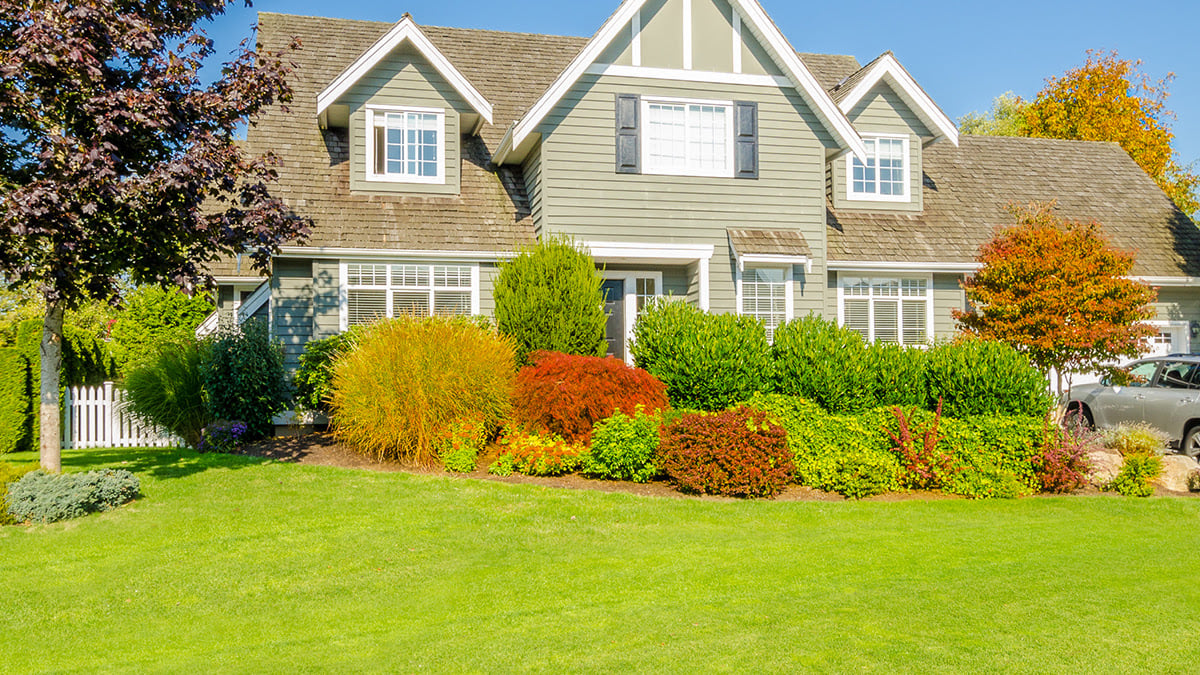
If you’re very attached to your yard space, if you have limited yard as it is, or if your property is too small to meaningfully expand outwards, building upwards is a great way to get more space without losing your greenery.
You may have better views.
While it’s not necessarily one of the driving factors for an addition, when you build up, you’re higher off the ground. Second-floor windows can have a better view of the neighborhood around you, which can be valuable to some people.
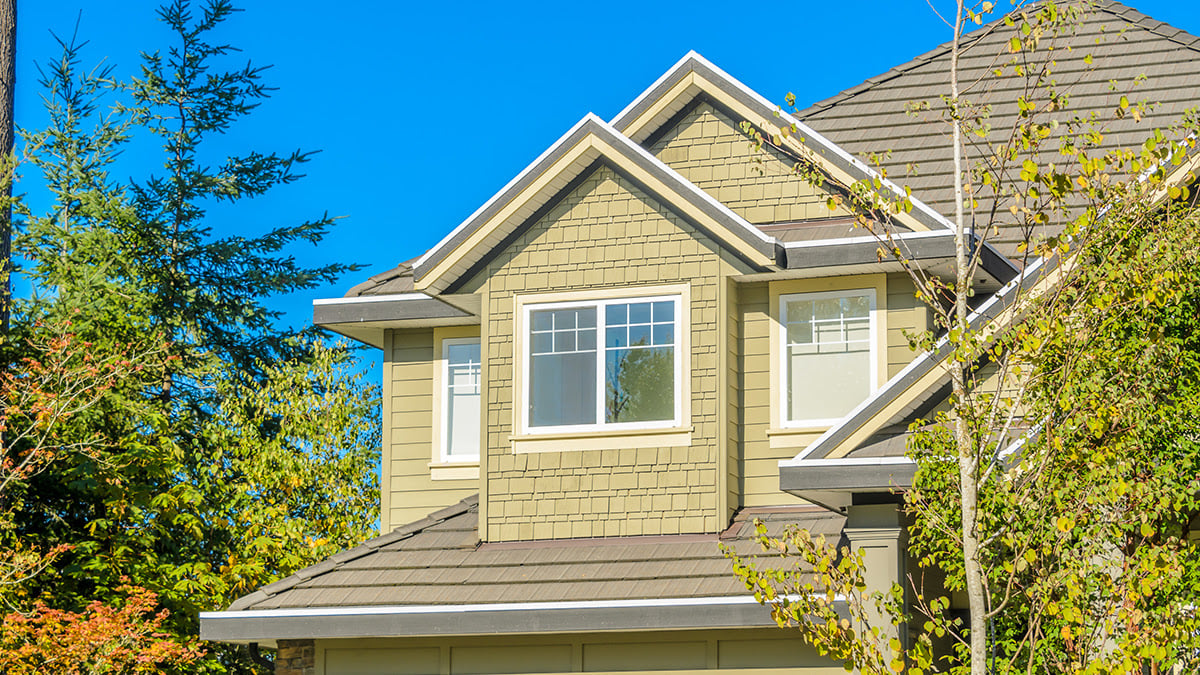
Even without the views, upper-floor rooms can be designed with larger windows and natural light in mind, making the space feel even more expansive than it is.
You can improve your home’s energy efficiency.
A lot of heat in the winter is lost through the roof, and aging homes can have a lot of issues in the roof and attic space that lose a lot of energy all year. When you pull off the roof, build another floor, and put a new roof on, you’re able to design it to modern energy standards.
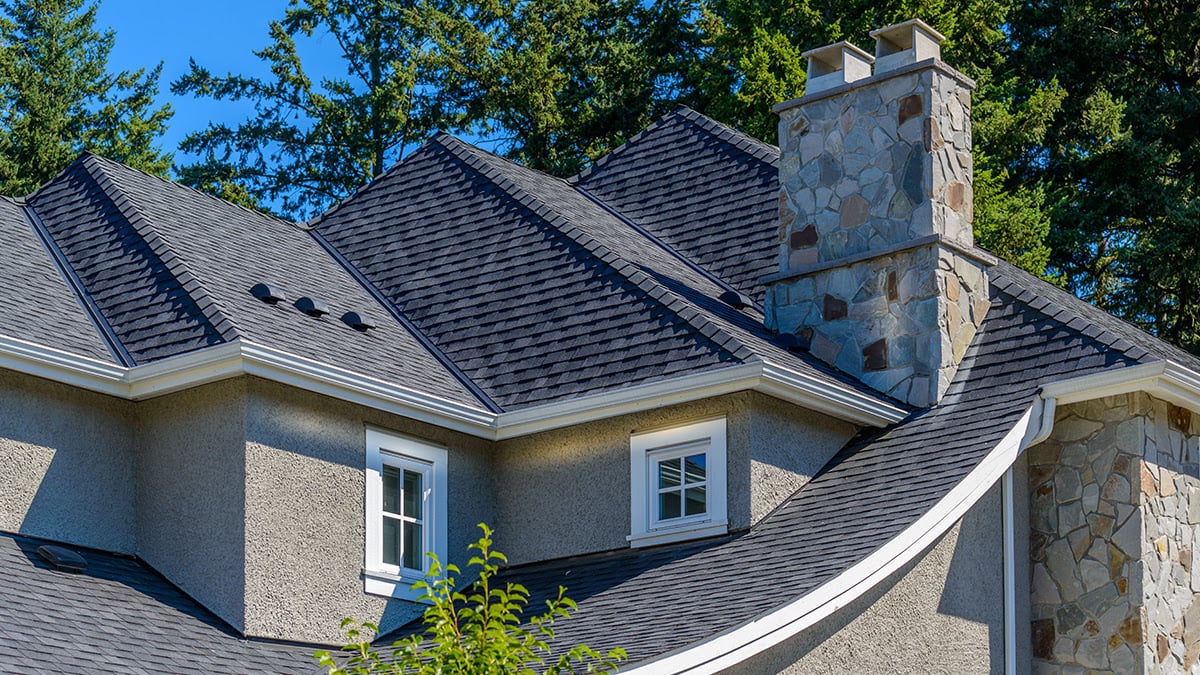
It’s not exactly going to cut your energy bills (you do have all that new space to heat and cool, after all), but the increase may be less than you expect.
It adds value to your home.
Any home improvement, assuming it’s not done catastrophically badly, is going to add value to your home. A second-floor addition allows you to completely redesign your home’s appearance from the front, giving you fresh control over curb appeal. The average return on investment for such a project can be good, averaging around 70-80%.
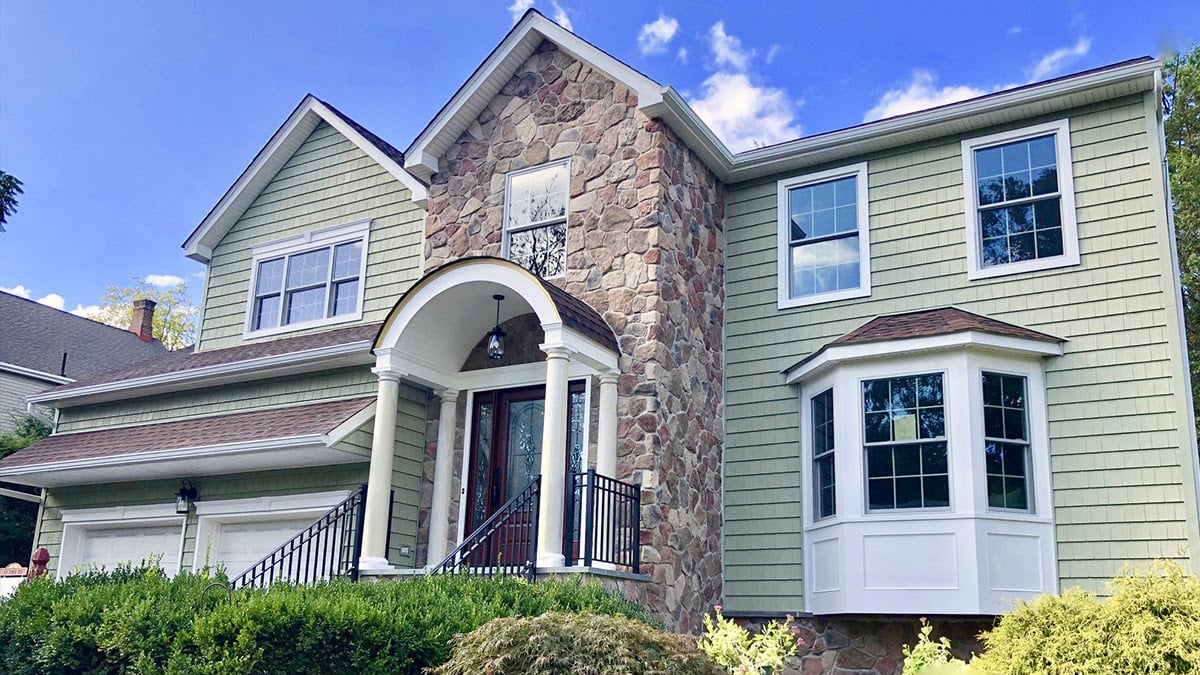
In areas where the value of land is high, the value of an addition can be high as well. If land is cheap and plentiful, an addition might not make as much sense when new construction would be able to go larger out of the gate. Here in New Jersey, land is often at a premium.
What Are the Drawbacks of a Second Story Addition?
Any significant home renovation is going to have drawbacks, and a major project like a second-story addition is definitely up there. Many people, upon reading what’s in store, start to more heavily consider that move as an option. What might you be in for?
It’s usually a very pricey project.
Adding a second story is no joke. While the costs can vary depending on the size, style, design, customization, and other details, you’re often looking at six figures for the starting price.
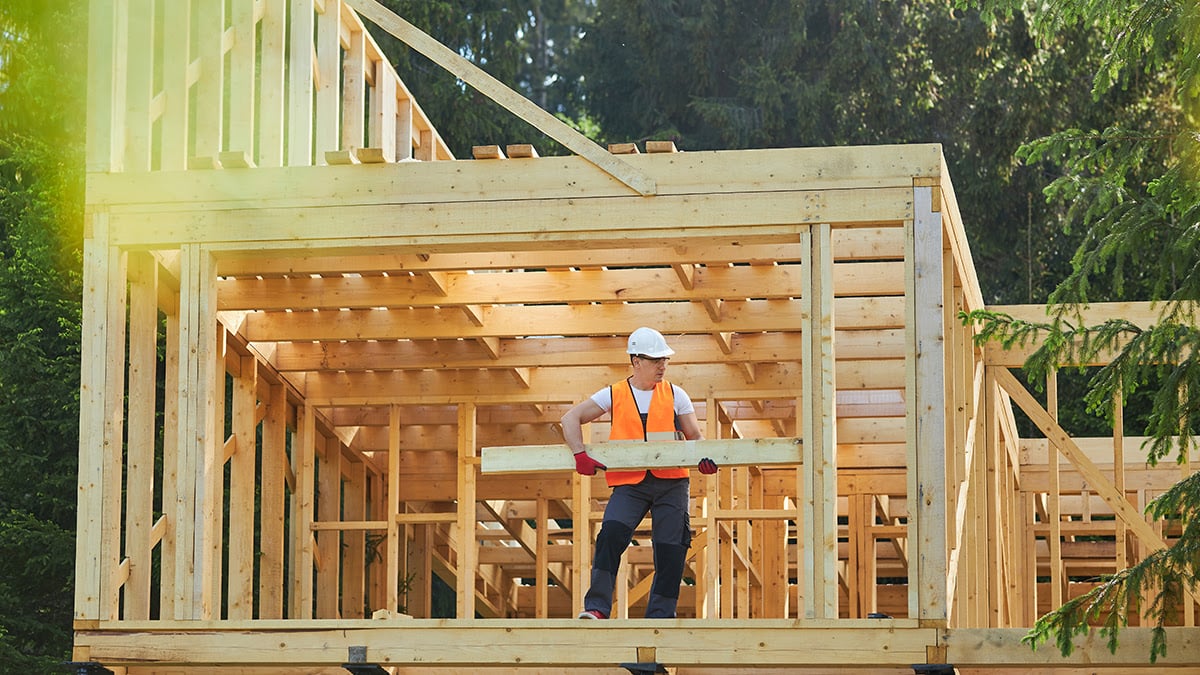
Many second-story additions here in New Jersey start at $150,000 and can get much higher very quickly.
You may need to do serious reinforcement of your home.
One possible factor that adds to the timeline and costs of the project significantly is the strength of your current home. A single-floor home is not usually built with an addition in mind. That means you may need to add reinforcement to the walls or ceiling to support the second floor. It’s a lot of weight, after all!
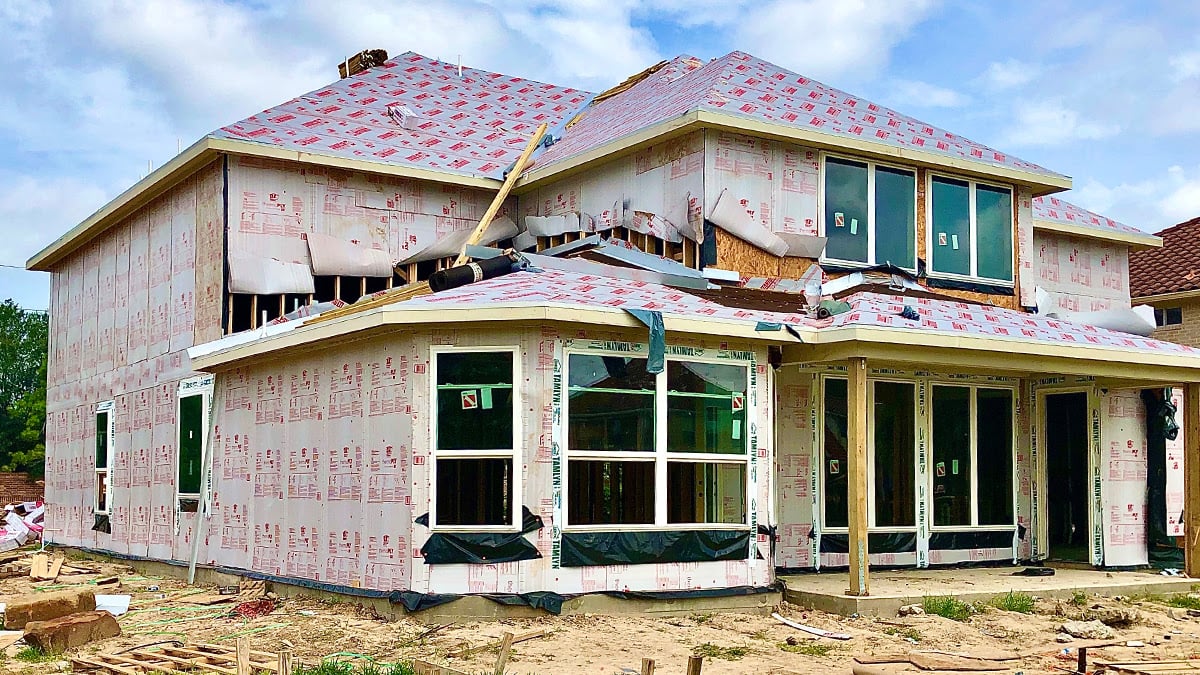
Worse, a lot of homes need foundation reinforcement to support the added weight without breaking or sinking. You aren’t just sacrificing your attic for a while when this work is done; you may need every part of your home reinforced in some way. This is where the most expensive additions come from.
Your life will definitely be disrupted.
There’s essentially no way to add a new entire floor to a home without immense disruption of your life in the home.

Worse, if you’re still living in the home while the work is being done, it will be slower because workers have to work around you, limiting hours and availability. It can be faster if you’re able to find a short-term rental to occupy for the timeline, but that adds to costs and can be disruptive in other ways.
Some homes may need new exteriors.
Adding a new home means you have new sections of wall to clad, and for some New Jersey homes, finding materials to match the cladding on the rest of your home may be downright impossible. Older homes with older siding styles might find it quite difficult to locate replacements, or they may be expensive.
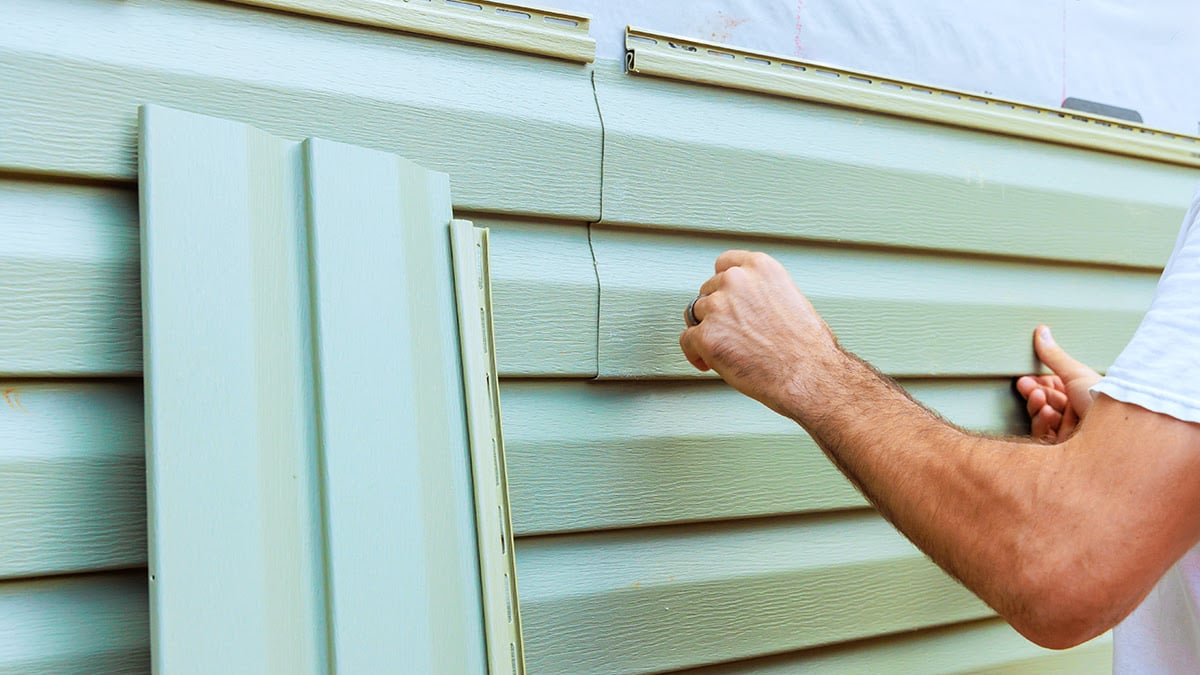
So, you’re left with a choice. Do you have mismatched walls, hurting your curb appeal? Do you hunt down matching cladding to sheath the new exterior? Or do you redo all of your siding at the same time, further extending the timeline and increasing costs for your project?
Not every home will have this problem, but for those that do, it can be a serious roadblock.
Your roof will likely have to go.
To add a second story, you need to remove the roof and build up, then put a new roof on. Most of the time, that means taking the roof off the same way you would during a roof replacement: by scrapping it.
This can be a very unfortunate added cost if you had your roof replaced just a few years ago. Roofs are supposed to last 20+ years at minimum, so having it pulled off after just a fraction of that time can be devastating.
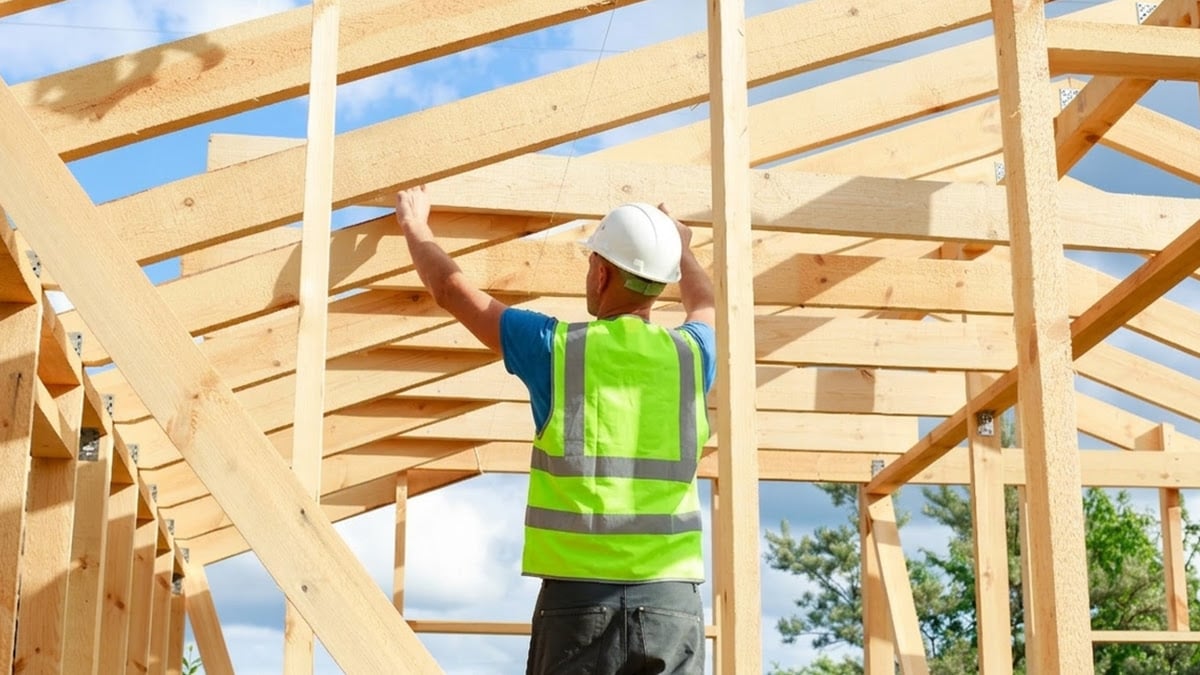
There are ways to save an existing roof, but they’re even more complex and expensive, and aren’t feasible for most homes and budgets.
Key Details and Considerations for a Second Story Addition
Bearing the pros and cons in mind, what do you need to know about the process, the timeline, and the details of the renovation?
The Timeline
First, the timeline. Second-story additions are significant projects, and they can take quite a while.
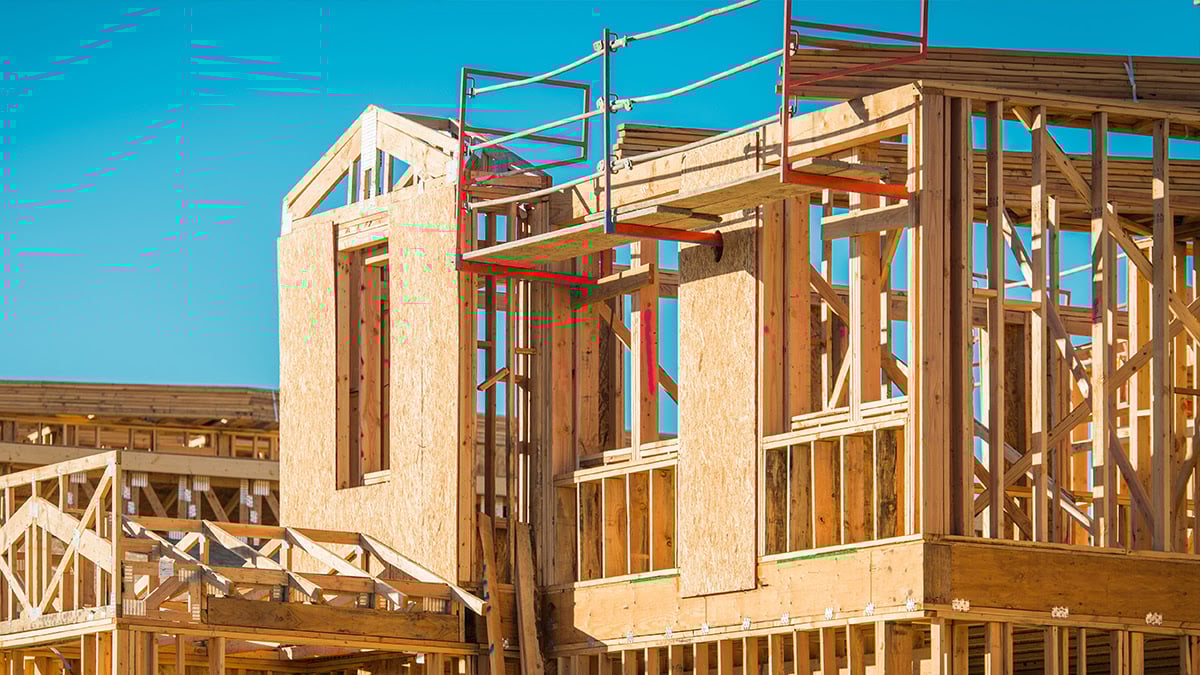
Not all of that time is going to be active construction time, but a lot of it can be.
- Planning and design can take 1-2 months of back-and-forth, development, consultations, drawings, and engineer evaluations before a finalized layout can be made. This also includes a structural assessment of your home to determine if you’ll need reinforcement to the foundation, walls, or ceiling.
- Permitting can vary, but expect at least a month for paperwork to be processed before construction can begin.
- Demolition and prep work start hard and fast with the removal of your roof, and any other prep work, materials staging, and other demolition necessary to clear the way for construction. This takes around two weeks.
- Construction and finishing are the bulk of the timeline. Framing out the new floor and new roof, adding the mechanicals and utilities, insulating the structure, putting on the new roof, drywall, finishes and fixtures; you’re looking at four months at the fastest, and as much as eight months for larger and more complex projects.
So at minimum, you’re looking at six months, and as much as a year for the full project. That’s a long time to be living in a construction zone, or living in another rental while the work is done.
Full or Partial
One additional consideration is the size of the addition you’re putting on your home. A full addition is the full size of your home’s floor plan, while a partial is only part of the floor plan.
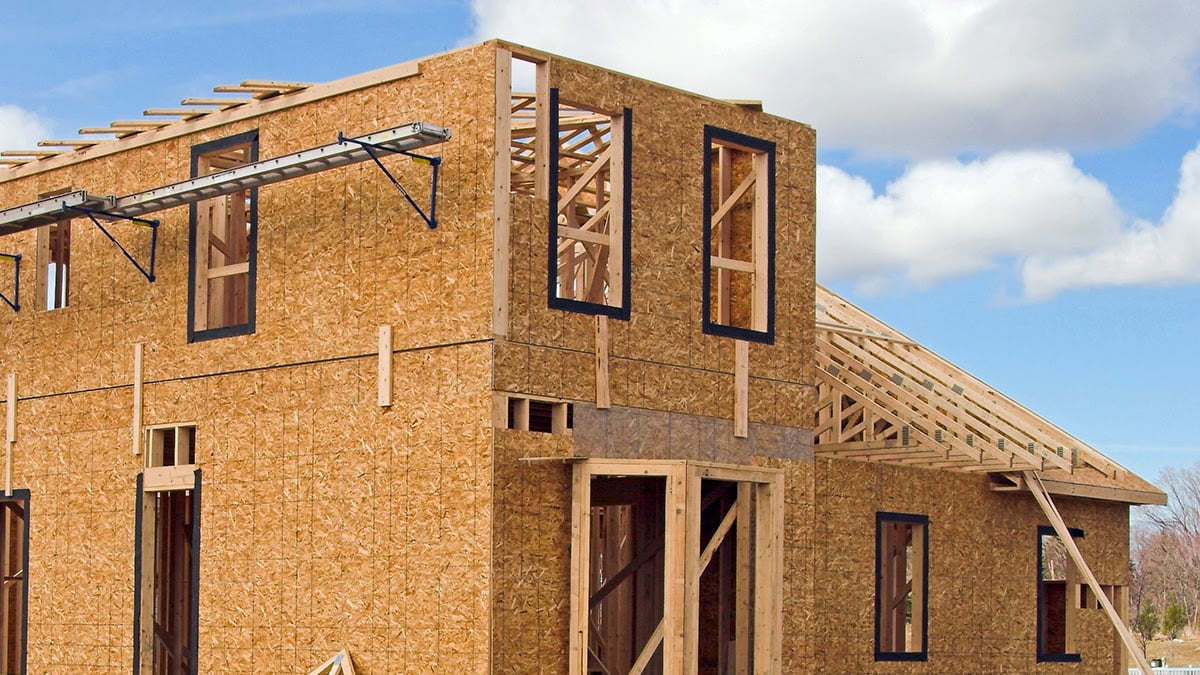
Partials are no less disruptive, but since they’re smaller, less of the roof needs to be removed, less of the weight that requires reinforcement. They can be cheaper, but obviously give you less space, so it’s a trade-off to consider.
Alternative Projects
When your main concern is living space, a second-story addition is a great option, but it’s far from the only one. Some other options you can consider include:
- Adding living space over the garage.
- Finishing your basement.
- Finishing your attic space.
- Enclosing a patio space.
- Building a sunroom over a deck.
There are a lot of ways to get more space out of your current footprint without necessarily needing a full addition, and they’re all going to be cheaper and less disruptive than a second-story addition. But nothing is going to give you quite as much space, flexibility, and customization as a whole new floor to your home.
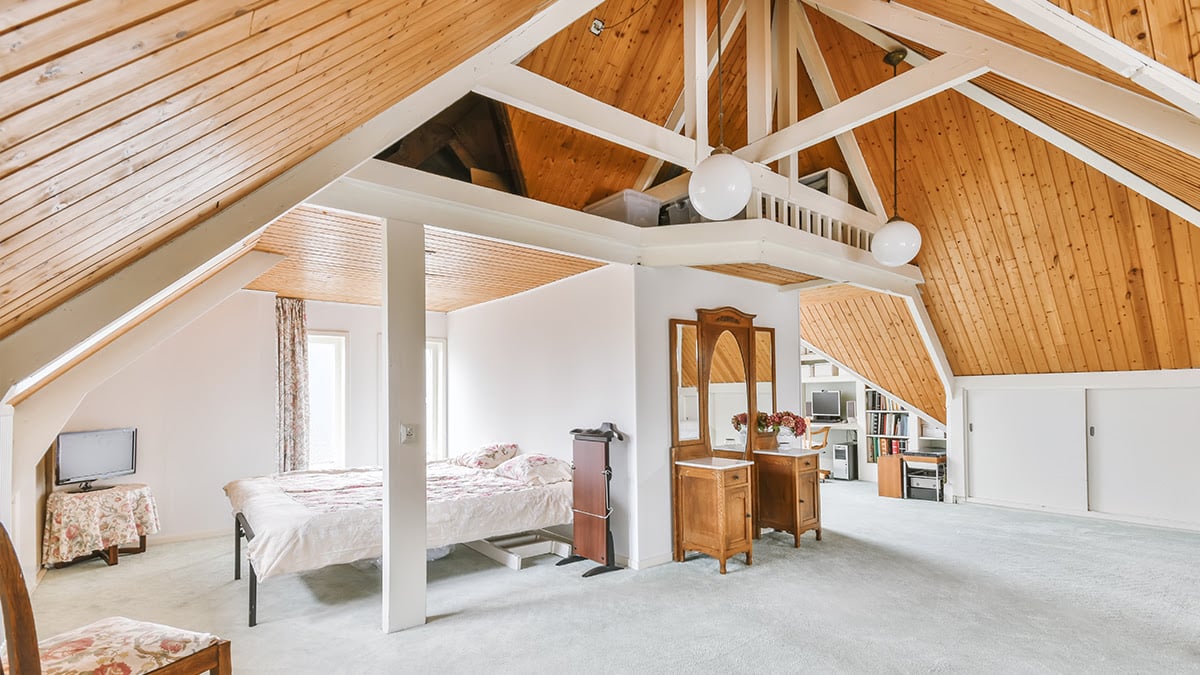
If you’re considering an addition of any sort, whether it’s on the second story or not, we’re here to help. The pros at Magnolia have 30+ years of experience doing pretty much every renovation you can imagine here in the New Jersey area, and we’re happy to help you figure out what direction to take your project. Just drop us a line, and we’ll discuss your plans, get you an estimate, and, if it’s what you want, get started on the design work.