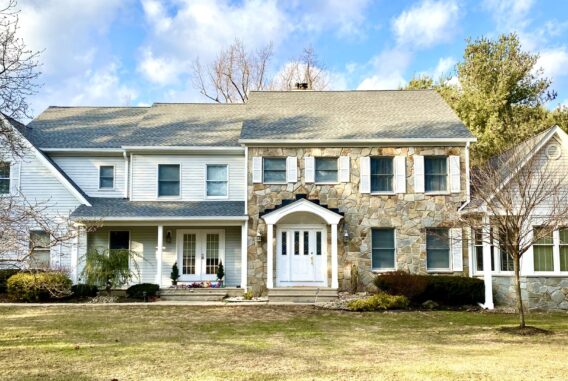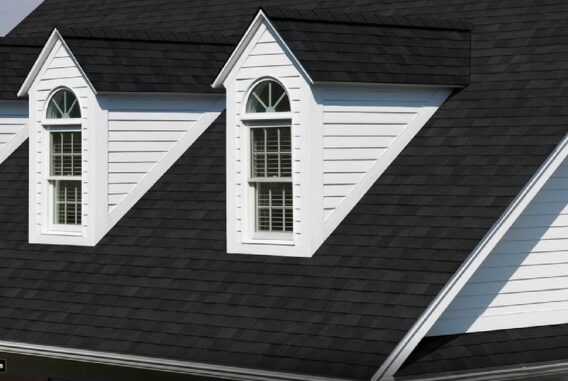
Some homes have a singular, unbroken roofline, flat eaves, and a blocky construction style. Others have much more elaborate architectural flourishes, and in particular, they break up the roofline (and add to usable interior space) by putting windows in the roof, protected by dormers.
The specific design of the dormers can vary. Picking the right one is all about finding the aesthetic that matches your home. So, what are your options, and what should you choose?
Different Types of Dormers
By reading the title, you already know we’re going to narrow down the selection to two kinds of dormers, the gable dormer and the shed dormer. Before going too deep, though, it’s worth mentioning that there are at least a dozen different styles of dormer that you might consider. We’re not going deep into them, but it’s something you might want to look into.
- Arched Dormers. These dormers have gentle, unbroken arches rather than sharp peaks. They’re common in French-style homes in particular, and work best on homes with complex architecture, to draw attention to the details.
- Eyebrow Dormers. These are similar to arched dormers, but tend to be wider, and often have flat ends to them, so they resemble an eyebrow more than a simple arch. They’re better for wider window bays and are more common in Tudor-style homes. They’re also common with roofing styles that mimic thatch.
- Flared Gable Dormers. These are similar to gable dormers, which we’ll cover throughout this post. The difference is, instead of a single pitch to the roofline, they’re more like a hat, with a tall peak and a broad brim, and usually a sharp angle for the transition. They’re common for larger dormers, particularly when they serve as a roof for a balcony.
- Steep Roof Shed Dormers. These are shed dormers, but they’re a particular variety suited to very steep roof pitches. They don’t stick out nearly as far from the roof because they don’t need to, so they’re a more subtle architectural feature.
- Hipped Dormers. Hipped dormers are like a combination of gable and shed dormers; they have three roof surfaces, leading down both sides and the front of the dormer. They’re popular with shingle-style homes and prairies-style homes, and suit a more balanced roofline.
- Pyramidal Dormers. These complex dormers have a whopping four different roof surfaces; two on either side towards the back, and two angled outwards towards the front, with a sharp point in the front middle. They’re very distinctive and usually have two windows on both front angles, and enclose a larger interior space like a reading nook.
- Wall Dormers. These dormers can have multiple different roofing styles, but their defining feature is instead their front surface. Instead of sticking out of a roofline, they extend upwards from the wall, breaking the eaves and continuing the wall line upwards. They suit a variety of home styles, including Romanesque, Mission, and Gothic Revival homes.
- Polygonal Dormers. These are your no-holds-barred, customized dormers with complex, unique shapes. For a completely custom home design, they show off the variety and versatility of a dormer, and are a stand-out feature that won’t be seen on other nearby homes.
Finally, there are the two we came here to talk about.
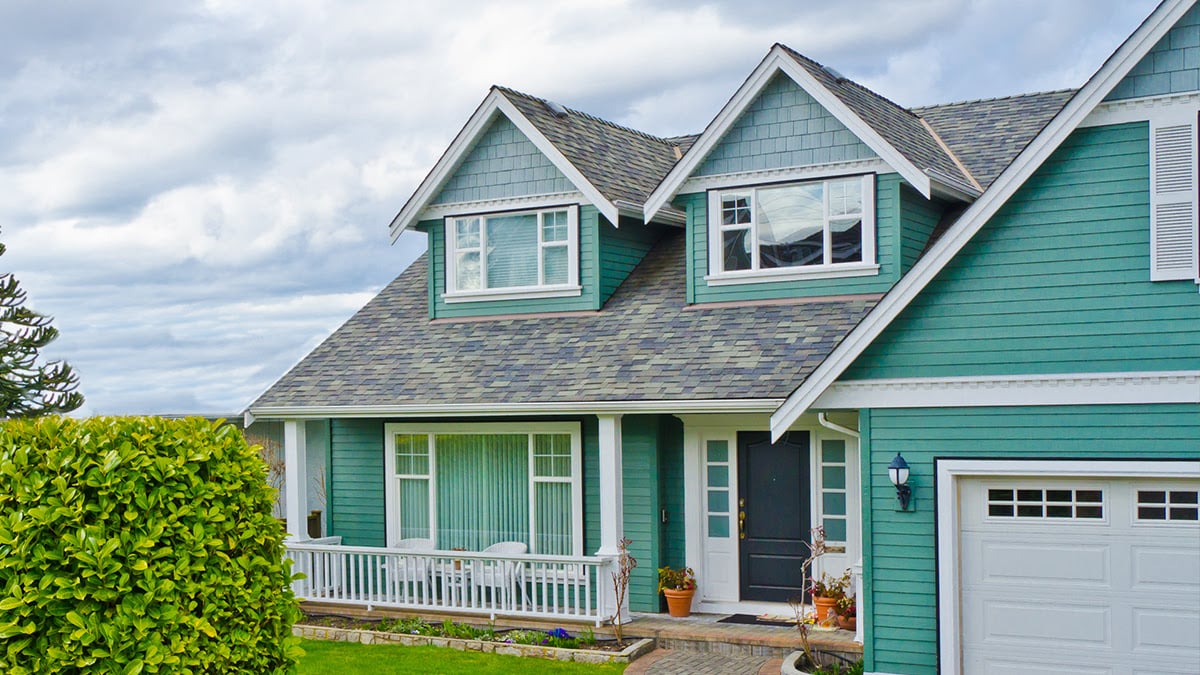
- Gable Dormers. These dormers are simple, with peaked roofs over the dormer that split to either side. They tend to have relatively little overhang over the window, leaving it exposed, and kind of look like miniature houses perched on the roof of your home. They’re very versatile, simple, and common, so you see them a lot on colonial, craftsman, gothic revival, Victorian, and Tudor homes.
- Shed Dormers. These are a very simple design with a single roof for the dormer, sloped in the same direction but at a shallower angle than the roofline around it. They’re reminiscent of an open skylight, though of course they’re permanent and have vertical windows and a solid roof. Since they’re very simple and easy to install along a continuous roof, you see them a lot in colonial revival homes, craftsman homes, and Dutch colonial homes.
If you own a colonial-style home here in New Jersey, and you’re looking to install dormers, remodel existing dormers, or even if you’re building a new colonial home from scratch, your most common choice is going to be between these two styles of dormer.
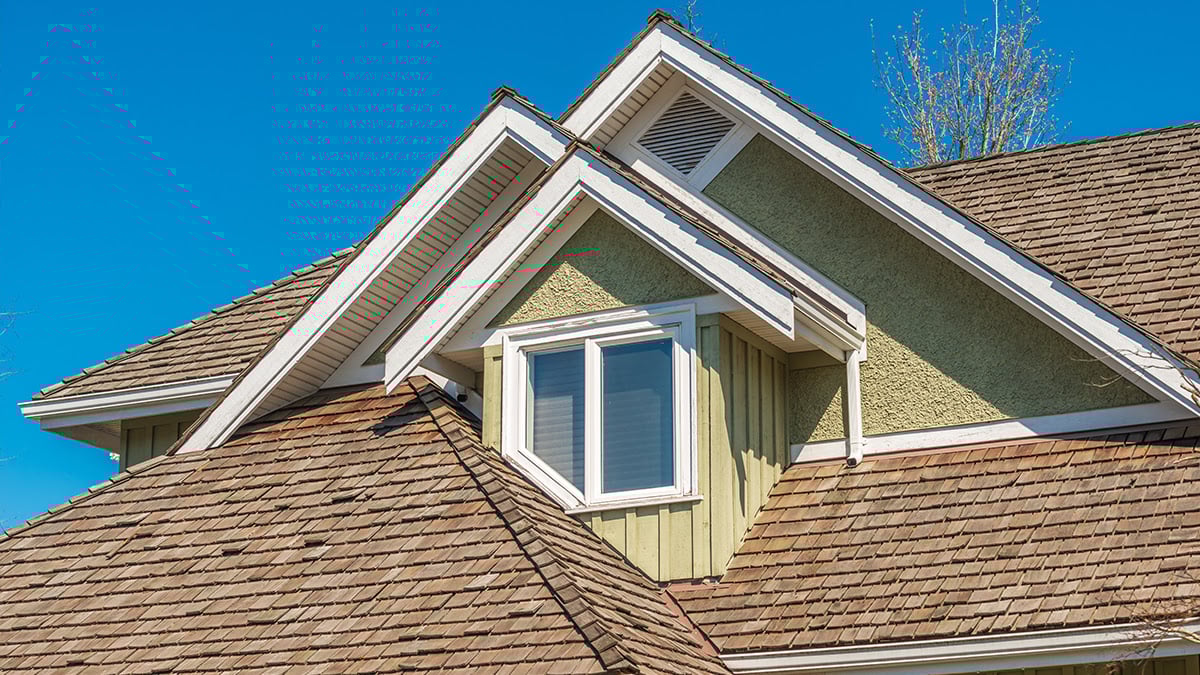
Why install dormers at all? Well, they’re a powerful way to add light and space to an attic, especially if you’re expanding your home’s usable space with an attic remodel. Converting a cramped, dingy attic into finished space and opening it up with a dormer or two is a great way to add space and value to your New Jersey home.
So, which dormer style do you pick? Both work well with the colonial style, so you’ll want to compare the other pros and cons of each style. Here at Magnolia Home Remodeling, we’ve installed plenty of both, and we’re happy to discuss it with you in person. It’s great to get an idea, not just of how these dormer styles work, but of how they’ll work on your home. So, if you’re interested, please reach out for a free estimate and a discussion of your specific needs.
The Pros and Cons of Gable Dormers
Gable dormers are a stand-out feature aesthetically. The split roofline, perpendicular to your home’s normal roofline, is an element of architectural complexity that is nevertheless relatively simple to frame and install, at least as far as dormers are concerned. They add peaked features to the face of the home, and they can be spruced up with adornments like architectural flair and pediments.
The Advantages of Gable Dormers
There are a solid handful of advantages to a gable dormer style that are worth considering.
They’re the best for headroom in the interior space. Since they’re peaked in the middle and stand out from the existing roofline, they provide the most ample amount of vertical space of the two dormer styles we’re comparing.
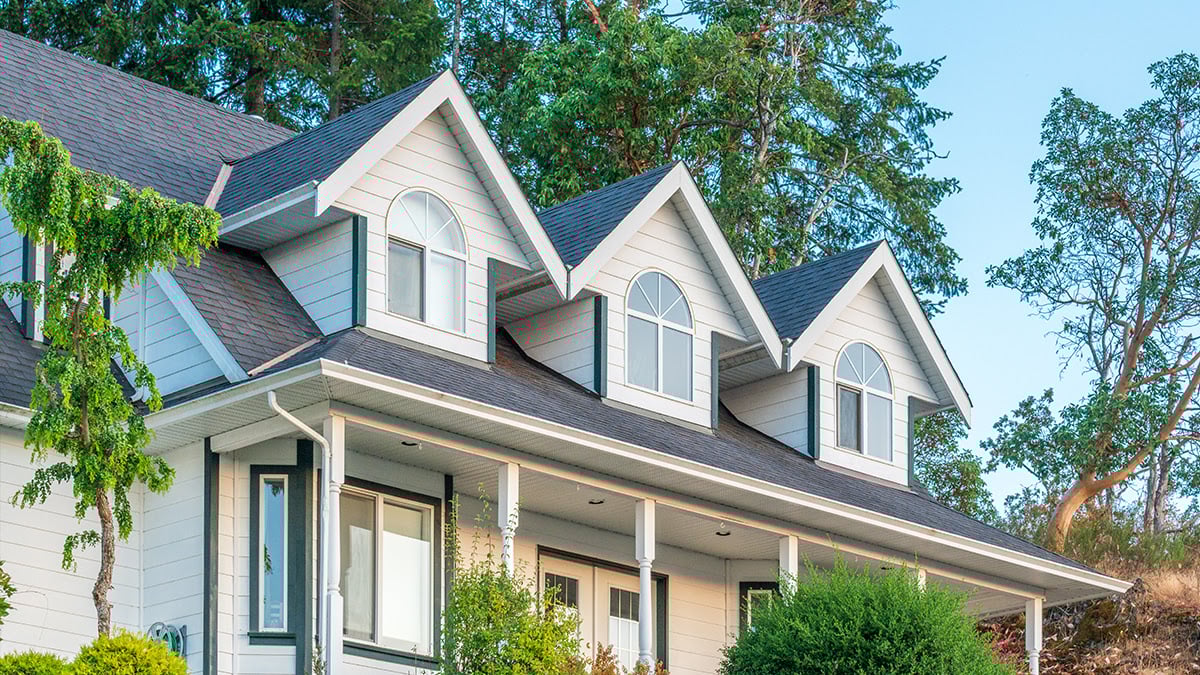
They can handle the weather better. Though the comparison is quite close, a gable dormer has steeper roof surfaces, which means water can’t settle on it, and snow has a harder time building up on it.
They’re very eye-catching and attractive on an otherwise broad, flat roof surface. Any dormer is going to stand out somewhat, but gable dormers are a bolder statement. The symmetrical design works best when they’re centrally aligned or evenly spaced.
The Downsides of Gable Dormers
Are there downsides to gable dormers? Certainly, though not as many of them as you might think.
The valley where the dormer meets the roofline can be prone to leaks. A properly-installed dormer will be secured against water intrusion just like another other roofline, but gable dormers are worse than shed dormers when it comes to potential water intrusion.
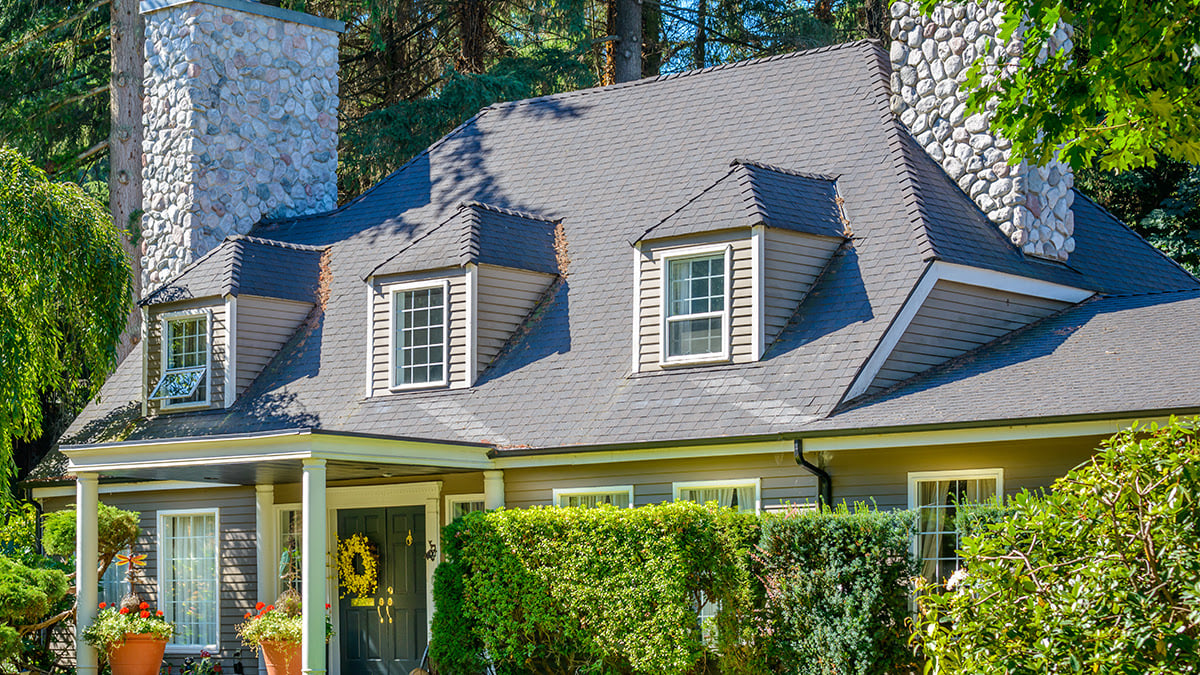
They’re slightly more complex and expensive to install. With a shed dormer, it’s relatively easy to tie in a simple frame, extend the existing roofing material, and finish it up. Gable dormers are a bit trickier with a more complex integrated roofline, which requires more expertise, labor, engineering, and materials to do properly. The difference is relatively small, but it can be meaningful if your budget is tight.
Though the headroom is better, usable space may not be. In particular, gable dormers tend to be narrower than shed dormers, so the usable floor space is smaller.
Additionally, depending on the style of your home and your existing roofline, gable dormers can look out of place and be harder to match the aesthetics. This is very much a per-home design question, though, so it shouldn’t be counted as a hit against gable dormers in general.
The Pros and Cons of Shed Dormers
Now, what about shed dormers? Shed dormers are a smoother and more continuous extension of the roof, with just one angle change, sort of like a window peeking out of the roof. If you remember those old sports cars with pop-up headlights, they’re aesthetically kind of similar to that.
The Advantages of Shed Dormers
Shed dormers do have a few distinct advantages over gable dormers.
They’re simpler to design and install. There’s not a lot to a shed dormer; no complex roofline, no tricky tie-in, no angles to get symmetrically and aesthetically appropriate for an existing roof. They also tend to have fewer architectural design elements and stand out in bold simplicity.
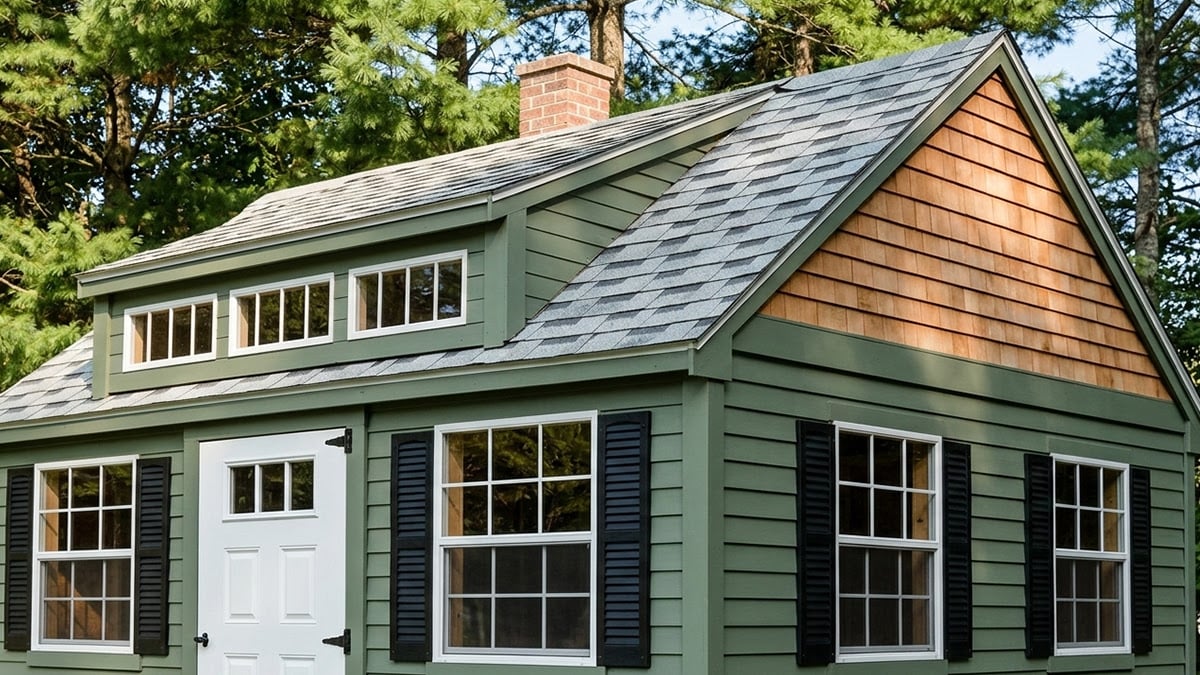
They offer more usable interior space. Gable dormers are better for raw headroom, but shed dormers offer a wider space in the same footprint, so they’re often chosen when the attic space is meant to be functional.
They allow for a larger window. This is ideal for maximizing natural light in your attic space, though, of course, environmental factors like the direction the dormer faces and surrounding trees will impact this consideration.
The Downsides of Shed Dormers
Shed dormers aren’t the perfect choice for every home. They have a couple of specific downsides that can be deal-breakers for many budding home remodels.
They can be potentially prone to weather issues. Particularly in humid climates like New Jersey, the shallow pitch of a shed dormer is more likely to allow moisture to accumulate, which can foster the growth of moss and plant matter over time. Snow can also build up more easily on a shed dormer, necessitating either maintenance or more attention paid to snow load in the engineering of the dormer. Even ice dams can be a problem.
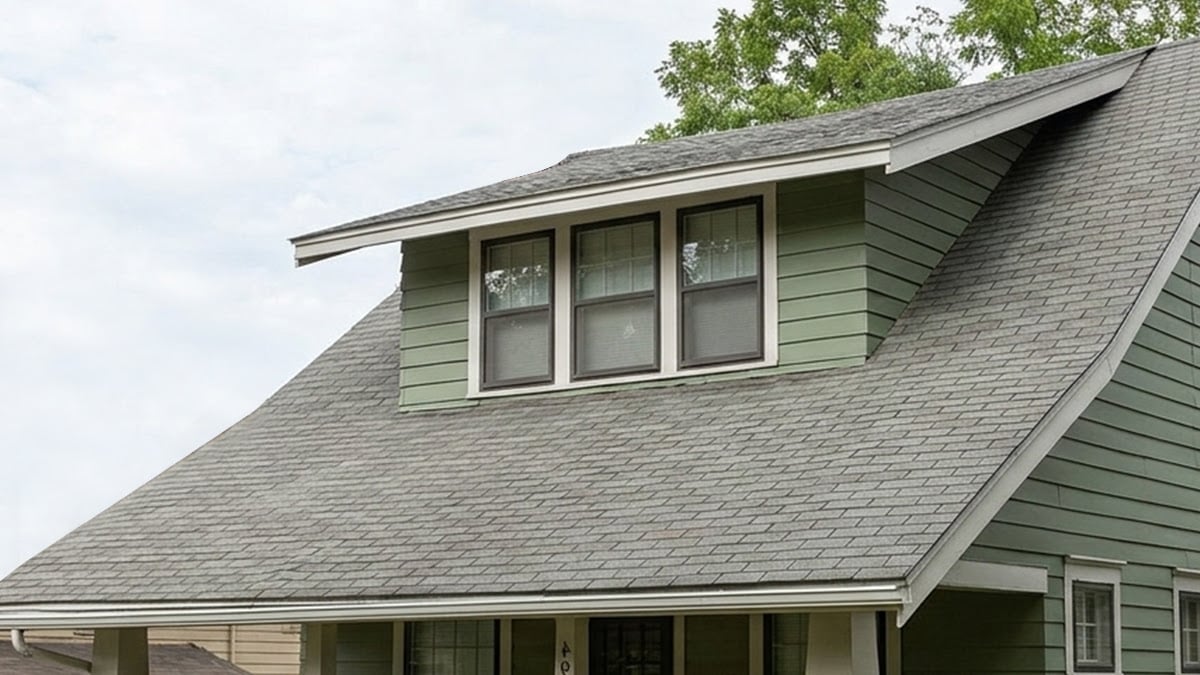
The comparatively subtle appearance may not be right for every home. While symmetry is a little less of a concern, a shed dormer is like a window peeking out of a roof; if they’re placed poorly or they don’t match with the rest of the home’s style, they look and feel off-putting, and can potentially even reduce curb appeal.
They tend to offer less space for insulation. Attics are already a bit of a challenge to convert into livable space, and the difficulty of proper insulation in a shed dormer can leave the area feeling a bit drafty. This can be handled, but it requires attention.
Additionally, shed dormers are difficult to install in roofs that use a truss system rather than traditional rafters. While it can still be done, it’s going to be more complex and costly.
Which Style of Dormer is Right for Your Colonial Home?
Colonial homes are very common throughout New Jersey. With bold front faces and stark surfaces, dormers can break up a large, flat roofline and add flair to a home. Usable interior space concerns can be relevant, but many homeowners are going to choose their dormer style based on exterior appearance.
Depending on the specifics of the design of your home, either dormer style can work. What we see most often, though, is the gabled dormer. Many NJ colonial homes have broad, stark rooflines facing the front of the home, so a gabled dormer is a stand-out feature to break up that roof. Often, they’re even installed in sets of three.
One deciding factor may be the windows you want in your attic space. If it’s going to be one larger, open space, a broad shed dormer encompassing wide windows may be more appealing. If you’re planning to subdivide the space into multiple rooms, each one with its own gable dormer may be more effective.
To see what your home can look like with both kinds of dormers, why not contact us? We’re happy to mock up some examples, offer our opinions on the styling, and give you options for the addition of dormers to your home. We’ve been remodeling attics and installing dormers for decades, and we’d be happy to add your home to our portfolio as well.
When you contact us, we’ll discuss what your goals and needs are, what options we can offer, and what is likely to work best with your home. You’ll get a free quote with no obligation, and some great ideas on your remodeling project. So, drop us a line and let’s get started!