If you have ever stood near a window on a cold New Jersey morning and felt a draft, you know how frustrating it can be. For many homeowners, that minor issue often comes with a bigger one, such as energy bills that continue to rise from season to season.
Windows have a major impact on comfort, efficiency, and even how your home looks and feels. When windows start to fail, your heating and cooling system often has to work harder to keep up. That extra strain can show up as higher utility bills, uneven temperatures, and a home that feels less comfortable than it should.
The good news is that modern replacement windows can make a meaningful difference. In this post, we will explain why window replacements matter, what causes energy loss around windows, which features actually improve efficiency, and how to determine when it is time to replace them.
The Real Reason Windows Affect Energy Bills
Many homeowners begin researching window upgrades after asking one key question: “Do I need new windows?” The answer depends on your home, your windows, and the issues you are seeing.
However, there are two main reasons older windows often lead to higher heating and cooling costs.
- Air leaks around frames and old seals: As windows age, seals can wear down, and frames can shift slightly over time. Even small gaps around the sash or frame can allow outside air to slip in and conditioned air to escape. Minor leaks might seem insignificant, but the constant compensation required from your HVAC system to offset this continuous loss quickly makes them a major issue.
- Heat transfer through older glass: Older windows, especially single-pane windows or early double-pane models, often allow heat to pass through much more easily than today’s energy-efficient options.
Why New Jersey’s weather makes window issues more noticeable
New Jersey has intense seasonal swings, and those seasonal changes can make window problems feel worse. Cold winters and humid summers can put HVAC systems to the test. If your windows are not well insulated or properly sealed, your home will feel it, and so will your utility bill.
Plain-language definitions that help when comparing windows
If you have started looking at window options, you may have seen terms like U-factor and SHGC. Here is what they mean in simple terms:
- U-factor: This measures how well a window insulates. Lower U-factor generally means less heat escapes in winter.
- SHGC (Solar Heat Gain Coefficient): This measures the amount of heat from the sun that passes through the glass. Lower SHGC generally means less solar heat enters your home.
- Low-E coating: This is a thin coating on the glass that helps control heat movement, keeping the heat inside in winter and reducing unwanted heat gain in summer.
Understanding these basics can help you make a more informed decision, especially if your primary goal is to lower your energy bills with new windows.
Energy-Efficient Window Features That Make a Difference
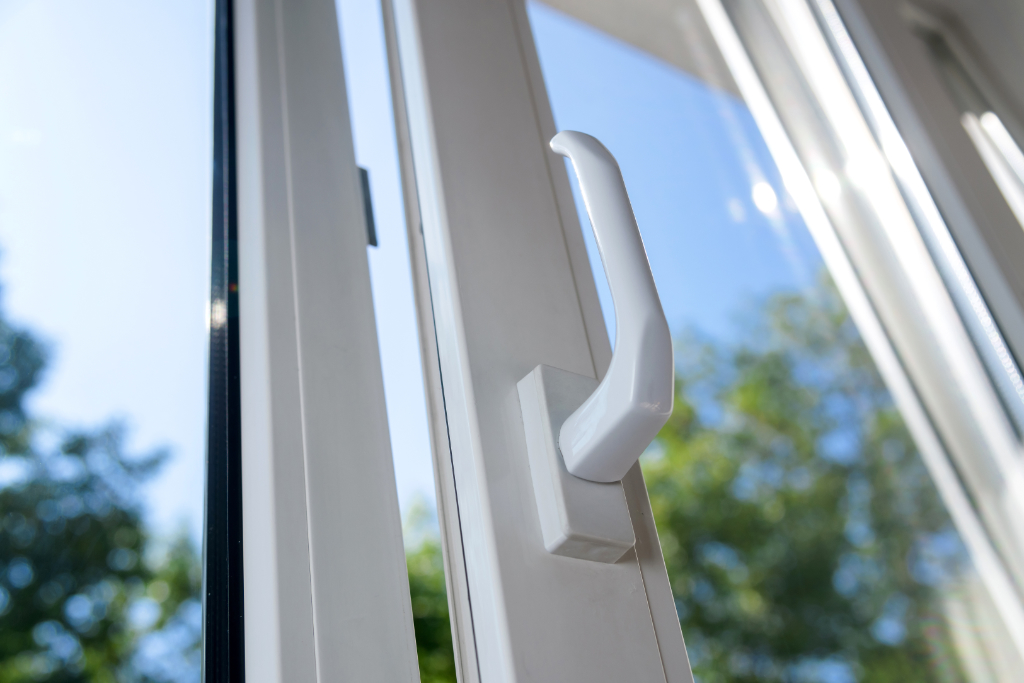
A window replacement is not just about choosing a style you like. The performance details matter, and installation quality matters just as much as the window itself.
We have already defined the different types of windows using key performance indicators such as U-factor, Solar Heat Gain Coefficient (SHGC), and the presence of Low-E coatings. Now, let’s explore the essential features that contribute significantly to both energy efficiency and occupant comfort.
Double- or triple-pane glass
Multiple panes create an insulating space between layers of glass. This reduces heat transfer, helping to keep indoor temperatures more stable. Many homeowners also notice improved comfort near windows, because the glass does not feel as cold in winter or as warm in summer.
Low-E coatings
Low-E coatings help reflect heat in a controlled way. The right low-E package can make a noticeable difference in both heating and cooling seasons. It also helps reduce UV exposure, which can be important if you have floors or furniture near windows that are fading over time.
Gas fills (argon or krypton)
Many energy-efficient windows include gas fills between panes. These gases help insulate better than standard air, which can improve overall performance.
Quality frames
Frames contribute to durability and insulation. Standard options include vinyl, fiberglass, and composite materials. The right frame often depends on budget, the look you want, and how much you prioritize long-term durability.
Tight installation and proper sealing
Even the best window will not perform well if it is installed poorly. Proper sealing, flashing, insulation, and alignment are critical. A window replacement is a system, and performance comes from both the product and the installation.
ENERGY STAR® considerations
ENERGY STAR-rated windows are a strong baseline for efficiency goals. Ratings can help ensure the window meets performance standards that make sense for our region and climate. If you are upgrading with efficiency in mind, ENERGY STAR® is usually a smart place to start.
Comfort Improvements New Jersey Homeowners Notice First, Beyond the Bill
Energy savings matter, but many New Jersey homeowners notice the day-to-day comfort benefits first. After replacing older windows, common improvements include:
- Fewer drafts and fewer hot or cold spots, especially near windows and exterior walls.
- More consistent temperatures from room to room, so your home feels more balanced overall.
- Less condensation and moisture buildup, which helps protect trim, paint, and nearby finishes.
- Reduced outside noise, a noticeable upgrade for homes near busy streets or active neighborhoods.
- Smoother operation and stronger locks, making windows easier to open, close, and secure.
Curb Appeal and Home Value
Replacement windows are one of the quickest ways to refresh a home’s appearance, and the visual upgrade often goes hand in hand with practical benefits. Clean trim lines, updated grids, and better proportions can make the exterior look more polished, especially if your current windows show signs of age.
New windows can also brighten the inside of your home. If you are dealing with fogged glass, worn frames, or windows that are hard to keep clean, replacement can improve sightlines and natural light, helping rooms feel clearer and more open.
Additionally, achieving a cohesive result in many New Jersey neighborhoods really comes down to carefully considering a home’s architectural style, because modern windows can easily clash with the existing design. For instance, Colonials look great with balanced proportions and classic grid patterns, Capes benefit from consistent window sizing, and updating window lines can even unify the appearance of split-levels.
Beyond curb appeal, window condition also affects buyer perception. Rot, peeling trim, and fogging between panes can signal deferred maintenance, while well-kept replacement windows often suggest a home that has been cared for.
Signs It’s Time to Replace Your Windows
If you are trying to decide whether replacement makes sense, here are some common signs that your windows may no longer be performing as they should.
- Drafts even when the windows are shut.
- Condensation or fogging between panes.
- Difficulty opening, closing, or locking.
- Visible damage such as rot, soft wood, or cracked frames.
- Noticeable fading of floors or furniture near windows.
- Energy bills are rising without another clear reason.
- You are planning exterior updates and want everything to match in timing and appearance.
If you notice several of these issues, it is often worth a professional evaluation.
Replacement vs. Repair
Not every window issue means you need a full replacement. If the problem is limited and the window is still in good overall condition, a repair may be enough. That is often the case with minor hardware issues, such as a window that sticks or a small, isolated sealing problem.
Replacement makes more sense when the issues are widespread or of a structural nature. Seal failure that causes fogging between panes, persistent drafts across multiple windows, rotting frames, or older single-pane windows usually point to performance problems that repairs cannot solve for long.
If you are unsure which route is right, a professional evaluation can help you avoid the guesswork. It also enables you to prioritize the worst-performing windows first, especially if you plan to replace them in phases.
What a Professional Window Replacement Process Should Include
A quality window replacement experience should feel clear and organized. The right process protects your home and ensures the installation performs the way it should. A professional process typically includes:
- In-home assessment and measurement: The team should assess window conditions, take precise measurements, and look for signs of underlying issues.
- Recommendations based on your goals: A good contractor should ask about what you want to improve, such as efficiency, comfort, noise reduction, or appearance.
- Help selecting style and options: Homeowners should receive guidance on window styles, glass packages, frame materials, and features that align with their priorities.
- Protection of work areas and clean installation practices: Work areas should be protected, and installations should be carried out carefully to minimize unnecessary disruption.
- High-quality, warrantied window products: Prioritize contractors who offer windows from well-established manufacturers with reliable warranty support, such as Andersen and Pella.
- Final walkthrough and confirmation: Ensure each window opens and locks properly, seals tightly, and the work is completed neatly.
How Magnolia Can Help
At Magnolia Home Remodeling, we provide Energy Star-certified replacement window installation for New Jersey homes, with full-service support that keeps the process straightforward and stress-free.
We take the time to walk you through your window options and next steps, then complete the work with respect for your home, clean jobsite practices, and a final walkthrough to confirm everything operates smoothly and seals properly.
As a family-owned, long-established company, we believe clear communication makes all the difference. If you are ready to explore replacement windows for your New Jersey home, we would be happy to help you take the next step. Contact our team to discover the possibilities for your home.
Key Takeaways
While weighing why window replacements matter, these are the main points to remember:
- Windows directly affect energy use.
- After replacing your windows, you may notice an immediate improvement in comfort.
- Condensation and outside noise can also improve.
- Curb appeal benefits are both real and practical.
- Performance also depends on proper installation and sealing.
- If you are seeing drafts, fogging, or operating issues, it is worth getting an evaluation.
And remember, if you’re in New Jersey and thinking about replacement windows, Magnolia Home Remodeling is here to help you make confident, informed choices. Request an estimate today.