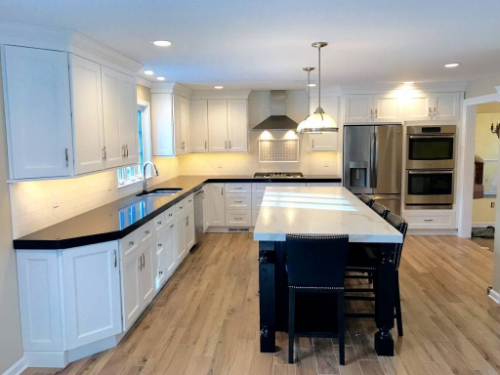
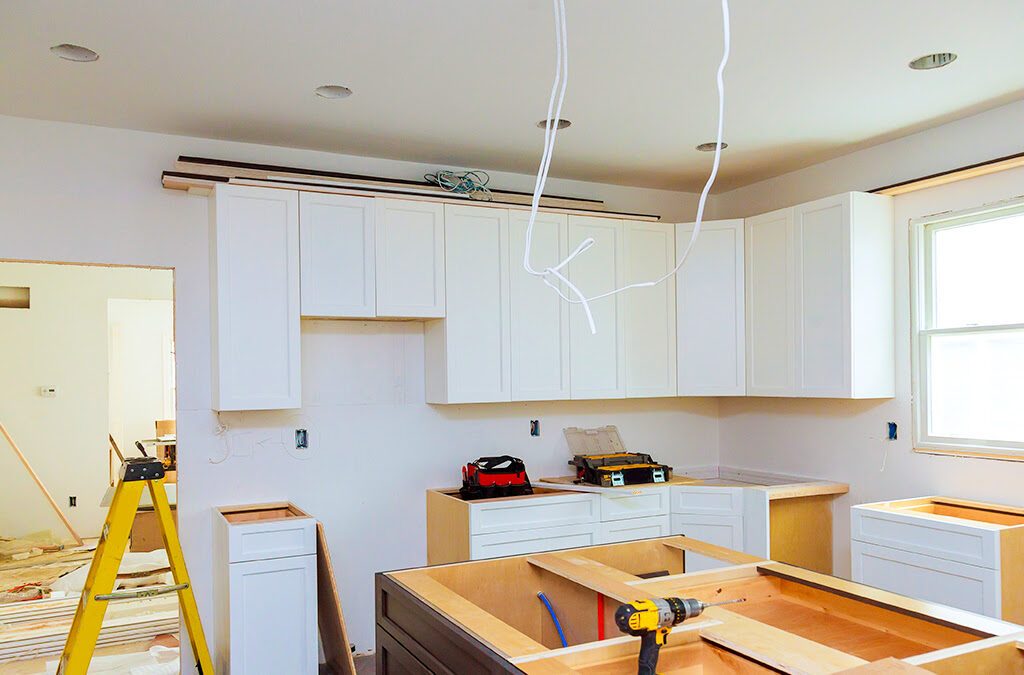
New Jersey kitchens have become way busier over the years. Families are making bigger meals as the kids try to finish homework at the kitchen island, and there’s usually a device somewhere playing music or pulling up a recipe. The espresso machine needs power, the air fryer needs power, the stand mixer needs power – and it all happens at the same time during breakfast when everyone’s phone charger and laptop are already taking up outlets. Most of the homes around New Jersey were built decades ago with either 60 or 100-amp electrical panels, and those panels just weren’t designed to take care of the demand that we’re all putting on them.
Holiday cooking season has a way of exposing just how outdated your home’s electrical system is. One tripped breaker can shut down your entire kitchen right in the middle of the meal prep and from there you’re stuck in this cycle where you have to unplug one appliance just to use another one. Otherwise you’ll be overloading the same circuits that were probably installed decades ago when the kitchens didn’t pull nearly as much power as they do today. Modern home kitchens are filled with professional-grade equipment and high-powered appliances. But most of the electrical systems in these homes just weren’t built for that load.
When your circuits can support everything you’re asking of them, your appliances get to run the way they’re supposed to – with no flickering lights in the middle of dinner prep and no breakers that shut off at the worst possible time. Add in some upgrades to the mix and your kitchen gets a lot more convenient to use throughout the day. We’re talking about everything from your first cup of coffee in the morning to the final cleanup before bed.
Here are the most popular electrical upgrades that New Jersey homeowners are going with for their kitchens!
GFCI Outlets Keep Your Kitchen Safe
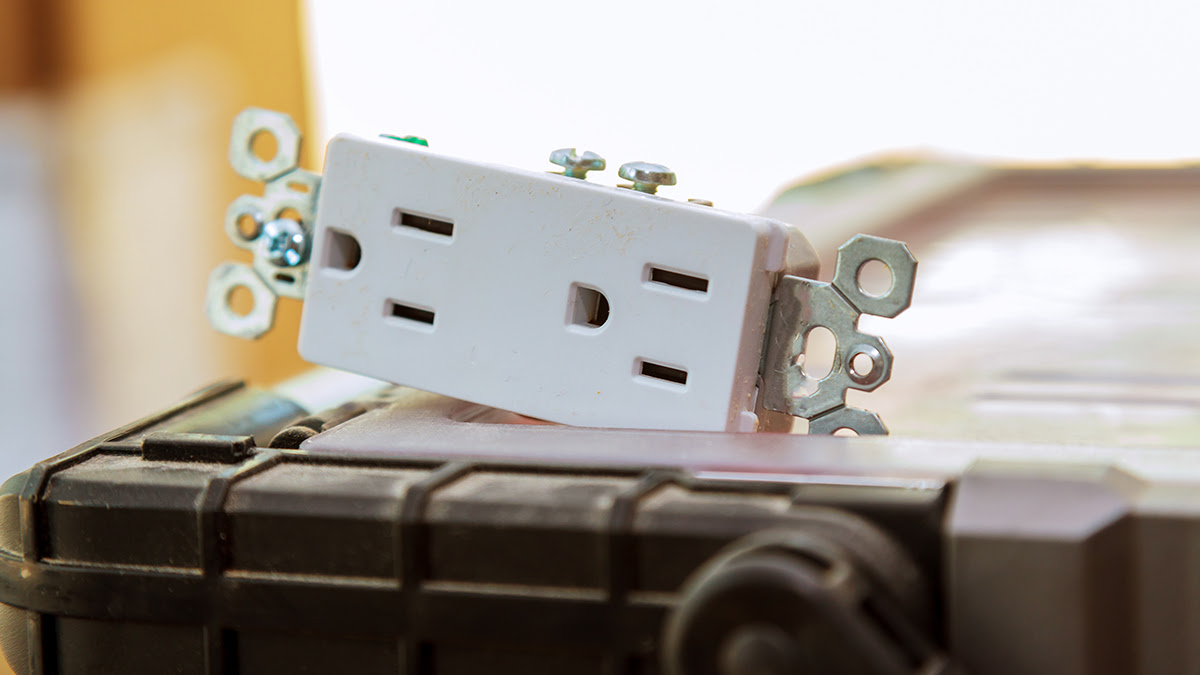
Ground Fault Circuit Interrupter outlets (we usually just call them GFCI outlets) are one of the best safety upgrades you can make in a New Jersey kitchen. The way they work is pretty simple but pretty clever – they monitor the electrical current, and if they sense any imbalance or irregularity in that flow, they cut the power off in an instant. We’re talking about very small fluctuations here, what would happen just before you get shocked. The outlet detects that something’s wrong and shuts everything down before any electricity can flow where it shouldn’t.
GFCI outlets are designed to be installed anywhere that water and electricity might come into contact. The area around your kitchen sink is where most homeowners start, and it makes sense – it’s probably the wettest area in your entire kitchen. The space near your dishwasher is another smart location. Your kitchen layout might mean you also want to add one near the refrigerator, especially if there’s any chance of water pooling or leaks in that area.
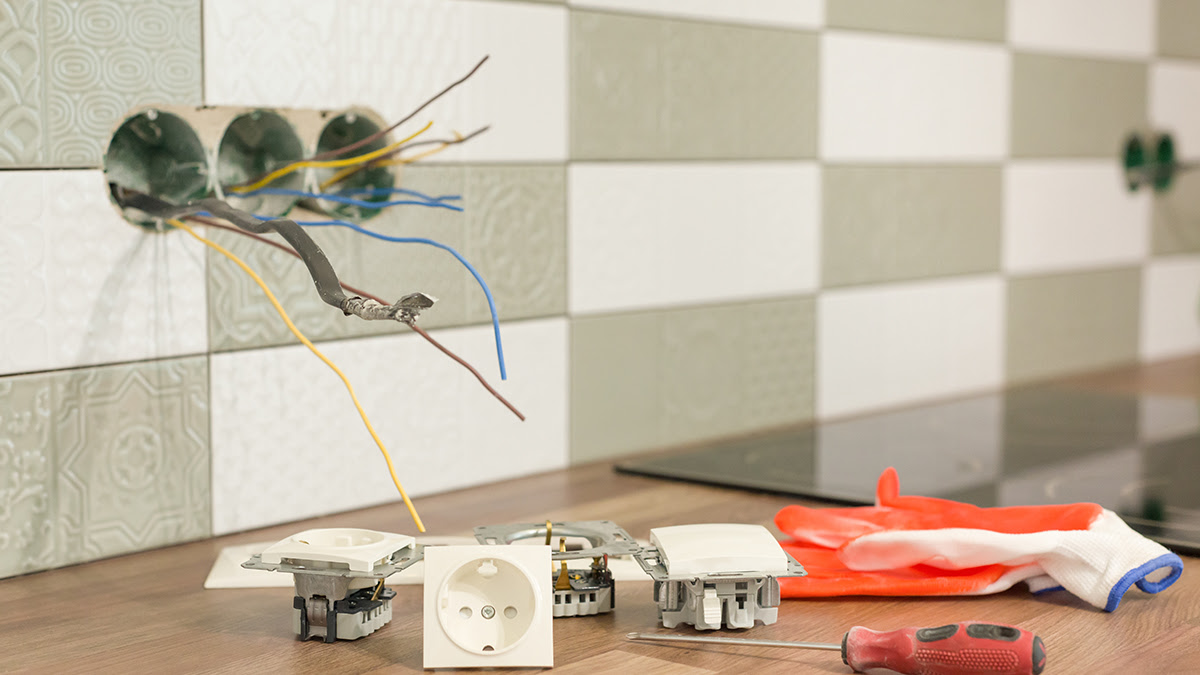
Families with young children love having GFCI outlets in their kitchens, and it makes sense. Kids want to help out with everything – washing dishes at the sink, grabbing snacks from the fridge and helping prep meals at the counter. These activities put them close to water and electrical outlets at the same time, and it can be dangerous without the right safety measures in place. GFCI protection is like a safety buffer during those everyday moments when your kids are trying to help out (or just curious). It’s one less worry if you have curious little hands around the house.
GFCI outlets have two small buttons built right into the face of the outlet itself. You’ll see one button labeled “test” and another one labeled “reset.” The test button is there so you can manually check if the outlet is still functioning the way it should – it temporarily cuts the power to see if the mechanism works. After the outlet trips (either from your test or from an actual fault), the reset button is what brings everything back on. You should test your GFCI outlets about once a month or so to confirm they’re still protecting you like they should.
When you’re doing a big kitchen remodel, some homeowners like to go all-in and replace every outlet with a GFCI. Other homeowners would rather tackle just the riskiest areas first and then expand it to the rest of the kitchen over time. In either case, you’re adding a safety upgrade that’ll help protect your family from dangerous electrical shocks around water.
Built-In USB Outlets for Your Kitchen
Power outlets in the kitchen used to be pretty simple – you just needed enough of them scattered around the room. But families want something that works a little better with how they actually use the space. Homeowners don’t want to sacrifice counter space just to charge a phone or tablet, and those big and clunky charging blocks that stick out from the wall don’t make life any easier either.
USB outlets are a perfect fix for this problem, and this explains their popularity as one of the most common electrical upgrades. They make them in a few different styles now, so you can choose whatever makes the most sense for your home. USB-A ports will work great with your older phones and devices. USB-C ports are built for newer phones and laptops, and they’ll charge them way faster than USB-A can. Some models even combine the two types of USB ports with your normal three-prong outlets in one unit.
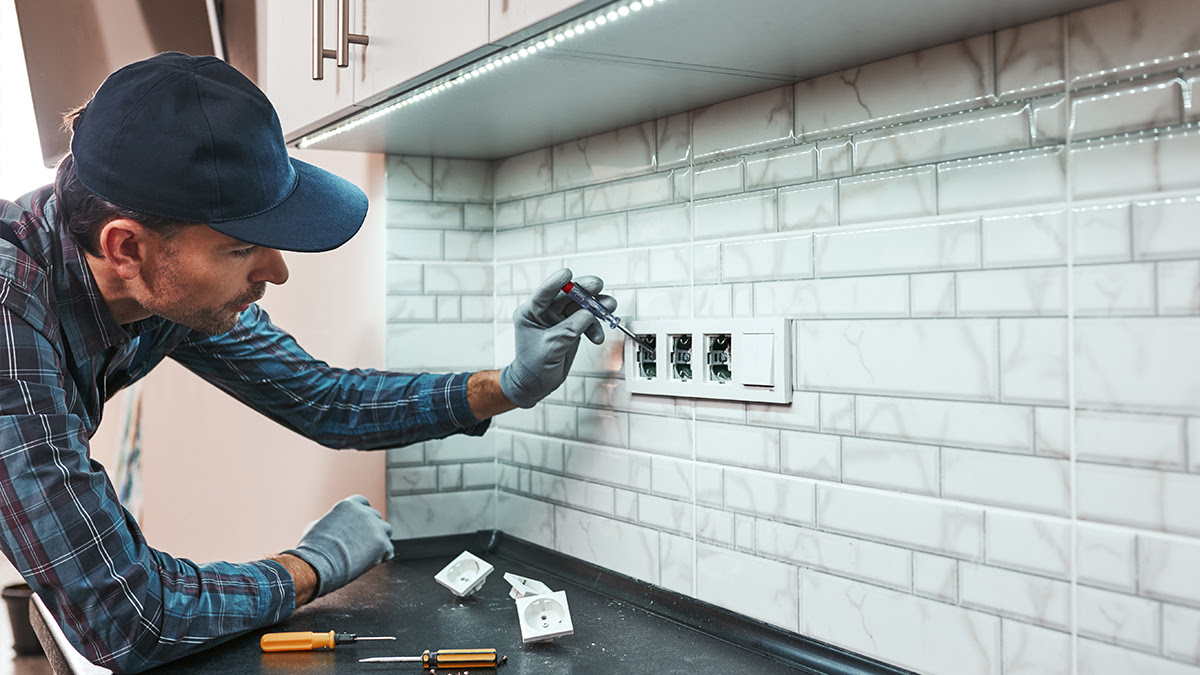
Placement matters just as much as the type of outlet that you go with. Pop-up outlets are a pretty popular option for kitchen islands because they let you charge phones, tablets and other devices right at counter level without any cords draped all over your workspace. Charging drawers take this concept even one step further – your devices can sit inside of the drawer and power up out of view. Hidden charging stations are another great option for families who want to tuck everything neatly away. These work really well if you install them inside of cabinets near a breakfast nook or desk area.
These outlets free up your normal wall plugs for the appliances that actually need to stay plugged in all day long. Coffee makers and toasters can stay right where they are, and you won’t have to unplug them every time that a family member needs to charge their phone. Working with a contractor can help you work out the best places to install them based on where everyone in your family tends to hang out in the kitchen. This way you can make it as quick as possible to charge your devices as you keep your counters free and open for when you actually need to cook.
Why Your Kitchen Needs Dedicated Circuits
A lot of us have been in the kitchen when the microwave turns on and the lights suddenly dim for a second. This happens when multiple appliances are trying to draw power from the same circuit at the same time, and each circuit can only handle that much electricity before it starts to get overwhelmed. Sometimes you won’t even be able to run your toaster oven and microwave at the same time because the circuit breaker will trip and shut everything down.
Separate electrical circuits for large kitchen appliances have become a pretty popular upgrade for homeowners. Each large appliance gets its own dedicated line that lets it draw the power it needs without having to share capacity with any of the other devices in your kitchen. The range can heat to full temperature, the dishwasher can run through an entire wash cycle and the garbage disposal can grind away at whatever you put down there – all at the same time, without any performance problems or interruptions.
Wall ovens and ranges draw a massive amount of power when they’re working to reach the high temperatures you need for roasting and baking. Dishwashers are in the same boat because they have a heating element that needs to warm up that water first, and then the motor has to spin those spray arms for the entire wash cycle. Giving each one of these appliances its own dedicated circuit means that you can finally stop second-guessing whether it’s safe to run them at the same time. Induction cooktops are one of the most popular upgrades for kitchen remodels, and it’s not hard to see why – they heat up very fast and let you dial in the temperature control with a lot more accuracy than gas or traditional electric ranges.
The main consideration for the installation is that induction units draw a fair amount of power, so they need dedicated electrical circuits to run safely and efficiently. When you’re planning your kitchen layout, your contractor can talk to you about what the model you’re looking at needs electrically and make sure that the wiring is set up correctly from the start.
Dedicated circuits will cost you some money up front. But they do pay for themselves over time. Once they’re in, you can cook full meals without that nagging worry about which appliance is going to overload your system and trip a breaker.
LED Lights That Transform Your Kitchen Space
Lighting has become one of the top priorities for homeowners who want a kitchen that actually functions well and feels inviting at the same time. The old approach (just one overhead fixture) doesn’t work all that well anymore – it leaves your countertops and work areas in shadow. Focused lighting solves this problem by putting light right where you need it most, at the places where you’re actually doing the work.
Under-cabinet lighting is an upgrade that matters when you’re making meals or trying to read a recipe card on the counter. Hardwired LED strips are a popular option for this application, and the main reason is the clean, polished look they create without any visible cords that run down to your outlets. The fixture stays tucked under the cabinets, so the light lands right where you need it most. When it’s turned off during the day, everything stays out of sight.
Dimmers give you a level of control that you just won’t get with a standard on-off switch. When you’re making dinner and chopping vegetables (or trying to read a recipe card), you’ll want those lights cranked to full brightness. Later in the evening when you have friends over, you can dial everything down to create a lot more relaxed and intimate feeling instead of that harsh, functional brightness. Your kitchen can adapt to whatever you’re doing at different times of the day and you’ll find that flexibility comes in useful.
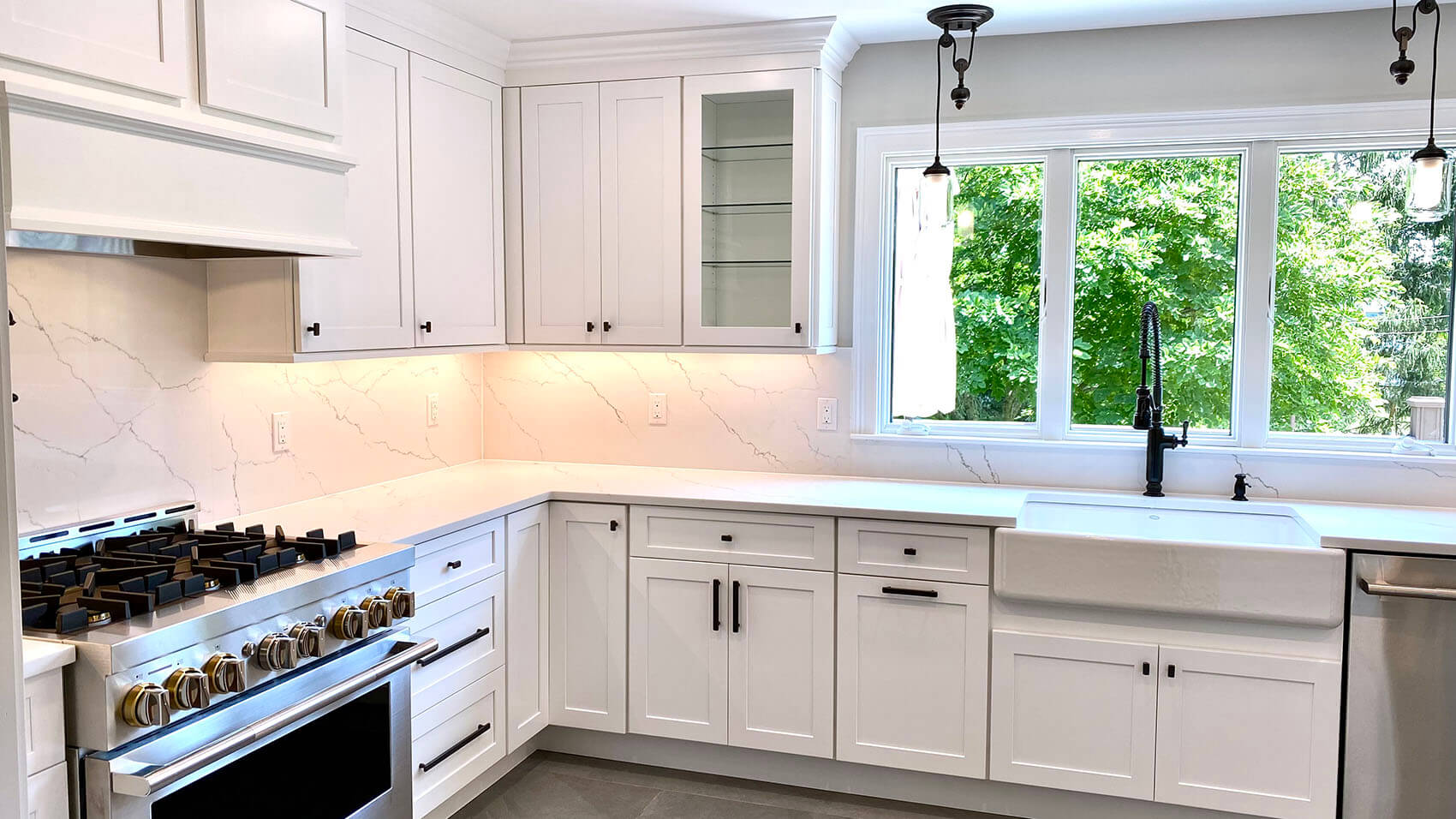
Warmer shades give you that welcoming, homey feeling that’s just right for the evening hours. Cooler shades feel more crisp and energizing in the morning when you have to wake up and get moving. Your electrician can go over the options with you so you can pick what fits best with your day-to-day life and what you like.
Lighting upgrades like these have become pretty standard in kitchen renovations and they’re popular for a reason – they solve real problems that homeowners run into every day. You’ll have far less eye strain as you’re cooking meals. You’ll have better visibility and it makes the whole process much safer too. On top of the functional improvements, better lighting changes the ambiance of your kitchen and turns it into a lot more inviting space to spend time in with your family or to entertain guests.
Contact Our Team Today to Start Your Project
Kitchen electrical upgrades might not sound like a big deal. But they actually make a difference in how you use your space each day. You’ll worry much less about safety when you have outlets and circuits that can support everything that you’ll have to run at the same time. Some minor projects like adding a few extra outlets or upgrading the lighting turn out to be changes that you won’t want to give up when you have them.

On the subject of wise decisions for your home improvement projects, our team at Magnolia Home Remodeling Group has been there for New Jersey families through these exact challenges for more than 30 years.
We take care of everything from beautiful kitchen transformations to necessary electrical upgrades that bring older homes to meet modern safety standards, and we treat every project with the same attention to detail we’d want in our own homes. Our project gallery shows dozens of kitchens where we’ve helped homeowners create spaces that are safer, more functional, and just right for their lifestyle. These are the spaces that are equipped to support everything your family needs now and well into the future. Get in touch today!