One of the more common large-scale remodels we see in New Jersey homes is the addition of an in-law suite. These can be major projects, but they can add significant utility and value to your home, so it’s no surprise that they happen frequently.
Due to the scale (and budget) involved, planning an in-law suite is serious business. You want to get it right, or as close to right as possible, with a minimum of problems down the line. That means planning is critical. So, let’s talk planning! How do you plan and design an in-law suite the right way? With 30+ years of home renovation experience at our backs, we’ve done our fair share of in-law suites, and we’d love to help you with yours as well. So read on, get some thoughts in mind, and give us a call to get started.
What is an In-Law Suite?
First of all, what even is an in-law suite?
In-law suites are sort of like miniature apartments built into your property. They’re also known as secondary suites, accessory dwellings, or private secondary living areas. They don’t need to be for in-laws, but that’s a common use for these kinds of spaces, which is how they earned the name.
In-law suites can come in three different forms, as well.
- Internal suites. These are suites remodeled into your existing home. They can have their own exterior access, but don’t need to. They’re mostly segmented away from the main home for the sake of privacy. Converting a basement, attic, or the space over a garage into an in-law suite is common.
- Attached additions. These expand on the footprint of your home, adding a room or two to your existing building. They share walls, utilities, and access with the main home, though they can also have their own exterior access as well. The interior access is what separates an in-law suite addition from a duplex, basically.
- Detached additions. These are entirely separate, stand-alone buildings. They’ll still be on your property, share utilities, and be under your control, but they don’t share access with your main space.
Regardless of the form they take, in-law suites share common features. They’re more or less independent dwelling units, such that your in-laws (or whoever else ends up living in them) have their own space, their own privacy, and their own capacity to use the space as a home. That means in-law suites have their own bathrooms and, often, even their own kitchenettes and laundry machines.
Specific designs, facilities, and other considerations for in-law suites tend to vary regionally, and can vary based on considerations like the property you have available, your budget, and more. Pinning all of this down ahead of time can help prevent unwanted surprises later.
What Does an In-Law Suite Need?
For an in-law suite to be useful and comfortable, what does it need?
The specific checklist varies, but usually you want:
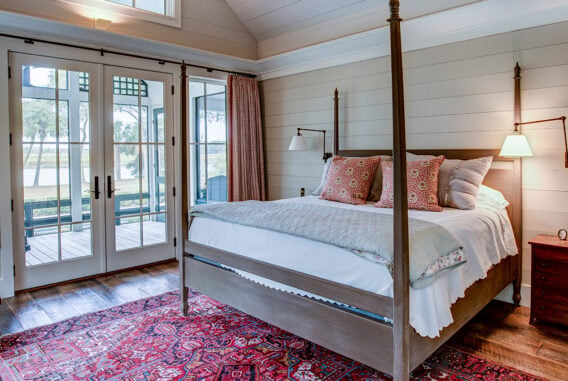
- Bedroom space. The key feature of an in-law space is a bedroom, since this will serve as living quarters for family members. But it’s more than just a bedroom; otherwise, you wouldn’t call it a suite.
- A bathroom. For an in-law suite to be a suite, it needs at least a half bathroom, and usually a three-quarters bath (that is, a sink, toilet, and shower, but not necessarily a tub.)
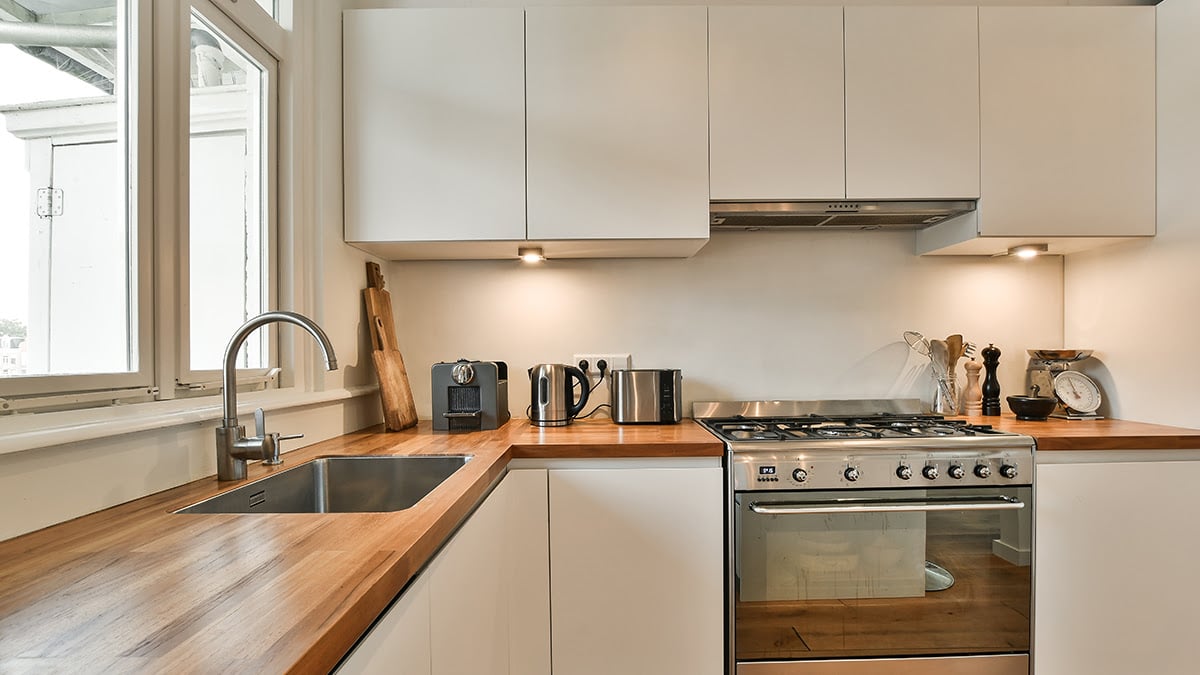
- A kitchenette. A bedroom with a bathroom is still in “master bedroom” territory, so to make it a full in-law suite, it usually has at least a kitchenette. There can be complications in some areas with adding a full kitchen, especially to a detached suite, but that’s a matter for specific location planning we can do once you’ve called us.
- Privacy and access. In-law suites don’t necessarily need their own exterior access, but they often have it, so that your in-laws have their independence. Detached in-law suites, of course, don’t have interior access to your home outside of giving residents a key.
Additional nice-to-have features for an in-law suite can include:
- Laundry service. Not everywhere has its own laundry machines, certainly, and shared laundry facilities are common in homes with smaller in-law suites, but for larger suites or detached suites, having laundry machines available is a huge benefit.
- Extra living space. An in-law suite that is nothing more than a bedroom and bathroom with a few kitchen appliances can feel cramped, so a bit of extra space just for living can be beneficial. That said, if you go overboard, you’re just building another house.
- Accessibility. The most common use of an in-law suite is for older parents to move in for easier care, and older parents often have mobility issues. That means accessibility options, from hand railings to stairlifts and more, are welcome. If you have flexibility in design, wider halls and doors to accommodate walkers and wheelchairs are also ideal.
- Separate utilities. Particularly for detached or addition in-law suites, having separate utilities is both another element of independence, and a way the unit can be converted into a rental space once the in-laws no longer need it. Separate power, water, and sewer connections can all be under consideration.
The full extent of what you want to add to your in-law suite depends a lot on your purpose. If you’re adding it as a living space for in-laws, many of the optional extras are very nice to have. If you want to rent out the space down the line, more independence is also useful. If you’re adding it as a temporary living space for others, but will integrate it with your home down the line, you might not need as much separation.
Bear in mind, as well, that the larger, more elaborate, and more separate or detached the space, the more it will cost. Adding separate utility meters and HVAC all costs money, as do additional appliances, and larger spaces have higher requirements for materials and labor.
Where Should You Put an In-Law Suite?
Where, in your home, should you add an in-law suite? You have a lot of different options, all with their own pros and cons.
Convert Your Attic
Attic space is a common location for added living space, including in-law suites. It’s usually space that exists in an unfinished state in many homes, so finishing it and turning it into living space is a common value-add.
There are several downsides to attics, though. For one thing, they’re more difficult to access, necessitating stairs, which can be difficult for the mobility-challenged in-laws. It’s also often a relatively small space, with low headroom and awkward walls. This leaves less room for kitchen, laundry, and even bathroom facilities. It’s also much more difficult to add exterior access.
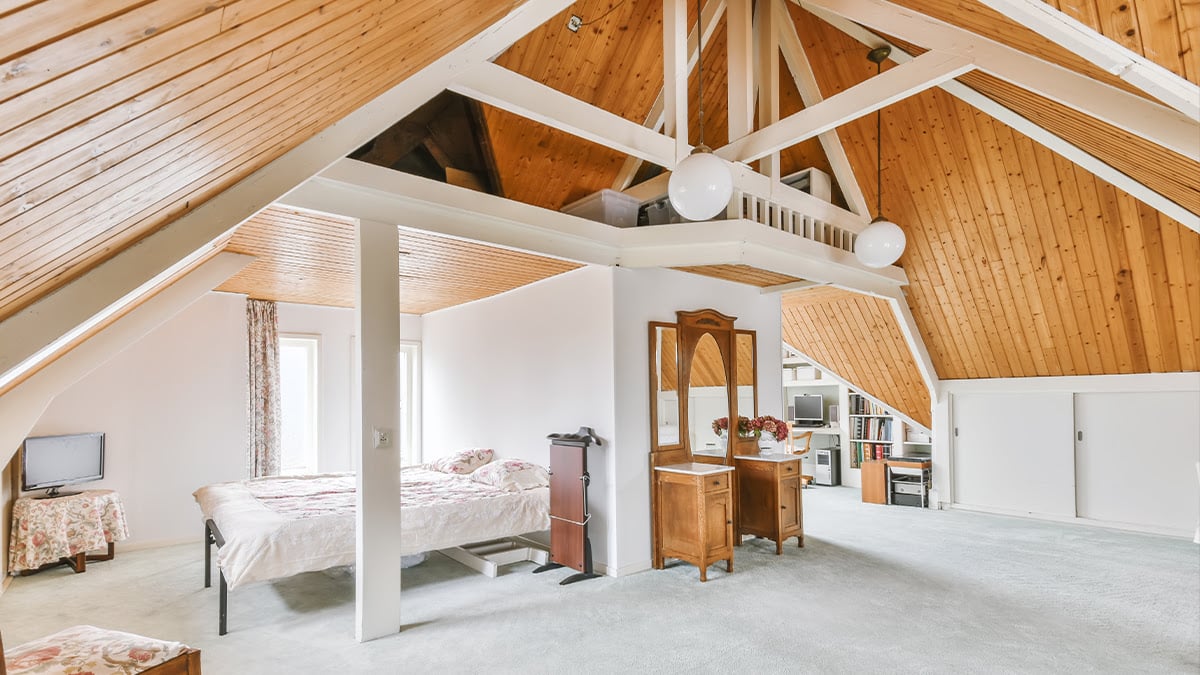
On the other hand, attic space doesn’t require a lot of the work other spaces might, like foundation work, entirely new construction, and so on. This makes it one of the less expensive options for location.
Note that converting the space over a garage into an in-law suite is very similar to converting an attic, and has many of the same concerns.
Convert a Disused Room
Sometimes, you might have a larger home with a room or two that you no longer make use of. This is particularly common for families that moved into a larger home to raise children, but those children have now gone off to college or moved on to their own lives, leaving those rooms empty.
Since these rooms are often on the main floor of a home, it’s easier to add exterior access, and adding separate utilities, facilities, and other amenities is easier. You don’t need a lot of the renovation work, like reinforcing floors, insulating roofs, or other labor, either, since it’s already part of the home.
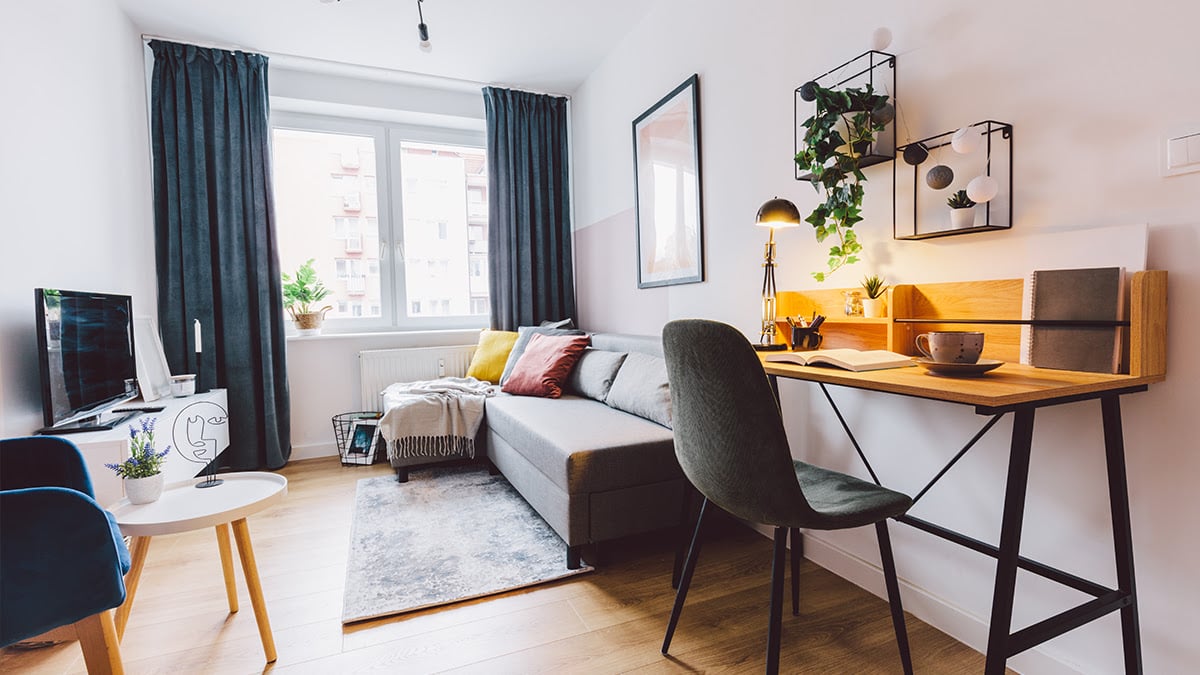
There are two main downsides to this option. One is that not every home has this kind of extra space, and sacrificing a more commonly used room in this way can feel like a downgrade. The other is that it can be hard to make these rooms feel truly independent, which can cause problems later, particularly with noise.
Enclose a Porch
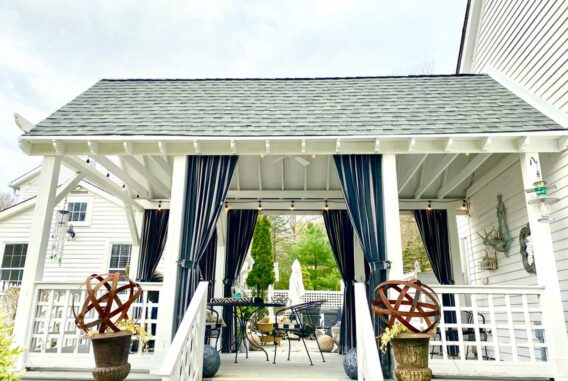
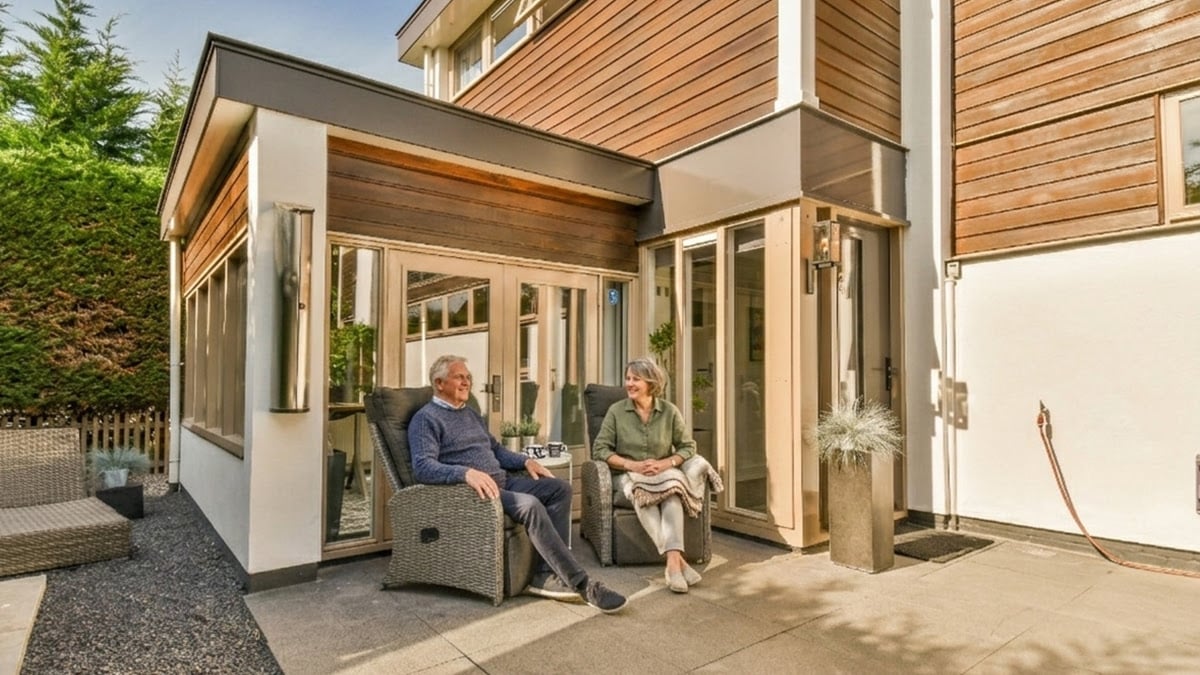
A porch or patio space can be enclosed and converted into an in-law suite as a sort of low-barrier addition. A full addition requires more foundational work, quite literally with a new foundation, while a building that encloses an existing porch may have that work already done.
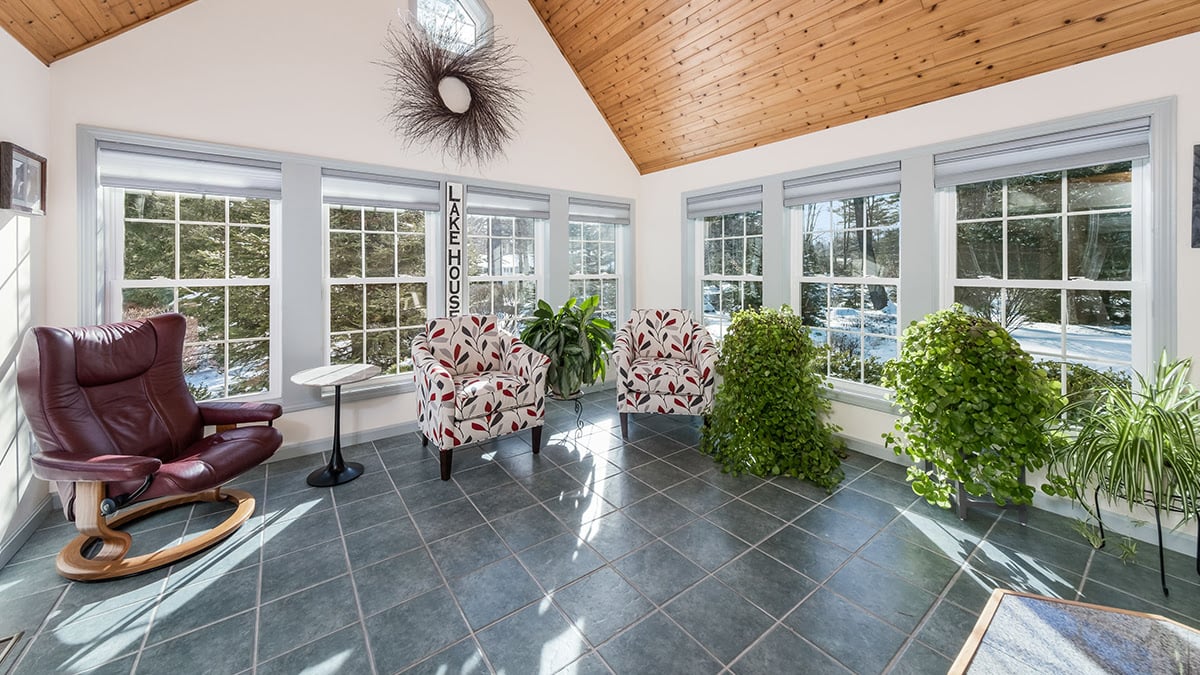
This offers a potentially larger footprint, but it does run the risk of disrupting the flow or appearance of a home, which is why rear porches are more often converted than front porches. But it’s much easier to make an independent space this way, so it’s a common option.
Finish a Basement
Finishing a basement and converting it into an in-law suite is also a common remodeling project. Basements can often be largely disused space that is nearly the same size as the rest of the home, which makes them ideal for conversion.
Access and accessibility can be an issue here, similar to attic or over-garage spaces, since stairs will be required. Exterior access can be tricky as well, since a door would need to be installed, possibly in a sunken access or with stairs leading up to a new sheltered doorway. It can be a significant project to add that access.
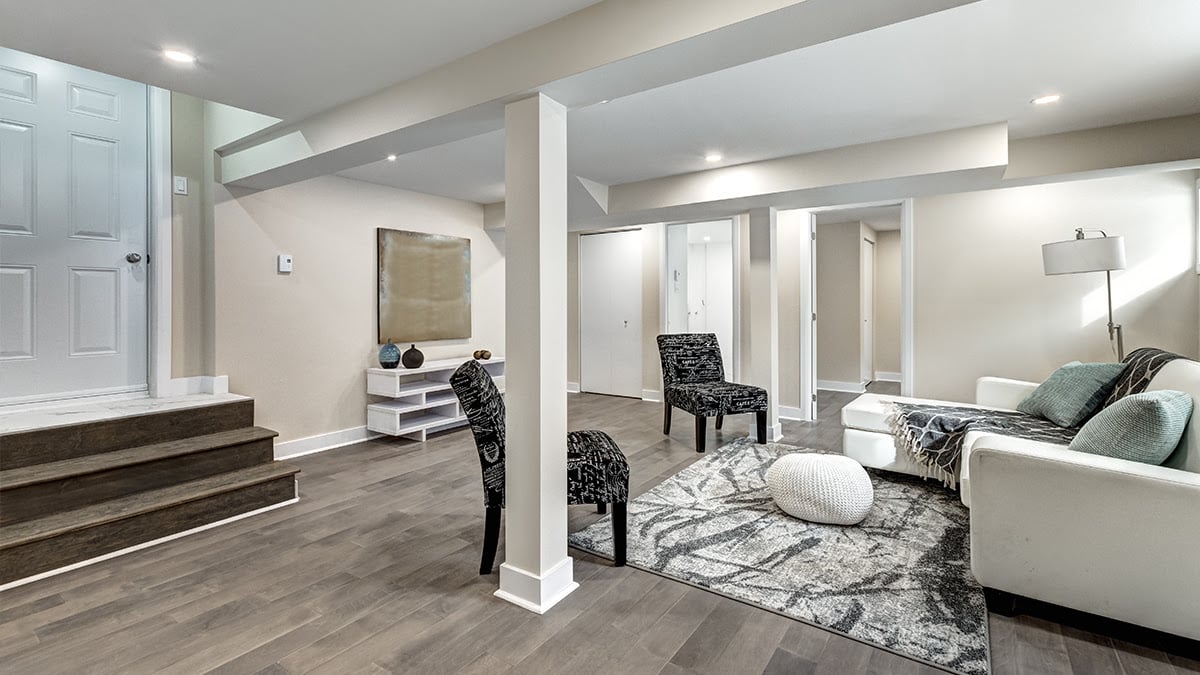
Finished basements do have a few unique concerns for utilities; if you need to move your laundry machines for your own dwelling, and if you’re installing a below-grade bathroom, you may need special work for drainage and sewage control. It’s all very common and doable, but can add to the costs and challenges.
Fortunately, finishing a basement is a very good project for home renovations, even if it’s not for your in-laws, so it’s a great choice with positive returns.
Converted Garage
While an over-the-garage in-law suite is somewhat common, another option is to convert the garage entirely. Sure, parking in the driveway or on the street can feel like a downgrade, but when you’re otherwise pressed for space, it’s a great option. Converted garages are often simple spaces, and require a decent amount of work to properly insulate and hook up to utilities, but at least you aren’t building a whole new structure, right?
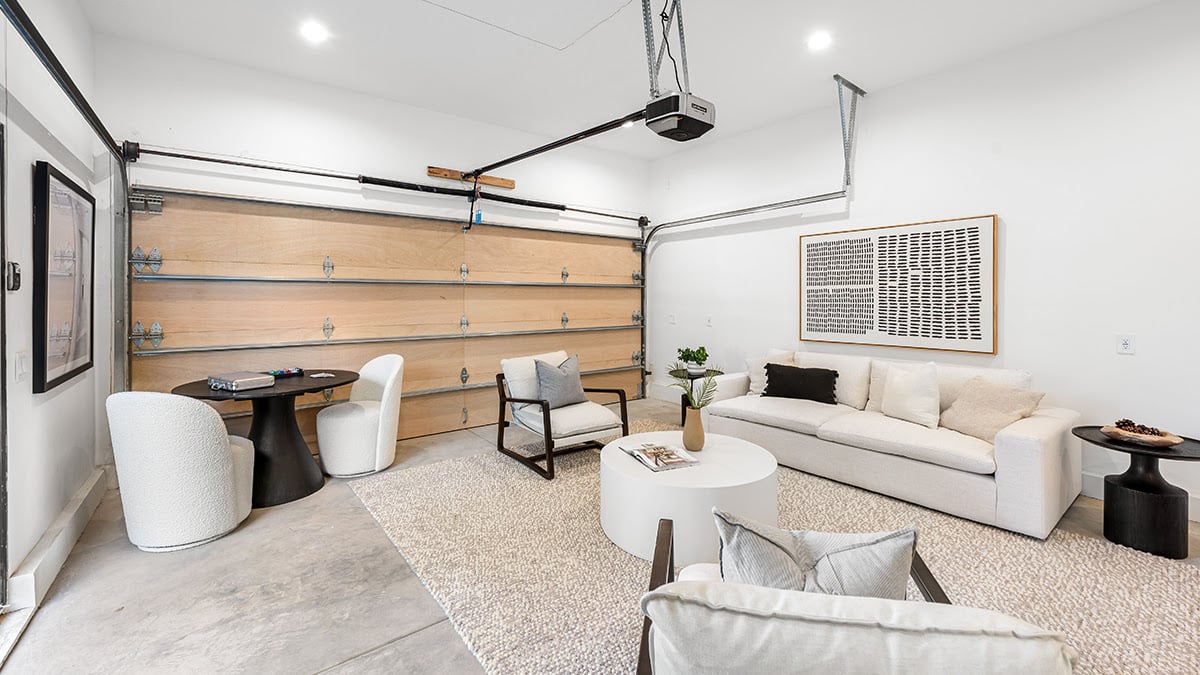
The flip side is that it’s extremely customizable. Garages tend to be fairly large spaces, even if they don’t feel like it when you have a car or two in them, and you have complete customization control for everything but the footprint as you go.
Other Options
While what we’ve covered above are the most common options, there are some others to consider as well.
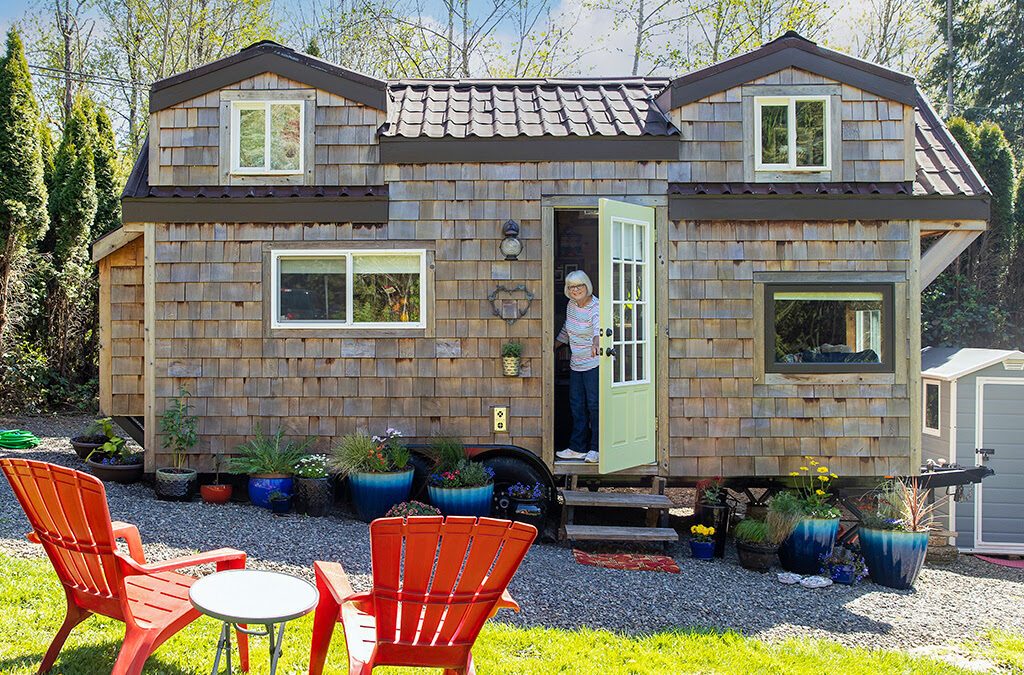
- Converting a shed. This is a “tiny home” version of a detached in-law suite, and they’re quite effective for people willing to prioritize efficiency over space, or if you’re very limited on space in your property.
- Adding a full addition. Additions require a decent amount of groundwork, but they give you a lot of flexibility without the extent or expense of a whole new unit. They’re common if you have the budget and space for them, but not everyone does.
- Building a new unit. A fully detached in-law dwelling is the largest and most elaborate of these construction projects, but it is, effectively, building an entirely new home, customized each step of the way. It’s a very good, but very expensive, option.
Regardless of which option you choose, adding an in-law suite is a very powerful remodel option for any homeowner. You’re not just adding living space to care for elderly relatives; you’re adding living space to your home, opening up future possibilities for rental income or added storage and utility, and of course adding to the value of your home overall.
To get it right requires a lot of planning and the right execution, which means you need experienced professionals on your site. That’s where we come in. At Magnolia Home Remodeling, our 30+ years of experience in home renovations backs up a proven track record of satisfaction. From the planning to the building to the finishing, we’ll work with you to make sure you’re getting exactly what you want.
So, to discuss the possibility of an in-law suite, give us a call! We’ll talk design, we’ll talk options, and we’ll give you a quote so you can plan your renovation with confidence.