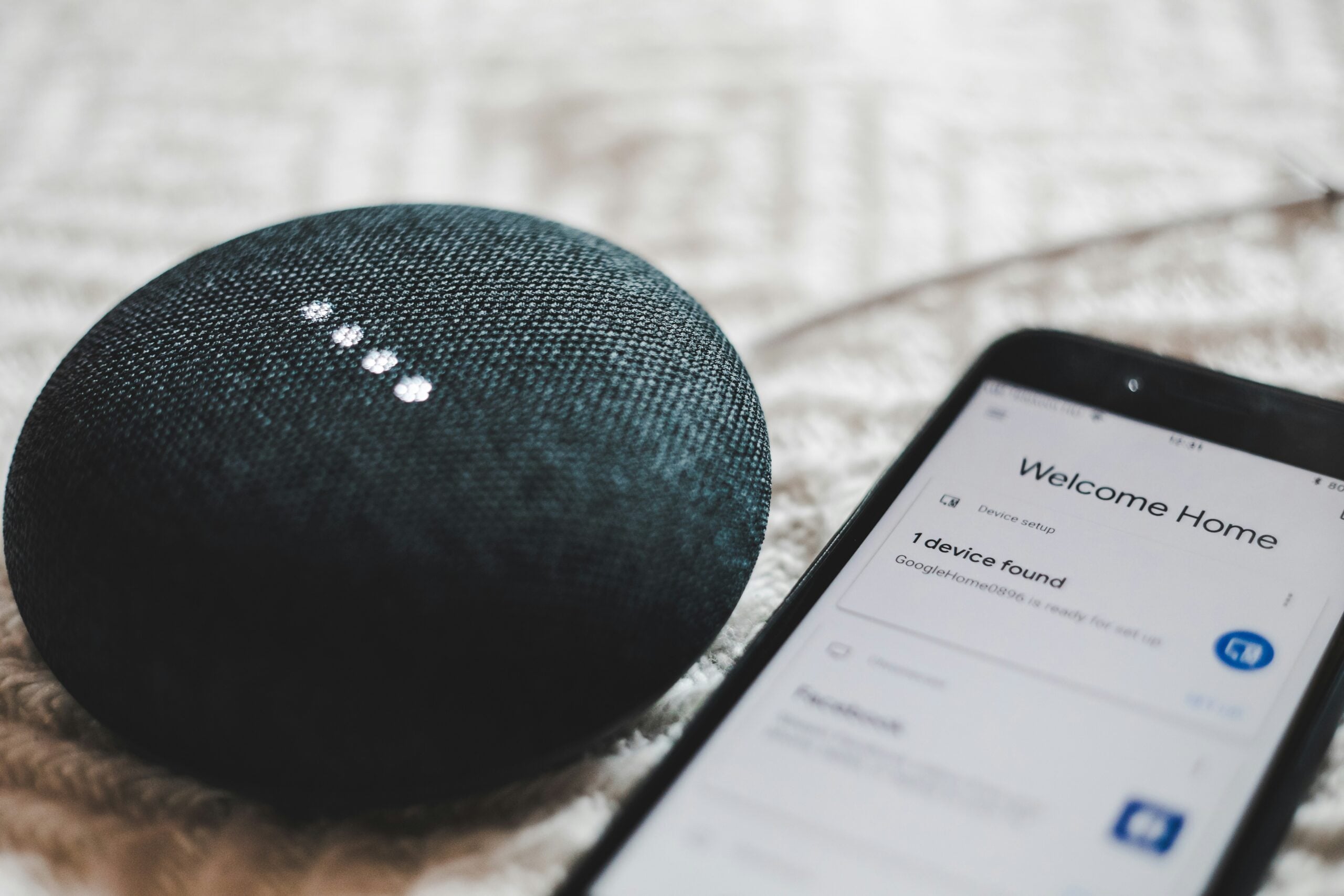
Smart home technology is no longer reserved for high-end new construction or tech enthusiasts. Across New Jersey, more homeowners are incorporating smart home features into everyday living, not for novelty, but for comfort, efficiency, and long-term value.
At its core, a “smart home” uses connected systems and automation to make daily life easier. These features allow you to control temperature, lighting, security, and other systems through centralized controls or mobile devices. When implemented thoughtfully, smart home upgrades can improve how your home functions while supporting energy awareness and future resale value.
As technology evolves and buyer expectations shift, automation is becoming less of a luxury and more of a practical upgrade. In this article, we’ll explore why smart home features matter for New Jersey homeowners, highlight the systems that deliver the most value, and explain how planning these upgrades during a remodel can lead to better results over time.
Comfort and Everyday Convenience
One of the most immediate benefits of smart home features is improved comfort. Instead of manually adjusting multiple systems throughout the day, homeowners can manage key home features from a single interface.
Centralized control allows you to adjust temperature, lighting, and select home systems using your phone, tablet, or voice assistant. Whether you’re relaxing in the evening or heading out for the day, these tools make it easier to create a comfortable environment without constant intervention.
Automation also adapts to your routines. Intelligent systems can learn when you’re typically home, asleep, or away, making adjustments automatically. Lights can dim in the evening, thermostats can adjust overnight, and systems can power down when the house is empty.
For many homeowners, the most significant advantage is simply fewer daily adjustments. Once preferences are set, your home works in the background, maintaining comfort without requiring ongoing attention.
Energy Efficiency and Cost Awareness
Beyond convenience, smart home features play a meaningful role in how New Jersey homeowners manage energy use. With fluctuating seasonal temperatures and rising utility costs, efficiency has become a priority for many households.
Innovative systems provide real-time insights into energy usage, helping homeowners understand where power is being consumed and where adjustments can be made. This awareness allows for more informed decisions about daily habits and system settings.
Automation further reduces unnecessary consumption. Heating and cooling systems can scale back when rooms are unoccupied, lighting can turn off automatically, and schedules can prevent systems from running longer than needed.
For homeowners focused on long-term operating costs, these efficiencies add up. While smart home features are not about cutting corners, they help ensure energy is used intentionally, aligning comfort with cost awareness.
Key Smart Home Features That Add the Most Value
Not all smart home technology delivers the same return. The most valuable upgrades tend to be widely adopted, easy to use, and proven to improve daily living rather than introduce complexity.
Homeowner-friendly systems with a track record of reliability typically offer the most potent combination of functionality, efficiency, and resale appeal. Instead of focusing on novelty tech, it’s often better to invest in features that integrate seamlessly with how people already live.
Below are the smart home features that consistently provide the most value for New Jersey homeowners.
Smart Thermostats
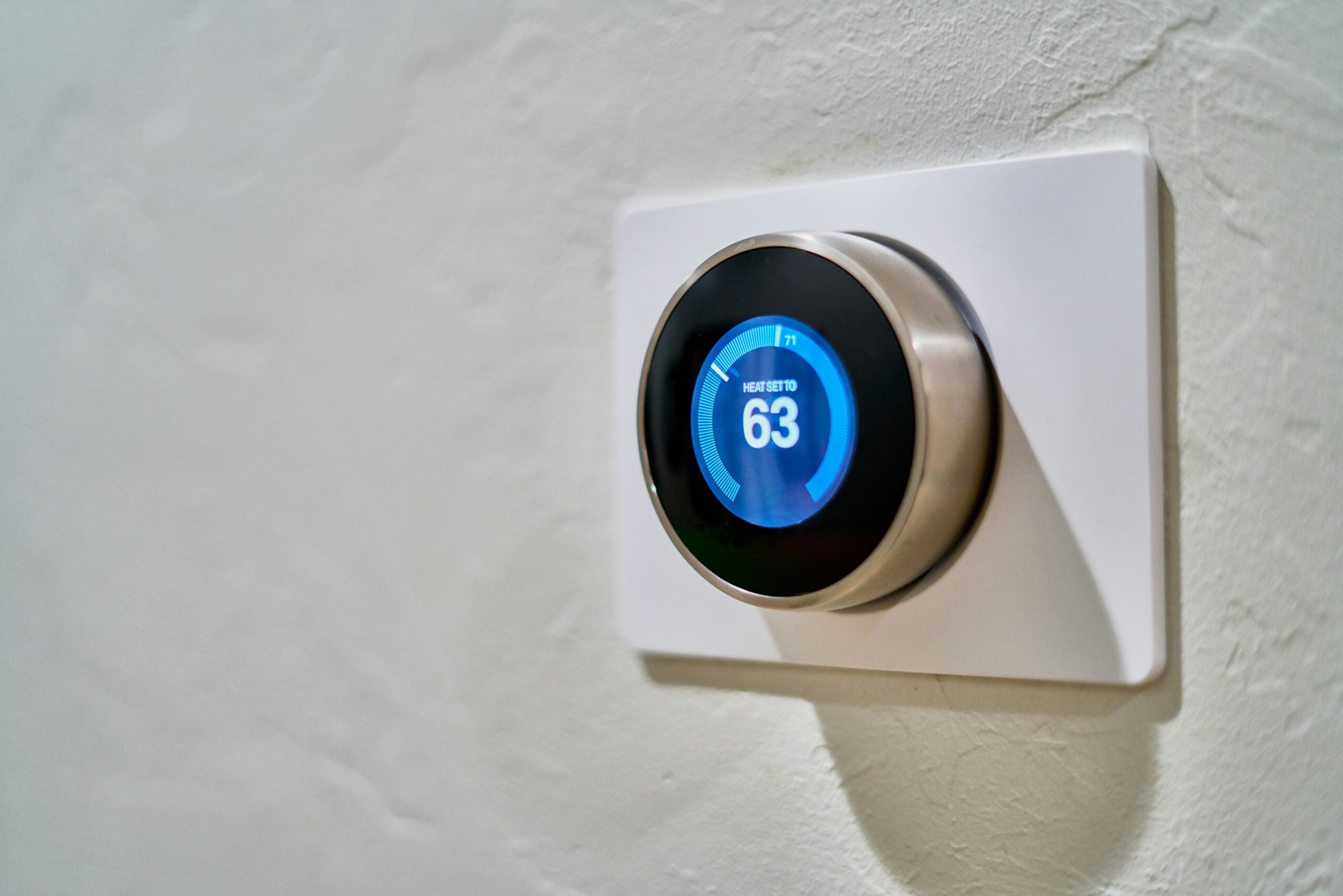
Smart thermostats are among the most impactful upgrades for residential homes. They provide adaptive temperature control based on occupancy, schedules, and real-world usage patterns.
In a state like New Jersey, where seasonal temperature swings can be significant, this adaptability matters. Smart thermostats can reduce heating and cooling when the home is empty and restore comfort before occupants return.
These systems also appeal to efficiency-minded buyers. When prospective homeowners see a smart thermostat installed, it signals that the home has been updated with practical, energy-conscious features, often without requiring additional investment after purchase.
Smart Lighting Systems
Lighting automation improves more than just convenience. Smart lighting systems enhance ambiance, support safety, and reduce unnecessary energy use.
Custom lighting scenes allow homeowners to adjust brightness and mood throughout the day, whether for work, relaxation, or entertaining. Automated schedules ensure lights turn on and off at appropriate times, even when no one is home.
Remote access also adds a layer of security. Being able to control lights while traveling or away from home can make a property feel occupied, which many homeowners find reassuring.
Motion sensors and scheduling reduce energy waste by preventing lights from staying on longer than needed, becoming a simple upgrade with noticeable everyday benefits.
Smart Security and Monitoring
Modern smart security features focus on visibility and control rather than complexity. Integrated cameras, video doorbells, and motion detection systems allow homeowners to monitor activity in and around their homes from anywhere.
Remote access provides peace of mind during workdays or while traveling. Alerts notify homeowners of unusual activity, and live video feeds offer real-time insight without requiring constant monitoring.
For families and frequent travelers, these systems add reassurance while supporting modern expectations for home safety.
How Smart Home Features Influence Resale Value in NJ
In competitive New Jersey real estate markets, smart home features can help a property stand out. Buyers increasingly expect homes to include modern conveniences, especially when shopping in higher-demand areas.
Smart features differentiate listings by signaling that a home has been thoughtfully updated. They reduce the need for immediate post-purchase upgrades, which can be appealing to buyers who want move-in-ready spaces.
The perceived value of smart home features often matters more than their upfront cost. Buyers see these upgrades as practical enhancements rather than optional add-ons, especially when they contribute to comfort and efficiency.
As technology continues to shape housing expectations, homes with integrated smart systems are better positioned to attract tech-savvy and efficiency-focused buyers.
Planning Smart Home Integration During a Remodel
The best time to integrate smart home features is during a remodeling project. Planning automation early allows systems to be incorporated cleanly and intentionally rather than added later in a piecemeal way.
Coordination between electrical, HVAC, and finish work ensures that smart features function as a cohesive system. Wiring, device placement, and system compatibility can all be addressed before walls are closed and finishes installed.
When smart upgrades are planned together, they work better and look better. Homeowners avoid visible workarounds, exposed wiring, or incompatible components.
For homeowners considering interior remodeling in New Jersey, incorporating smart features into the design phase helps maximize the renovation’s value and ensures everything works seamlessly from day one.
Working With a Full-Service Remodeling Team
Smart home integration benefits from professional planning and execution. A full-service remodeling team considers system compatibility, scalability, and long-term usability, not just installation.
A clean installation preserves the look and feel of the finished space while ensuring that technology enhances rather than distracts from the design. Clear communication throughout the remodel keeps homeowners informed and confident in each decision.
When automation is planned as part of a comprehensive home remodeling project, homeowners benefit from a coordinated approach that balances functionality, aesthetics, and future flexibility.
Key Takeaways
Smart home features are becoming a practical standard for New Jersey homeowners, not a passing trend.
- Smart home features enhance comfort, efficiency, and daily convenience
- Automation supports energy awareness and long-term savings
- Buyers increasingly view smart features as expected, not optional
- Thoughtful integration during remodeling delivers better results
- Experienced guidance helps homeowners invest with confidence
With the right planning and professional support, smart home upgrades can improve how your home functions today while adding value for years to come.