Architectural vs 3-Tab Shingles for NJ Roofs
Jun 26, 2026
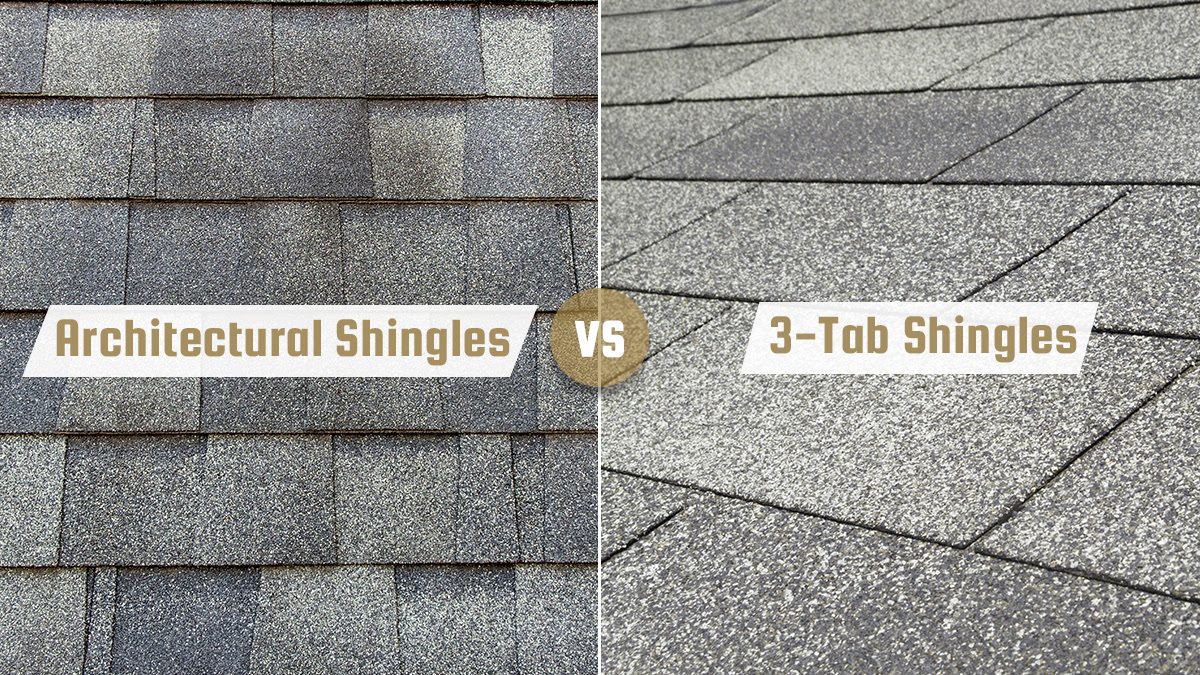
One of the great debates in roofing centers on the type of shingles you use. The two big contenders are architectural shingles and 3-tab shingles.
Now, looking at the roofs around you, you might not pay much attention. It stands out when there's a slate or metal roof, but shingles are shingles, right? Sure, they come in different colors and patterns, but how much difference can there be?
The answer is: quite a lot, actually, and your choice between these two options can be surprisingly impactful.
And you know, here in New Jersey's northern counties, that a roof can take a beating. Whether you're near the coast in Bergen or Hudson, or you're more inland in Hunterdon, Warren, or Sussex, you have a lot of the extremes of weather to handle. Hot summer sun and UV rays, fierce storms with high winds and hail, cold winters with snow loads and freeze-thaw cycles; we see it all here in NJ.
Your roof is what stands between all of that and the interior of your home. You need a good, solid roof to withstand it all, to protect your home and keep you safe and happy for many years to come.
We'll give you a general rundown of these two kinds of shingles throughout this post, but sometimes general information isn't enough. If you want our expert opinion as 30+-year home renovation experts here in NJ, we're happy to help. Just reach out for a discussion and a free consultation and quote for your specific home. We'll help you weigh the pros and cons of each option, discuss what concerns you may have, and help you come to a decision that fits your needs and your budget.
For now, though, read on for our rundown on the pros and cons of 3-tab and architectural shingles.
Key Takeaways
3-tab shingles are asphalt shingles made in possibly one of the simplest designs you can come up with other than individual shingles. They're made out of a fiberglass mat base, which is coated in asphalt, and covered in mineral granules to provide protection, weather and UV resistance, and more.
These shingles are divided across the middle; the upper half is a solid section, meant to be overlapped by the shingles above. The lower half is more heavily coated and has two lines cut in it, forming three "tabs" of shingle. This is what gives the shingles their appearance. The heavier coating is because these tabs are the parts exposed to the environment.
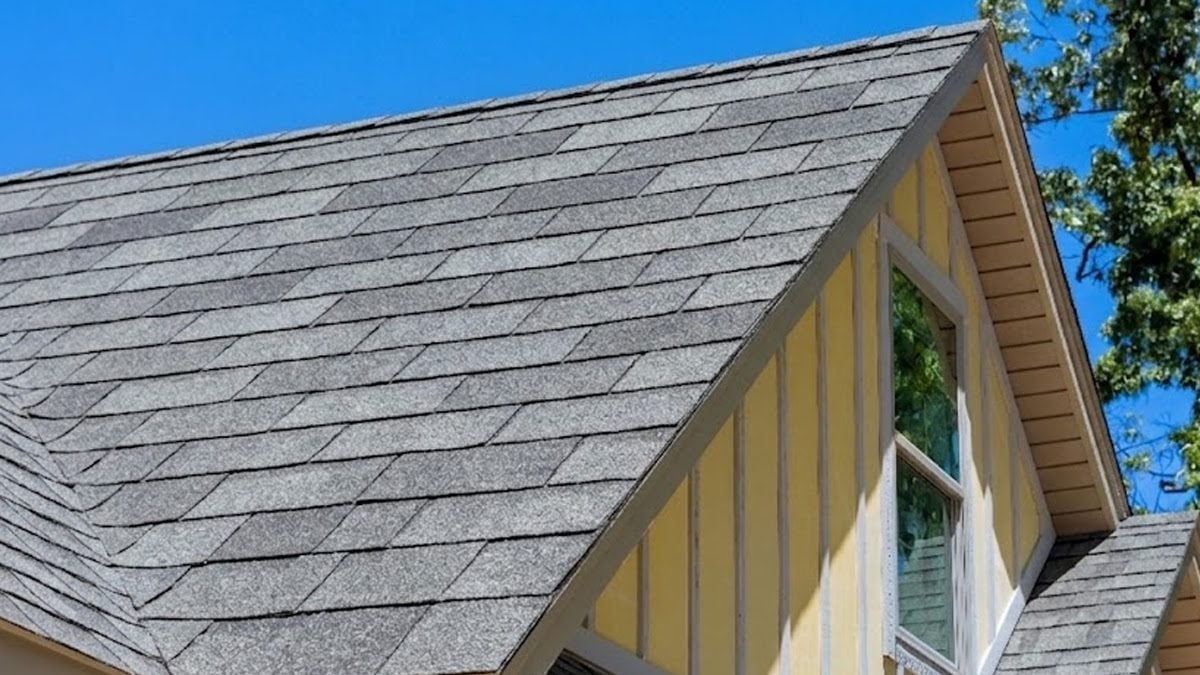
There's a good chance that the vast majority of the roofs you've seen throughout your life have been 3-tab shingles. They're among the most affordable and easiest to install kinds of roofing, so they're the general go-to in a lot of cases, and have been since the 1930s. There are trade-offs for these benefits, though.
There's a reason that 3-tab shingles have been the go-to for nearly a century now. The benefits definitely stand out.
3-tab shingles are cheap. 3-tab asphalt shingles are pretty much the cheapest possible roofing material. The only one cheaper is rolled roofing, which is just long rolled strips of asphalt shingle material, and you only save $1-2 per square foot while trading off half the lifespan of the roof. 3-Tab shingles have stood up over the years as an incredible balance of cost and durability.
3-tab shingles are light and easy to install. While this doesn't matter so much to you once they're installed, it matters when you're having the work done. They're light and easy to manage, they're simple and easy to install, and roofing contractors are very familiar with how to do it fast and correctly. All of that means your roof replacement can be done much more quickly, which saves on labor costs for the project.
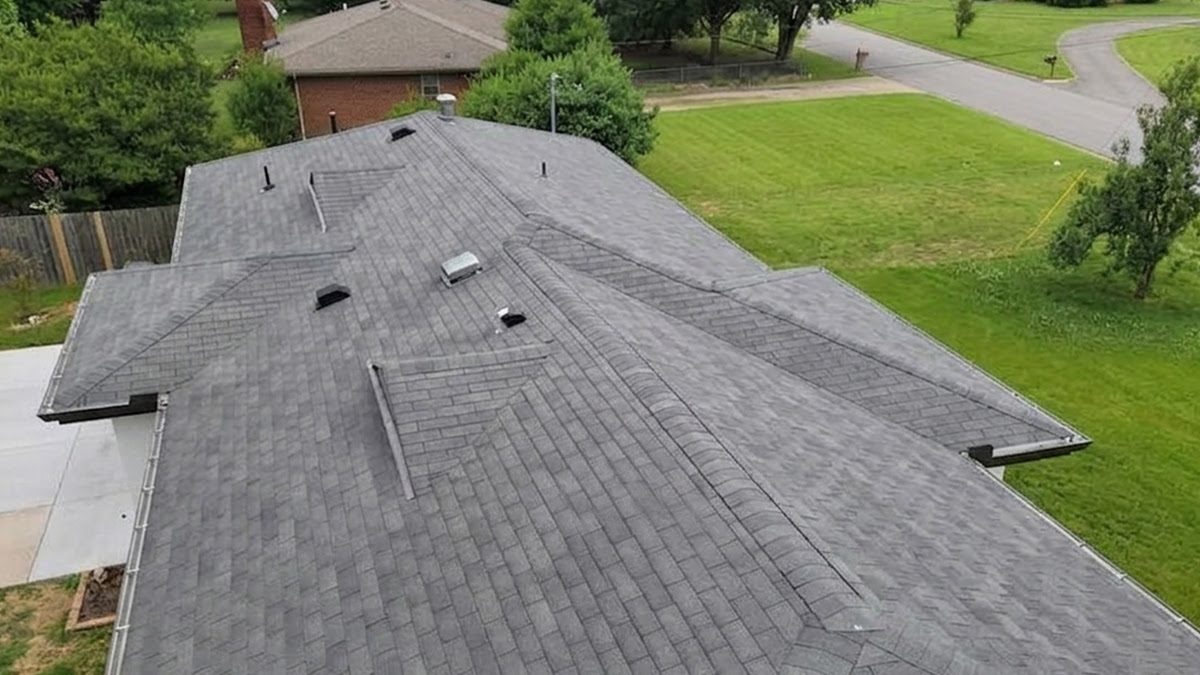
3-tab shingles have a simple, classic look. Where aesthetics is concerned, opinions can vary. If you're looking for a classic, low-profile roof that doesn't stand out, 3-tab asphalt shingles are the go-to. Of course, if you want something that stands out more, you can explore other options.
3-tab shingles also come in a range of different colors. While the simple cool grays are common, you can have blues, greens, browns, and whites, along with many other options, depending on the brand you choose. Picking a color that matches and complements your exterior is easy.
If there were no drawbacks, there would be no debate. There are a few good reasons you might consider architectural shingles (or another option) instead of your classic 3-tab shingles.
3-tab shingles have a shorter lifespan on average. While it's not as short as a rolled roof, 3-tab shingles tend to last around 15-20 years here in New Jersey. Over time, they can curl, crack, or be pulled loose by high winds. Freeze and thaw cycles, especially if your roof builds up ice dams, can work shingles loose and get moisture under them. Extreme weather can wear away at the mineral coating and lead to premature failure, too.
3-tab shingles are particularly susceptible to wind damage. Properly-installed 3-tab shingles are usually rated to around 60 mph winds. That's fine for a lot of places, but some of the stronger storms in New Jersey can average 70 mph winds or get as high as 90 mph.
This is even more of a concern if you're along the coast. Coastal storms and the hurricanes that occasionally come through can be very strong, with records reaching 125 mph or more.
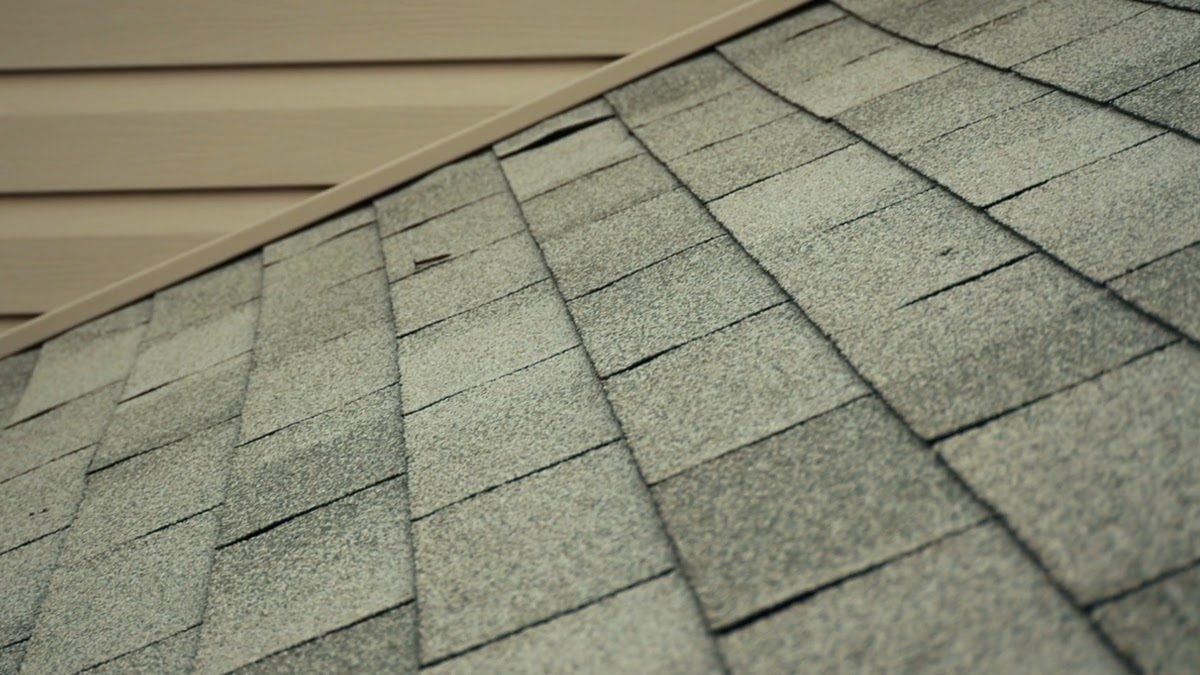
3-tab shingles are slowly falling out of favor. This has two main impacts that you might be concerned about.
The first is that, over time, shingle manufacturers are discontinuing some of their less popular products. If you get one of the rarer colors or designs, and need to repair your roof later, it can be difficult to match the shingle precisely.
The second is that 3-tab shingles don't add as much value to your home. Any home renovation project will add some value, but the return on investment for basic 3-tab asphalt shingles is lower, precisely because they aren't as durable or as beautiful as other options.
There are many different kinds of roof materials you can choose from, but one that has been growing in popularity is the architectural shingle.
Architectural shingles are still asphalt shingles, which is why they're the most direct competitor to 3-tab shingles. They're still made of fiberglass, asphalt, and a mineral coating. Unlike 3-tabs, though, architectural shingles are made of multiple layers bonded together. This gives the shingles a thicker and more dimensional look. This is why they're also known as laminated or dimensional shingles.
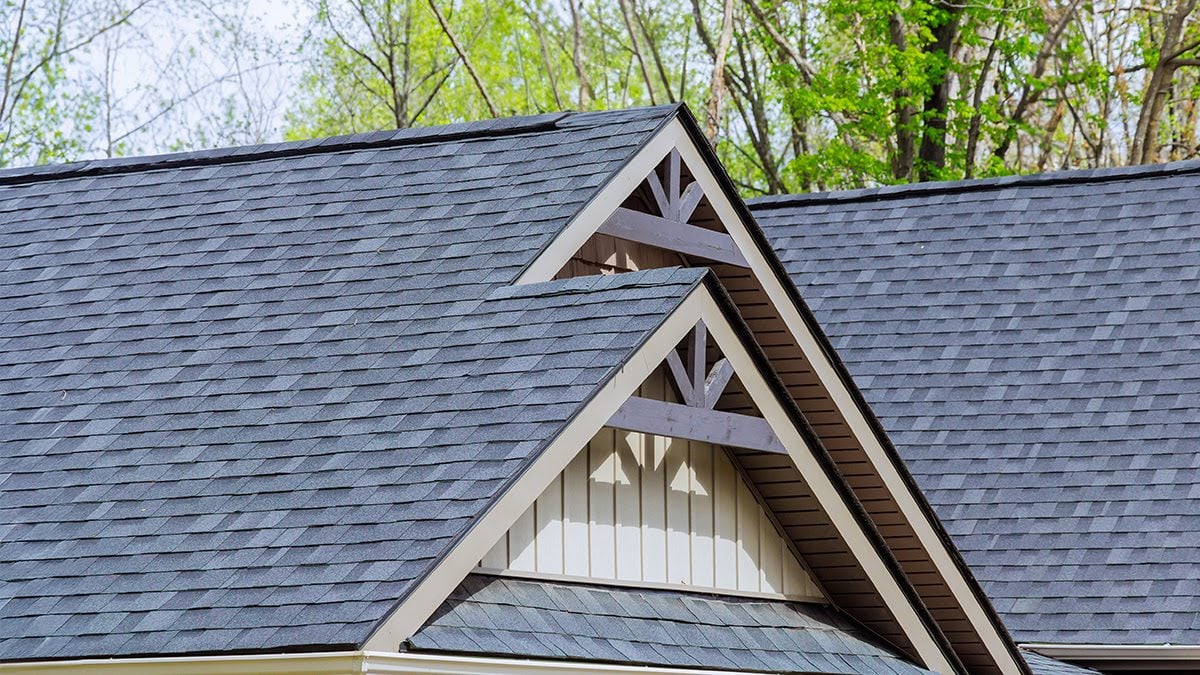
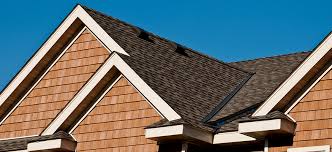
Architectural shingles are not as flat or as smooth as 3-tab shingles. They tend to have a bit of variance, a bit of waviness, and a bit of texture to them. Some products accentuate this by using designs meant to mimic the look of wooden shakes or slate tiles. Others go for a more modern look and use geometric designs, scaled patterns, or other designs that stand out.
If you've seen a neighbor get their roof replaced, and the end result looks kind of like asphalt shingles, but has more texture and an interesting pattern to it, they probably used architectural shingles.
Why are more and more people turning to architectural shingles over 3-tab shingles? The advantages are clear.
Architectural shingles are stronger, more durable, and last longer. Since they're made of multiple layers, they more easily withstand any kind of damage. They don't crack or warp as easily, they're heavier and more difficult to get to come loose or lift up, and they can withstand a lot more punishment from rain, hail, or UV. They have a higher fire rating as well, and are usually rated to resist winds up to 130 mph.
The longevity is important, too. Where 3-tab shingles last around 15-20 years in NJ, architectural shingles last closer to 25-30 years, especially if they're well-installed and well-maintained. Architectural shingles have been known to last up to 50 years in some places around the country, but New Jersey is a little too harsh for that to be reasonable in our experience.
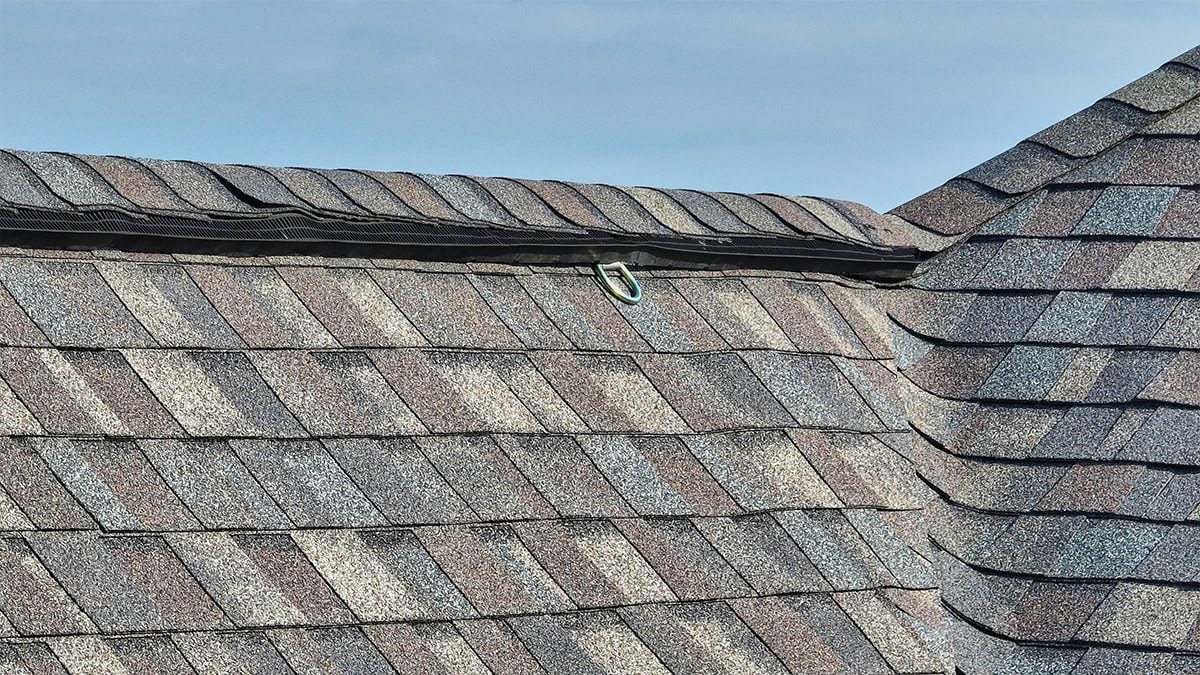
Architectural shingles are more attractive to many people. Picking a roof design you love can bring you joy every time you come home and see it. Alternatively, picking a more attractive design can make your home more attractive to potential buyers. A new roof is a good selling point either way, but one with better looks and longevity can be a great boost.
Architectural shingles have better financials. Yes, they'll cost more to buy and to install, since they're heavier, thicker, and require more care to put in. But the scales tip in the other direction rapidly from there.
All of these are powerful and compelling reasons to go with architectural shingles, so it's no wonder many of our roofing customers choose them.
There are a small handful of drawbacks to architectural shingles that are worth discussing.
Architectural shingles have a higher up-front cost. The difference is around $2-3 per square foot, plus added costs for labor because it's a slower and more precise process to install them. The long-term savings add up, which is why we recommend financing if they aren't quite in your budget, but that decision is ultimately yours to make.
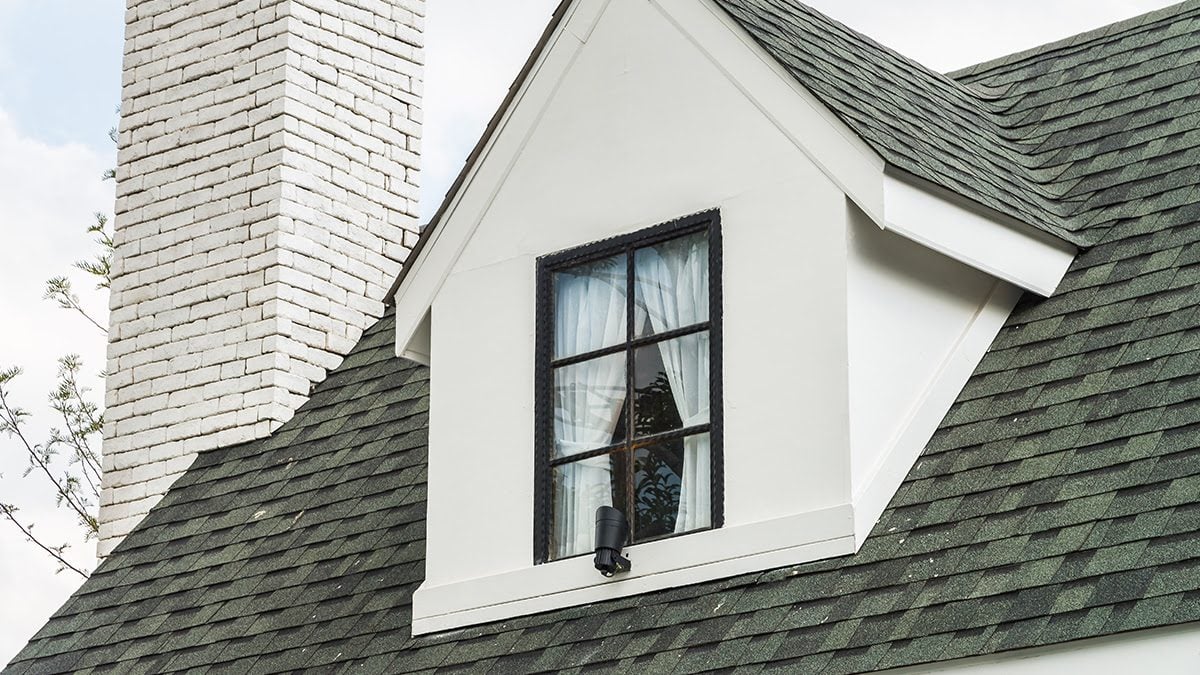
Architectural shingles are heavier. That's good for wind resistance and durability, but it does mean your roof has to be able to handle it. In some cases, especially in some older homes around New Jersey, it may require some reinforcement of the roof, which is a big addition to the project. You may need a structural assessment to find out, too.
Architectural shingles are slightly more prone to fostering growth. Mold, algae, moss; these things thrive where there are cracks, moisture, and space for them to grow. Architectural shingles offer more gaps and more divots for these growths to take hold, which means you'll need a bit more maintenance in keeping your roof clean.
So, what's the verdict? Which kind of shingle is better for your home?
| Feature | 3-Tab Shingles | Architectural Shingles |
|---|---|---|
| Construction | Single, flat fiberglass-asphalt layer with a uniform look | Multiple bonded layers for a thicker, dimensional, textured look |
| Lifespan in NJ | Around 15-20 years | Around 25-30 years |
| Wind Resistance | Rated to about 60 mph | Rated up to 130 mph |
| Up-Front Cost | Lowest cost asphalt option | About $2-3 more per sq ft, plus higher labor |
| Weight & Installation | Light and fast; installs in a couple of days | Heavier and slower; older homes may need reinforcement |
| Appearance | Flat, classic, low-profile | Dimensional and textured; can mimic wood shake or slate |
| Durability & Fire Rating | More prone to cracking, curling, and lifting | Stronger against hail and UV; higher fire rating |
| Warranty & Insurance | Shorter warranties; little insurance benefit | Better warranties; may lower insurance costs |
| Maintenance | Lower; fewer gaps for growth | Slightly higher; more divots can foster mold or moss |
| Home Value / ROI | Lower return on investment | Higher value boost and curb appeal |
| Best For | Tight budgets, fast timelines, homes that can't support heavier roofing | Long-term durability, storm resistance, and resale value |
Both work, and both are acceptable, so it depends a lot on what you want out of your roof.
If you want a long-lived, durable roof that will stand the test of time and reduce ongoing maintenance or early repair costs, architectural shingles are the way to go.
If you're on a tight budget and just want a roof replaced so you can stop water damage or get the home ready to sell, 3-tab shingles stand out as the better choice.
Architectural shingles tend to have better curb appeal, a better cost profile over time, and better resistance to the harsh weather New Jersey can throw at a home.
On the other hand, 3-tab shingles have the lowest up-front cost, and can be installed in a couple of days.
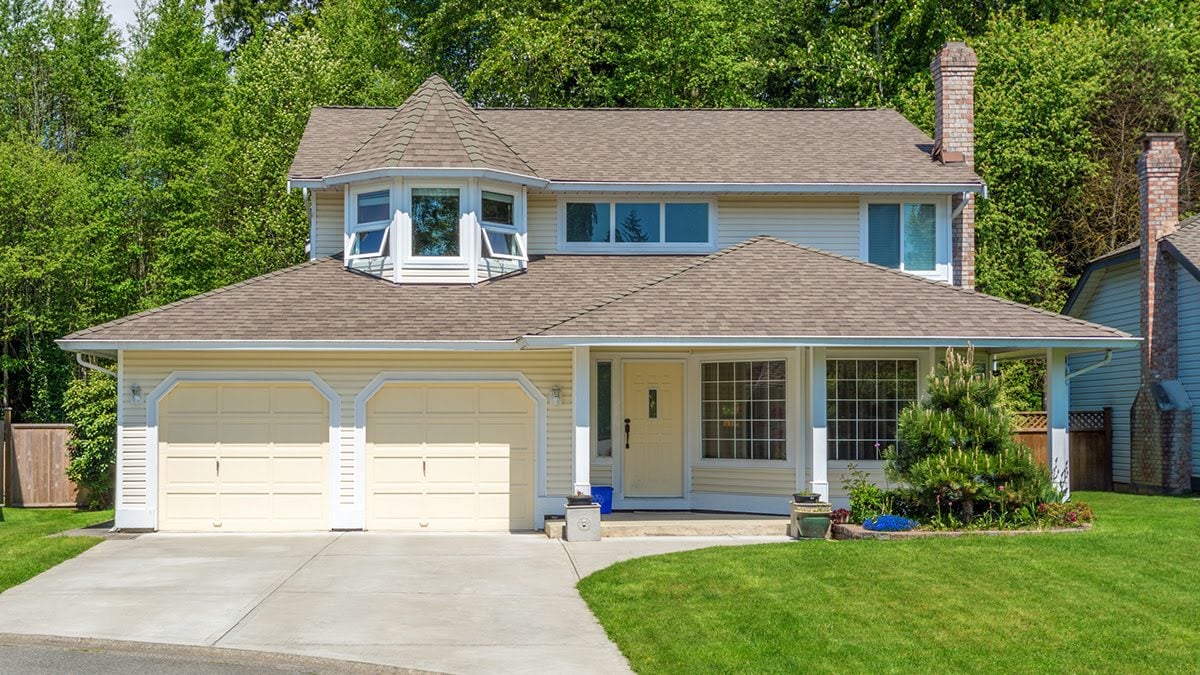
At Magnolia, we generally recommend architectural shingles when we can. We find that the durability really matters here in New Jersey, especially when it comes to storm damage and winter ice.
3-tab shingles are really only the better option if you're on a very tight budget or timeline, or your home would need to be reinforced for heavier roofing, and you can't swing that kind of project.
Either way, we're here to help, whether you want to go with architectural shingles or 3-tab shingles, or even explore other roofing materials. You can contact us for a discussion and a free estimate, you can work with us to get financing for your project, and we're more than happy to share what successful roofing projects in the area look like so you can see the options directly.
So, if you're anywhere in North or Central New Jersey, including Middlesex, Somerset, Hunterdon, or anywhere north of those counties, we're here to help. Just reach out to get the process started on your new roof, and rest assured that your home will be protected for decades to come.
What is the main difference between 3-tab and architectural shingles?
Both are asphalt shingles, but 3-tab shingles are flat, single-layer, and uniform, while architectural shingles use multiple bonded layers for a thicker, dimensional, more textured look. This added construction gives architectural shingles greater durability, a longer lifespan, and stronger resistance to wind and weather, making them a popular upgrade choice.
How long do 3-tab and architectural shingles last in New Jersey?
In New Jersey's harsh climate, 3-tab shingles typically last around 15-20 years. Architectural shingles last longer, closer to 25-30 years, especially when well-installed and maintained. While architectural shingles can reach 50 years elsewhere, NJ's extreme weather, freeze-thaw cycles, and storms make that lifespan unrealistic for our region in our experience.
Are architectural shingles worth the higher cost?
Often, yes. Architectural shingles cost about $2-3 more per square foot plus added labor, but they offer long-term savings. They need fewer repairs, carry better warranties, increase home value more, and may lower insurance costs. For many NJ homeowners, the durability and curb appeal justify the higher up-front investment, and financing can help.
Which shingle handles New Jersey's weather and high winds better?
Architectural shingles handle severe weather far better. They're typically rated to resist winds up to 130 mph, while 3-tab shingles are usually rated around 60 mph. Given NJ storms can reach 70-90 mph inland and 125 mph along the coast, architectural shingles offer significantly stronger protection against wind, hail, and UV damage.
Which shingle type should I choose for my home?
It depends on your priorities. Choose architectural shingles for durability, longevity, curb appeal, and better long-term value, which we generally recommend for NJ. Choose 3-tab shingles if you have a tight budget or timeline, or your roof can't support heavier materials. Contact us for a free consultation to decide what fits your needs.