A failed home renovation inspection is never what you want to hear after you thought everything was already finished. What started out as a great upgrade to your house now has to pause completely, and you’re left to work through unexpected delays and extra costs that weren’t part of the original plan.
The same types of code violations show up again and again across New Jersey – bathroom outlets that can’t take the load, heating systems that can’t quite reach the new additions, basement bedrooms that are missing the egress windows needed for emergency exits. Nobody catches these problems until the final inspection and usually gets scheduled right after the contractors have finished up and moved on to their next project. New Jersey’s building codes are there for a reason – they protect families from dangers like electrical fires, carbon monoxide poisoning and structural collapse. Inspectors have to enforce these standards even when it means the delays and extra costs that feel pretty frustrating for everyone involved.
Prevention beats correction every time with renovation inspections. A contractor who stays current with what the state expects will put you way ahead of the game. Before any work starts, ask detailed questions about how they plan to take care of the project.
So here’s why some home projects need a second inspection and how to skip it!
When Your Home’s Electrical System Struggles
Most of these problems are going to be fairly obvious when they come up. Maybe that new bathroom outlet won’t power your electric toothbrush like it should. Or the kitchen island you just had installed trips the breaker every time you plug in the coffee maker.
Sometimes the problems are a little bit harder to see when issues are just starting to go wrong. Your lights might flicker slightly if you turn on the microwave. A new bathroom fan might run just fine but it doesn’t actually move much air. Little problems like these can be a sign that your electrical system might not be able to take on everything you’re asking it to.
Modern homes pull a lot more electricity than they did just 10 or 15 years ago. Electric car charging stations in the garage are becoming more common every year. Home offices need steady power for computers and monitors that stay on all day long. Home features like automated lighting and security systems also need their own reliable, dedicated circuits to make sure everything stays online and works the way it should.

A skilled electrician is going to sit down with you and ask about your day-to-day life, your habits and what changes you might want to make in the next few years. Maybe you’re thinking about finishing the basement at some point, or you’ve been daydreaming about an outdoor kitchen for summer barbecues. Whatever’s on your wishlist needs to get baked into your electrical plan right from the start, and an electrician with real experience is going to talk about all these projects before any work begins.
Your contractor should be willing to talk about the electrical needs for your project. They’ll discuss which upgrades are worth doing right away and which ones can wait a bit. A qualified contractor will talk with you about what makes the most sense for your budget and timeline. What you’re after is an electrical system that’s going to hold up well and take care of everything you actually need in your home on a day-to-day basis.
HVAC Problems That Ruin Your Renovation
Problems with heating and cooling are one of the fastest ways to ruin what should be a great home renovation project. Your new addition could have great finishes, a perfect layout and look just like you had in mind. Everything looks fine until you spend time in the space and know that it never gets to a comfortable temperature. The existing part of your home stays at a steady climate year-round. But this new room ends up uncomfortably warm during the summer months and way too cold once winter arrives.
Poor airflow is what’s behind most of these comfort problems. Your ductwork could be connected to the new space. But gaps in the system can still waste lots of energy and stop enough of the heated or cooled air from making it to where it needs to go. The connections might look just fine from the outside.
But the air leaks out somewhere along the way before it ever makes it to the room.
New Jersey’s weather makes these problems even worse for homeowners. Summer brings high humidity, and if a room isn’t receiving enough cool air, it’s going to feel miserable pretty fast. Come winter, those same problem areas become hard to heat. A small ventilation or temperature issue turns into something that you’ll feel every day.
Any contractor worth their salt should test the entire system before they finish up and leave the job site. Go through every room with them and make sure that the air is actually coming out of each vent the way it should be. Make sure that the room gets to your target temperature within a normal timeframe. These kinds of basic tests are going to help catch problems as they’re still quick and inexpensive to fix.
A qualified HVAC tech will be able to tell you if your existing system can take care of the extra square footage that you’re adding on. They’ll also need to check out your ductwork to make sure that the connections are tight and everything seals up the way it should. This assessment up front means that you won’t wind up with hot or cold areas in different parts of your house after the renovation is done.
Keep Your Records
Some homeowners skip the documentation part of their renovation or addition. When you’re in the middle of a project, it does feel like you’re going to remember the specifics. Memories fade pretty fast though once the walls close up and the new finishes get installed.
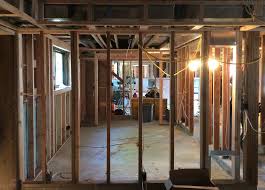
Project photos can save you tons of time and money later. Plumbing lines and electrical wiring all vanish the second the drywall goes up. HVAC ducts get tucked away somewhere above the ceiling panels. Skipping the documentation step means you won’t have any reliable way to know what’s actually running behind those finished walls and ceilings when you eventually need that information.
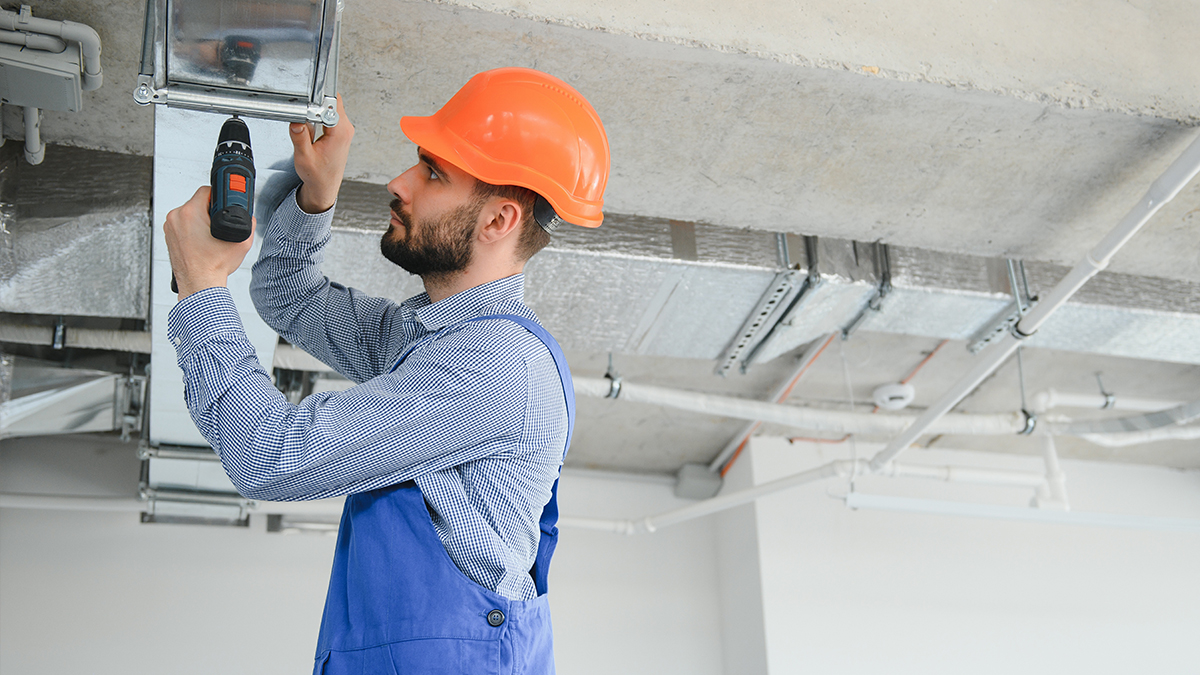
Most homeowners skip the documentation part of their renovation or addition. When you’re in the middle of a project, it does feel like you’re going to remember the specifics. Memories fade pretty fast though once the walls close up and the new finishes get installed.
Project photos can save you tons of time and money later. Plumbing lines and electrical wiring all vanish the second the drywall goes up. HVAC ducts get tucked away somewhere above the ceiling panels. Skipping the documentation step means you won’t have any reliable way to know what’s actually running behind those finished walls and ceilings when you eventually need that information.
Keeping solid records of your work is going to save you (and whoever owns the house next) plenty of headaches later. The next homeowner might want to hang some heavy shelves or to mount a flat screen TV at some point. If they have your documentation showing where the support beams are or where the plumbing runs through the walls, they’ll have a much easier time with it. Your records will come in useful for you too if you ever need more work done in the same area.
A basic folder for each project is all that you’ll need to keep everything organized so you can find it later on. Just toss in your before and after photos along with any product information you’ve picked up. Your warranty cards and receipts for materials should go in there as well, and it’s worth it to take a minute to jot down the names and contact info for everyone who worked on your home. The whole thing takes maybe 5 or 10 minutes per project. But you’ll have a record of what happened and when it happened.
Most homeowners don’t think about how much it matters to keep solid records until it’s way too late. When you have to recreate a timeline or prove that quality materials went into the project, you’re going to have a tough time doing any of that without the right documentation on hand. A well-organized folder is going to save you from that scrambling and stress. It makes selling your home way easier as well. Buyers feel a lot more confident about making an offer when they can see thorough documentation of the improvements and upgrades you’ve made.
Have a Talk with Your Contractor
Miscommunication between homeowners and contractors is hands down one of the most frustrating problems that can pop up during a renovation. A lot of times, the homeowner expects something to be part of the project when the contractor never actually included it in their plan. Other times, the contractor just sticks with whatever way that they’ve always used, and they don’t know the homeowner had something different in mind. In either case, when the job is done, it doesn’t look the way that the homeowner was expecting – and sometimes it doesn’t even work the way that they wanted it to.
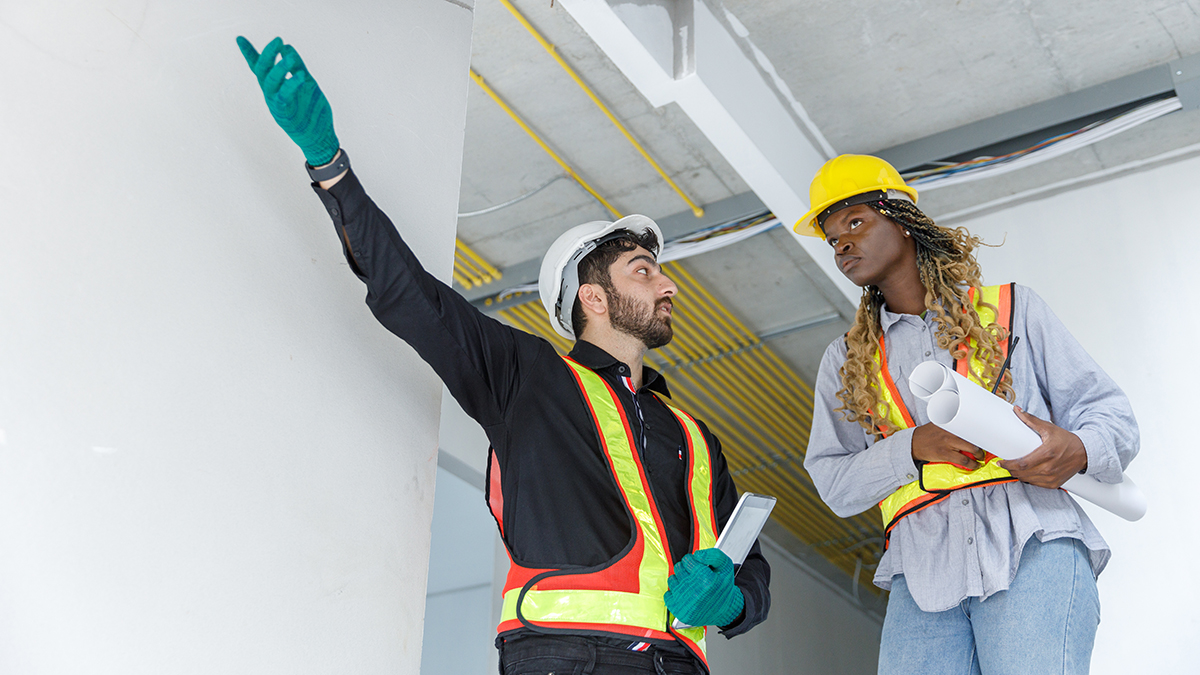
One of the best ways to avoid miscommunication is to sit down with your contractor before any work begins and have them explain their entire plan to you. You’ll want them to break down the project phase by phase and go over what’s going to happen at each stage. This conversation gives you plenty of opportunities to ask questions, bring up any concerns and make sure that you’re on the same page about how the finished project should actually look.
It matters to bring everyone together for a quick conversation right before any main milestone kicks off. Addressing possible problems early on, before the crew gets too deep into the work, will help you skip expensive corrections or delays after everything is already underway.
When your contractor explains the plan and the methods they’ll use in a way that’s easy to follow, it cuts down on uncertainty and second-guessing. Your contractor should be able to answer your questions right away and explain their process in a way that actually makes sense. If something doesn’t make sense or feels vague, bring it up now instead of waiting to see how it turns out.
Better Methods for Your Home Energy
Plenty of homeowners finish a big home renovation and then can’t see why their rooms still feel drafty or why their energy bills keep climbing. A lot of times, the issue traces back to construction methods that worked well enough 20 or 30 years ago but just can’t deliver the same results. Most contractors know traditional building methods inside and out, and experience like that does have value. Where the approach falls short is when these older techniques get applied to homes where you expect much tighter performance and genuine comfort.
Insulation materials have come a long way, and the products you can buy now do change how comfortable your home feels during summer heat waves or those freezing cold winter nights.
Windows are another area where we’ve seen big improvements. The newer window technology does a much better job at controlling condensation problems, and it keeps the temperature steady in each room. Contractors who still do the work the way they did it 20 or 30 years ago won’t deliver the results you’re expecting.
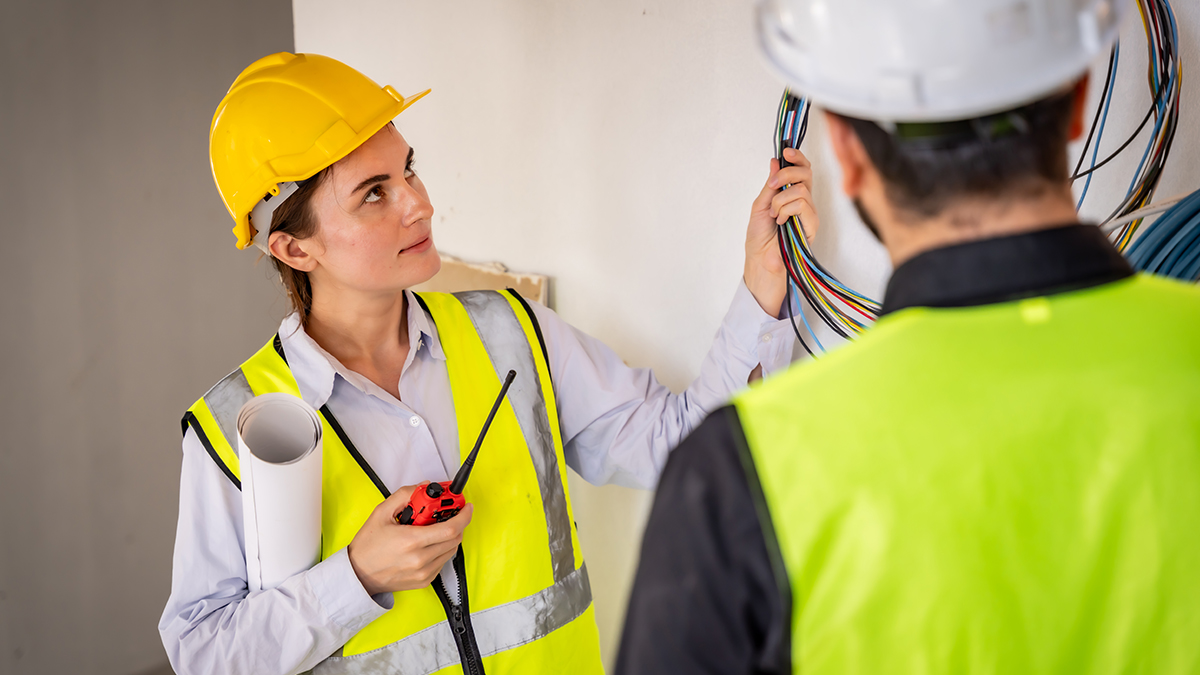
Energy efficiency is a topic that should come up early, or better yet, before any work begins on your project. Talk with your contractor about their plan to keep your home as efficient as possible – it’s a conversation that’ll help you get on the same page about what performance you’re looking for. Ask for the product specs with all of the performance ratings listed out. When you have those numbers to review, it gets much easier to see how well everything will work after it’s all installed in your home.
Comfort is what this whole renovation is about. Fewer drafts, lower energy bills and rooms that feel nice to spend time in – you’ll have to choose the right insulation and windows. Your contractor needs to talk to you about the options and help you find materials that match what you’re after.
Contact Our Team Today to Start Your Project
A successful home project (one where you don’t need to circle back later and fix mistakes) means you get the details right from the very start. Most of the problems that force re-inspections can be avoided with solid preparation. Learn what’s needed before you start and keep detailed records as you move through each phase and stay in touch with your contractor – everything tends to go much smoother when inspection day arrives.
The ones who know their trade already know the local building codes in your area and they can usually tell when something’s about to go wrong before it becomes a big problem. Paperwork is another area where experience shows – contractors who’ve been at this for years know what forms need to be filed and when. Communication matters quite a bit too. A skilled contractor will talk to you about the whole timeline, explain which materials they’re planning to use and why and give you updates at every phase of the work. You’ll see smoother inspections and far fewer unexpected problems along the way. I hope this helps when it’s time to plan your next home project and it’s worth passing along to anyone who’s about to start their own renovation.

Experience and dedication do matter when you build a space that serves your family well.
Magnolia Home Remodeling Group has been in business for over 30 years, and in all that time, we’ve helped a lot of New Jersey homeowners with everything from kitchen updates to room additions to energy efficiency improvements. We’re a family-owned company and we make it a point to get the details right from the start. We’ll stay in touch throughout the entire process and make sure that the specifics get the attention they deserve. Feel free to check out our project gallery if you want to see some of our past work or you can download our free catalog for inspiration.
When you’re ready, just contact us for a free estimate. We offer financing for qualified homeowners and we’d be happy to talk with you about your next project. Our work is built to last and we stand behind everything that we do.