A home remodel in New Jersey usually kicks off with plenty of excitement, and then you reach the permitting phase where it can get tough fast. Most projects are going to need clean construction drawings, and based on the scope of your work, the building department may want those plans to be signed and sealed by a New Jersey licensed architect or engineer.
New Jersey operates under a statewide Uniform Construction Code. But the enforcement happens at the local level. The process can be pretty different from one town to another – some municipalities move faster, fee schedules are different everywhere, and you might also need to get separate approvals for zoning variances, floodplain compliance or historic district review. NJ.gov+1
Sealed drawings aren’t automatically needed for every remodel. For those who own and live in a single-family detached home and drew up their own plans, the construction official has the authority to waive the need for sealed plans – as long as the drawings are thorough enough for the job. For pretty minsor work, officials can sometimes waive the need for plans altogether. NJ.gov+2NJ.gov+2
It depends on whether your particular scope and property type trigger the need for sealed plans.
New Jersey’s Rules for the Architect Threshold
New Jersey deals with the architect question a bit differently than most states. The dollar amount of your project doesn’t matter at all when you’re figuring out if you need an architect’s stamp. What it depends on is the work you’re going to do during your remodel.
Your scope of work is the main factor. Any project that includes structural changes is going to need a licensed professional to sign and seal your drawings. The same goes for anything that needs the engineering design and calculations – the drawings and the supporting math need to be reviewed and stamped by a professional with the right credentials.

Homeowners do get one nice break on this front, at least if you live in a detached single-family home. When you draw up your own plans as the property owner, your local construction official has the authority to waive the need for sealed plans. Your drawings still need to be complete and code-compliant. But you can maybe skip the licensing part.
The best way to review your project is to ignore the total cost. Think about if your scope includes professional design work like moving walls or changing structural elements.
Modifications to egress routes or any work that touches on the life safety systems will get extra scrutiny from the building department. They want to see the professional-quality plans for this type of project, and usually those plans have to come from a licensed architect or engineer who can officially stamp and seal them.
Structural Work That Always Needs Architect Stamps
Any structural changes you want to make to your home in New Jersey are going to need plans from either a licensed architect or a professional engineer. The state wants a professional to review these projects because they can affect the safety of your home and everyone who lives there.
Load-bearing walls are what most homeowners run into first. Every time you want to take out a wall that’s holding up the floor above it or supporting your roof, a structural engineer needs to look at the plans and run the calculations before work starts. Foundation work is another big one. Even small repairs to your foundation can affect how the weight moves through your house and can cause serious problems if it’s not done correctly.
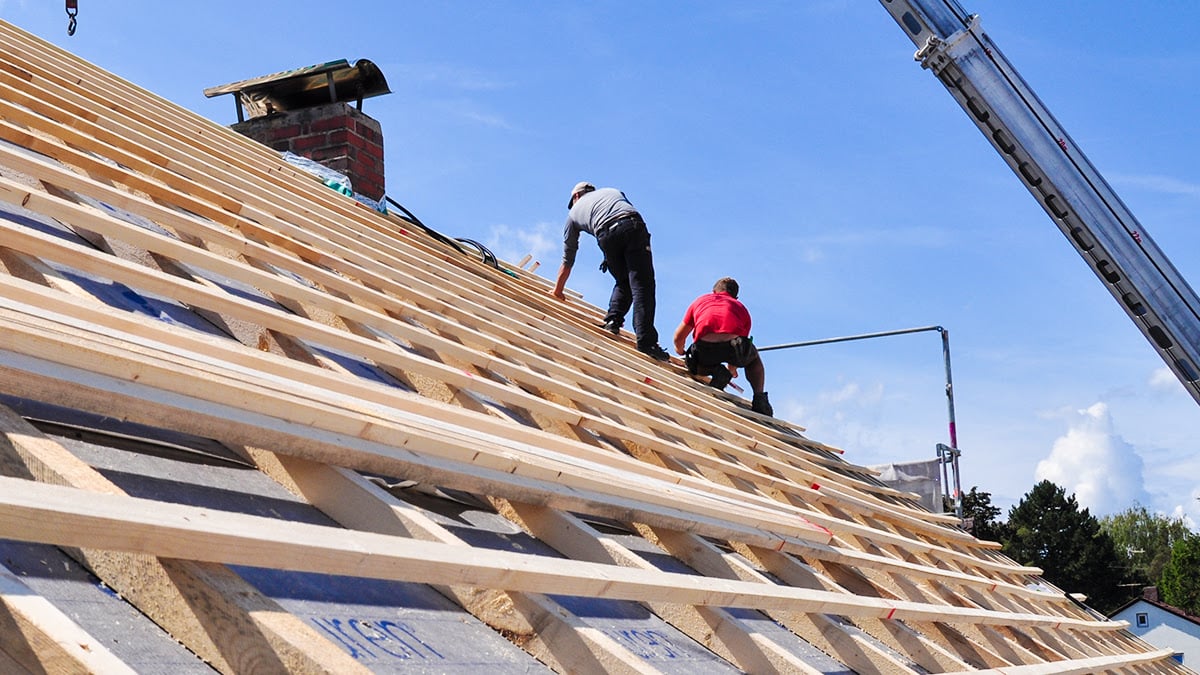
Roof work is in this category as well. Taking out some rafters or changing the roofline will require an engineer to review it. The same thing applies to any changes that affect how the weight gets distributed through your home.
New Jersey has a homeowner exemption that’s worth knowing about. Owning and living in a single-family home lets you draw up your own plans for the work on that property. Even with this exemption though, building departments will usually still ask for structural engineering for any load-bearing changes. The exemption lets you skip hiring an architect. But it doesn’t get rid of the need for structural calculations.
Most homeowners don’t know that some smaller changes still qualify as structural work. Even widening a doorway can create structural problems when that wall is load-bearing, regardless of how small the opening is.
It can be hard to tell if a wall is load-bearing. But a few indicators can help. Exterior walls are load-bearing in most homes. Interior walls are harder to pin down. A wall that runs perpendicular to your floor joists is probably holding up the weight from above. The wall is usually supporting a load when it sits directly over a support beam in your basement.
Rules and Construction Code
New Jersey has 565 municipalities and they all work with the same statewide Uniform Construction Code. What’s needed for professionally prepared plans stays the same across the state because it’s set at the state level – not by each town. Where you’ll see the differences is in how each building department interprets those standards and how closely they review what you submit.
Shore communities usually add extra layers of review on top of the standard building code. Coastal towns see flood zones and storm damage all of the time, so they’re going to look at the elevation standards and flood-resistant construction methods a lot more closely. If your property falls within a FEMA-designated flood zone, your building department will give your plans a much look.

Historic districts bring their own set of rules into the mix. Communities with historic neighborhoods want to preserve the architectural character of these older areas, so even minor exterior changes might need approval from a local historic preservation commission before permits can move forward. These reviews are about visual consistency with the rest of the neighborhood.
It’s simple to find out what your town needs. Most building departments post what they need and application checklists directly on their websites. You can also call them and ask them what applies to your particular project. The staff members know the process inside and out and they can tell you right off if you need any extra reviews based on your location.
When Are Stamps Required for Home Updates
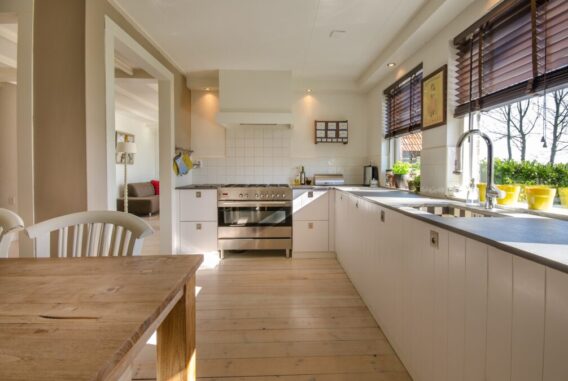
Most of the cosmetic updates in your home don’t need plans from an architect. You can replace kitchen cabinets or swap out bathroom fixtures without professional drawings. New tile or updated countertops work the same way. These projects either skip the permit process completely, or they’re minor enough that you just need a basic permit application.
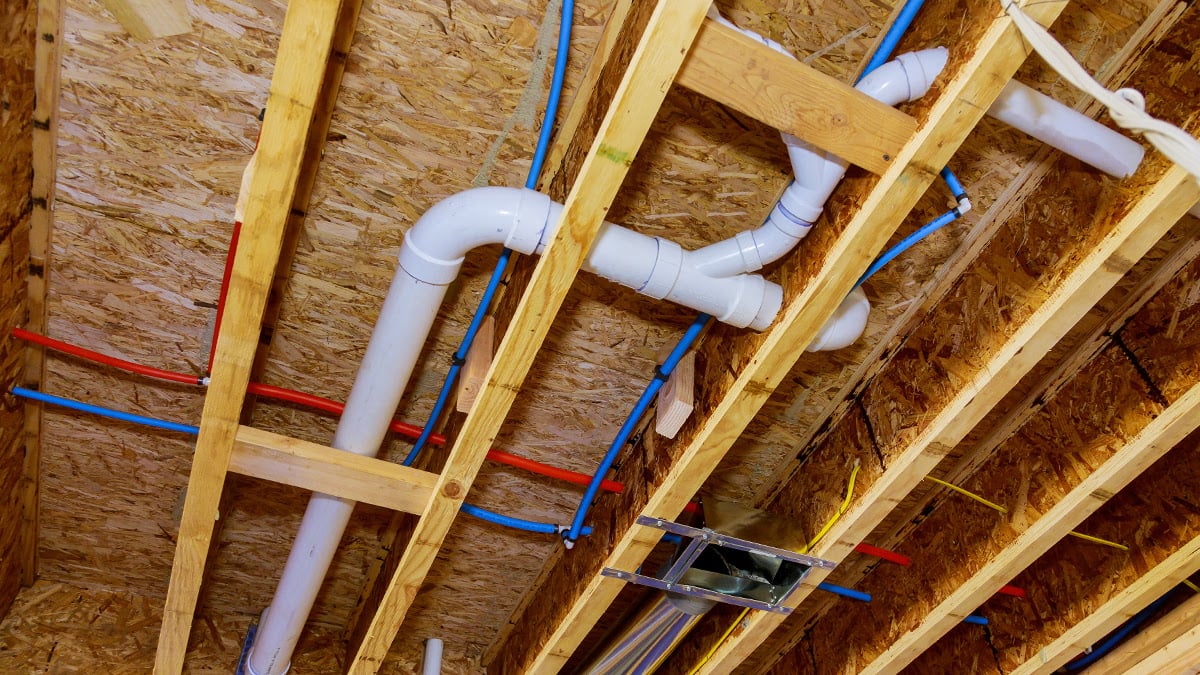
That changes when you work on the mechanical systems. Moving a plumbing stack requires a permit. But your licensed plumber will pull that one. The same goes for a gas line relocation. These tradespeople take care of their own permit paperwork for the work that they do. An architect only comes into play if you also plan to change the structure itself.
Wall removal is where you might need an engineer on the job. Load-bearing walls need structural calculations to show how you’ll redistribute the weight that they currently carry. Even if you’re confident a wall isn’t structural, your building department may want verification before they approve the demolition. This depends on how the wall relates to your floor joists and roof structure.
Window and door openings sometimes need a structural review too. Cutting a new opening in an exterior wall removes the framing that might support loads above it. The header for your new span has to be sized correctly and this calculation usually needs an engineer to verify it. Replacing a window in the same opening is much easier though and qualifies as basic permit work.
New Jersey uses the Uniform Construction Code across the entire state and it means the basics stay the same no matter where you live. Your best move is to call your local building department before the work starts. They’ll tell you what paperwork they need for what you’re planning.
Other Options for Your Home Project
Most homeowners think only architects can stamp construction plans in New Jersey. But licensed professional engineers can do it too. Engineers are legally allowed to draw up and seal drawings for your remodel, and this helps quite a bit when you have structural work.
Engineers spend most of their time on the technical side of building projects. Load calculations, structural systems, mechanical plans – that falls squarely in their wheelhouse. For most residential remodels, that technical expertise is what a stamped drawing needs to cover. Your design work could be pretty simple. But the structural changes still need a professional review before the building department will approve anything.
The cost matters as well. Engineers usually charge less than architects when all you need is structural calculations or mechanical plans. If your project doesn’t need elaborate design work, hiring an engineer directly can save you a fair amount of money without sacrificing safety.
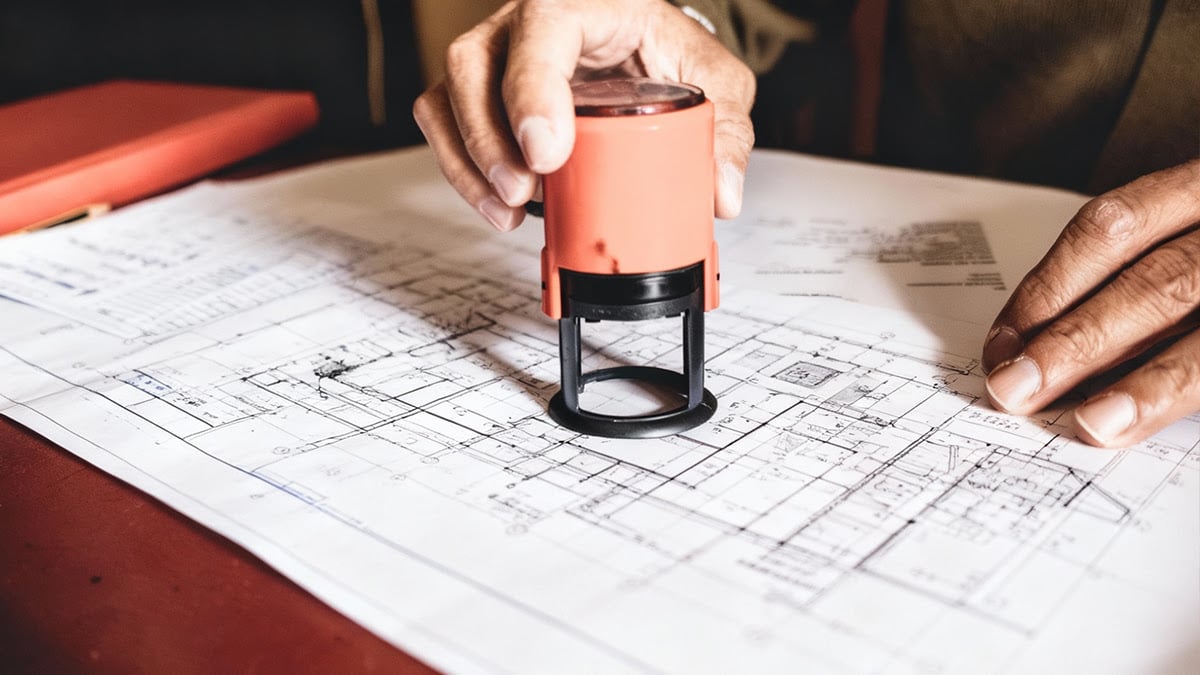
New Jersey has a homeowner exemption that most residents don’t know about. The owners of single-family homes can draw up their own plans for additions and renovations, as long as they live in the house. An affidavit on the permit application confirms that the homeowner created the drawings. Basic projects work well with it, as long as the drawings are simple to read and include accurate dimensions.
Pre-designed house plans give you another path forward. Stock plans like these were originally created by licensed architects and engineers and they are sold commercially, so anyone can buy them and adapt them to fit a specific project. One caveat – if the local building department requires a New Jersey seal on the plans, a local architect or engineer will still need to review and stamp them for that particular property.
Your best option depends on what the project needs. Architects take care of the full design and the look – how a home will look and feel. Engineers work on the structure and the systems – how a home will stand up and work. For a basic addition that requires a structural review but doesn’t need much design input, an engineer is probably the smartest choice.
Find Out What Your Project Needs
The best place to start is with a phone call to your local building department. The staff there answer questions about permits and plans day in and day out, and they can tell you pretty fast if you’ll have to hire a professional to draw up your plans or if you can sketch them yourself.
Have your property address ready when you make the call, and be ready to describe what specifically you want done. The more specific you can be, the better. Telling them “I want to take out the wall between my kitchen and dining room” is going to get you a much better answer than saying ” kitchen remodel.” The scope of your project is what drives what permits you need and the level of detail they need to see in your drawings, so give them as much information as you can.
Once they tell you what you need, ask if they can send you an email recap of it. Write down what they say during the call too. A record of that conversation is going so you can refer to it if any questions come up later during plan review or when the inspector shows up.

Bigger projects usually benefit from what’s called a pre-application meeting. Most building departments will sit down with you before any official submission and go over your plans in a casual setting. They’ll catch the problems early and tell you what drawings and supporting paperwork you’ll have to include.
Whatever you do, don’t try to skip the permits or send in an incomplete application with the idea that you’ll figure it out as you go. Building departments have the authority to stop your project cold until you get everything figured out correctly. Unpermitted work can also come back to bite you when it’s time to sell your house or if you ever need to file an insurance claim.
Contact Our Team Today to Start Your Project
Permits might not be the most fun part of a home renovation. New Jersey has a building code system in place, and while the paperwork seems like too much at times, it’s there so homeowners stay safe. These codes make sure that any work done on your home is done right and won’t cause hidden problems that pop up years later. After you work out what your project needs, everything starts to fall into place much faster.
Most of the uncertainty happens when homeowners aren’t sure who they should contact or what kinds of questions they need to ask. Your local building department is actually on your side with this. They’d much prefer to field questions at the beginning than have to issue corrections or stop-work orders halfway through your project. Just one phone call or a quick pre-application meeting might stop delays that could cost you weeks.

If all this sounds like too much to manage on your own, teams out there already know how to work through the system. Magnolia Home Remodeling Group has spent more than 30 years helping families across New Jersey create the homes they love. We take care of the permit paperwork, stay in touch with the building departments and make sure that every document is approved before anyone picks up a hammer. Kitchen remodels, room additions or structural work – we know what each project needs and how to stay on schedule.
Give us a call for a free consultation and we’ll show you just how smooth a remodeling project can be when a team that knows the system takes care of the tricky parts.