Repair or Replace: When NJ Siding Is Actually Worth Fixing
Sep 24, 2026

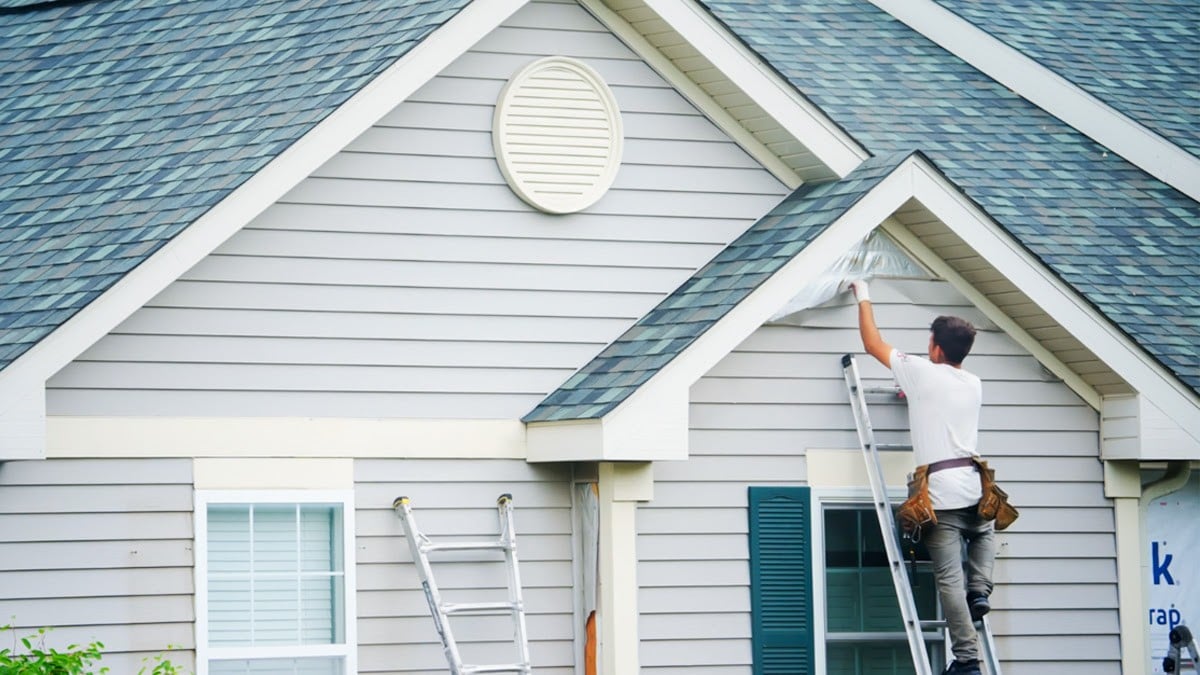
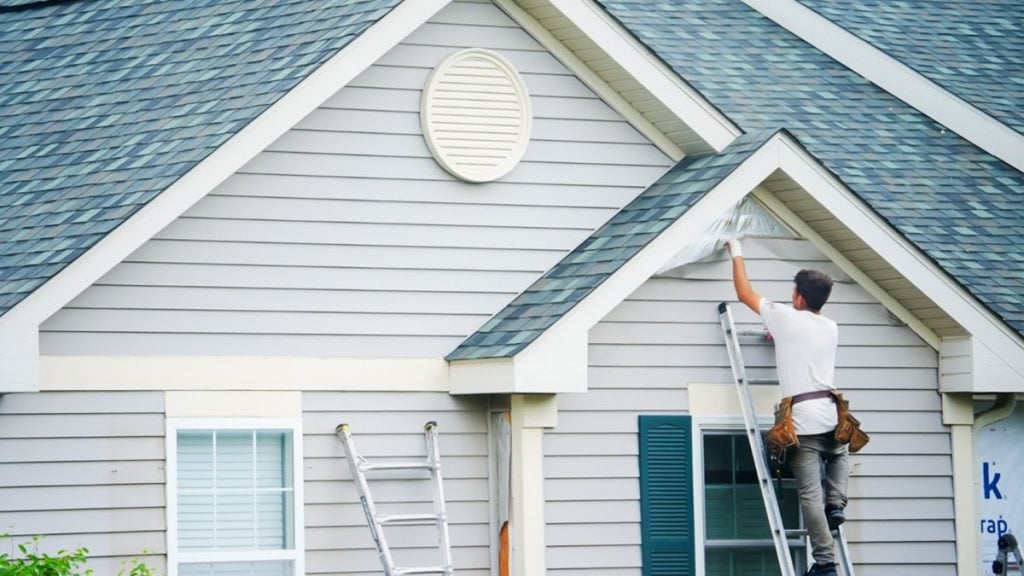
There comes a time in every homeowner's life when you reach a crossroads.
Do you fix it, or do you replace it?
Really, that time is all the time. Homeownership is a constant series of decisions like that. Do you fix the washer, or do you replace it? Do you fix the furnace, or do you replace it? Do you fix the blinds, or the stained carpet, or the cracked tile, or do you replace it all?
Sometimes, this is a matter of a relatively small purchase of a new appliance or a single window. Other times, it's a more significant bit of home renovation, such as with siding.
Making the right choice is always important, but the larger the project, the more important it is. Siding, in particular, is extremely impactful. Broken siding isn't just an unsightly blemish on the exterior of your home. Water can infiltrate through cracks or holes, pests can work their way through and burrow into the structure beneath, and more.
Simple repairs to siding can be done, but there are all sorts of drawbacks to them to balance out the benefits. That's why we've come to this point: to balance the pros and cons, and decide whether it's better to repair your siding or replace it entirely.
First, let's start by going over the pros and cons of repairing your siding instead of replacing it.
Pro: It's a much cheaper option in the moment. This is, for many homeowners, the main deciding factor. Money is always a consideration, and repairs are pretty universally going to be the cheaper option. The cost of a panel or two of siding and a little bit of labor is a lot less than the cost of a whole home's worth of siding and the labor to install it all.
Pro: It can probably be done in just a few hours. Most kinds of siding can be relatively easily repaired. Vinyl is made to be easily repaired, fiber cement and composite work in similar ways, and so on. Only certain kinds of siding take more time, and those tend to be more masonry-oriented exterior cladding rather than your typical siding products.
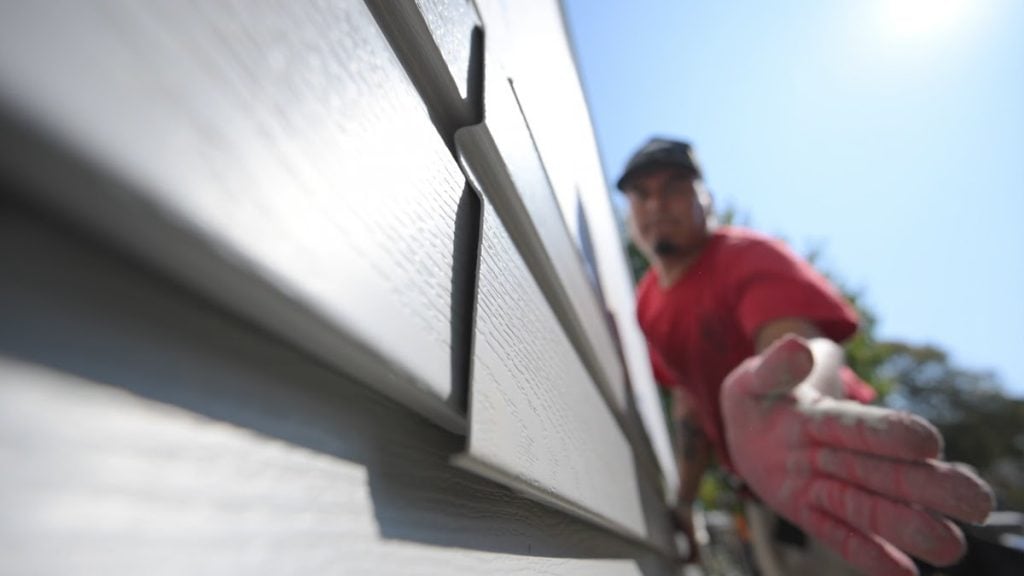
Con: It's only a short-term fix. It's worth thinking about why your siding needs repairs. Most of the time, it's due to age-related damage building up. Old vinyl gets brittle, old wood cracks and warps, old fiber cement deteriorates. A crack or a hole here and there can be repaired, but all of the old siding left in place is still vulnerable and will probably need replacing sooner rather than later.
Con: There can be cosmetic issues with new siding patchwork. Depending on your existing siding, it can sometimes be hard to find new siding replacements that match. Companies rotate product lines, and similar products aren't necessarily the same. Textures and patterns, color matching, even subtle details like angles can change, and patches can stand out.
When is it a good idea to repair your existing siding, rather than replace the whole shebang? There are a few good reasons.
When money is very much a cause for concern, repairs make more sense than replacement, at least for the short term. You can keep your siding going for a while with just repairs, as long as the vapor barrier and structure underneath are still intact. You may have to deal with minor cosmetic mismatches and future damage piling up, but the longer you can hold off on a full replacement, the longer you have to save up for it.

We highly recommend getting a professional assessment if you're considering a repair instead of a replacement. When you contact us, we'll investigate not just the damage to your siding, but if there is any damage to the surface beneath. Then you'll have a good idea of the scale of the project you have ahead of you.
If it turns out that a repair isn't possible, we're happy to help you find financing through our trusted partners. After all, if there's damage to the structure beneath the siding, a repair won't be enough, and you risk much more extensive (and expensive) damage down the line.
We get it: accidents happen. Maybe a lawnmower kicked up a rock, and it blasted a hole in the siding. Maybe your kid hit a baseball a little too hard, and it broke a panel (better that than a window!) Maybe your golf practice went awry. Or maybe it was more natural; a tree fell in a storm, and a branch stabbed through, or windblown debris hit just the right way to crack a panel.
Whatever the case may be, there are all sorts of reasons why the damage to your siding is somewhat premature. We expect siding to become more brittle and prone to damage over time, but when it's just a few years old, damage is a lot more unexpected.
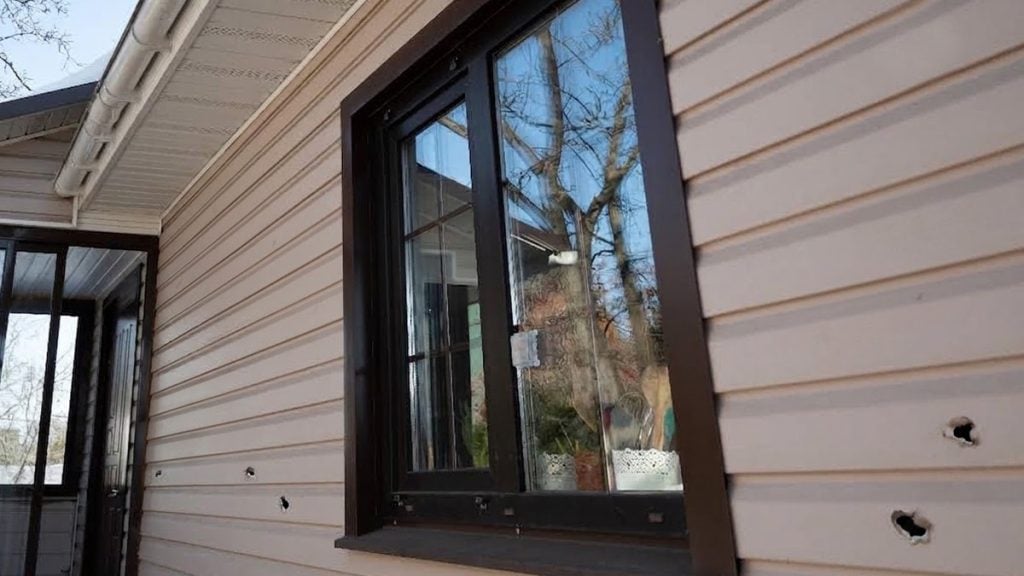
In that case, it makes a lot more sense to repair the damage. You don't risk any of the downsides for a repair, and you might even have a warranty you can claim, depending on the kind of damage that happened.
Similar to the above, if damage is very limited, you don't necessarily have to replace your whole wall or whole home's siding.
Sometimes, one panel has gotten cracked, but the rest are still good. Sometimes, heat and a quirk of installation mean one panel warps when the rest are fine. There are all sorts of reasons why damage can be localized, and repair is the better choice.
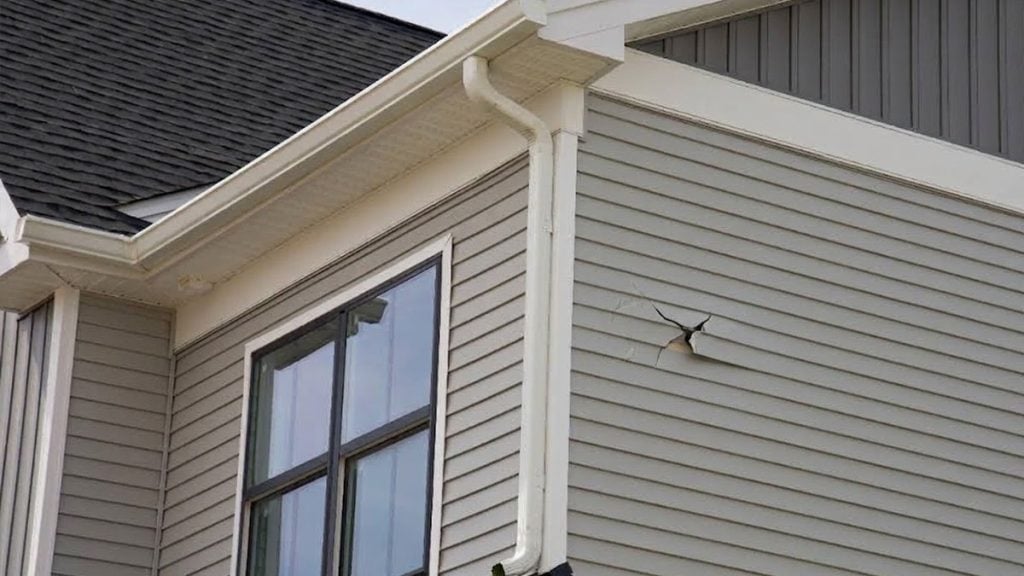
This is most common when damage is age-related but inconsistent. We see it a lot with sections of siding that tend to be exposed to more heat, like a strip where sunlight is reflected for more of the day than the rest of the siding. This can prematurely age a small section of siding, while the rest is still good for another 5-10 years.
There's a certain school of thought that a problem you can put off is a problem you don't have to deal with at all. Any deferred home maintenance can be made someone else's problem if you plan to move.
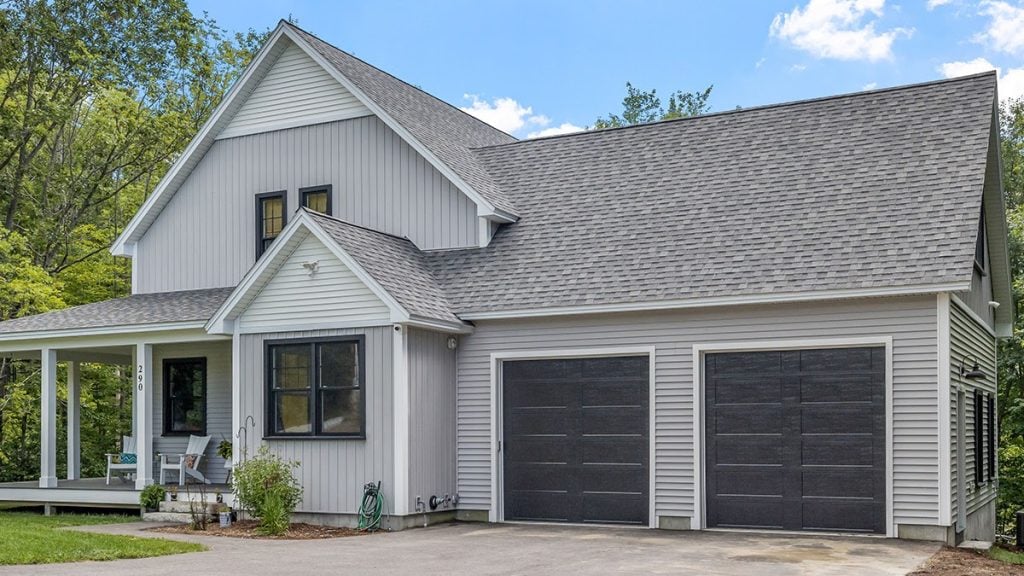
This may or may not make sense for your specific situation. All-new siding adds value to your home, while a spot repair can indicate a pending expense that can allow a buyer to negotiate the price down a bit.
This doesn't apply to vinyl, but other kinds of siding can look "damaged," but they aren't actually structurally unsound at all. Fiber cement and wood can both look ratty and damaged over time, but all you actually need to do is get a fresh coat of paint.
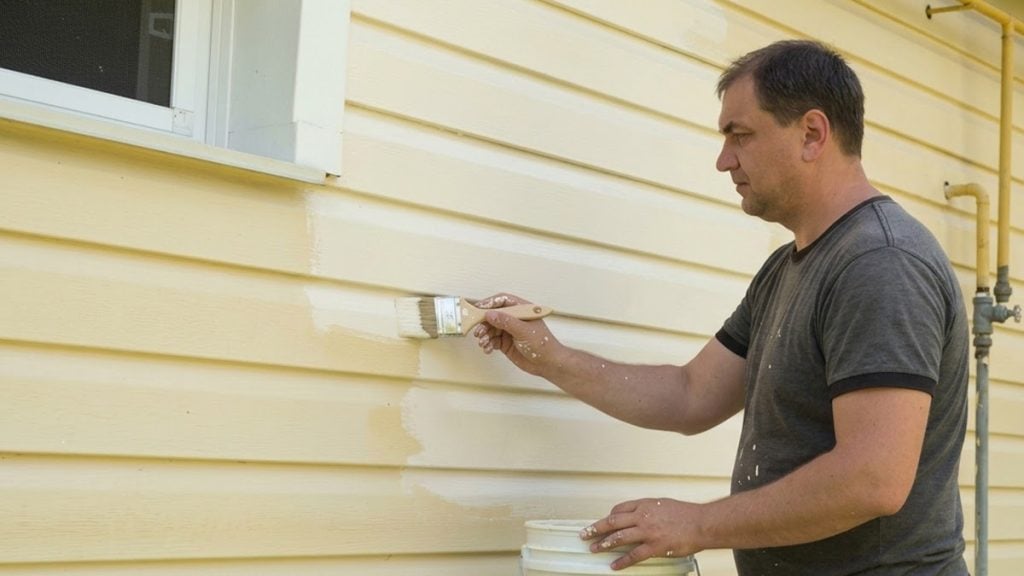
Now, repairing a bit of siding and repainting the whole home is still a decent expense, and it's more of a project than just repairing a couple slats of vinyl siding, but it's definitely an option for a few specific situations.
So, what about the full replacement?
Pro: You have a great chance for upgrades or changes. Replacing your siding gives you the option to change your siding entirely. You can change colors, materials, or even designs. Just because your home has had lapboard siding for decades doesn't mean you can't switch to faux shingles or board-and-batten siding instead! You can also keep similar aesthetics but make upgrades, such as going from old vinyl to newer insulated vinyl siding.
Pro: You know the siding will last a long time. New siding, even the cheapest siding on the market, is still going to last at least 20 years, with most siding products easily lasting 30-40 years. Once you've replaced the siding on your home, there's a pretty decent chance you aren't going to replace it again.
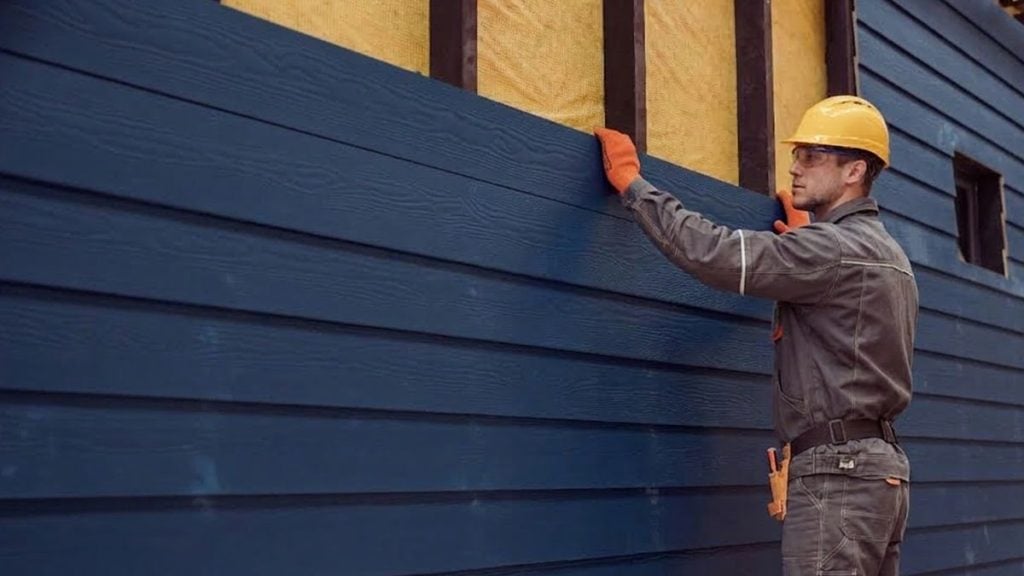
Con: It's the more expensive and time-consuming choice. While a siding repair can be as simple as removing a couple of panels and nailing in some new ones, a full replacement is a much more extensive project. It's still on the low end of many home renovations, but you're still usually looking at a moderate expense (depending on the siding product you choose) and around a week of work before it's all wrapped up.
Con: The project has the chance to snowball. Unfortunately, a full siding replacement exposes a lot of the surface of your home, and that opens up the potential to expose hidden damage. That damage might not necessarily be an immediate problem if the siding over top of it isn't disturbed, but when replacing the siding, suddenly you need to do more work on top. Sometimes, this leads to a snowballing project that becomes a lot more than anyone involved bargained for.
Sooner or later, a home is going to need all-new siding. That's just a fact of life. The question is, is it time for your home to get all-new siding, or can you just repair what you have? Here are the signs we see most that indicate it's time to replace the whole thing.
When siding gets old and damaged, it starts to really show it.
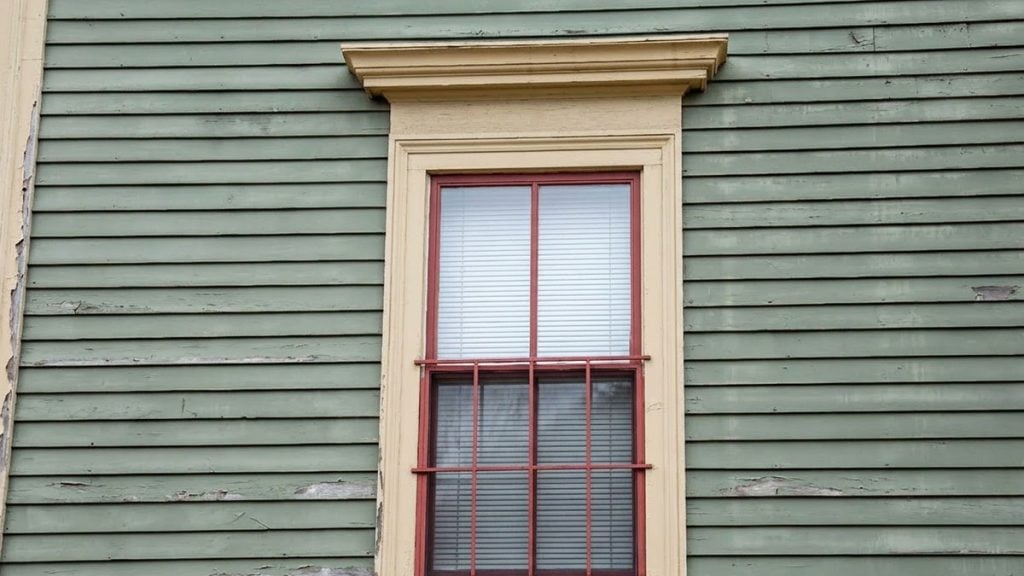
Think about the answers to these questions:
Some damage can't just be repaired. After all, "repairing" siding just means replacing individual panels without replacing all of them. If every panel is equally in need of repair, well, that's a full replacement.
Siding is protection for the house wrap, insulation, and other elements of sheathing that protect the interior of your home from the exterior. But if there has been damage beneath the siding, you might start to notice it inside.
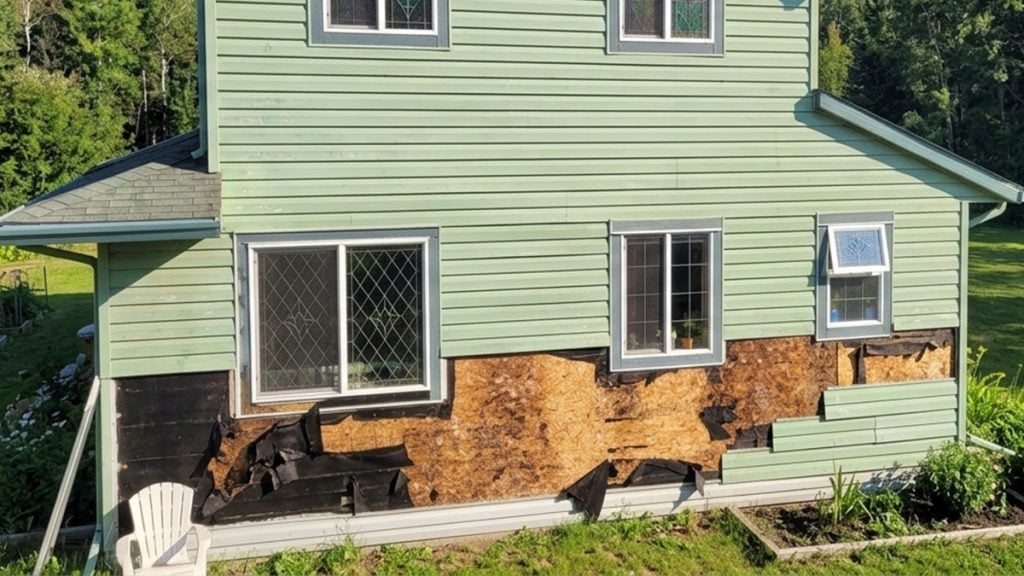
Mysterious water spots, moisture where it shouldn't be, drafts, hot or cold spots; all of these signal serious problems underneath the siding. That means you need to pull off the siding to fix the issue, and often means a replacement for your siding is in order.
Yes, some siding materials last 30, 40, even 50 or more years. But that time still passes, and if your siding has been in place for 30, 40, or 50 years, there's a pretty good chance it's due (or overdue) for replacement.

Even if it seems intact and solid enough, it could be surprisingly delicate, and any damage means a replacement rather than a repair anyway.
We generally don't recommend all-new siding just for the sake of a change in aesthetics, though we will certainly do it for you if that's what you want.
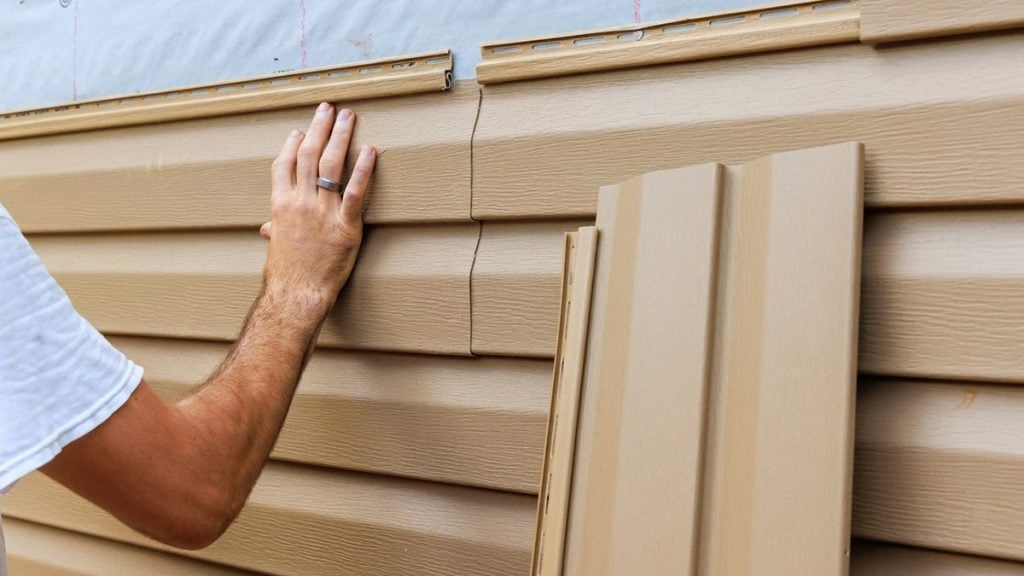
What if you have a bunch of minor to moderate flaws or damage, things that could be repaired, but you also want new siding for other reasons? Maybe you want to change the style, or change the material, for example. In these cases, you might prefer doing a full replacement, just to get the siding and appearance you want for the house you plan to live in for many years to come.
Here at Magnolia Home Remodeling, we've been in the business for over 30 years, and we've seen it all. In fact, there's a good chance that some of the siding we installed when we started is nearing time for replacement. All throughout northern and central New Jersey, we're available for your siding projects, big or small. To see examples of our past projects, check out our portfolio of before and after comparisons.
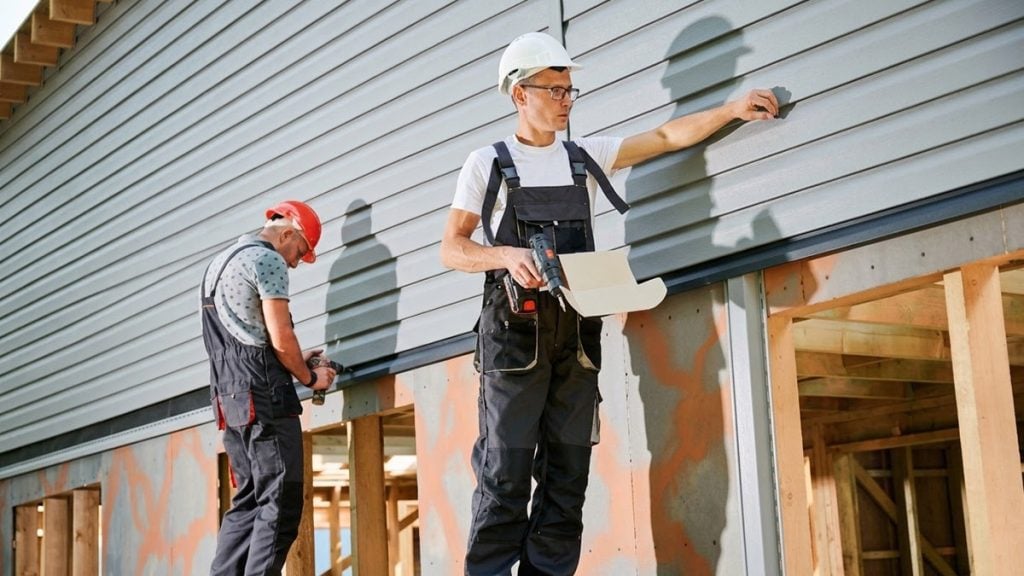
The process is easy enough to start: just drop us a line. We'll come out and inspect your siding, talk about your project and your limitations, desires, and goals, and offer our recommended options. We'll give you a free estimate for the project, and you can make the decision that best suits your needs.
We look forward to hearing from you!