You might have weeks where you imagine what your historic New Jersey home could become with the right updates. But that all ends the second someone mentions permits or preservation regulations. Historic properties in New Jersey have a whole set of regulations that weren’t mentioned during your home tour or in the inspection report. What seemed like a basic window replacement or a fresh coat of exterior paint now needs approval from a local board that had nothing to do with your home purchase.
The restrictions are there to protect the architectural heritage and keep the neighborhood character the way it is – it’s a worthy goal on paper. But it creates real trouble for your timeline and for your wallet. Different towns have varying regulations and they enforce them with different levels of strictness too. A project that gets done in 2 weeks in one town might need months of review in the next town over. Some homeowners don’t find out about these limits until after they’ve already hired contractors and set firm completion dates.
Properties that follow the historic guidelines usually hold their resale value better and help to create neighborhoods that residents actually want to live in. Skip the approvals and you’ll wind up with problems that come up years later during a title search or when you file an insurance claim. Get it right from the start and your renovation adds to your home’s story and doesn’t become a liability that stays with the deed!
Let’s talk about this together.
How to Find Your Historic District Status
Historic home recognition can happen in a few ways. The most common option is the National Register of Historic Places. Property owners (or sometimes local preservation groups) can file an application that shows why the building is important historically. Another way is when your home is located inside a historic district that was already set up by your city or town.
Age by itself isn’t what decides if your home has a historic status or not. A home built in the 1920s might not have any status attached to it. But a newer home from the 1950s could need special approval for changes just because it sits inside a historic district. What really matters is if anyone has applied for official designation, or if the property is inside the boundaries of a district that’s been set up.
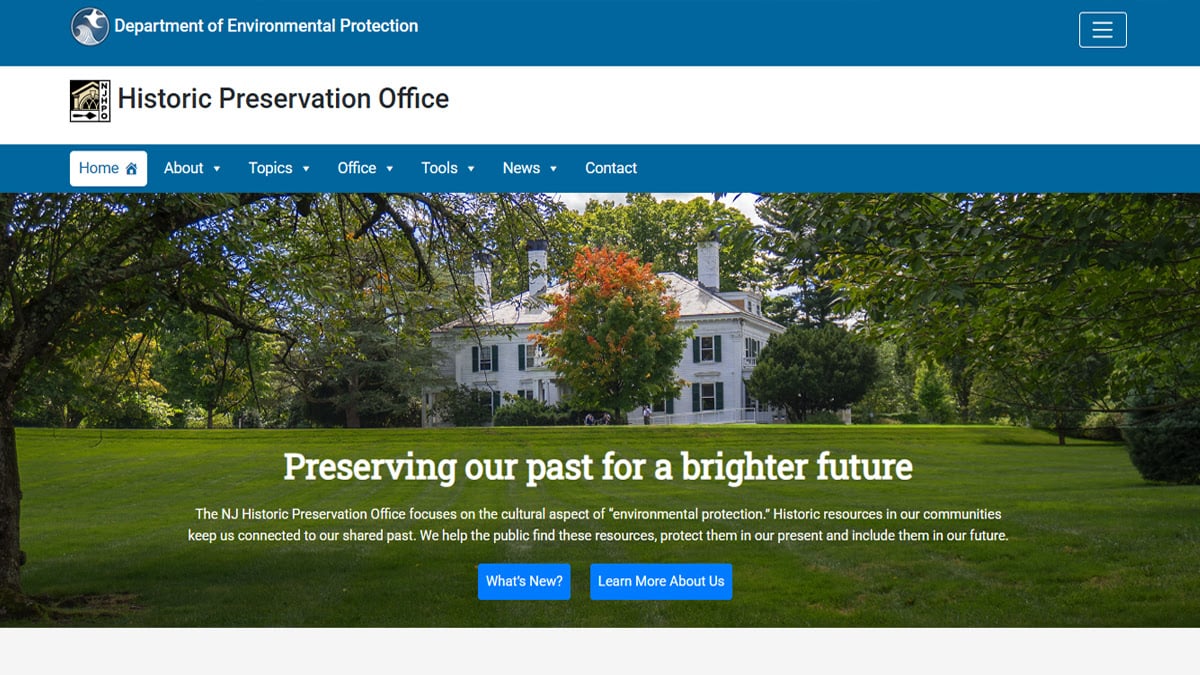
Your local planning or zoning office is usually the best place to start when checking your property’s status. They have records and maps of all historic districts in your area. Another resource is the New Jersey State Historic Preservation Office, and they keep a database of properties that have these kinds of designations.
Many homeowners find out about their property’s historic status after they’ve already bought the place. These designations stay with the property when it changes hands in most cases. The exact regulations can be different and it depends on the town or city you’re in. Anyone buying a home right now should check for any designations like this before closing on the sale.
Timeline for Your Certificate Application Process
When you own a home in a historic district, you have a few extra hoops to jump through before you can make any changes to the exterior. Most of the visible changes are going to need approval from your local preservation commission before you can get started.
The approval process itself is fairly easy to follow. You’ll need to submit an application with your plans and the commission will review everything to make sure that it fits the district’s standards. How long this takes depends a lot on where you live and every town runs procedures a little differently.

Plenty of common projects need this advance approval. Window replacements and repairs usually need it. Changing your roofing materials is another one that’s going to need a sign-off. Even repainting your house in a different color can need permission in lots of districts.
Fence installations and bigger landscaping work are also on the list of projects that need a review first. Every preservation commission has its own way of dealing with these applications. Some have really detailed procedures and others keep the process more streamlined.
Many homeowners don’t realize maintenance work may need approval too. Repairs that seem pretty basic can sometimes trigger a review.
These guidelines exist to preserve the architectural character that makes historic neighborhoods special. When the homes in a district keep their historic features in place, property values and community pride usually stay strong. Before you start any exterior project on your historic property, contact your local preservation office to find out what approvals your plans might need!
The Preservation Rules You Must Follow
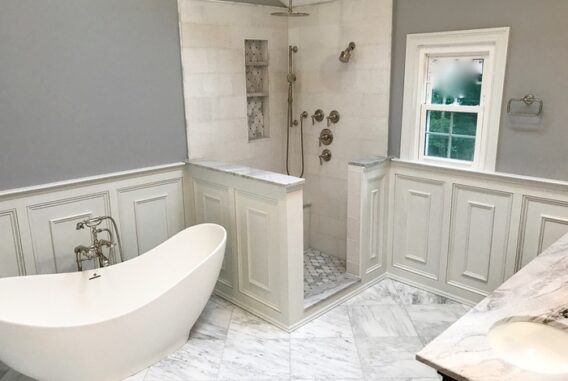
Historic districts in New Jersey are mostly concerned with the exterior of your home – anything that anyone can see from the street. Interior work is usually not something that the commission has any say over, unless you own a property with a landmark designation. So for you, kitchen remodels and bathroom updates don’t need to go through any preservation review. But if you want to replace your windows or swap out your front door, you’re going to need to get approval before you start.
Most commissions have design guidelines that spell out what’s acceptable for your particular district. These guidelines cover everything from materials and architectural styles to approved colors and the general look that the district is trying to preserve. Some commissions make their guidelines available online and others will either mail you a physical copy or go over everything in person. It’s worth the time to read through these guidelines before you start work on your final plans.
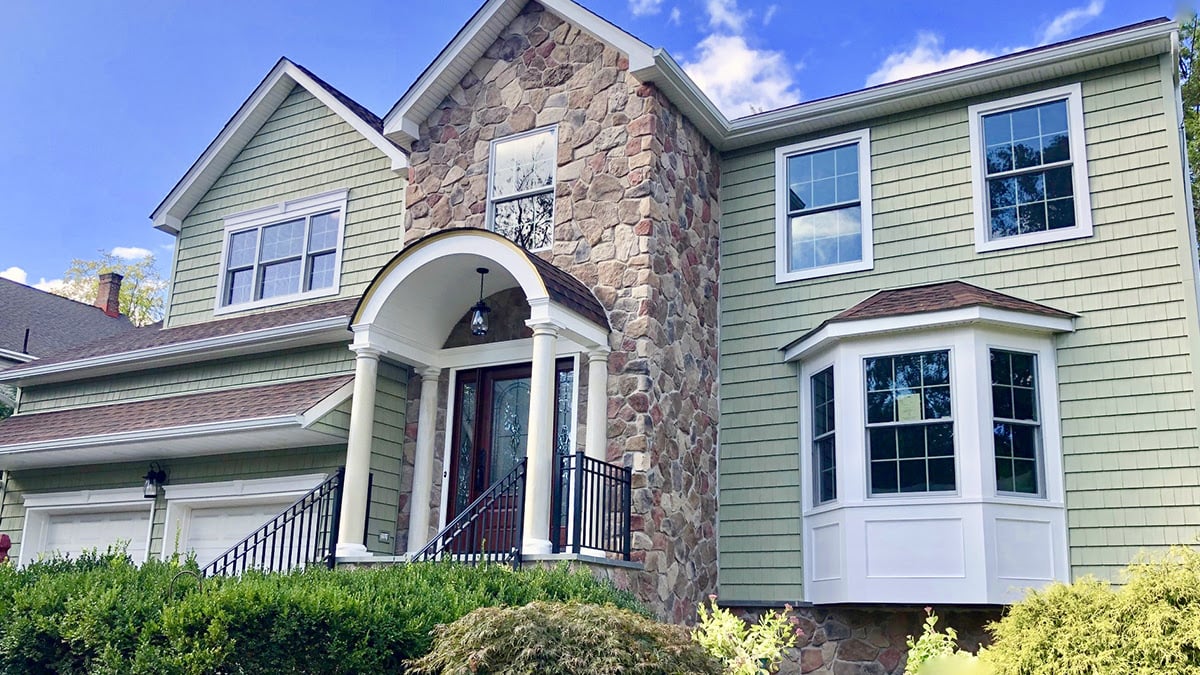
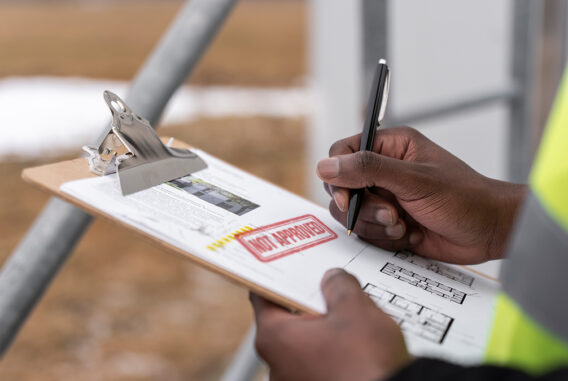
Once you have your plans ready, the next step is to submit an application to the preservation commission. You’ll need to include drawings or photos that show what changes you plan to make. The commission in most towns meets on a set schedule to review the applications during public hearings, and you (or your contractor) could be asked to attend.
Approval doesn’t always mean that you can do what you proposed – sometimes it comes with conditions. The commission might give you the green light on your window replacement but then ask that you use a particular manufacturer or style. Or they might approve your general paint color but ask for a different shade. You should be prepared to make some adjustments to your plans based on whatever feedback they give you.
If your application ends up denied, most towns do have an appeal process that you can go through, or you can revise your plans and resubmit them at a later date. Something that helps is to work directly with the preservation staff before your hearing even happens. They can usually point out the problems that might come up ahead of time and recommend changes that have a better chance of approval.
How Tax Credits Help With Renovations
New Jersey actually has tax credit programs if you want to restore historic homes, and they can really reduce your restoration costs. These state programs stack on top of the federal tax credits you might already know about and it means you could save a lot of money on your project. How much you’ll save depends on your own circumstances and on what the latest program calls for at the time.
To get these credits, your project has to meet historic preservation standards. What needs to happen changes based on if you live in the home yourself or if you rent it out as an income property. Usually a preservation professional is going to need to look at your plans before you can even start.

The approval process comes with more oversight compared to what you’d face on a normal renovation. Inspectors might show up as you’re in the middle of the work, and they’ll probably come back again once everything is done. You have to follow the preservation standards from start to finish if you want to get your tax benefits.
Many homeowners think these programs are too confusing or that their project isn’t big enough to qualify. Projects of all different sizes qualify for these credits. The application process is a detail-heavy one. But it’s much easier when you have professionals who can talk with you about it.
You should take plenty of photos before you start anything and store all of your receipts organized in one location. All those records are going to matter later when it’s time to file for your tax credits. You should find contractors who already have experience with historic preservation work and it’s a solid idea to talk with tax pros who actually know how these programs work.
One big point to remember – don’t start any work before you get your approvals. Starting too early could mean losing out on all your tax benefits. These programs do change from time to time, so double-check what they currently call for before you lock yourself into a renovation plan.
Each Town Has Different Historic Rules
New Jersey towns all deal with historic property protection a little bit differently and what’s required can differ quite a bit from one place to another. Some communities have historic preservation commissions in place that review any changes you want to make to homes located in designated neighborhoods. Other towns have minimal oversight and some don’t have any formal process at all.
Places like Princeton, Morristown and Cape May have pretty active preservation programs. Your home is going to need approval before you make changes to the exterior if it falls within one of their historic districts. We’re talking about window replacements, roof changes, new siding or just a fresh paint color in some cases!
Not all towns work like this, though. A lot of communities across New Jersey just designate a small number of single landmark properties instead of protecting whole neighborhoods. As long as your home isn’t on that landmark list, you’ll just need to follow the standard building codes without any extra review.
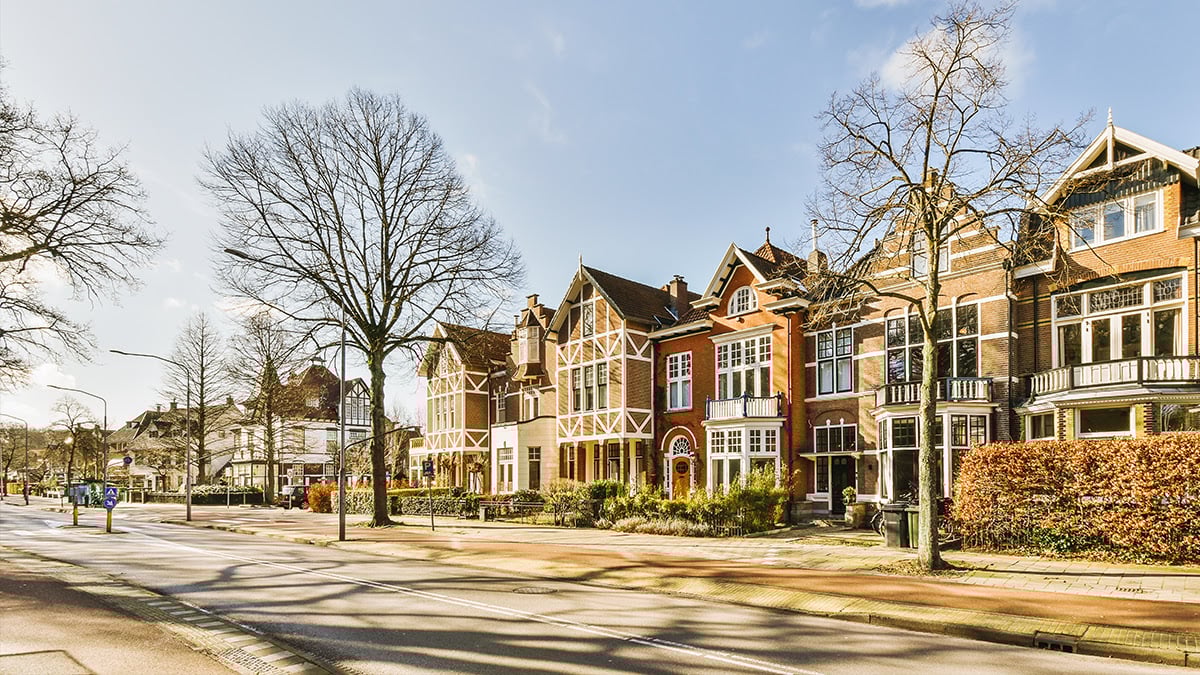
Coastal towns usually have more thorough preservation programs set up. Inland communities usually focus their attention on single buildings with historical importance – like former courthouses or well-known estates. In the end, each town decides what matters most for their area.
New Jersey has passed some legislation over the years to support the adaptive reuse of historic buildings. These laws attempt to strike a balance between preservation goals and the realities of redevelopment. The specifics can get pretty tricky and they do evolve as time goes on.
Before you start planning any renovation work on an older home, call your local planning or zoning office. Someone there can tell you if your property is located in a historic district. They’ll also know if your home carries any special designation and if your town has a preservation commission. Getting this information early on will give you a better sense of how the review processes could affect your project.
Contact Our Team Today to Start Your Project
A historic property in New Jersey comes with a few extra steps if you want to renovate, and those steps are there for real reasons. Every one of these homes is a part of the community’s story. When you keep the original look and feel, the families who come after you get to see the same history. The laws around renovation help protect what you own and make sure you meet what’s needed locally.
Plenty of homeowners renovate historic properties without a lot of hassle, and they manage it by figuring out how to work with the system instead of pushing back on it. A handful of projects will take more time because the approval process brings in extra layers, and you might have to rethink parts of your plan to meet what preservation calls for where you live. What comes with all of that effort is a house that holds onto its historic appeal and still functions for how your family lives. An early start and a solid rapport with the historic preservation office in your area will go a long way toward making the whole renovation feel manageable.

The house you own carries a history that deserves to be protected, and the right remodeling partner will help you respect that history without sacrificing the way you need your space to work. Magnolia Home Remodeling Group has been working with New Jersey families for more than 30 years, and we’ve learned plenty about how to keep the soul of older homes while updating them for comfort and day-to-day use. We’re family-owned and we take care of kitchen remodels, window replacements and room additions that blend in with what your house already has.
Our project gallery has examples of the past work we’ve completed and our free catalog might spark a few ideas for what you want to have done with your own place. When the time feels right, we’ll put together a no-obligation estimate. We can connect you with financing partners if breaking up the cost makes more sense and we’ll walk with you from that first conversation all the way to the final walkthrough.
Give us a call and we can talk about how to turn your historic home into something that feels even better than before!