When comparing vinyl vs. composite siding, New Jersey homeowners should focus on one key concern: how well the material will protect their home over time. Siding helps shield your property from moisture, temperature swings, and storm exposure while supporting curb appeal.
But New Jersey’s climate raises the stakes. Freeze-thaw cycles, heavy rainfall, strong winds, and seasonal humidity put constant pressure on exterior materials, so your siding also needs to handle movement, resist impact, while holding its look year after year.
Vinyl and composite siding are two of the most popular low-maintenance exterior options available today. Below, we evaluate their structural differences, performance in New Jersey’s climate, maintenance expectations, and realistic lifespan considerations.
Understanding the Differences Between Vinyl and Composite Siding
Before comparing durability, maintenance, and lifespan, it’s important to understand how vinyl and composite siding are constructed. While both are considered low-maintenance exterior cladding options, their internal composition, thickness, and structural design differ in meaningful ways.
Those manufacturing differences influence how each material responds to impact, moisture exposure, temperature changes, and long-term wear. Factors such as panel rigidity, fastening systems, and core construction all contribute to overall performance.
What Is Vinyl Siding?
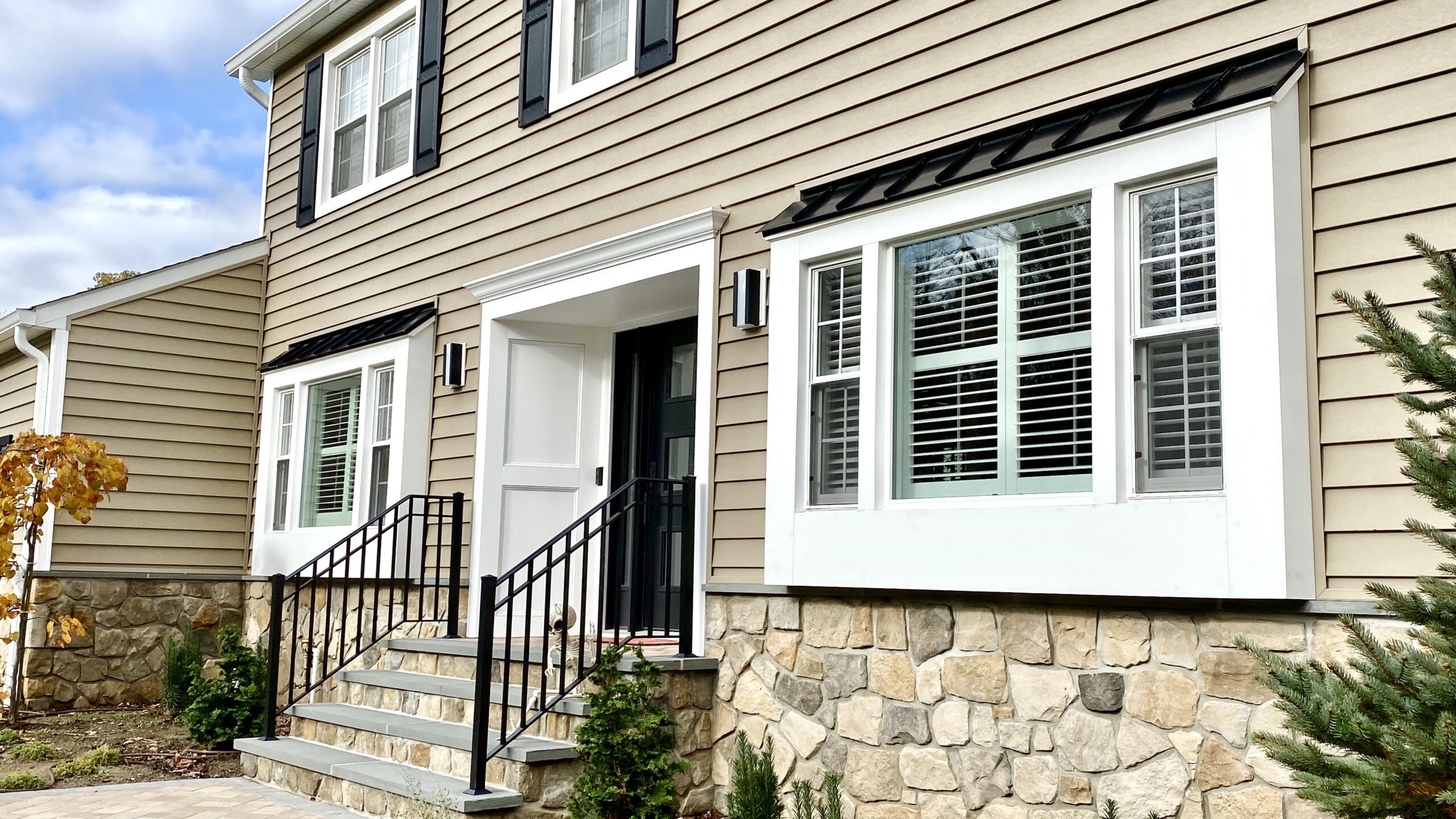
Vinyl siding is made from PVC (polyvinyl chloride). It is lightweight, flexible, and installed in interlocking panels designed to accommodate expansion and contraction.
Popular brands include:
Vinyl is widely used because it offers affordability, a range of color options, and minimal upkeep. However, since it is thinner and more flexible, long-term durability can vary depending on product quality and installation standards.
What Is Composite Siding?
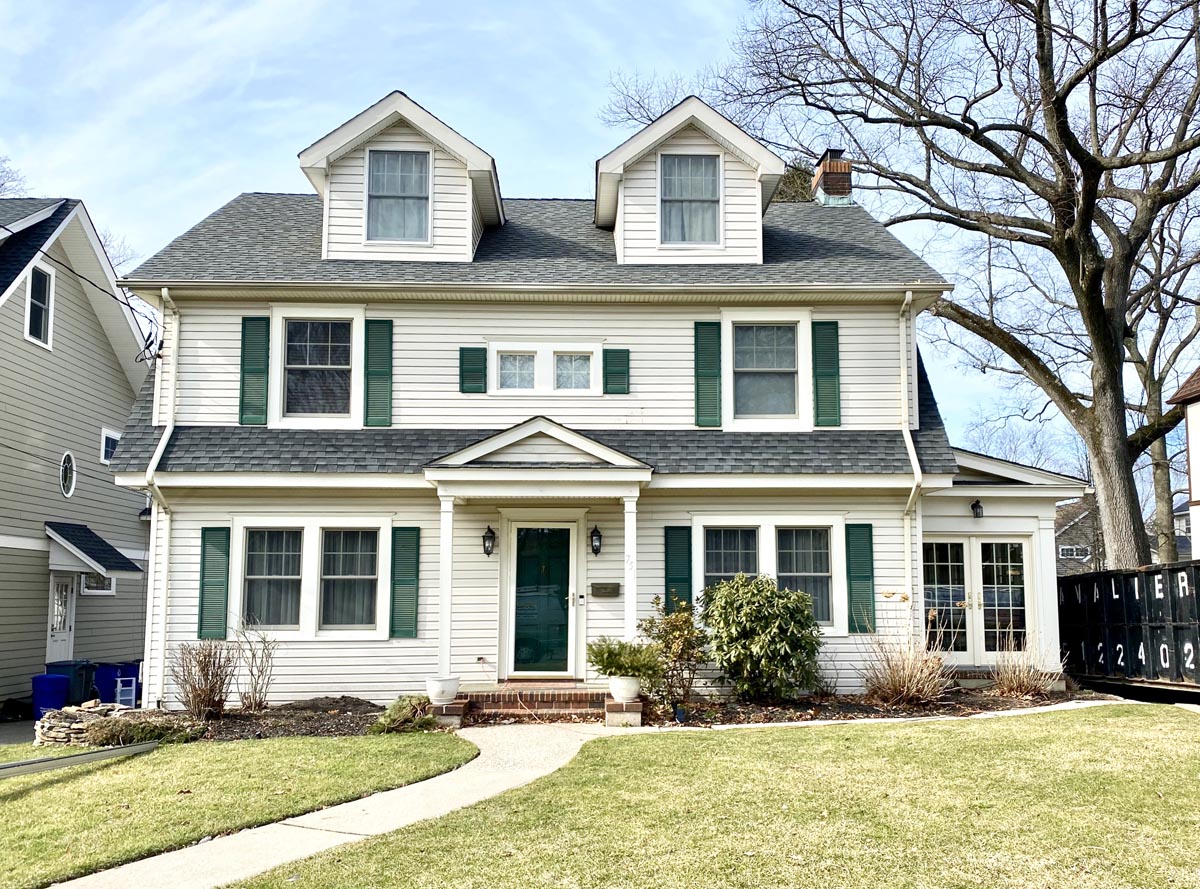
Composite siding is an engineered product made from advanced polymer blends or reinforced composite materials. Unlike hollow vinyl panels, composite boards are typically thicker and more rigid.
Common brands include:
- Everlast Siding
- ASCEND composite cladding
- AZEK siding
Many composite systems feature a solid or reinforced core designed to improve structural stability. These construction differences directly influence impact resistance, moisture performance, and long-term dimensional stability.
How Vinyl and Composite Siding Perform in New Jersey Weather
New Jersey’s diverse climate subjects exterior siding to year-round challenges, including freezing temperatures, wind-driven rain, and abrupt shifts in heat and humidity. To help you anticipate long-term performance, we will now analyze how vinyl and composite siding react to these specific environmental stressors.
Winter Cold and Freeze-Thaw Cycles
Vinyl siding expands and contracts naturally with temperature changes. While this flexibility is built into its design, extreme cold can make vinyl more brittle. In freezing temperatures, debris or hail impacts may increase the risk of cracking.
Composite siding’s thicker boards generally provide greater resistance to brittle cracking. Many engineered products are specifically designed to remain stable through repeated freeze-thaw cycles.
Wind-Driven Rain and Storm Exposure
Wind-driven rain can challenge any siding system if flashing and moisture barriers are not properly installed. Vinyl itself does not absorb water, but because it is a hollow panel system, proper underlayment and sealing are critical to protect the structure behind it.
One of the notable composite siding benefits is that certain products use a solid core construction that resists water absorption. This design may reduce the risk of moisture-related swelling or warping under prolonged exposure.
Seasonal Temperature Fluctuations
New Jersey’s wide temperature swings require siding systems that can handle constant movement. Vinyl’s flexibility allows it to adjust to expansion and contraction, but incorrect fastening can result in buckling or visible distortion.
Composite siding is engineered to minimize excessive movement. Its rigidity may offer improved dimensional stability when exposed to prolonged heat or sudden cold snaps.
Maintenance Differences Between Composite and Vinyl Siding
Both vinyl and composite siding are considered low-maintenance alternatives to traditional wood. Vinyl siding typically requires periodic cleaning with a garden hose to remove dirt, pollen, and environmental buildup. Homeowners should also inspect panels occasionally for cracks, loose sections, or damage caused by impact from lawn equipment or storm debris. While vinyl does not require painting, color fading may occur over time, depending on UV exposure and product quality.
Composite siding also requires occasional cleaning, but many engineered products are manufactured with advanced color retention technology designed to reduce visible fading. Because composite boards are thicker and more impact-resistant, they may be less susceptible to dents or cracking over time. That said, routine inspections remain important after major storms or seasonal changes to ensure flashing and trim components remain secure.
Longevity Differences Between Vinyl and Composite Siding
When discussing vinyl siding lifespan, most manufacturers cite a general range of 20 to 40 years under normal conditions. However, real-world durability depends on several factors, including UV exposure, panel thickness, ventilation behind the siding, and installation quality.
Over time, some fading can be associated with aging vinyl products. Composite siding, on the other hand, is often marketed as a longer-lasting alternative due to its engineered composition and increased thickness.
Many products are designed for extended durability and enhanced color stability, with UV-resistant technology built into the material. While composite siding may maintain its appearance longer in some cases, installation practices and environmental exposure still significantly influence overall lifespan.
No siding material performs well if moisture management and fastening are not handled correctly.
Why Choosing the Right Siding Contractor Matters Just as Much as the Material
Even premium siding materials can underperform if installed improperly. Proper moisture barriers, accurate flashing around windows and doors, correct fastening techniques, and appropriate ventilation all contribute to long-term durability.
Improper installation can lead to water intrusion, warping, loose panels, or shortened lifespan, regardless of whether you choose vinyl or composite. That’s why working with an experienced contractor is critical when investing in exterior improvements.
If you’re considering professional siding installation in New Jersey, selecting a team that understands local climate demands makes a meaningful difference in performance.
Comparing Upfront Costs and Long-Term Value
Vinyl siding typically carries a lower upfront material and installation cost, which makes it attractive for homeowners working within a specific budget. For larger homes or projects requiring extensive coverage, vinyl can provide a practical solution with a manageable initial investment.
Composite siding generally represents a higher initial expense due to its engineered construction and increased material thickness. However, some homeowners view this added cost as an investment in durability, especially if they plan to remain in their home long term.
Perceived value ultimately depends on your ownership timeline, exposure conditions, and expectations for long-term maintenance. A lower upfront cost may make sense in certain situations, while enhanced durability and impact resistance may justify a higher investment for others.
Which Option Fits Your Home and Long-Term Plans?
When evaluating vinyl vs. composite siding, consider how each material fits your home and long-term goals. Here are the key factors to keep in mind as you decide:
- Vinyl offers affordability and flexible installation
- Composite provides thicker, more impact-resistant boards
- Vinyl siding’s lifespan often ranges from 30 to 40 years
- Composite is engineered for extended durability
- Installation quality directly affects performance
At Magnolia Home Remodeling Group, we’ve helped New Jersey homeowners upgrade and protect their properties for over 30 years. As a family-owned, full-service siding contractor based in Union, NJ, we guide you through product comparisons and ensure professional installation designed for our region’s climate.
If you’re weighing your options and want clear, experienced guidance, our team is here to help you make the right siding choice for your home.