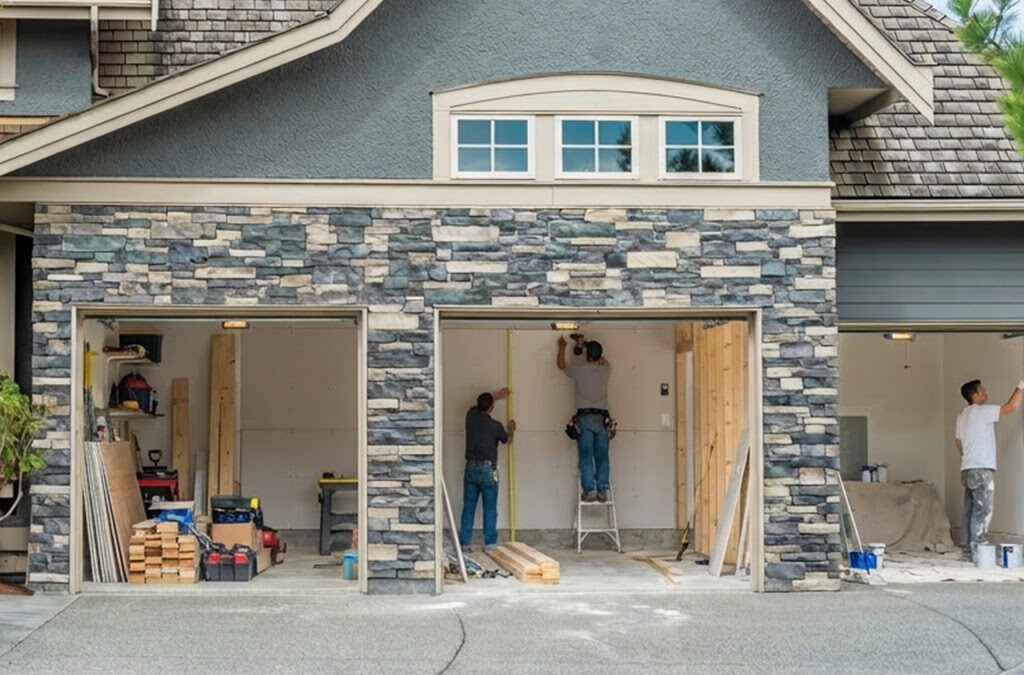
More space in your home is always tempting, and that garage is already right there anyway. You could turn it into something you use instead of a space for boxes or a car that could sit in the driveway just fine. The problem is, New Jersey building codes aren’t concerned with what makes sense to you. They’re focused on the safety standards, and most garages were never designed to meet those standards.
Skip the permit process and your conversion might look totally fine for years. Then comes the home inspection when you try to sell it. Buyers will either walk away or demand thousands in credits to fix the unpermitted work. Insurers will deny claims for spaces that were never approved as living areas. Local building departments can force you to tear out everything and put the garage back to the way it was before.
Converting a garage the legal way means paying for permits, structural changes, electrical upgrades, code-compliant exits and HVAC extensions. Most homeowners in New Jersey spend between $25,000 and $50,000 on a legal conversion. That number climbs fast when contractors open up the walls and find some moisture damage or discover that your electrical panel can’t handle all of the extra load.
A legal bedroom conversion protects your investment and can add some serious value to your home instead of a liability that follows you right to closing day!
NJ Code Rules for Your Bedroom
Turning your garage into a bedroom in New Jersey means you’ll have to follow state and local building codes. These codes are in place to make sure that you and your family stay safe.
Garages weren’t built to be places where anyone lives. Because of this, you’ll need to address a few safety issues before anyone can use the room to sleep in. The space needs the right kind of ventilation to keep the air fresh and clean, and you also need to install fire safety measures between the garage and the main part of your house.
The room also needs solid insulation and climate control to be comfortable all year long. You’ll also need emergency exits.
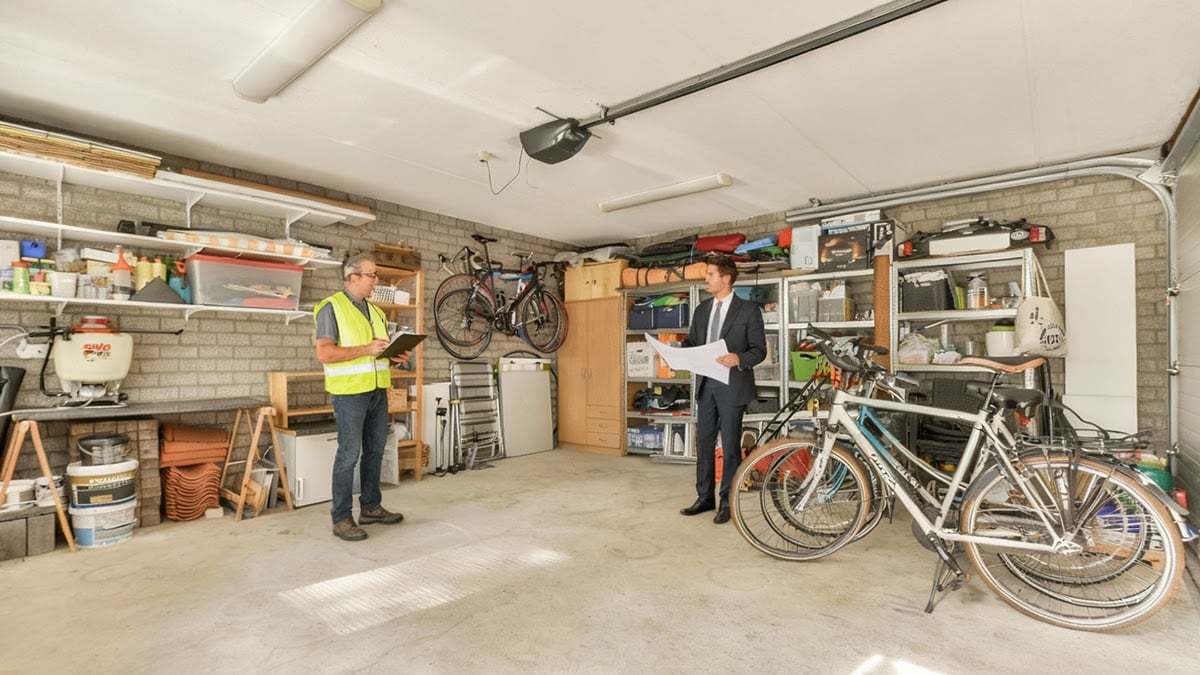
You’ll need to get permits from your local building department to help make sure that everything gets done correctly. Your homeowner’s insurance company might also take issue with work done without permits.
Before you start any work, contact your local building department to talk about what’s needed for your specific situation. What’s needed can change quite a bit from one town to the next in New Jersey, and building officials are there so you can figure out the process and make sure that your new bedroom ends up safe and on record properly.
Every home is different. What works for your neighbor’s garage might not work for yours, so it makes sense to talk with local professionals and officials about your specific plans before you start the project.
Window and Exit Safety Requirements
Turning a garage into a bedroom requires following a few window and exit safety codes. These codes make sure that anyone inside can escape fast if there’s an emergency and that first responders can get to whoever needs help. The whole point is to keep anyone who uses that bedroom as safe as possible.
You’ll need to install at least one window that meets the emergency egress standards. most garage doors won’t qualify as an emergency exit – even though they lead directly outside. It needs to be large enough and low enough to the floor that a person can fit through it and climb out without too much trouble.
The exact measurements that you need will depend on which part of New Jersey you’re in. Your local building department will have the exact numbers that you’ll have to hit (you can also check NJ.gov for the codes). But Remember – these do get updated from time to time.

The installation can be a bit complicated and it depends on how your garage was built at first. A lot of garages are built with concrete block walls instead of standard wood frame walls. If that’s the case for yours, you’ll need the right equipment and the right experience to cut through those blocks safely and install a header or some other structural support above the new window opening to keep the wall stable.
One more consideration is how your garage floor sits relative to the ground outside. Plenty of garages are built below grade, so the floor sits lower than the yard around it. When there’s a big drop like that, it can be tough to put in a window that actually works as an emergency exit from both sides. In some of these cases, you’ll need to excavate a window well, or you might need to regrade the soil around that section of your house to get everything level enough.
Major Changes for Your Garage Bedroom
A garage conversion needs to follow the same safety standards as any bedroom in your house. New Jersey building codes set certain standards for bedrooms, and ceiling height is one of the big ones. Every town has slightly different standards, and they change around as codes get updated.
Many garages run into problems with ceiling height when you account for the insulation and the drywall. Your local building department will have the most up-to-date information for your area.
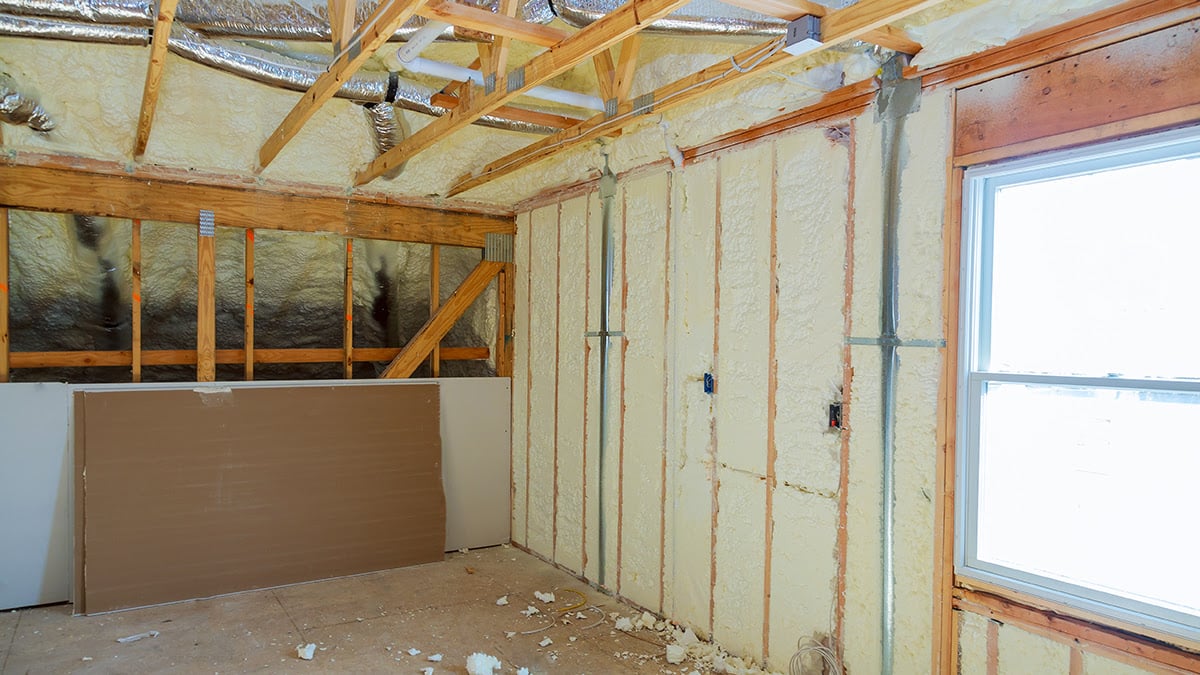
Garage floors present a few challenges that you should address early in the process. Garage floors were designed to hold up cars and deal with oil spills and other automotive fluids. None of that makes them great for a living space.
Concrete slabs can let moisture seep up through them over time. This becomes a big problem once you’ve finished the space. Most successful conversions address this with moisture barriers and some type of raised flooring system. It’ll keep the moisture problems under control and give you a way more comfortable floor to walk on.
You’ll also need to plan for heat and air conditioning with care. Converting a garage means asking your HVAC system to cover more square footage than it was built for. Extending the ductwork from existing vents usually doesn’t heat or cool the new room as well as it should. An HVAC contractor can review if your existing system has enough capacity to take on the extra space. Based on what they find, you might need to upgrade your equipment or install a dedicated system for the converted room.
Learn Your Local Laws and HOA Rules
Garage conversion codes in New Jersey can be different from one town to the next. A neighbor just one municipality over probably finished their conversion project with zero hassles. But that tells us nothing about what the local government in your town is going to ask for.
Plenty of municipalities have fairly strict parking minimums written into their codes. The logic behind it is pretty basic – when a garage gets converted into living space, the property loses its parking capacity. Local officials usually want to stay away from situations where residents wind up with lots of vehicles on the street because they don’t have enough off-street parking. This concern tends to be even stronger in neighborhoods where street parking is already limited.
Parking isn’t always the only consideration. Some municipalities have ordinances designed to preserve the architectural character of residential neighborhoods. Other jurisdictions are mostly concerned with traffic patterns and the combined effect of multiple households parking on public streets. What they focus on usually comes from the problems that particular community has dealt with over the years.
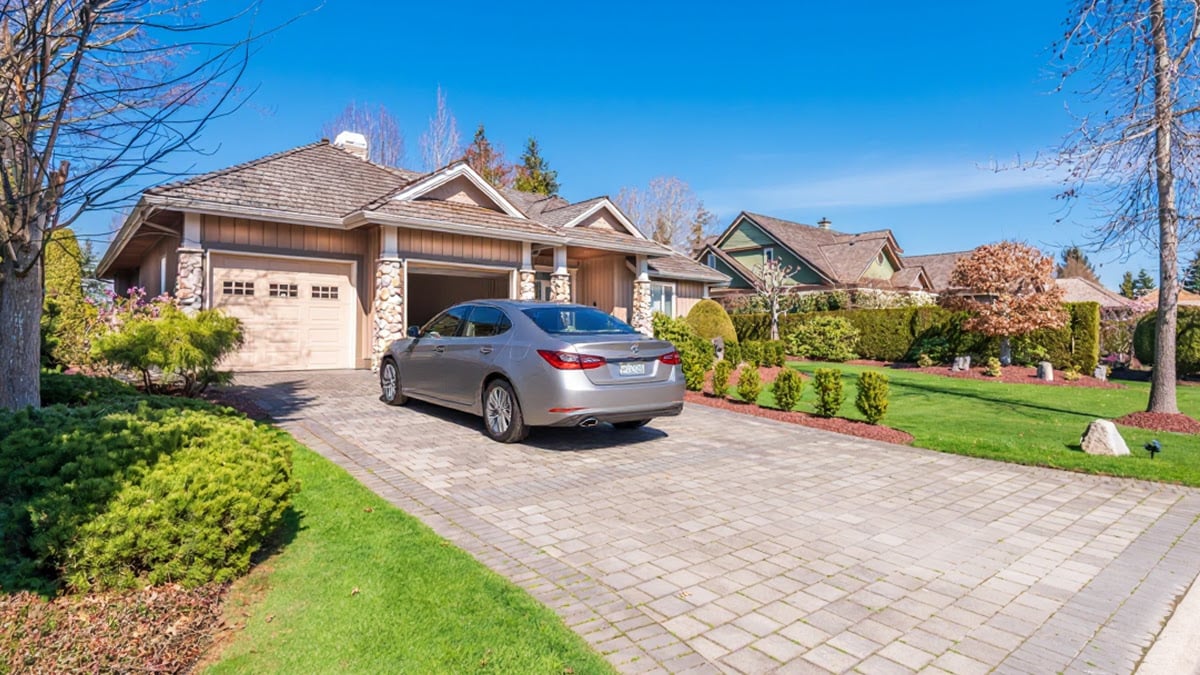
One of the first steps in the planning process is to contact the local zoning office. The staff there can explain which codes apply to the properties in your zone. NJ.gov also keeps general information about statewide building codes and regulations that could help you as a starting point.
Any exterior modifications to the home may trigger setback restrictions as well. Something as minor as swapping out a garage door for a standard entry door might be subject to review. Setbacks determine how close different structures can sit relative to the property boundaries. The zoning office will have the exact measurements and restrictions that apply to your particular lot.
Properties within a homeowner association have another approval process to go through. A lot of HOAs keep their own architectural guidelines that cover exterior modifications and design elements. It’s worth looking over the association’s governing documents closely and getting written approval before any construction begins.
Budget and Timeline You Should Expect
A garage-to-bedroom conversion in New Jersey will cost you money, and the final price tag depends on what condition your garage is in and what your local municipality needs you to do. The best move is to bring in a licensed contractor who can check out your space and give you a solid estimate.
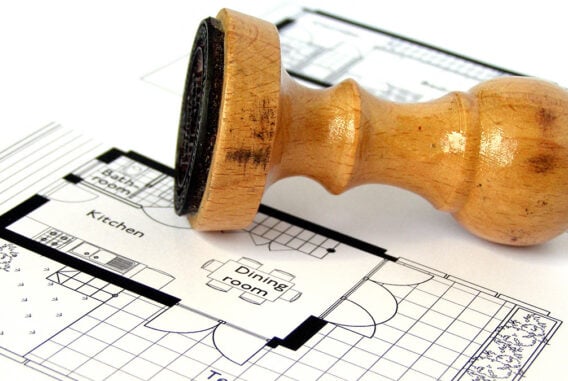
Permits and architectural drawings are part of almost every conversion project, and yes, they need to be approved before any construction begins. It’s a bit of a process. But it makes sure that the work is legal and safe. Your garage is going to need electrical upgrades because these spaces were built for cars – not for anyone to sleep in them. Insulation is needed as well – for comfort and to meet the building codes.

Every bedroom has to have an emergency exit and means you’ll need to add a window that’s the right size and height. Your HVAC system will probably need to be extended to heat and cool the new room.
The whole project takes time. Permit approval times vary quite a bit from one town to another. Construction moves forward in stages, with inspections scheduled at different points throughout the process. Weather can change the schedule too and the winter months make it worse because some materials won’t cure or set correctly in cold temperatures.
Home buyers and their inspectors will find unpermitted work when you sell, and at that point you’ll either need to go back and get the right permits and inspections or you might lose the sale completely. The municipal code enforcement can fine you if they find work that was done without approval. Taking care of permits from the start protects your home’s value and keeps your family safe.
Contact Our Team Today to Start Your Project
Garage bedroom conversions are possible in New Jersey, and lots of families finish this project successfully every year. What matters most is that everything gets done properly from the beginning. You might be tempted to skip the permit process to save time or money, or to ignore some of the building code standards. But the best way to start is always to visit the local building department first, ask them what your town requires and then hire licensed contractors who know how to work within those standards.
Stay on top of the local codes and invest the money to do it correctly, and your converted garage could turn into a pretty valuable part of your home. Maybe it’s a comfortable bedroom for a family that’s outgrown the existing layout, or maybe it turns into a private guest suite or a full accessory dwelling unit that generates rental income. No matter which path you choose, that extra square footage opens up new possibilities for your property. A garage conversion takes planning and patience, and the shortcuts won’t get you to the finish line faster. When everything is done, you’ll have a legal, safe space that adds to your home’s value and makes your home work better for you day to day.

We’ve been working with New Jersey families for over 30 years to help them add livable space and get more from their homes. Our team at Magnolia Home Remodeling Group understands what it takes to make a garage conversion – or any renovation – work the way you need it to. Projects like this need planning, local code compliance and quality workmanship to deliver real results.
Check out our project gallery to see what we do, download our free catalog to look through some ideas, or ask for an estimate so we can talk about what makes sense for your home. We also have some financing options, and as a family-owned company, we want so you can create a space that fits the way you live.