James Hardie vs. Everlast Siding in New Jersey
Apr 09, 2026
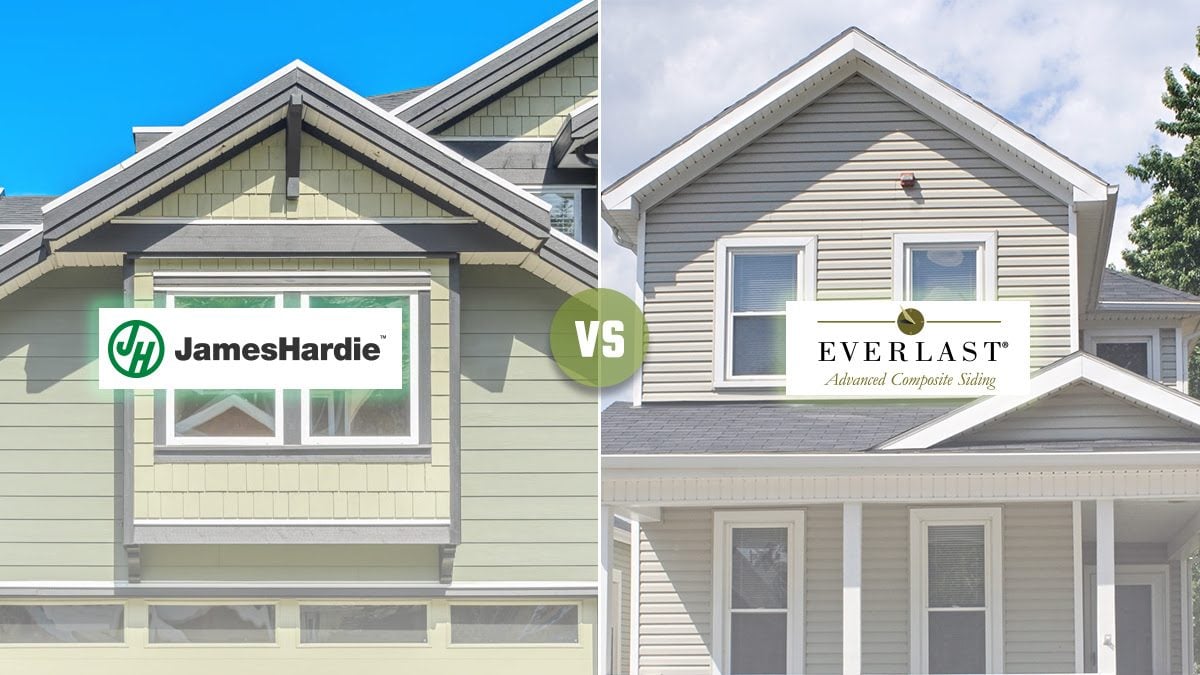
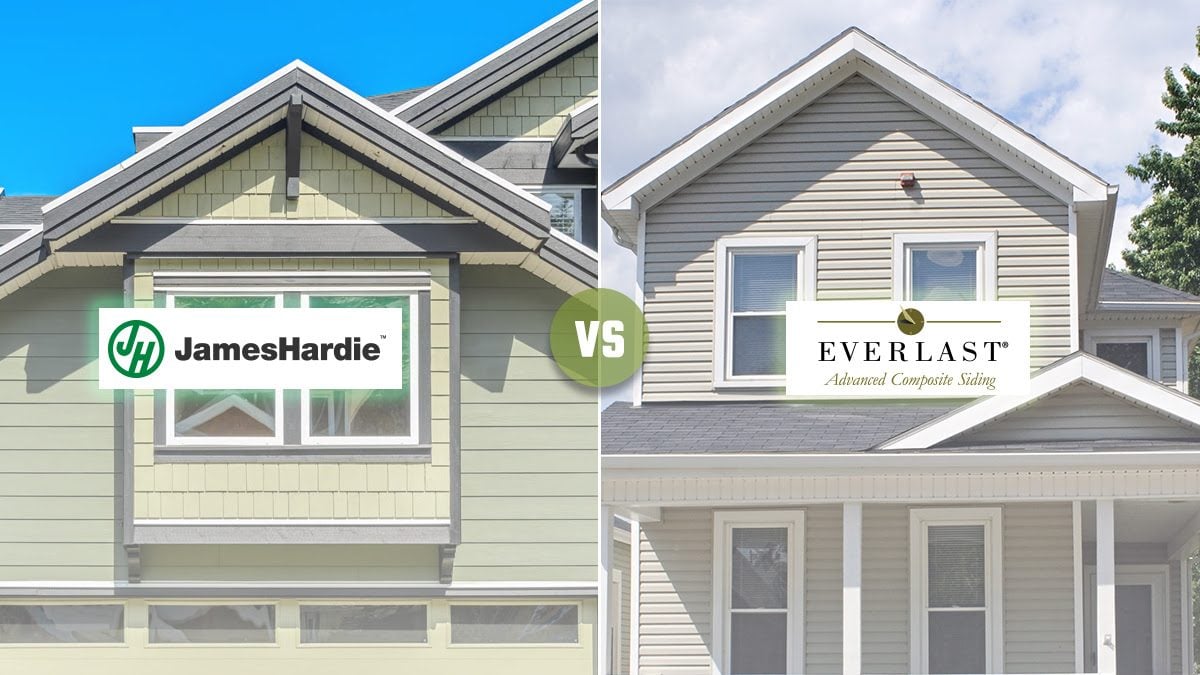
Choosing new siding is a major investment. The material you pick shapes your home's curb appeal, how much upkeep you'll deal with, and what the project costs up front.
James Hardie fiber cement and Everlast composite siding are two of the more popular alternatives to standard vinyl. They're built differently, look different, and install differently, and that adds up to real differences in price and long-term performance.
Magnolia Home Remodeling Group installs James Hardie fiber cement siding. Here's how it stacks up against Everlast, so homeowners in Northern and Central New Jersey can make a more informed call.
| Factor | James Hardie Fiber Cement Siding | Everlast Composite Siding |
|---|---|---|
| Material | Fiber cement made with cement, sand, and cellulose fibers | Composite siding made with a proprietary blend of minerals, polymers, and resins |
| Appearance | Broad range of lap, board-and-batten, shingle, panel, and trim options | More limited profile selection, including lap siding and board-and-batten |
| Installation | Heavier material that requires detailed installation practices | Lighter than fiber cement and generally easier to handle during installation |
| Maintenance | Low maintenance with periodic cleaning and inspection recommended | Low maintenance with periodic cleaning and inspection recommended |
| Color Options | Factory-finished ColorPlus® Technology options plus primed products for custom paint | Defined selection of solid-color composite siding options |
| Cost | Often higher installed cost because of material handling and labor requirements | May be comparable or lower depending on the home, profile, and installation scope |
| Best For | Homeowners prioritizing architectural flexibility, curb appeal, and fiber-cement performance | Homeowners specifically seeking a composite siding product with low-maintenance performance |
James Hardie is one of the best-known names in fiber cement siding, made from a blend of cement, sand, and cellulose fibers. It's built to stand up to New Jersey's weather while giving homes the look of traditional wood siding, without the wood upkeep.
Hardie offers a wide range of styles, including lap siding, vertical board and batten, shingle siding, architectural panels, and trim. That range makes it a strong fit whether you're updating a colonial, a modern farmhouse, a coastal-style home, or a custom exterior.
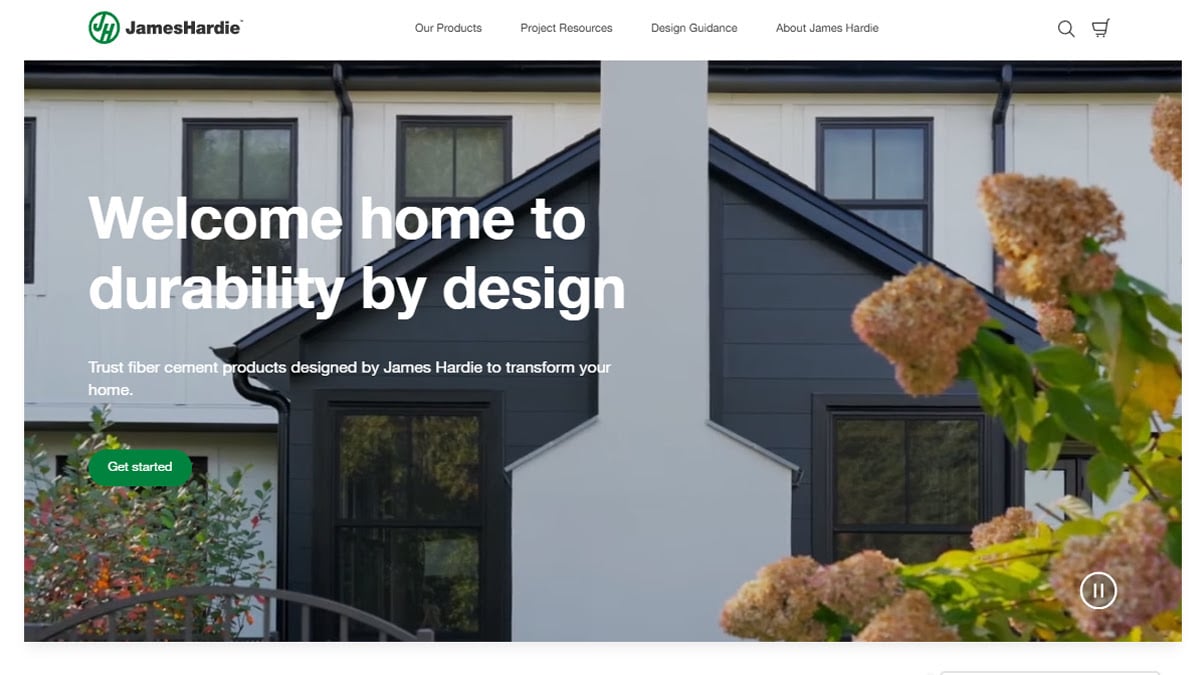
James Hardie fiber cement siding is available in lap, board-and-batten, shingle, panel, and trim profiles, giving homeowners more exterior design flexibility.
Properly installed, James Hardie siding resists fire, pests, and rot better than most standard siding materials. Because fiber cement is heavier, installation takes more care: correct clearances, flashing, and detailing around windows, doors, trim, and transitions all matter for how it performs over time.
Everlast is a composite siding product made from a proprietary blend of minerals, polymers, resins, and colorants. It's heavier and more rigid than standard vinyl, but lighter than fiber cement, which makes it a middle-ground option for homeowners who want low upkeep without the weight of Hardie.
The profile lineup is narrower than Hardie's, limited to lap siding and vertical board-and-batten. Color runs through the entire composite material rather than sitting on top of it, and homeowners choose from a set list of color options.
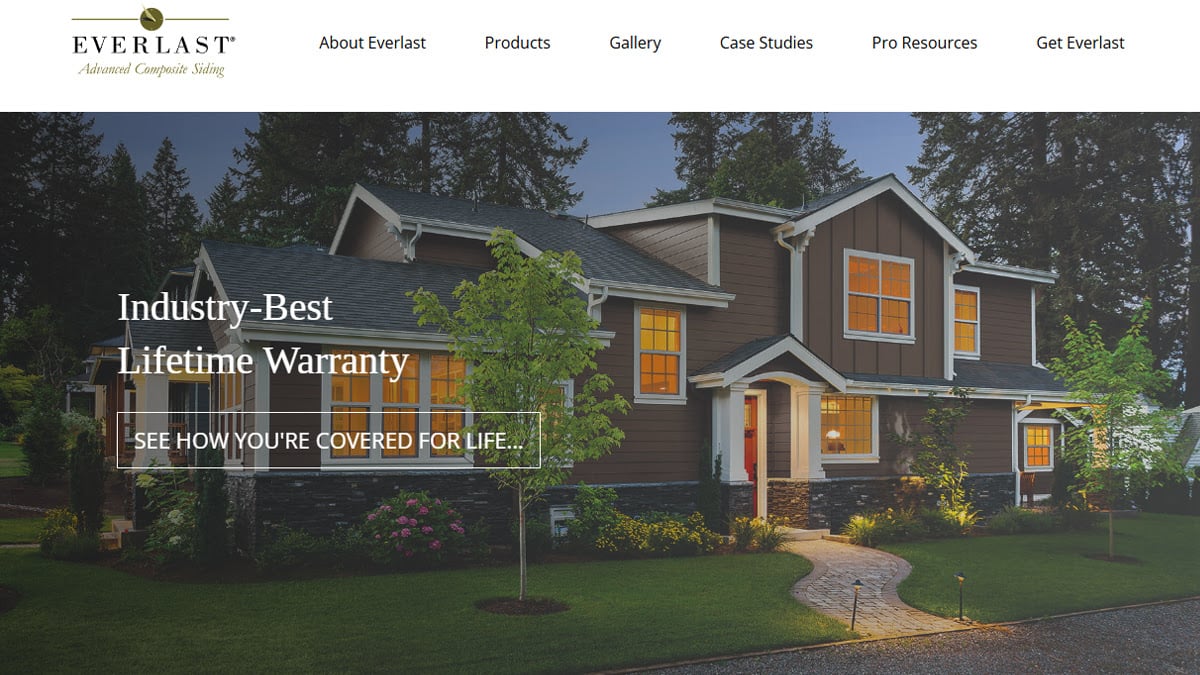
Everlast composite siding is available in lap and board-and-batten profiles with a defined selection of colors.
Everlast tends to appeal to homeowners set on a composite product specifically. Magnolia doesn't install Everlast, but if you're weighing it against Hardie, here's what to know before you decide.
James Hardie wins on design flexibility. Beyond lap siding and board-and-batten, it comes in shingle siding, panel options, and trim, so you can mix profiles for a more custom look.
Everlast keeps things simpler, with just lap siding and board-and-batten. That's plenty for a clean, straightforward exterior update, but it won't get you the shingle and panel combinations Hardie offers.
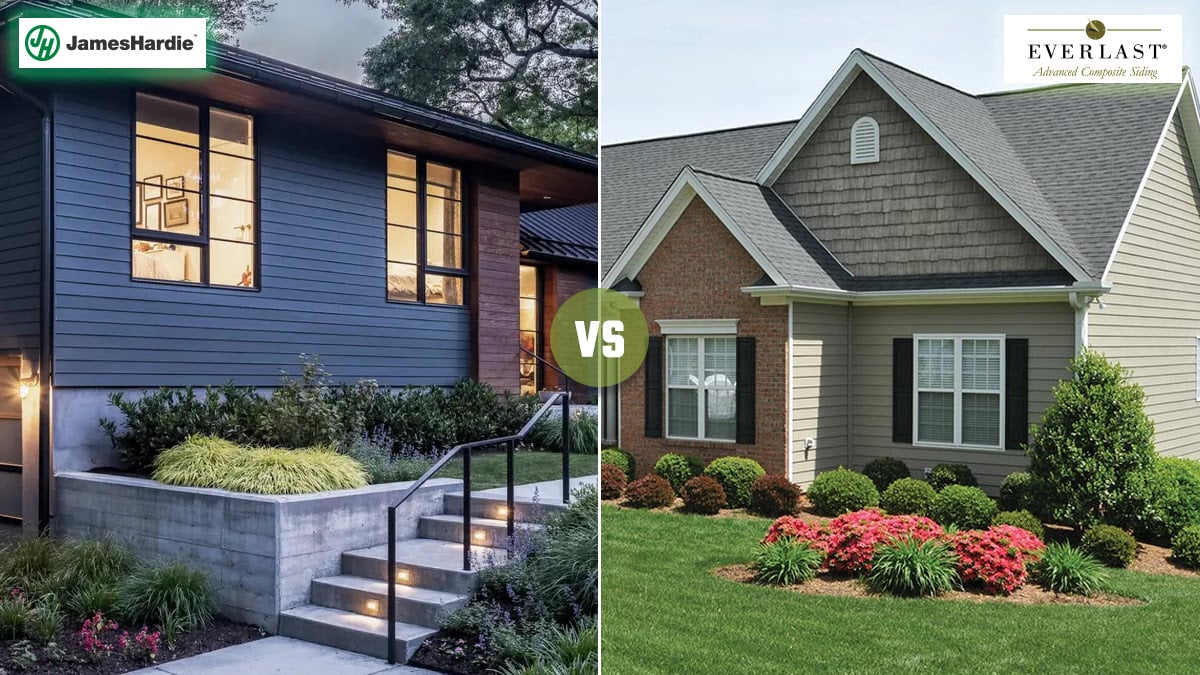
James Hardie offers more profile and trim combinations for homeowners who want a more customized exterior design.
For a classic New Jersey look, Hardie's range gives you more to work with: traditional lap-siding homes, board-and-batten accents, cedar-shake-inspired gables, and more detailed exterior renovations.
James Hardie is fiber cement. Everlast is composite. Both hold up to the elements, but they install differently.
Fiber cement is heavier and demands more precise installation: correct cutting, fastening, clearances, flashing, joints, and sealant where needed. How well Hardie performs over 20-plus years comes down as much to the installer's attention to detail as it does to the material itself.
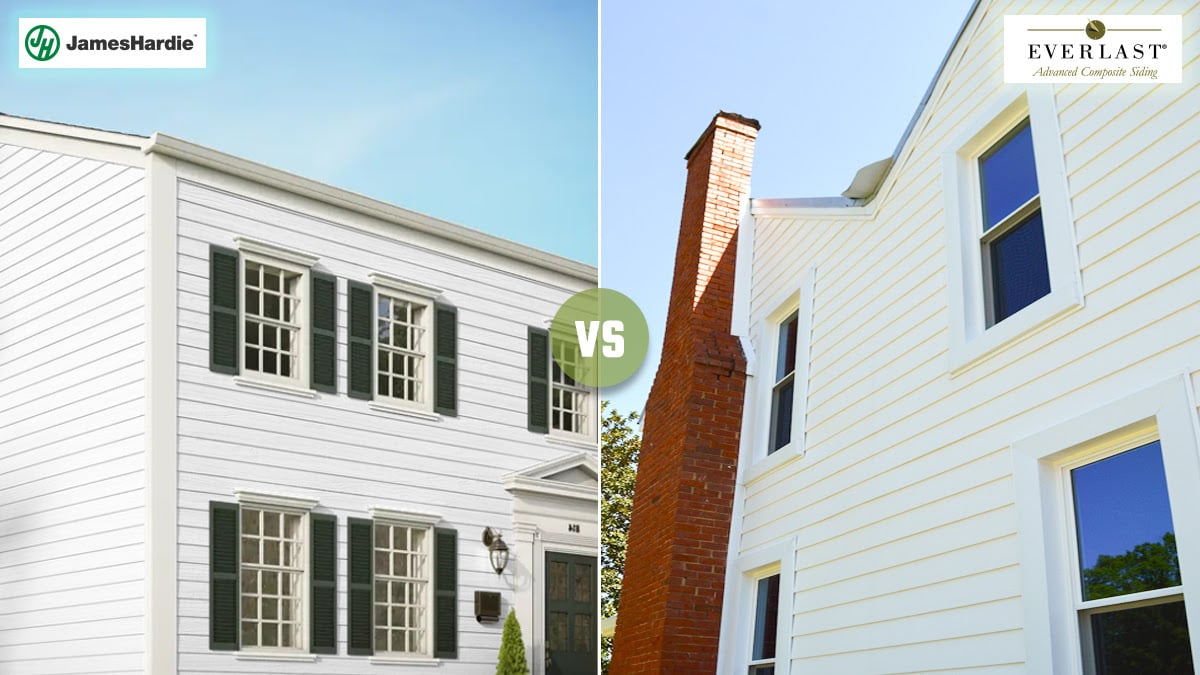
James Hardie is a fiber cement siding product, while Everlast is a composite siding material with different handling and installation requirements.
Everlast's lighter weight can mean a faster install. But speed alone shouldn't drive the decision. Appearance, long-term maintenance, budget, and the installer's track record all matter more than how quickly the crew gets it up.
New Jersey siding has to deal with humidity summers, freeze-thaw winters, wind, and snow. Both products are built for that, but they get there differently.
James Hardie has decades of a track record in fiber cement specifically, with strong resistance to fire, pests, and rot. Like any siding, its performance long-term still depends on correct installation, proper clearances, and gutters that actually do their job.
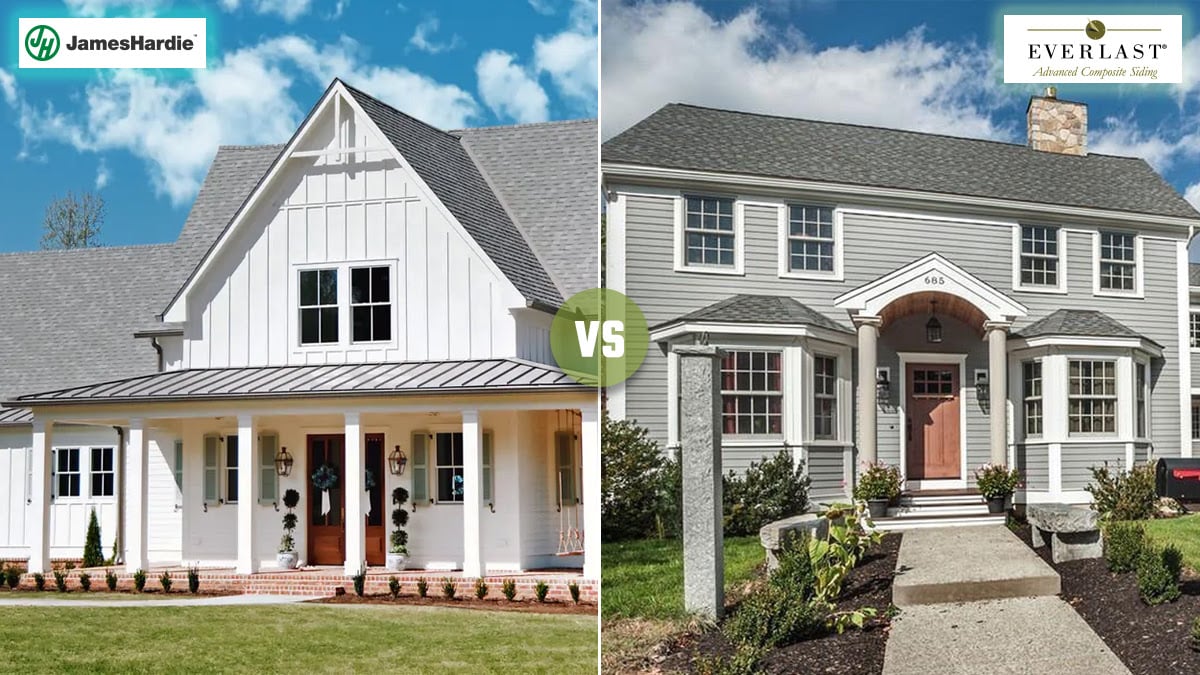
New Jersey siding projects should account for moisture, wind, snow, humidity, and seasonal freeze-thaw cycles.
Everlast's composite blend resists moisture and everyday wear well, but it's a newer product with a shorter history to point to than fiber cement. Either way, plan on periodic inspections, especially after a rough winter.
Low maintenance doesn't mean zero maintenance for either product. Clean the siding periodically, check trim and joints, keep gutters clear, and deal with damage or moisture as soon as you spot it.
James Hardie's ColorPlus® Technology is a factory-applied finish built to hold its color longer than field-painted siding. Hardie also sells primed products if you want to paint a custom color yourself, though a painted finish will need more upkeep over time than ColorPlus.
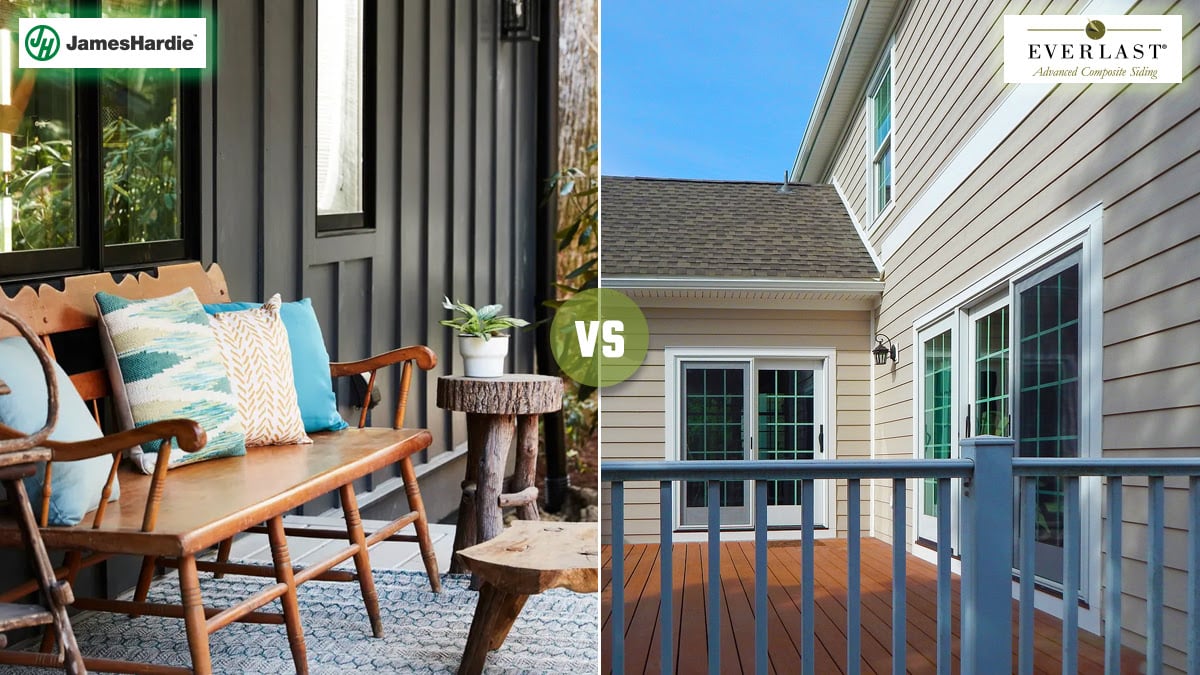
Both fiber cement and composite siding benefit from periodic cleaning, inspection, and proper exterior maintenance.
Everlast's color runs through the material itself, so there's no finish to touch up. Follow the manufacturer's care instructions and wash off dirt, pollen, and mildew buildup as it accumulates.
What you'll pay depends on your home's size and layout, how much old siding needs to come off, trim and detail work, any sheathing repairs underneath, accessibility, and which profile and material you choose.
James Hardie generally costs more installed. Fiber cement is heavier and takes more labor and handling to install correctly, and that shows up in the final number. Style, trim package, and color selection can move the price further.
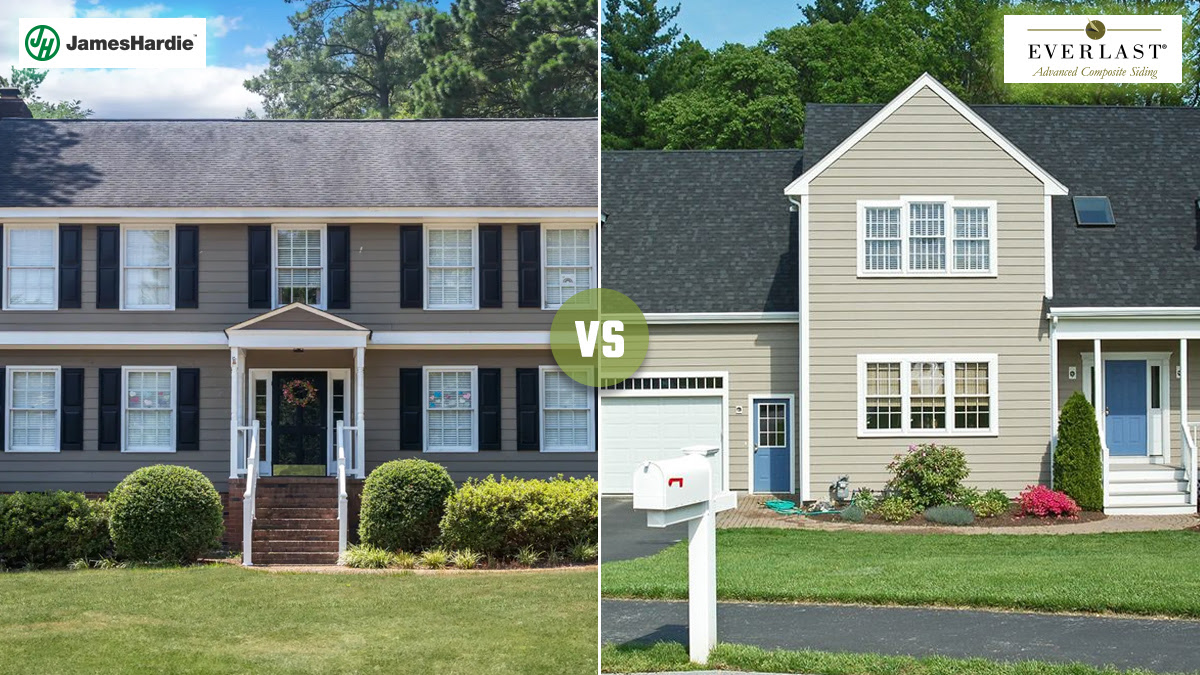
The final cost of a siding project depends on material selection, home size, exterior details, labor, repairs, and installation requirements.
Everlast can come in comparable or lower depending on the project. Since Magnolia doesn't install it, get a detailed quote from an Everlast installer and compare the full scope of work, not just the headline price.
Magnolia installs James Hardie because it gives homeowners a proven material with real design flexibility. From lap siding and board-and-batten to shingles, trim, and panels, Hardie lets you build an exterior that fits your home instead of settling for whatever profiles happen to be available.
Everlast is worth a look if composite siding specifically is what you're after. But for most homeowners weighing curb appeal, a broad range of design options, and a material with decades behind it, Hardie is the stronger fit for colonial, modern farmhouse, and custom homes across Northern and Central New Jersey.
During a consultation, Magnolia can look at your existing exterior, talk through your design goals, walk you through the Hardie options that fit your home, and put together a detailed estimate.
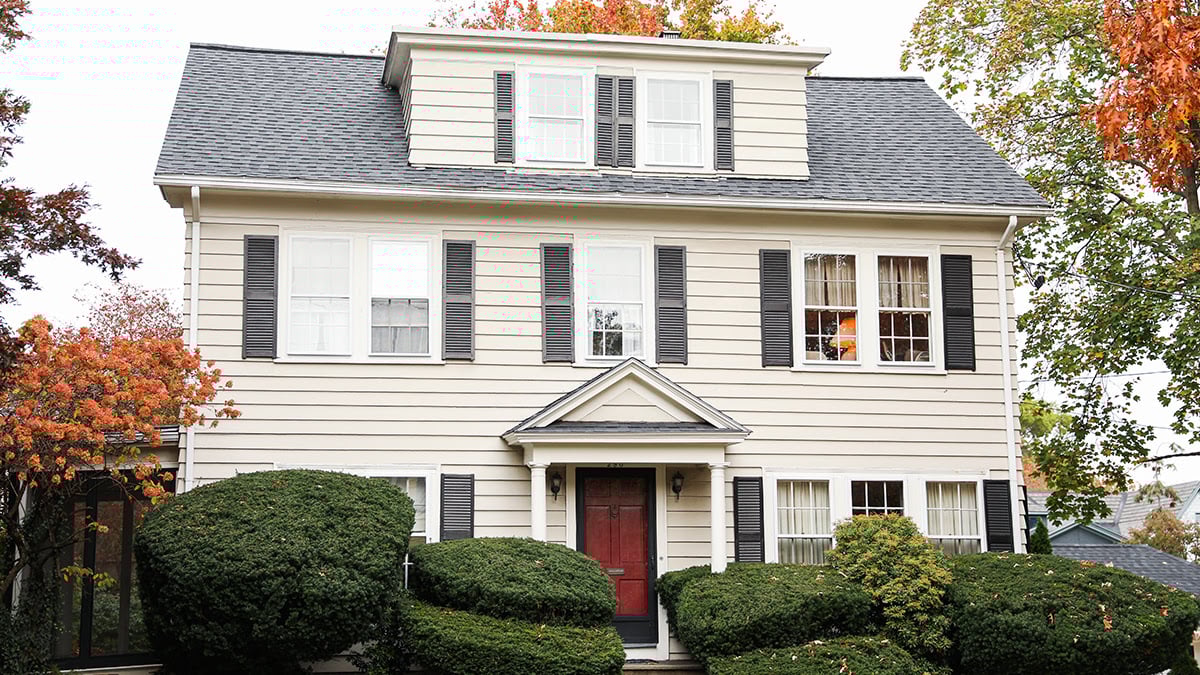
James Hardie fiber cement siding offers the flexibility to create a tailored exterior renovation for homes throughout Northern and Central New Jersey.
It depends on the project. Fiber cement is heavier and takes more labor to install, so Hardie often runs higher installed. Everlast can come in lower depending on your home's size, the profile you pick, and how much prep work the crew needs to do. Get quotes for both before deciding on price alone.
Both are built to handle freeze-thaw cycles, humidity, and snow when installed correctly. James Hardie has a longer track record specifically in fiber cement and its ColorPlus finish resists fading over time. Everlast's composite blend handles moisture well too, but it's a newer product with less of a history to point to.
No. James Hardie offers lap, board-and-batten, shingle, panel, and trim options, which gives you a lot more ways to customize the look of your home. Everlast's lineup is limited to lap siding and board-and-batten.
No. Magnolia specializes in James Hardie fiber cement siding. If you're set on Everlast, you'll need a different installer, but we're glad to walk you through how it compares to Hardie first.
If you're weighing James Hardie against Everlast, it comes down to material, appearance, upkeep, and what fits your budget. Magnolia specializes in James Hardie fiber cement siding and can help you figure out if it's the right call for your home.
As a family-owned remodeling company with more than 30 years of experience, our team is involved from the first conversation through the final walkthrough. Contact Magnolia to schedule a consultation and receive a detailed estimate. You can also explore our financing options for your siding project.