One of the biggest and most expensive home maintenance tasks is replacing a roof. Roofs are the barrier between your home and the elements, and they take the brunt of the damage: hot sun in the summer, the beating of rain and hail, the heavy snow that can accumulate in some winters, and even high winds from severe storms.
All of that means, sooner or later, your roof will need replacement. If you’re lucky (or put it in a contract), the sellers of your home will have replaced the roof before you bought it. If not, it’s likely deteriorating over your head. Shingles accumulate damage and fall apart. Decking starts to rot from moisture intrusion, and the roof starts to sag. Flashing rusts or pulls up, exposing avenues of ingress for moisture. In the worst circumstances, water starts getting in and staining your ceilings, leaving you dealing with water issues.
So, let’s talk about roof replacements. How long should a roof last, what are the signs that your roof is in need of replacement, and what should you keep in mind for that replacement? Read on for a comprehensive guide from your home remodeling experts in New Jersey.
How Long Does a Roof Last in New Jersey?
How long a roof lasts will depend on a few different factors.
Factor 1: Roofing Material
The first of these factors, and by far the most important, is the material the roof is made of. Different materials last different lengths of time.
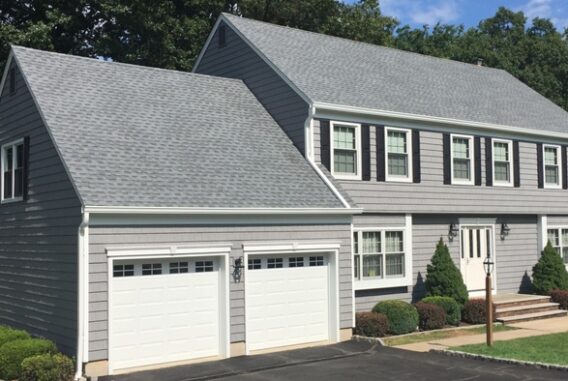
Asphalt shingles are the most common roofing material around. They’re readily available and reasonably cheap as far as roofing materials go, though they still run a range of price points for different kinds of shingles. Lower-end shingles can last around 15-20 years under normal conditions. It’s rare that they’ll fail earlier than that, unless external damage or other factors come into play.
Higher-end asphalt shingles can extend that lifespan, with some roofing systems using heavy-duty weather-resistant asphalt shingles lasting as much as 30 years. By that point, you’re really stretching the lifespan of the typical shingle, though, and you might be risking damage to the structure of the roof if you let it go too long.
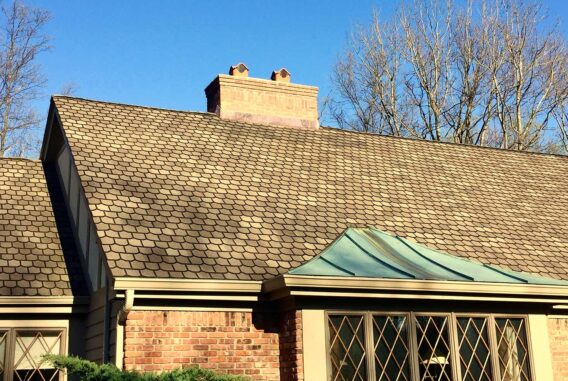
Wooden roofs use shakes, usually made out of cedar. They can be incredibly beautiful, for a few months or a couple of years, but they can very quickly fade in color down to a gray. It has character, and it’s not a sign of damage just to be discolored, which is why wooden roofs are almost always gray.
When well-maintained with sealant and waterproofing every few years, wooden roofing can last 30-40 years. Unfortunately, many homeowners with wood roofing end up not maintaining them, so they can fail a lot earlier. Moisture and insects are the biggest threats, both of which New Jersey has in spades, so you rarely see wooden roofs here.
Metal roofing is becoming more and more popular. Aluminum, steel, and even copper are starting to be very attractive, especially to homeowners who plan to live in their homes for the long haul. These roofing materials can last over 50 years, especially with proper maintenance. Metal roofs can require a little maintenance, but generally not much, and they’re very durable against most weather and potential damage.
Tile is similarly long-lived. Ceramic and concrete tiles can last 50+ years, but they can be surprisingly fragile to impact. Tree damage and hail are the two biggest offenders, leaving tiles cracked or broken. Fortunately, most of the time, individual tiles can be replaced with relative ease, and the whole roof won’t need to be replaced for a long time.
Slate roofs are by far the most durable, with some on historic buildings already over 100 years old. Usually, the building under the roof is falling apart long before the roof with this material. It’s one heck of an investment, which is why it isn’t all that common these days.
Factor 2: Maintenance
The second factor is the maintenance you do on your roof. Depending on the kind of material you have up there, different kinds of maintenance may be required to keep it in peak condition.
Basic maintenance tasks include cleaning gutters, removing debris, and checking for signs of damage. Cleaning the roof to eliminate moss or algae growth, inspecting flashing, and checking other details are all part of routine homeowner maintenance.
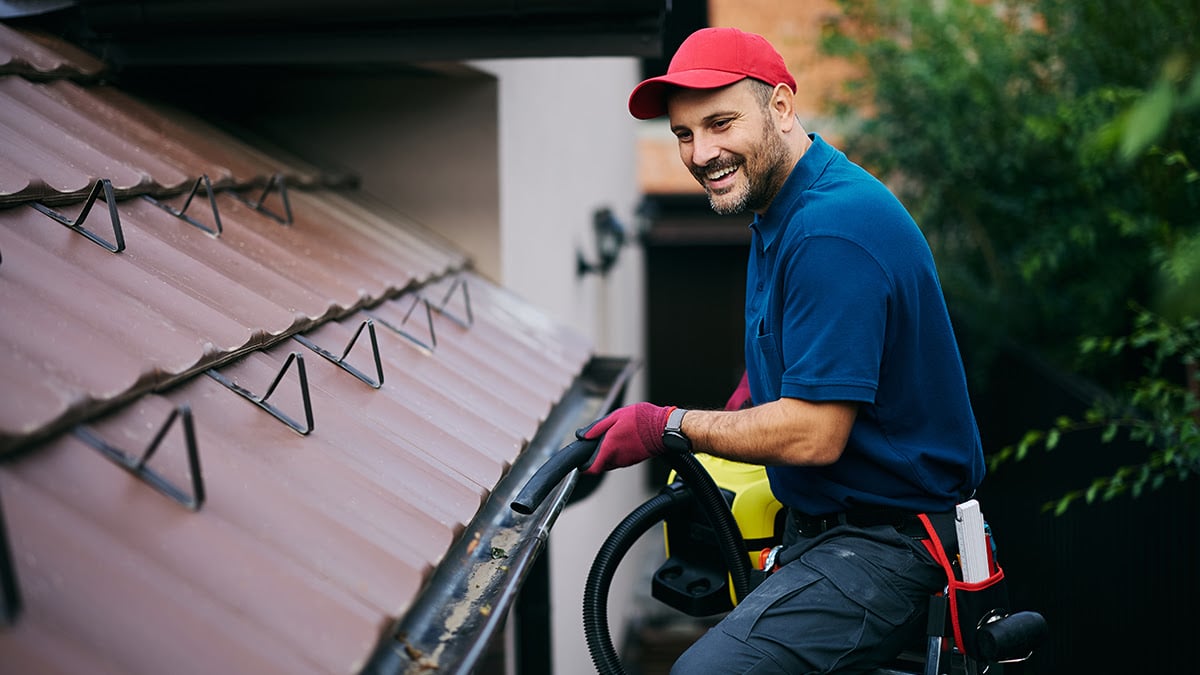
Certain materials need their own care, too. As mentioned above, metal roofing might need sealant occasionally, and wooden shakes definitely need it.
In winter, you may also want to consider removing snow from the roof. The heavy build-up of snow can do more damage to shingles over time, and ice dams can back up water beneath the roof and cause damage to the supporting layers.
Factor 3: External Conditions
The third factor in roof longevity is external conditions.
One of the most common sources of premature roof damage is overhanging trees. Obviously, if a tree falls or a heavy branch breaks off, it can damage the roof. Even without that, the steady build-up of organic matter from the trees can damage the roof over time. This is why older roofs under trees often look much worse than roofs of comparable age nearby.
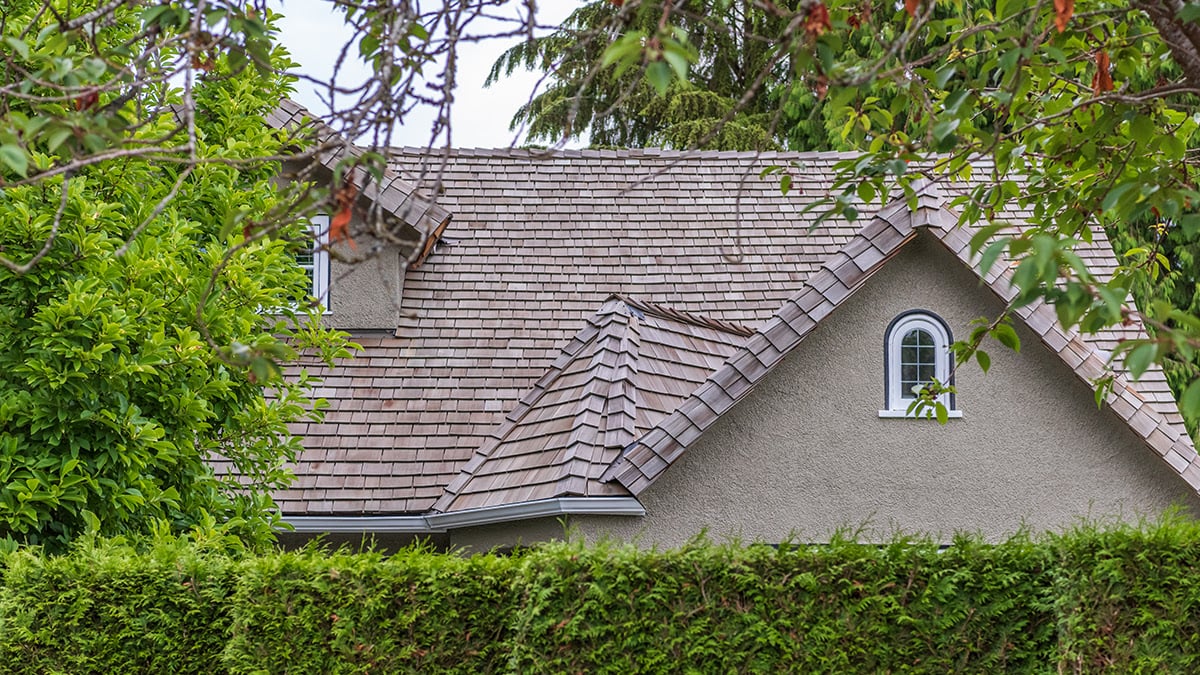
Here in New Jersey, you might also need to contend with salty, moist air from the coast. The closer you are to the coast, the more those kinds of environmental factors can be a concern.
When you combine all of this, here’s what you get:
- A poorly maintained roof made of cheap materials might be nearing the end of its usable lifespan in 15 years.
- A well-maintained roof made of high-end materials will outlive everyone reading this post by decades.
- The majority of roofs here in New Jersey are somewhere in the middle and average a lifespan of about 30 years.
When was your roof put in place? If it’s getting close to 30 years, maybe it’s time to give your local New Jersey roofing experts a call.
How to Tell if Your Roof is in Need of Replacement
If you aren’t sure how old your roof is, or you’re just stretching it as long as you can, it’s important to know what to look for. What are the signs that your roof is nearing the point of expiration, and that you’ll need to replace it before it does serious damage to the interior of your home?
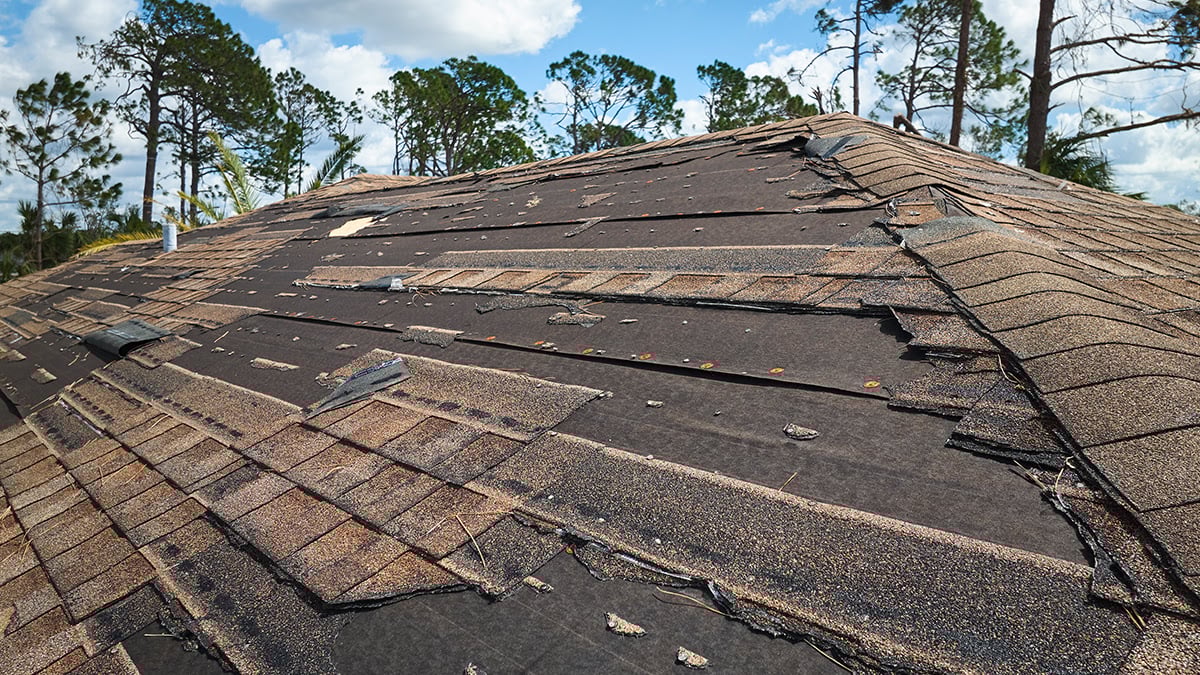
- Your asphalt shingles are starting to curl and cup. This is a sure sign that they’re degrading and will start falling apart sooner rather than later, leaving parts of your sub-roof exposed to the elements.
- The granules on the shingles are falling off. Asphalt granules are an important part of shingles, offering UV and fire protection, traction, and durability. These come loose and fall off over time, but when enough of them have fallen off and leave shingles bare, it’s time to consider replacement.
- Moss or algae is growing on the roof. These are signs of moisture (and are common in areas where it’s humid, like New Jersey). They’re reasonably cosmetic, but they do potentially trap moisture against the roof, accelerating degradation.
- The roof itself is sagging or bowing. This is a sign that the supporting rafters or underlayment is damaged, usually from moisture rotting it away, and will mean a full roof replacement sooner rather than later.
- You’re seeing signs of water inside. Stained or leaky ceilings in the upper floor mean moisture is getting in somehow, and that, at minimum, means a ventilation issue, and possible roof leaks that need repair or replacement to prevent worse structural damage.
- Visibly damaged flashing. Flashing seals the seams of the roof and prevents water from getting in, so if it’s damaged, it needs to be repaired. Sometimes, flashing can be repaired without replacing the whole roof, but if it’s old enough to be damaged by time and the weather, so is the rest of the roof.
- The roof was damaged by recent events. Heavy hail is rare but can damage a roof. More commonly, severe storms can pull loose shingles off a roof, and falling tree branches can do a lot of damage.
- Your homeowner’s insurance tells you it’s time. Unfortunately, sometimes you don’t have much choice; you need insurance, but your insurance will drop you if your roof is too old, even if it’s in good condition.
There are also a couple of less objective signs to consider. For example, if your roof just looks old and beat up, it probably is. It might not be quite as bad as it looks, but that doesn’t mean you wouldn’t benefit from a replacement.
Another is if you notice several of your neighbors getting new roofs. Often, homes in a neighborhood are built all around the same time, by the same people, with the same materials. If several neighbors are replacing their roofs, it might mean yours is due as well.
Before wrapping up, there’s one sign that doesn’t mean it’s time for a new roof: someone showed up and told you they noticed your roof needs replacing. Unfortunately, shady salespeople going door-to-door will try to convince you to replace your roof prematurely. While it’s always possible, it often isn’t. If you want to verify, have us come out and take a look. If your roof is fine, we’ll say so; if it isn’t, we can give you a free estimate.
How Does a Roof Replacement Work?
If you think your roof needs replacing, the first thing to do is call a professional and have them come out to look. Traditionally, a roof inspector will take a look at the roof itself from ground level, go up and look at problem areas directly, and possibly even look at it from inside if the attic is accessible. Some inspectors today also use camera drones to get a close look without getting up on the roof themselves.
During this consultation, concerns like the state of the roof, issues inside like water, and other issues can be discussed. That can help determine if your problems actually come from the roof, or if you have another issue and a roof replacement (warranted or not) wouldn’t help.
When a roof replacement is necessary, the next step is to schedule it. Roof replacement can be done just about any time of year, and usually takes about a week. Weather conditions can change this, of course, but we know how important a roof is, and won’t let it sit unattended.
Tearing out the old roof is a relatively quick process, done carefully with care taken to prevent debris from ending up in the yard, street, or neighbor’s yard. Any underlying damage can be assessed, and adjustments to the plan are made if need be.
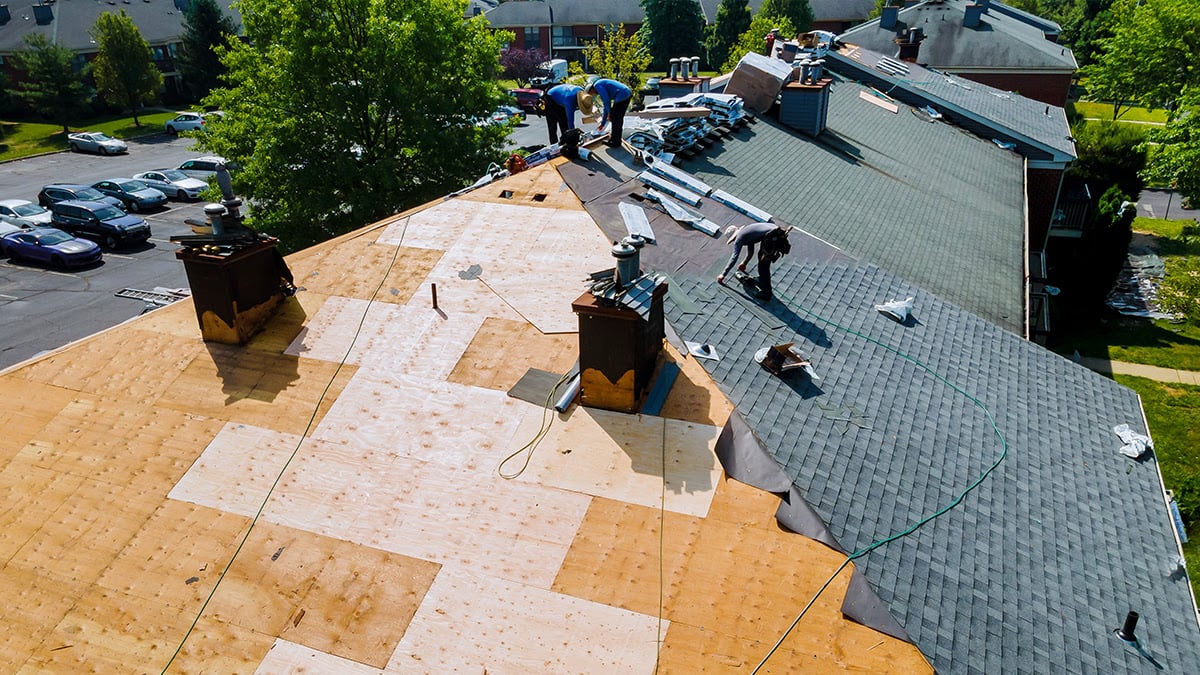
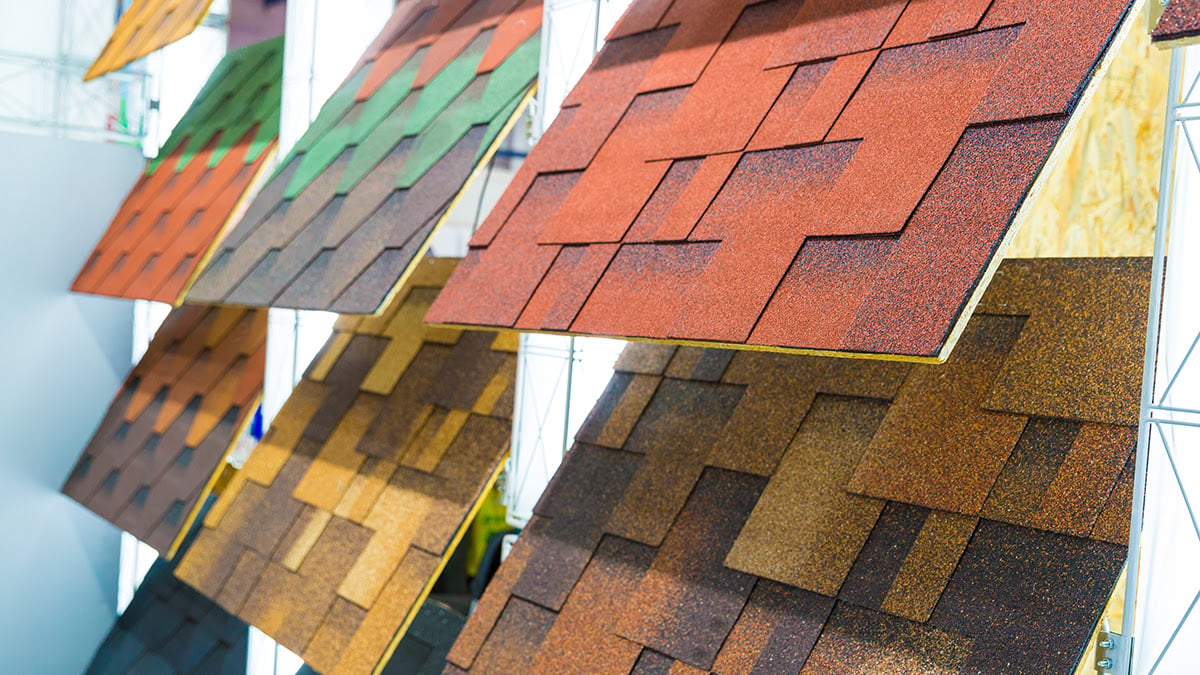
Any underlayment and flashing repairs or replacements can be done at this stage. Afterwards, new roofing material is installed. Your choice of material, brand, and style, of course! At Magnolia Home Remodeling, we offer a variety of different products from CertainTeed, Owens Corning, IKO, and GAF, so you’re sure to find a style you like.
Once everything is sealed and installed, we’ll do a final clean-up and inspection to make sure everything is in order and there are no remaining concerns. All in all, you’ll have a new roof ready to go in next to no time.
Wondering if it’s time for a new roof? Reach out and give our team a call. It doesn’t take long to get a roof inspection done, and we can tell you if it’s time or if you can go a few more years with what you have. If a new roof is required, we’ll give you a free estimate, and if you want to work with us, we’re more than happy to get you set up with an appointment ASAP.
For that matter, if your roof is past gone and you have water ingress issues inside, you can also talk to us about repairs to the interior. We do all sorts of home renovations and remodeling, and we’re happy to help.