Walk-In Shower vs Tub: What NJ Buyers Prefer
Aug 03, 2026
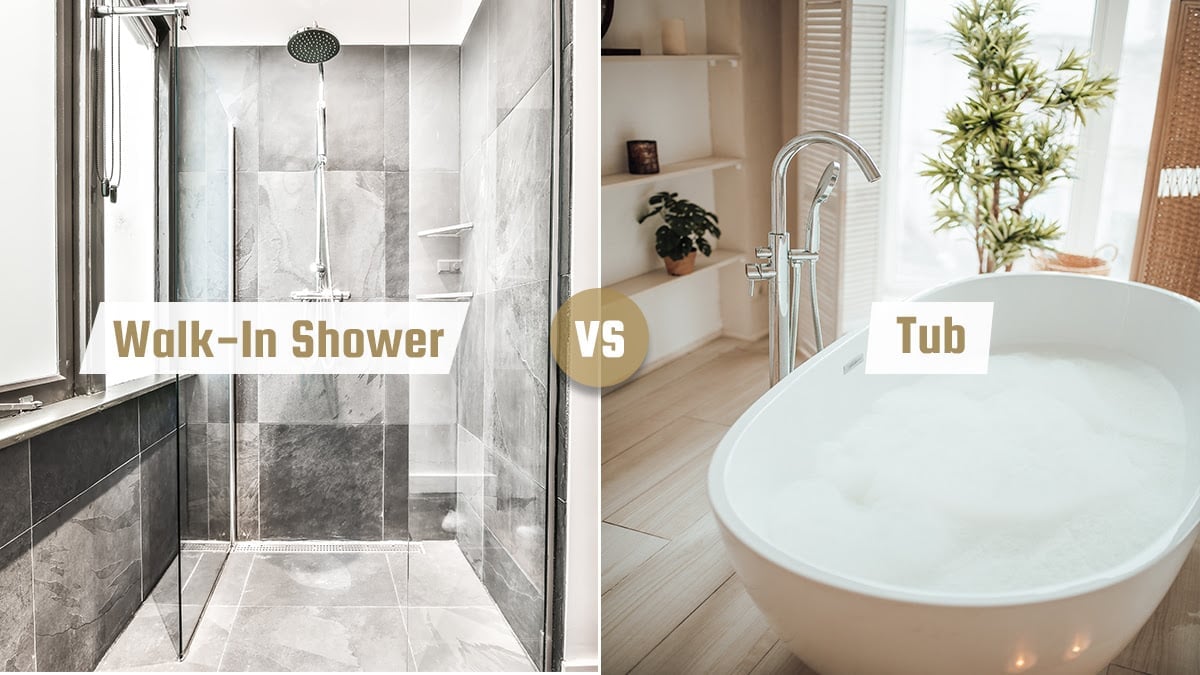
Are you remodeling an existing bathroom? Are you adding a new master suite and deciding on your new bathroom layout? Are you renovating a home for resale and want something buyers will love?
Designing a bathroom can be surprisingly tricky. It goes beyond picking colors and designs for tile, fixtures, and features. You have to make major decisions, and one of the biggest decisions is what kind of shower you want.
If this were 20-30 years ago, the decision would be a no-brainer. But times change, and trends change with them. The way people use bathrooms today is quite a bit different than it was just a few decades ago, which means the design trends and buyer preferences have changed as well.
The big choice comes down to two options. Do you want a walk-in shower stall, or do you want a bathtub? The answer may surprise you.
Key Takeaways
Depending on who you are, what your lifestyle is, and what you grew up using, the choice of a tub or a walk-in shower can seem obvious, but might be completely different than someone else's.
There are three key facts to know here.
First: walk-in showers are becoming more and more popular throughout New Jersey. Every year, we perform numerous bathroom remodels or installations. As time goes on, we're seeing more and more people request a conversion from a tub to a walk-in shower, or just opt for a walk-in shower for their new-build bathroom.
Second: having a bathtub somewhere in the house is still essential. Tubs have a lot of utility, from washing pets and children, to people who enjoy a good soak, to catering to people who prefer a tub over a shower. While just 55% of people say they enjoy soaking in a tub (a number that is decreasing each year), that's still over half. Not having a tub can turn off a large swath of potential homebuyers.
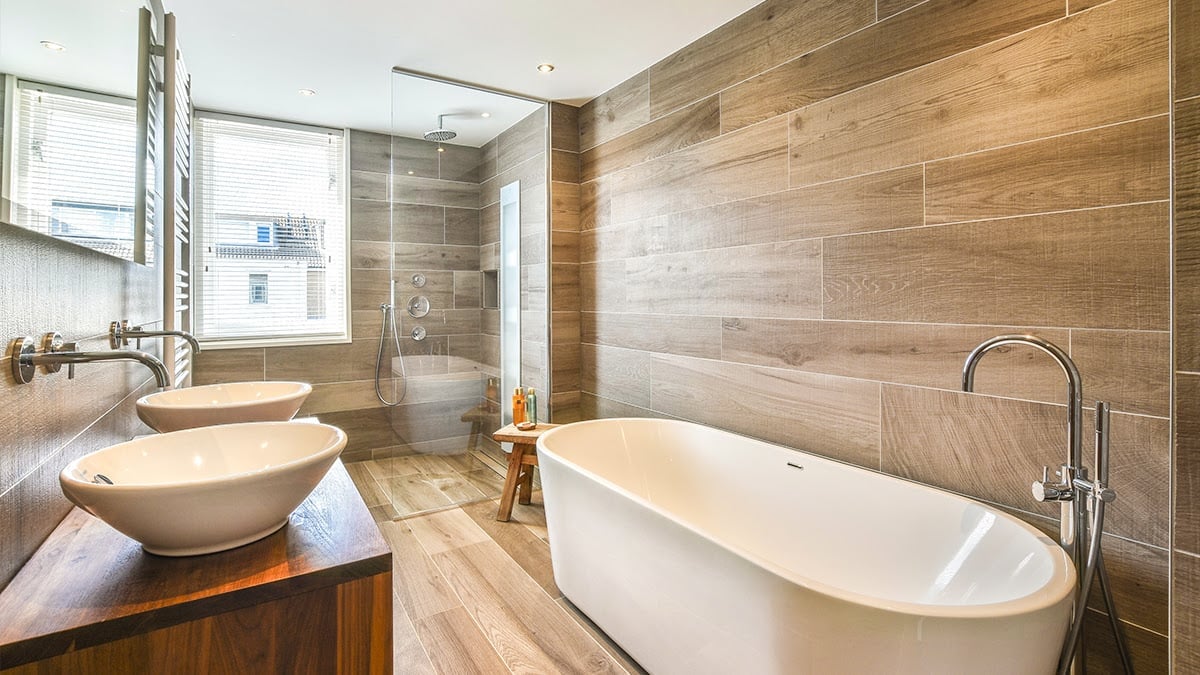
Third: there's no wrong answer to the question. While having a tub somewhere in your home is still considered pretty essential, it doesn't have to be in your main bathroom or your master suite. The decision of whether to go with a tub or a walk-in shower is largely preference and can depend as much on your goals with the space and purpose of the bathroom.
As your New Jersey home remodeling experts, we're happy to work with you for any kind of bathroom design. We've installed everything from jacuzzi tubs to clawfoot soakers to rainfall showers to utilitarian shower stalls, and everything in between. Just reach out, and we can put together a design for your ideal bathroom right away.
As we've mentioned, trends change over time, and right now, the winds are blowing in the direction of a walk-in shower. There are certainly quite a few good reasons why you might consider one, and if you're looking to sell your home once the project is finished, some homebuyers are looking for showers for these reasons.
Accessibility. Tubs can be hazards, especially for older individuals and people who intend to age in place and live out their lives in the home. When mobility is an issue, stepping over a tub rim (especially when it's wet from a bath) can be very dangerous. Bathrooms are one of the common trouble spots for older adults who risk a fall.
Efficiency. Walk-in showers require less space than full bathtubs, which means they can fit into smaller spaces without feeling overly cramped. This isn't as much of a problem with a new build home or a spacious addition, but for bathrooms being added to former walk-in closet spaces or now-closed hallways, or in other cramped spaces, even a few extra square inches can make the difference.
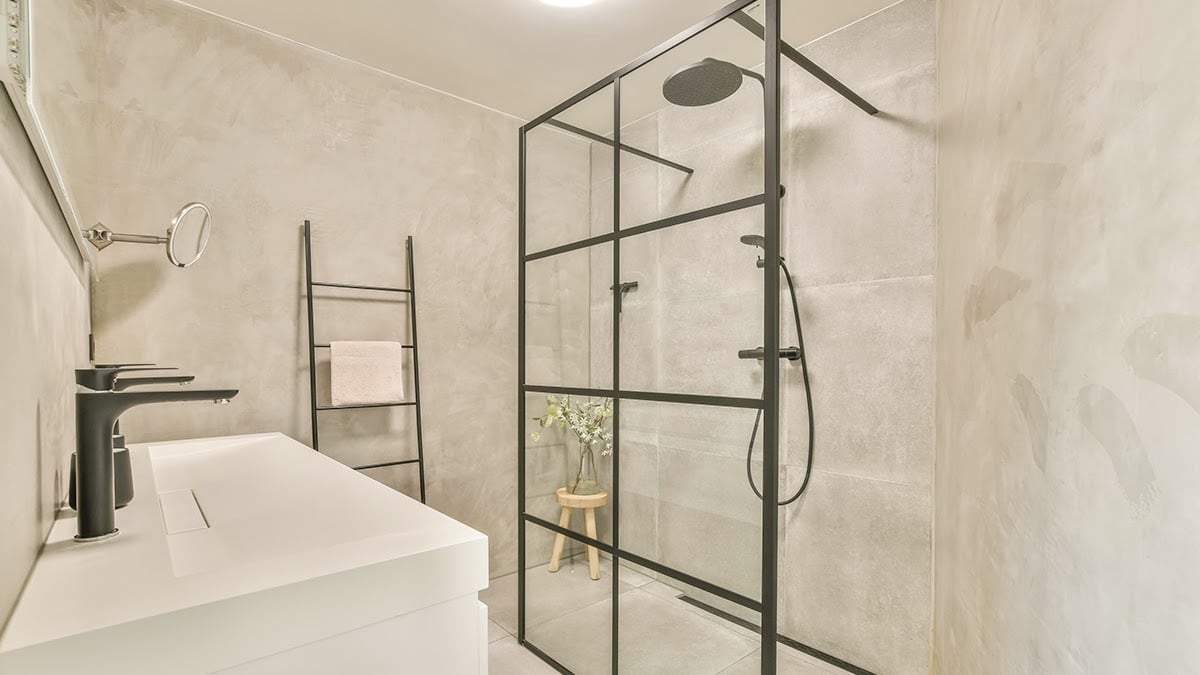
Modernity. These days, a walk-in shower gives off an air of modern or futuristic design. Whether it's glass-enclosed, offers multiple jets or rainfall features, has a seamless drain design, or anything else, it stands out in the minds of many buyers. In contrast, tubs are often viewed as more vintage in aesthetic.
Water Usage. Many modern homeowners are concerned about their utility use, and with bathrooms, that means both the water consumption itself and the power consumption of water heating. With a walk-in shower, a typical shower uses around 20-25 gallons in ten minutes. A bath, meanwhile, easily eats up anywhere from 35 to 80 gallons. Those savings add up over time.
Converting a Half Bath to a Full Bath. This can be a big one. Homes with 1.5 baths aren't quite as attractive to homebuyers as equivalent homes with two full baths. A walk-in shower allows you to convert a smaller space with a half bath into a full bath. It doesn't work in every case (some half baths are very small), but if you can swing it, it can be a bump in home value and listing visibility.
Despite a growing preference for walk-in shower designs in main bathrooms, master suites, and elsewhere, they still have some drawbacks that need to be considered.
Worse for Children. Most parents view a bathtub as absolutely essential to caring for their children, so if you're choosing a walk-in shower, you're cutting off that utility for that bathroom. Now, this isn't a serious problem if there's still a tub somewhere in the house, but if it's the main bathroom, many parents won't want to dedicate a smaller sub-bathroom somewhere else to childcare. The same can hold true for some pets as well, though that's less of a concern for most homeowners.
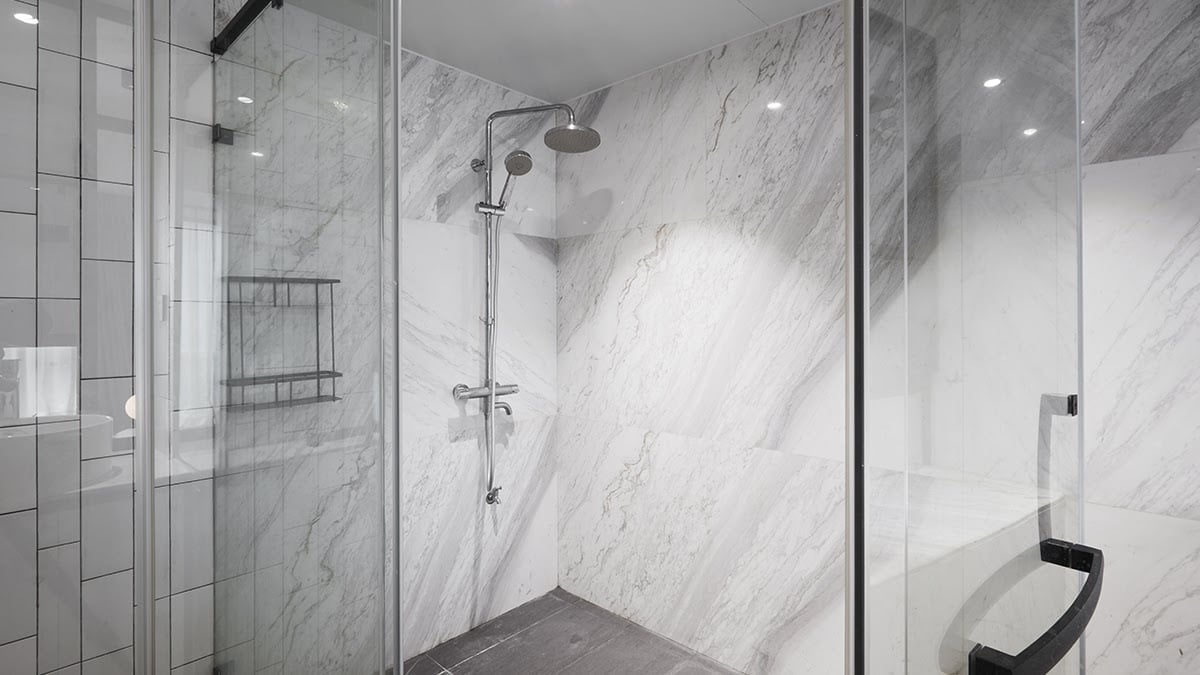
Costs and Maintenance. One of the main downsides of a walk-in shower is the higher up-front cost than a tub enclosure. Tile work, glass enclosures, an array of fixtures beyond a simple faucet and shower head; all of these add onto the expense. While the specific costs will vary by design and size, they tend to be much more customized, which means more skill and labor needs to go into making them.
Maintenance-wise, minor tasks add up. Glass enclosures look great until they've built up residue and water spots, so they need regular cleaning. Tile needs to be re-sealed periodically. Having multiple shower heads, jets, and fixtures requires more cleaning of each of them.
Design Failures. While it's avoidable, some shower designs can leave you with splashing issues. Those seamless edge drains don't always capture all the water in the shower, and it's not uncommon for walk-in showers to have water issues outside of their enclosures. This can all be mitigated with proper design, but it just reinforces the need for that proper design. You can't cut corners.
While walk-in showers are getting more popular with each passing year, over half of homebuyers still say they like to have a tub in the house. It doesn't necessarily need to be in the master suite or the main bathroom, but it's still important to have.
We've already mentioned that they're essential for families with children, but that doesn't tell the full story. Even older homebuyers can prefer a home with a tub if, for example, they have grandchildren. Lacking a tub entirely can be a novelty for some families, but the limitations can chafe, and you don't want buyer's remorse.
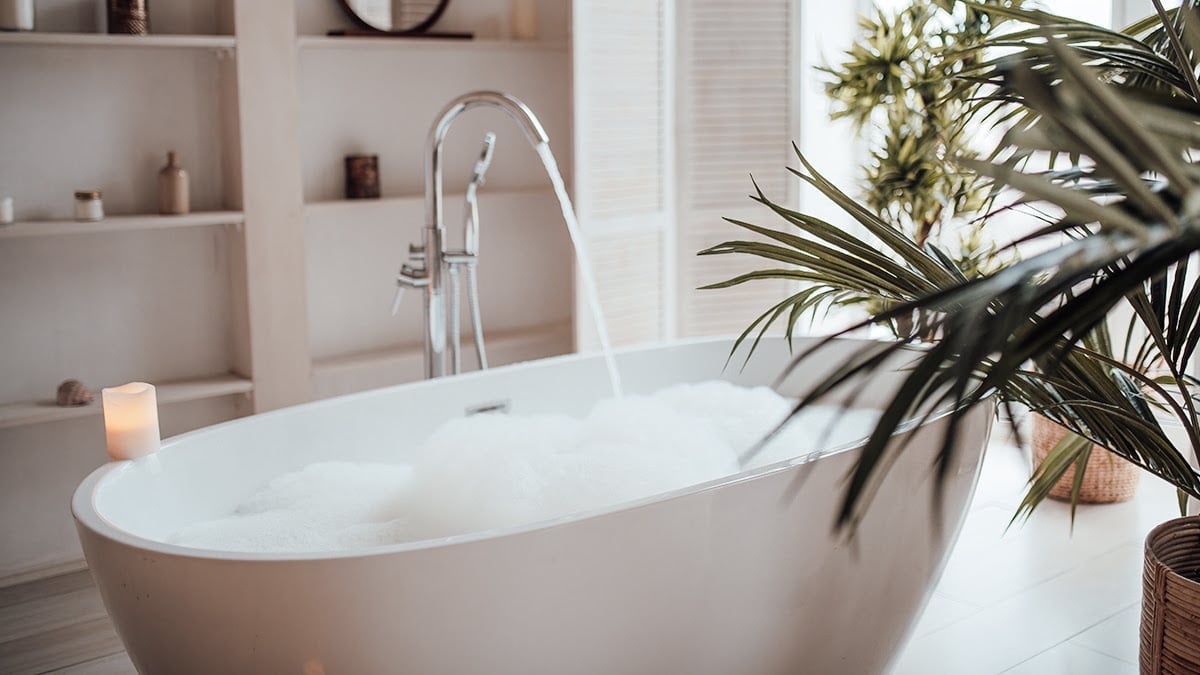
Bathtubs are also being seen as a luxury more now than they have in the past. Some people view a walk-in shower as something more utilitarian, and a tub as the luxurious option for those who have the time and leeway to take those long baths. A good bathtub design brings the feeling of a spa home with you, and that shouldn't be underestimated.
Some homeowners also opt for a separate design. One large bathroom that has a freestanding soaking tub, as well as a walk-in shower, can feel very luxurious. That said, some people don't like the inconvenience of having both as separate fixtures and prefer a combination shower and tub.
Sometimes it's best to look at your options directly instead of a more conceptual pros and cons list.
Costs: Walk-in showers tend to be more expensive, usually around double the cost of a bathtub-centered bathroom. A lot depends on how large and how custom you want your walk-in shower to be.
| Factor | Walk-In Showers | Bathtubs |
|---|---|---|
| Costs | More expensive, typically around double the cost of a tub-centered bathroom; price varies widely based on size and level of customization. | Less expensive, making a bathtub-centered bathroom the more budget-friendly option. |
| Size | Smaller footprint on the low end, with compact designs starting around 9 square feet; custom builds can be much larger, up to full wet-room bathrooms (still rare in the United States). | Requires a fixed footprint for the tub itself, with less flexibility to scale down for small spaces. |
Size: Walk-in showers take up less space on the low end, with the smallest designs around 9 square feet. However, custom-designed walk-in showers can be much larger, and you can even opt for a full wet-room design bathroom, though these are still quite rare in the United States.
Accessibility: Walk-in showers are better for people with mobility issues, and can be built with accessibility aids like bars and rails in mind. Tubs at minimum require a tall step, which can be a hindrance.
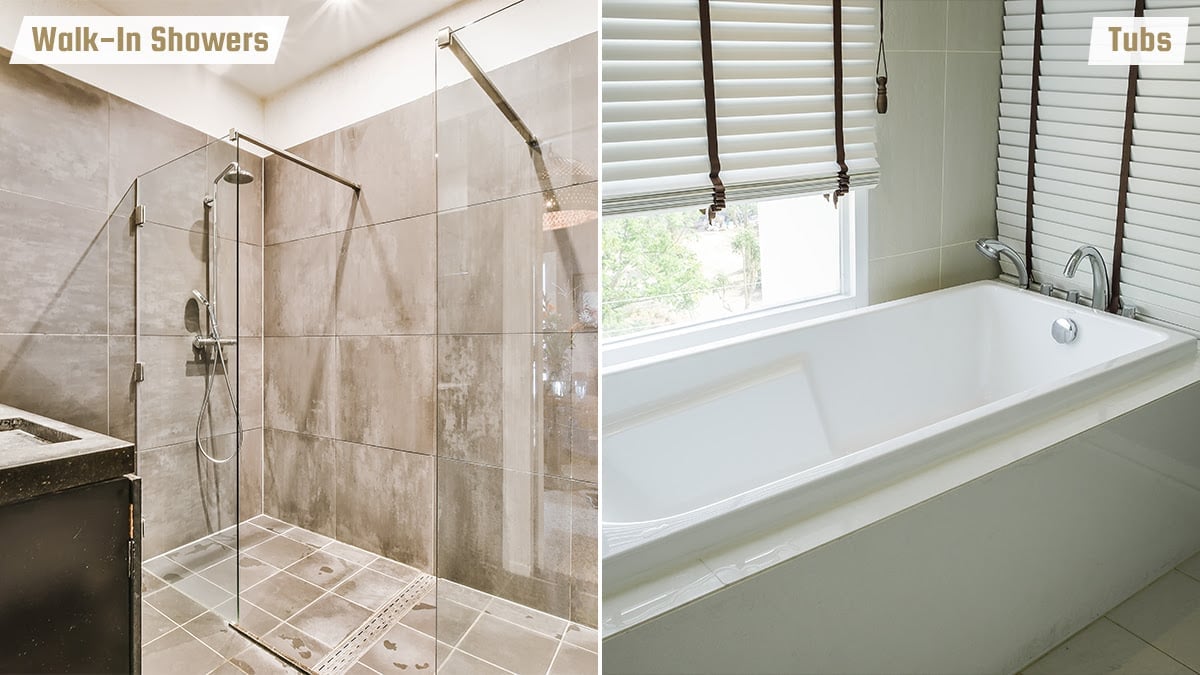
Maintenance: Tubs in general require less ongoing maintenance, though it can depend on the design of the surround. Shower curtains need less maintenance (but occasional replacement) compared to glass doors. Single-piece surrounds require less maintenance than tile walls and floors. The specifics depend on design, but tubs tend to win out here.
Utilities: Tubs take more water to fill, which means more energy to heat the water, more water consumption on your water and sewer bills, and more. That said, a more accessible shower might mean more showers taken, which can even out the usage over time. A hybrid tub/shower gives you the best of both worlds; after all, you don't need to fill up the tub to take a shower in a bath if the fixtures are there.
Luxury: A straight-up tie. Some people view the modern walk-in shower as an upscale luxury. Others view the bathtub as a luxury. Aesthetics can reflect many different design sensibilities in either direction. This is dependent on the buyer's (or homeowner's) preferences as much as anything else.
As we mentioned above, there's not necessarily one right answer to your bathroom design needs. That said, there are some trends worth watching.
When you look at homes in the New Jersey area that sell more quickly than average, especially in the upper ranges of home values, you see that walk-in shower designs are extremely common. This is especially true in master bathrooms. People today value having a walk-in shower.
There are a lot of possible reasons for this, and different buyers are going to have different opinions. If nothing else, since walk-in showers are a relatively modern trend, it means a bathroom with one is more likely to be a more recent renovation, which is a selling point.
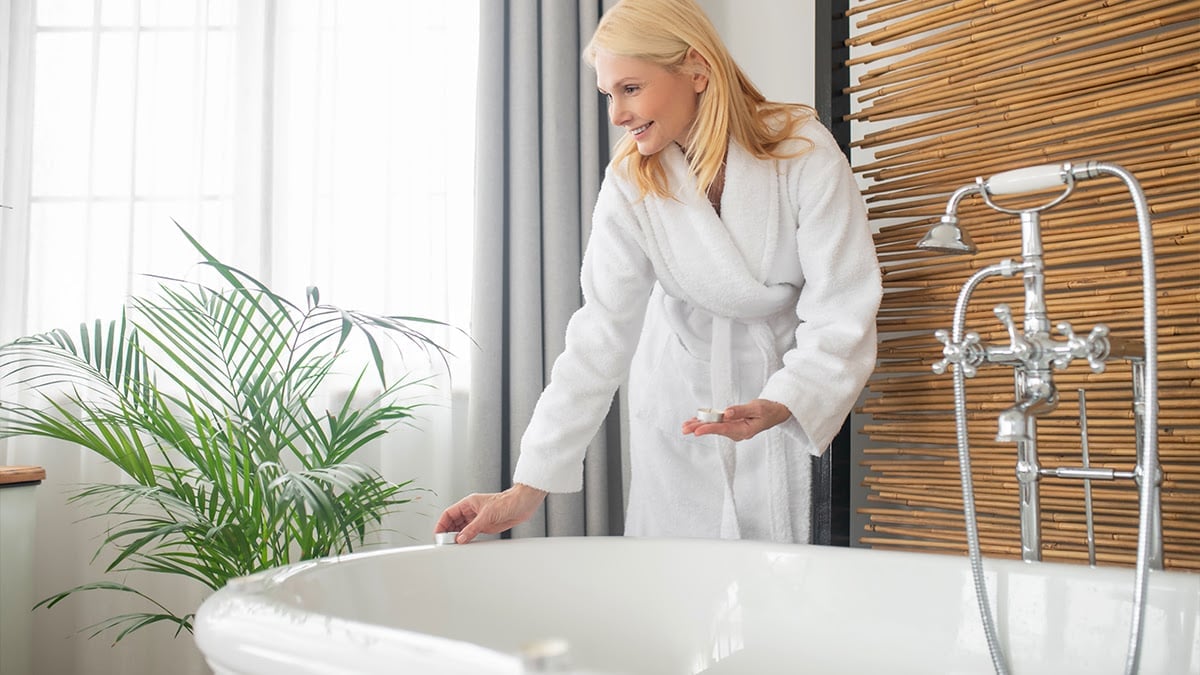
At the same time, your home pretty much needs a bathtub somewhere. It doesn't need to be in your main bathroom, but it does need to exist. Not having a tub is a huge detriment to both home values and sale speed. You hugely limit your potential buyer list, making it harder to sell your home in any reasonable amount of time.
If you want to renovate your bathroom for your own needs, with the goal of living there long-term, you're free to make any choice you want. If you're hoping to remodel and sell in short order, a walk-in shower in a home that has a tub is 100% the way to go, at least for now.
Will trends change in 5, 10, 20 years? Definitely. Which way will they go? No one can say for sure.
What we can say is that, if you're looking to do a bathroom remodel, you've come to the right place. Here at Magnolia, we serve all of northern New Jersey, from Middlesex, Somerset, and Hunterdon counties and north. If you're in the area, we'll help you get the bathroom of your dreams. All you need to do is reach out by phone, web form, or email, and start the chat. Quotes are completely free, so there's no reason not to ask!
Are walk-in showers or bathtubs more popular in New Jersey right now?
Walk-in showers are becoming increasingly popular across New Jersey, especially in master bathrooms and higher-value homes. Each year, we see more homeowners requesting tub-to-shower conversions or choosing walk-in showers for new builds. That said, tubs remain important elsewhere in the home, and over half of homebuyers still value having one available.
Do I really need a bathtub somewhere in my house?
Yes. While a tub doesn't need to be in your master suite or main bathroom, having one somewhere is essential. Tubs are important for bathing children, washing pets, and soaking. Over 55% of people still enjoy baths, so not having a tub can turn off a large portion of potential homebuyers and hurt your re-sale speed.
Why might homebuyers prefer a walk-in shower?
Walk-in showers offer several advantages that attract buyers. They're more accessible for older adults and those aging in place, more space-efficient in smaller bathrooms, and give a modern, upscale aesthetic. They also use less water, saving on utility bills. Additionally, adding a walk-in shower can convert a half bath into a full bath, boosting your home's value.
What are the downsides of choosing a walk-in shower?
Walk-in showers have a few drawbacks. They're less practical for bathing young children or pets, so a tub elsewhere becomes important. They also carry higher upfront costs due to tile, glass, and custom fixtures, plus more ongoing maintenance like re-sealing tile and cleaning glass. Poor design can also cause splashing and water issues outside the enclosure.
Should I choose a walk-in shower or a bathtub for my remodel?
It depends on your home and goals. If you have only one or 1.5 bathrooms, keep a tub in the main bathroom. If you have two or more bathrooms, a walk-in shower in the master bath is usually ideal, with a tub in a hall or kids' bathroom. For long-term personal living, choose whatever suits you best.