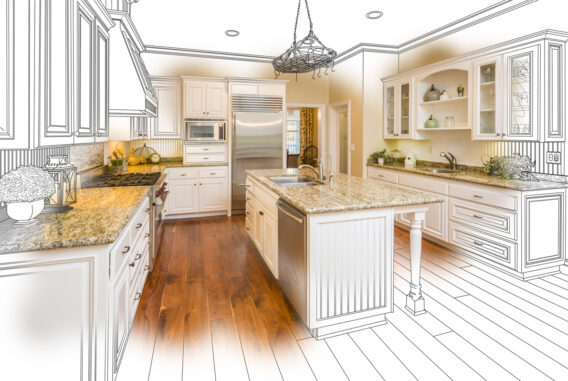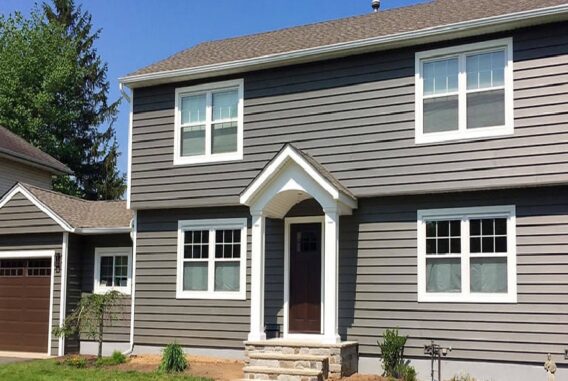

After months of planning that kitchen renovation or deck addition, a neighbor finally mentions that your HOA has veto power over the whole project. It’s frustrating to find out your own property comes with restrictions that you never bothered to read through completely. Plenty of homeowners in New Jersey figure this out only after they’ve already chosen their materials and booked their contractors.
HOAs have approval processes in place to make sure that property values stay stable and that everyone follows the same community standards. But these same processes can become big roadblocks when board members don’t interpret the standards correctly or apply the policies differently depending on who’s asking. Some HOAs will get back to you in just a few days, and others will sit on your application for weeks without giving you any update. Rejections tend to have reasons that don’t make much sense or that seem vague. But your contractor’s calendar is filling up fast and material costs aren’t going to get any cheaper.
How you take care of the application can be the difference between a denial and a smooth approval. You should know which projects actually need a review and which ones don’t. Another key part is that your paperwork needs to be complete and correct the first time you submit it. HOA policies sometimes contradict state or federal protections that apply to some types of improvements, and you can save your entire project if you figure out when to push back on those conflicts!
Why Your HOA Has Legal Authority
Living in a community with a Homeowners Association means your remodel is probably going to need approval before you can get started. Most HOAs have what’s called Covenants, Conditions and Restrictions (or CCRs for short). These documents are part of your property records, and you likely received a copy when you bought your home.
CCRs can be pretty dense and hard to read through – I’ll admit. That said, these papers spell out what changes you can make to your property and what needs permission from the board first.
Courts usually side with the HOA guidelines in New Jersey as long as the board enforces them the same way for everyone. The association tries to keep a uniform look throughout the neighborhood, and these architectural standards exist to keep up appearances.

Your HOA is probably going to want to review any exterior changes – we’re talking about paint colors, new fencing and similar updates. The board will also look at landscaping updates and any structural work that changes how the outside of your building looks. Condo residents might also see the board review some interior work when it touches the shared walls or systems.
When an HOA denies your renovation request, the board generally has to give you a reason based on the written guidelines – but this depends on the HOA’s bylaws. Personal disagreements between neighbors aren’t supposed to factor into these decisions. Your best bet is to read through your HOA documents closely and have a conversation with the board before you start any project.
Just keep in mind that every HOA is different. The regulations in your neighborhood could be different from the ones down the street. When something isn’t obvious, contact your HOA board directly or talk to someone who knows your community standards well.
Projects That Require Your HOA Review
Your homeowner association can review and approve any exterior changes you want to make to your property. Most HOAs in New Jersey write this authority right into their governing documents when the community gets set up. The main reason is to keep the same look throughout the neighborhood and to avoid conflicts between neighbors.
The types of projects that need approval will be different based on which association you have. Some HOAs will want to review just about any change you make to your roof or siding materials. Others are more concerned with the bigger additions to your property. Fences and tree removal will usually need permission as well, especially if you take down something major from your yard.
Even the smaller touches can fall under your HOA’s oversight. Your association may have preferences about mailbox styles or the type of house numbers you can display. Some communities will also set up guidelines for outdoor decorations and seasonal setups (yes, that might include holiday lights!).
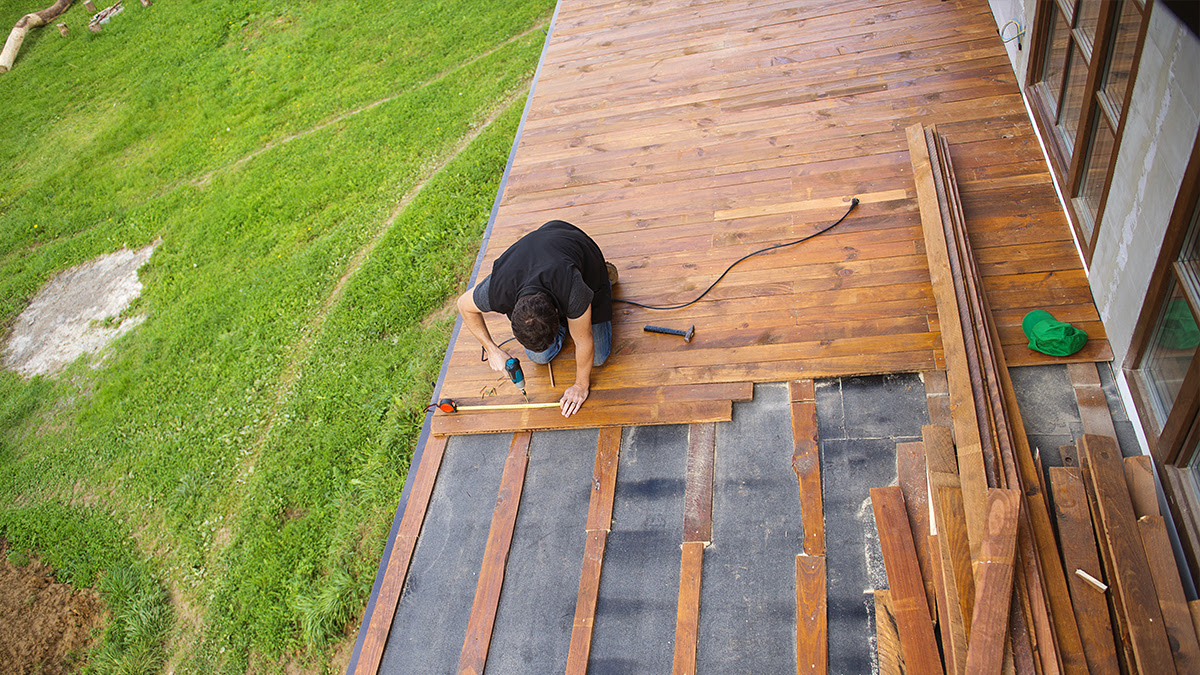
A fence installed in the wrong location could create some drainage problems for your neighbor’s property. Construction that’s scheduled poorly might take longer or disrupt the entire neighborhood during already busy times of the year.
The best strategy is to review your association’s bylaws before you start any exterior work on your home. Your HOA probably has architectural standards that explain the approval process in detail. Contact your board or management company as you’re still in the planning stages. They can explain what paperwork you’ll need to submit and give you a reasonable sense of how long approval usually takes.
Remember that HOA policies can and do change over time. Your neighbor across the street may have built a nearly identical deck last year without any problems at all. That doesn’t necessarily mean that your project will get the same treatment under the current set of policies.
Committee Review Steps for Your Project
When you start any home renovation, the first call you’ll have to make is to your homeowners association. Every HOA has its own set of requirements on what you can and can’t do to your property, and most of them need you to submit your plans for approval before you do anything. You’ll want to get those approvals at the start of it.
Most HOAs are going to need some time to look over what you want to do. We’re talking about a few weeks minimum, and sometimes it can stretch out even longer than that. When you’re excited about your project and ready to get going, the wait feels endless. The board needs this time to review everything and make sure that your changes will work well for the whole community.

Your application is going to move a lot faster if you give them everything they need right from the start. Submit detailed drawings that show what you want to change and include samples of the materials you want to use. Add your contractor’s information to the package as well. Turning in a application all at once prevents the delays that incomplete ones always run into.
Sometimes you’ll talk with a board member at the mailbox or at a neighborhood event, and they’ll seem to be really supportive of what you want to do. Even when they tell you that it sounds great, you still need to wait for the official written approval. Verbal approval doesn’t mean anything if problems pop up later. Written confirmation from your HOA is the only thing that actually protects you.
Whatever you do, don’t let any work start until that written approval shows up. Not the demolition – not the prep work – not anything. Start too early and you can end up with fines, or worse, the HOA can make you stop everything and restore it back to how it was. Your contractors need to know that they can’t touch anything until you have that approval document in your hands.
The review committee is made up of volunteers who live in your neighborhood, and they meet regularly to go through applications like yours. If they invite you to attend a meeting where they’ll go over your project, go! Answering their questions directly tends to help move things forward. These volunteers are just trying to find the right balance between what you want for your home and what works for everyone who lives there.
Your Next Steps After an HOA Denial
A denial from your HOA on your remodeling project probably leaves you feeling frustrated and stuck. A denial doesn’t have to be the end of the story, though.
Your first move is to ask for a written explanation. You’ll probably get something vague like “not in compliance” or “doesn’t meet standards,” so push to find out more about what went wrong. This written explanation helps you see what needs to change and gives you a more simple path forward.
Most HOAs allow homeowners to present their projects to the board in person. You can ask for a meeting or a hearing to explain your plans face to face, show your architectural drawings and contractor plans and respond to any worries the board might bring up. You can share that neighbor support as well when others back your project. Sometimes boards deny applications based on incomplete information or misunderstandings that a direct conversation sorts out.

Be ready to make some changes if the situation calls for it. The board could have issues with one or two parts of your project instead of the entire plan. Maybe they’d want a different color or want you to move a structure to another spot on your property. Adjustments could get you to an approval much faster when the requested changes don’t alter your vision too much.
You have options when you believe your HOA treats you unfairly or doesn’t follow its own procedures. Look through your HOA’s governing documents to see the laws and procedures and keep a record of all your interactions and decisions. You might want to talk with a legal professional who knows about HOA law in your area. Legal action takes time and money so it makes sense as a last resort. But it may be worth it if other methods haven’t worked and your project means a lot to you.
Laws That Protect Your Home Rights
Your HOA has policies about property modifications, and yes, they can be restrictive. But there are actual limits to what they can legally block. If you figure out where those boundaries sit, you can plan your project with way more confidence.
Some types of home improvements have specific protections written right into federal or state law. Satellite dishes and antennas are a great example of this. Federal law protects your right to install the equipment that you’ll need to get proper reception. Your HOA may request that you place them in certain places that blend in better with the neighborhood and that’s fair. What they can’t do is ban them altogether.
Solar panel installations work in a similar way. New Jersey law restricts how much power an HOA actually has over solar energy systems. Your association may have preferences about the placement or appearance, and they’ll probably have specifications for you to follow. They can’t simply deny your request outright as long as you follow the right approval process though.

Accessibility modifications get even stronger protection under the federal housing laws. You might have to install a ramp or add some safety features to your home because of a medical condition. Your HOA has to allow for fair accommodations here. Be sure to document everything and keep your board updated about your plans.
Electric vehicle charging stations have clear legal protections in New Jersey. State law prohibits community associations from adopting or enforcing any restriction that unreasonably limits the installation or use of an EV charger in a parking space designated for your use—whether that’s a garage, deeded space, or limited common element. Your HOA must approve your application if you agree to comply with architectural standards, use a licensed electrician, maintain proper insurance, and cover your own electricity costs. The board can only deny your request if it reasonably concludes the charger poses a life-safety risk. Contact your board early to understand their approval process and any infrastructure requirements that may apply.
Before you break ground on any project, take the time to actually read through your community documents. Your CC&Rs and bylaws spell out what needs approval and how the process works. Approaching your HOA as a partner instead of an obstacle will give you a much better shot to get your remodeling project approved without any delays or frustration.
Contact Our Team Today to Start Your Project
You need some patience and a fair amount of advance planning to get your HOA to approve your remodeling project. But it’s totally doable. Starting early is half the battle, and the other half is to work with your board when they give you feedback. Most HOA committees are just your neighbors who care about keeping the community in great shape, and when you know what they’re looking for, you can design your project in a way that checks all their boxes and turns your ideas into an approved reality.
When you live in an HOA community, you may need to adjust your timeline here and there or make a few small changes to what you originally had in mind. At the same time, you also get the upside of the neighborhood standards that keep everyone’s property values protected. For your long-term investment, this type of oversight actually works in your favor.

When you plan a big renovation and take care of the HOA paperwork at the same time, details can pile up fast. Our team has helped plenty of New Jersey homeowners in HOA communities get their projects approved without the hassle. We know only what the boards want to see – from the architectural drawings down to which materials meet your community’s standards. Kitchen remodels, new siding, outdoor living areas – whatever it is you’re planning, Magnolia Home Remodeling Group has the experience to keep everything on track from day one to completion.
Reach out for a free consultation and we’ll get started on making it happen.