Insulated Vinyl Siding: Is It Worth It for NJ Winters?
Sep 01, 2026
Picking the right kind of siding is an important decision whenever you're considering redoing the outside of your home. It's a significant choice, and it will impact your home for decades to come. There are a lot of different options, from vinyl to composite to fiber cement to natural wood and stone, and they all have pros and cons.
One of the most interesting options for here in New Jersey is insulated vinyl siding. The major vinyl siding manufacturers like Alside and CertainTeed make this variation of their core product, and it comes with some very compelling benefits. But is it worth the upgrade over more traditional vinyl siding? Is it a better option than something like composite? Let's talk about it.
Making the final decision can be tough, even when you're presented with impartial information like what we've compiled here today. If you want our professional opinion, you can have it for free; just reach out via our website or give us a call for a free estimate. We'll come by for a visit, discuss your needs and concerns, and give you an estimate for your project.
Your standard, available-everywhere, common on houses nationwide vinyl siding is an astonishingly simple product. The vinyl is a kind of polyvinyl chloride resin, a PVC, infused with colorants, strengtheners, and protectants against UV and other sources of damage.
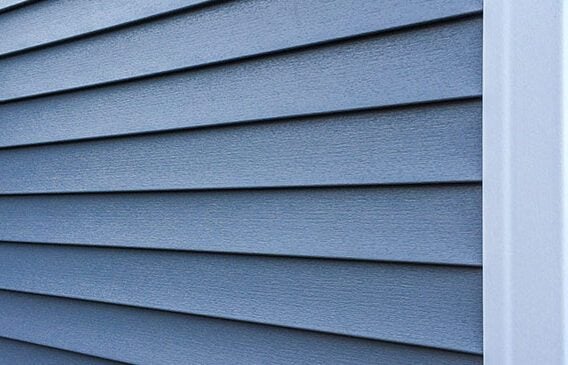
This material is extruded into the long, narrow "boards" of siding you see all over. They're shaped to give the siding the appearance of angled wood, with a woodgrain pattern infused into it. The top lip is curved and slitted for attaching to the wall, and the lower lip is hooked to fit under the upper lip of the panel below it.
This design, along with the lightweight and flexible nature of the material, makes vinyl siding an extremely easy kind of siding to install. It's easy to cut to size, it's easy to move into position, easy to secure, and easy to adjust.
Insulated vinyl siding is a little different, but not by a lot.
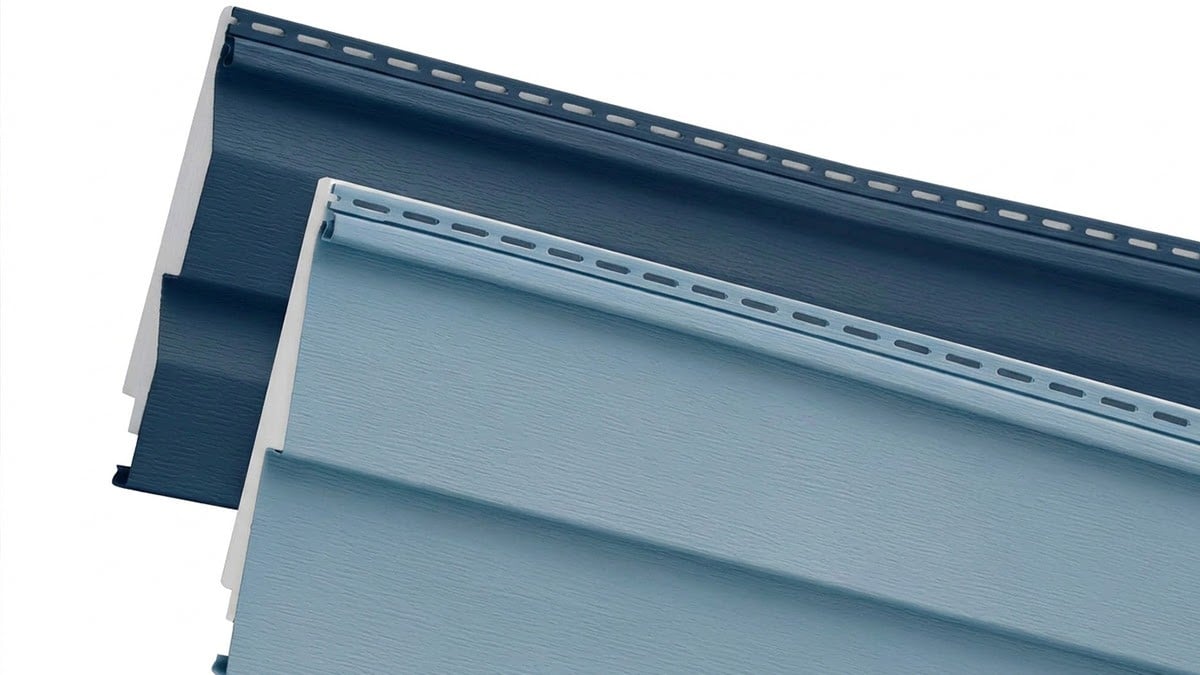
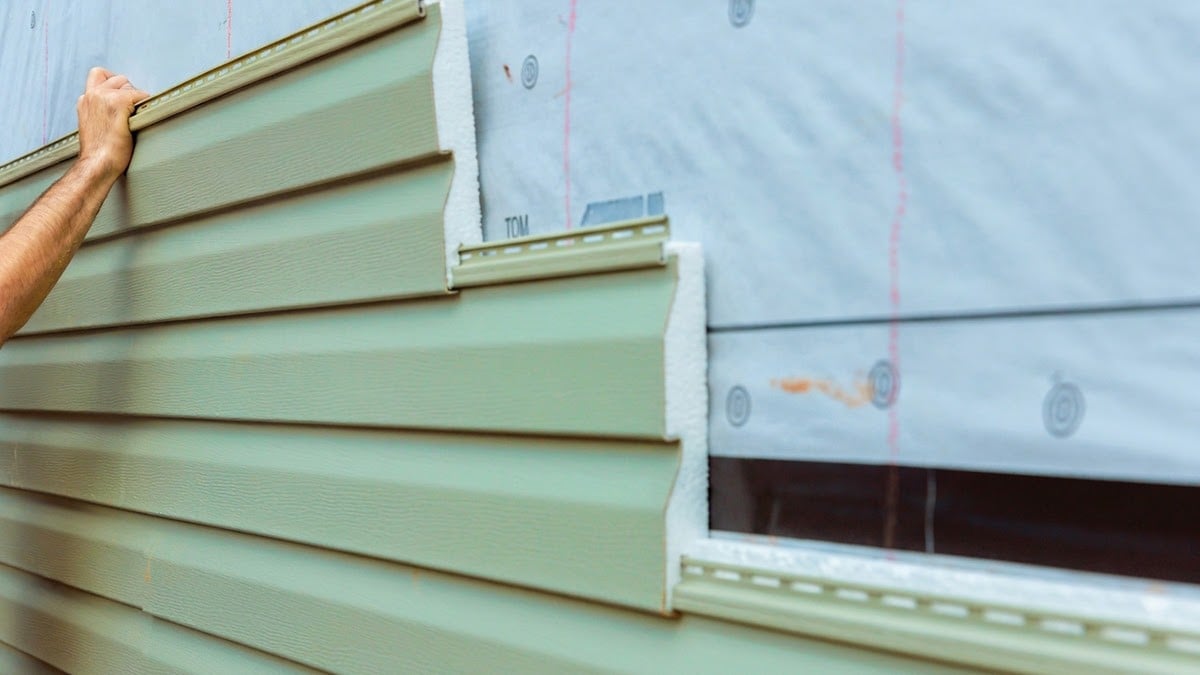
With standard vinyl siding, the shape of the siding leaves an air gap behind each panel. This air gap serves as a small amount of insulation (similar to the air gap between panes in double-paned windows), but not much. Insulated vinyl siding fills that gap with foam insulation.
It's not a lot of insulation, because there's not a lot of space there in the first place. Different products have different amounts of insulation, but it typically ranges somewhere between 3/8ths of an inch up to 1.5 inches of thickness. The insulation itself is EPS foam, the kind of bog-standard closed-cell Styrofoam you're used to seeing all over the place.
Insulated and uninsulated vinyl siding typically look identical from the outside. You'd have to peel it back or damage it to know which is which.
So, what are the advantages of insulated vinyl siding?
Insulated vinyl siding has a handful of benefits, and we're not just talking about the insulation itself, though that's obviously a big one.
Insulated vinyl siding has better impact resistance. One of the big drawbacks to normal vinyl siding is that impacts (everything from hail during a storm to blown branches to a neighbor's stray baseball) can break a hole in it. Insulated vinyl siding has that foam layer to absorb impacts, which makes it less likely to break, and if it does break, it's less visible. Some estimates place it as 3x more resistant to impacts than normal vinyl siding.
Insulated vinyl siding helps against external noise. Some of us in New Jersey live near busy roads, noisy buildings, or industrial or commercial facilities that are constantly making noise. It can be very aggravating to have the constant background irritation of ongoing noise, especially during the quieter hours of the night. Insulated vinyl siding helps cut down on that noise.
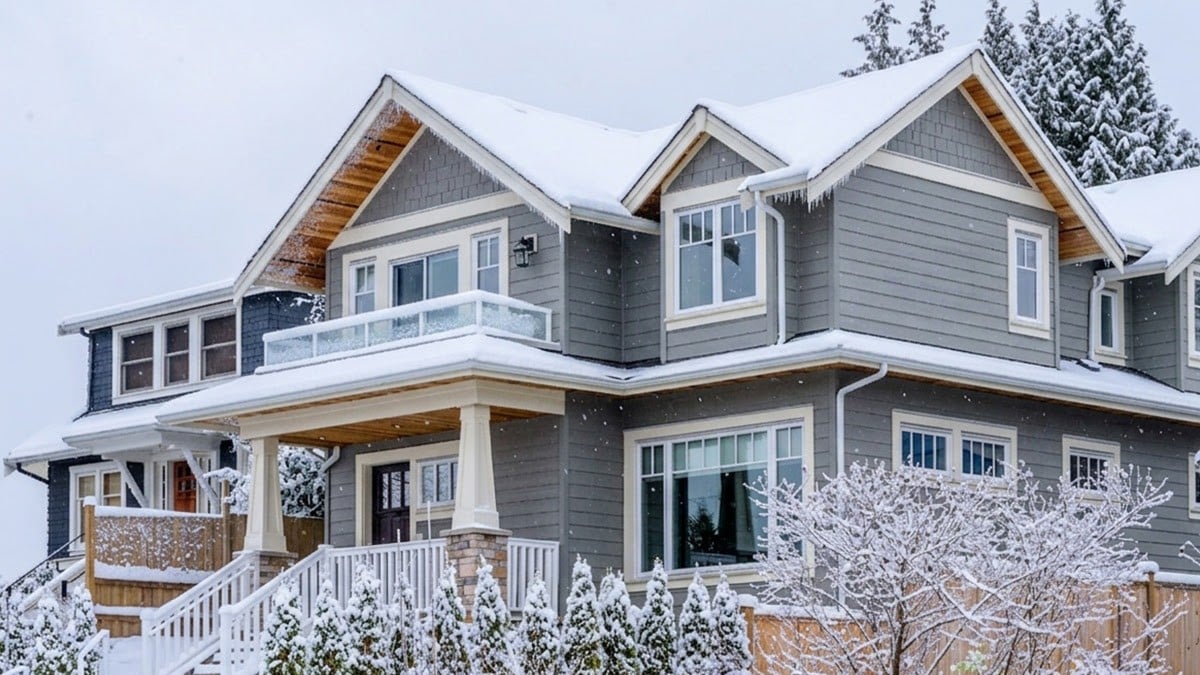
Insulated vinyl siding can look a little better. This is very dependent on your home and on your personal tastes. But one possible issue with standard vinyl siding is that the thin material and flexibility it offers can show dips and unevenness in your walls, which can give it a wavy appearance. Insulated vinyl siding has that added backing layer to give it stiffness and reduce the waviness.
Insulated vinyl siding is more resistant to warping over time. Another of the common drawbacks of vinyl siding is that temperature, especially extreme heat, can warp the material over time. On a really hot summer, you may notice homes around you losing their crisp, straight lines; insulated vinyl resists that warping.
| Siding Type | Approximate R-Value |
|---|---|
| Uninsulated Vinyl Siding | 0.6 |
| Insulated Vinyl Siding | 2 – 4 |
| Wood Siding | 0.8 |
| Fiber Cement Siding | 0.5 |
| Composite Siding | 1 – 4 |
Often, the most touted benefit of insulated vinyl siding is the insulation, but is it really all that?
The key term here is R-value. R-value is a measure of heat transfer, and while it's pretty complicated, the main takeaway is that a higher R-value means more resistance to heat transfer. Cold things stay colder, and hot things stay hotter with a higher R-value.
So, in a New Jersey winter, you would want an appropriate R-value to minimize how much heat is lost through your walls.
Now, let's put things into perspective.
Here in northern and central New Jersey, we're right on the edge of the Energy Star climate zones 4A and 5A. Their recommendations for insulation on the walls of a home, for both zones 4 and 5, and for both insulated and uninsulated, are to have between R5 and R10 insulation beneath siding.
Your home may or may not have this already, but it's also separate from the siding itself.
For comparison, the pink fluffy insulation in your walls usually has an R-value of somewhere between R13 and R21. For many homes, insulated foam board sheathing for the space between the walls and the house wrap has an R-value between 3 and 15, depending on the product you buy.
Insulated vinyl siding, depending on the product you buy, has an R-value somewhere between 2 and 4. It's not a lot! But uninsulated vinyl siding only has an R-value of just 0.6.
How does this compare to other siding products?
So, insulated vinyl siding is going to be among the most well-insulated options for siding. But how impactful is that?
A higher R-value for your home means more thermal resistance, which means in a New Jersey winter, your home will retain more warmth for longer. That translates to lower energy consumption for heating.
How much savings? Well, that's the million-dollar question. Unfortunately, it's not one we can easily answer.
The fact is, there are a ton of different factors that go into this calculation. Upgrading your siding doesn't do much if your windows are old and drafty. Likewise, if your attic isn't well-insulated, improving the R-value of your walls won't do much. On top of that, the actual mechanism you use to heat your home has an impact on costs; someone with a heat pump is likely to see a much smaller savings than someone using electric heating, for example.
There are a lot of benefits to insulated vinyl siding, but are there drawbacks to balance it out? Sure, though they can depend on personal preferences.
It's a little more expensive than normal vinyl. Insulated vinyl costs a bit more than uninsulated vinyl, and takes slightly longer to install, though neither of these is hugely significant. It's still going to be cheaper than many of the higher-end siding options you could choose.
The cost doesn't have to be a huge issue, either. We're happy to help with financing a good home improvement project, and the cost savings over time can make up for it, even if it takes a while.
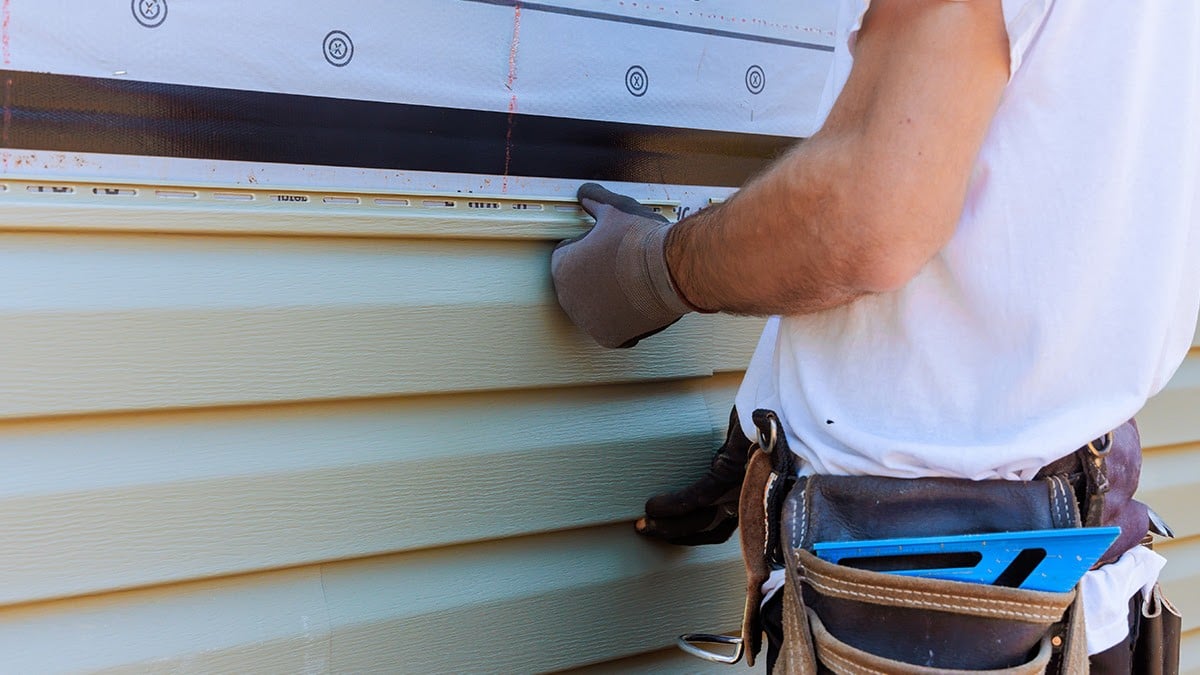
It might require a little more work. Specifically, adding a thicker siding product like insulated vinyl might mean you need to add a bit to the framing around your windows and doors, and it can require changing flashing and trim.
Your choice in products may be slightly limited. Insulated vinyl is a slightly more niche product than regular vinyl, so the companies that make it don't make quite as many different styles, colors, and varieties of it, which means your choices are a little more limited in terms of aesthetics. There are still a ton of options, though, so don't let this stop you from browsing the catalogs!
Okay, all of this generalized information is fine, but what about real, on-the-ground experiences here in New Jersey? Our winters can be deeply cold, and temperature swings can be intense. Can insulated vinyl siding help?
The answer is… yes, a little. But, a lot of it depends on the rest of your home.
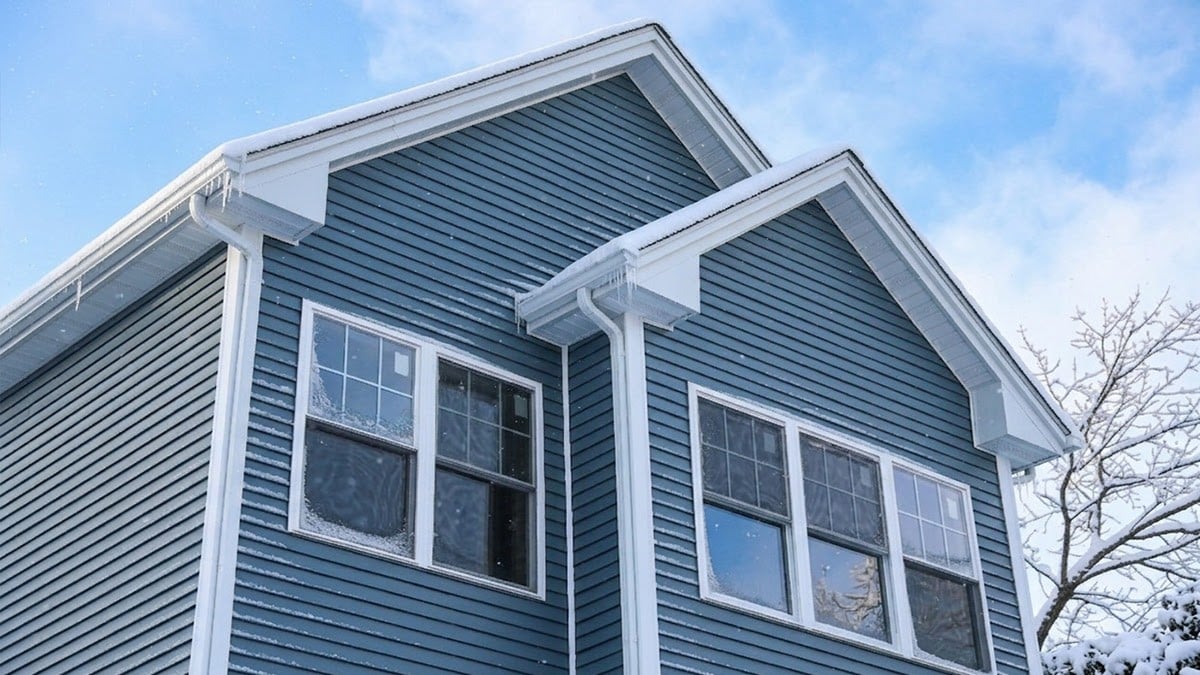
As we mentioned above, the heat retention and energy savings depend on more than just your siding. If your windows are old and your attic is subpar, you're still going to lose an immense amount of heat through those other vectors.
On the other hand, if you have newer windows, a solid seal around your door, and good insulation in your attic, your walls might be the next most vulnerable gap.
The R-value for insulated vinyl siding is still fairly low, and it's not going to make a night-and-day difference. But if you're in a position where even just a degree or two helps, where saving a few dollars is worth it, it can be a good option to explore.
Should you get insulated vinyl siding for your home here in New Jersey? That question depends on you and your goals.
Should you buy insulated vinyl siding if all you want is cheaper energy bills? Maybe, maybe not. Since insulated vinyl costs more, you have to save enough on your energy bills to pay for it. It might still be able to pay for itself over the course of its lifespan, but it also might not, depending on your energy consumption.
That said, the other benefits are just as important, if not even more important.
Realistically, one of the biggest issues we see with standard vinyl siding here in New Jersey is the damage it takes because of weather. Hail can crack and break it, high winds blowing debris can break it, rapid freeze and heating cycles can crack it, and high heat in the summer can warp it. We're called to repair vinyl siding fairly frequently, and while those jobs are small, it's still a hassle you don't want if you can avoid it.
Insulated vinyl siding is great particularly because of the impact resistance.
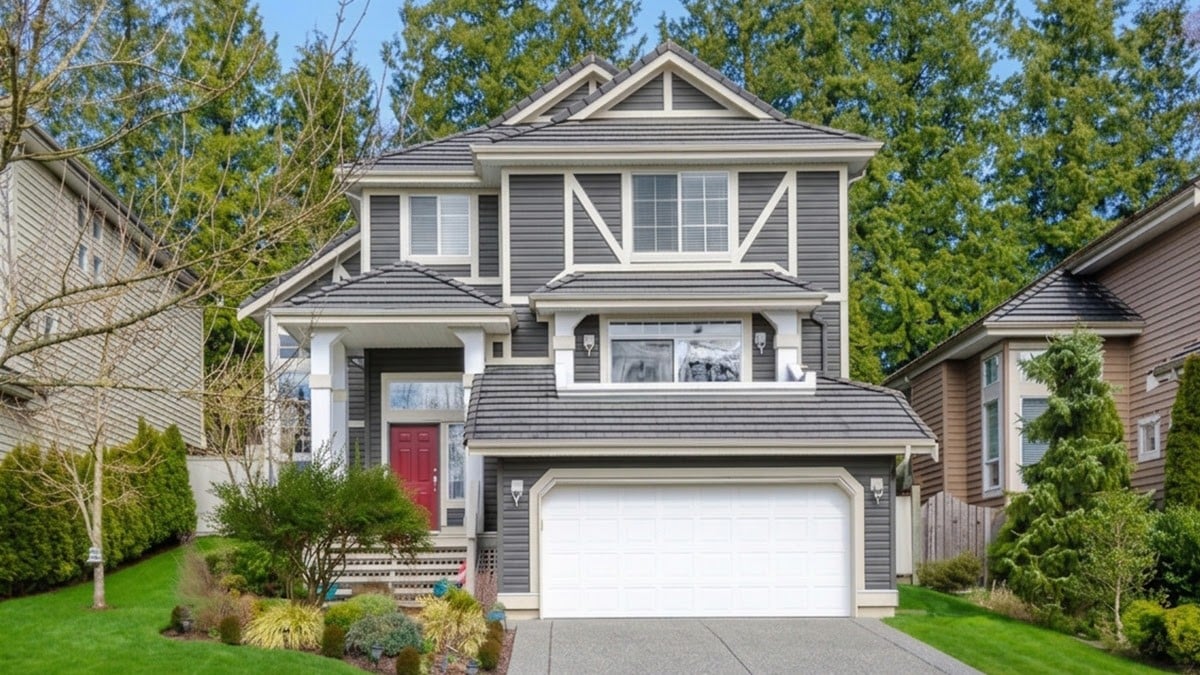
You should also consider going with insulated vinyl siding if your home is older and you have a noticeable amount of draftiness in winter. If you have a room that tends to get pretty cold in the winter, if certain walls have cold spots, or if you know the chill seeps in, adding that extra layer of insulation can help.
While you're at it, we also highly recommend other insulation projects as well. New windows are the biggest, since windows are a huge gap in your walls and can cost you a lot of warmth in the winter through energy transfer. Adding insulation to your attic is another big one. Heat rises, after all, so you want to cap your home to keep it in.
Insulated vinyl siding isn't the 100% best choice, though, so there are plenty of homeowners who should consider a different kind of siding instead. For our personalized advice, drop us a line so we can take a look and give you our expert opinion.
We're proud to be one of New Jersey's best and longest-active home remodeling groups, with over 30 years of experience. So, if you're in Somerset, Hunterdon, Bergen, Union, Hudson, Warren, Passaic, Middlesex, Morris, Sussex, or Essex counties, we'd love to hear from you.
Insulated vinyl siding is standard vinyl with EPS foam filling the air gap behind each panel. This foam backing raises the R-value to roughly 2–4, compared to about 0.6 for uninsulated vinyl. From the outside, the two products look nearly identical, but the foam adds insulation, stiffness, impact resistance, and noise reduction. You'd typically have to peel it back to tell which is which.
Does insulated vinyl siding actually save money on NJ winter heating bills?It can, but savings depend heavily on the rest of your home. The R-value is still fairly low, so if your windows are old and drafty or your attic is poorly insulated, you'll lose heat through those vectors regardless. If your home is otherwise well-sealed, your walls may be the next weak point, and the added insulation can help retain a degree or two of warmth.
What are the main benefits of insulated vinyl siding?Beyond insulation, insulated vinyl offers up to 3x better impact resistance against hail, debris, and stray baseballs. The foam backing also reduces outside noise, resists warping from extreme summer heat, and hides wall unevenness for a straighter, cleaner appearance than flexible standard vinyl. These durability benefits are often more valuable than the energy savings alone.
Are there any downsides to choosing insulated vinyl siding?Yes. It costs a bit more than standard vinyl and takes slightly longer to install. Its added thickness may require adjustments to framing around windows and doors, plus changes to flashing and trim. Because it's a more niche product, style and color options are somewhat more limited, though there are still plenty of choices available. Financing can help offset the higher upfront cost.
Should I choose insulated vinyl siding for my New Jersey home?It depends on your goals. If you only want lower energy bills, the savings may or may not offset the cost. However, if you're concerned about weather damage, noise, warping, or drafty older walls, its impact resistance and durability make it a strong choice. For personalized advice, reach out for a free estimate and we'll take a look.