Casement vs Double-Hung Windows for New Jersey Homes
Nov 18, 2026

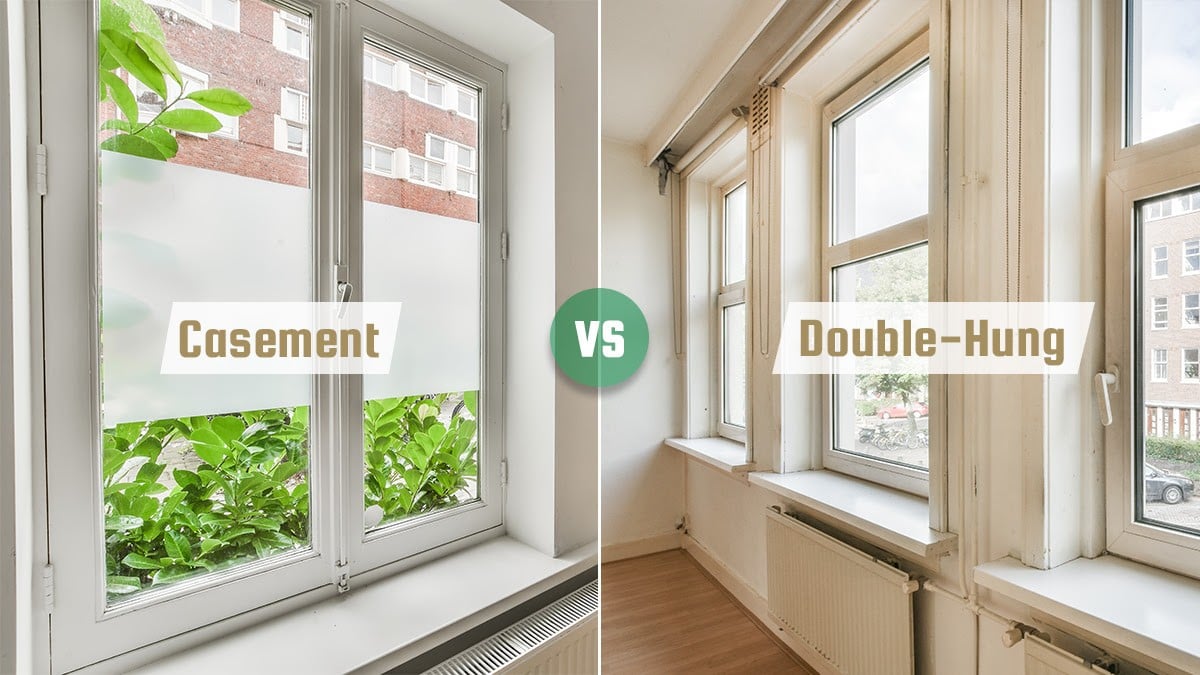
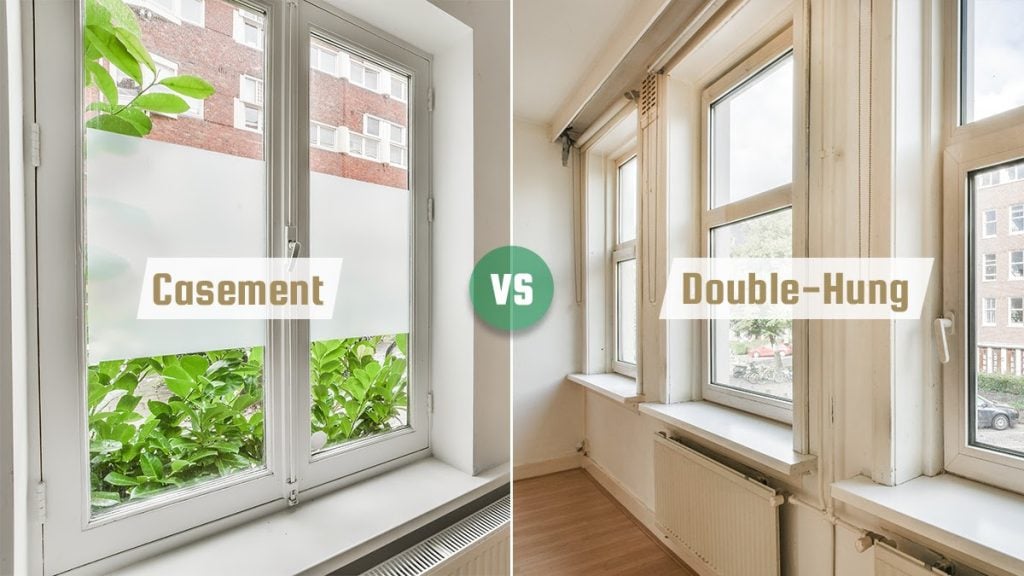
Picking new windows for your New Jersey home isn't just a matter of choosing a brand. You also have to consider the style of window. The two most popular styles are casement windows and double-hung windows, so that's the choice we're going to examine today.
Before we dig into the specific details, we can save some of you a bit of hassle: there's no right answer for everyone. If you're hoping we're going to tell you one or the other, set those expectations aside.
The fact is, different window styles serve different purposes, both in terms of functionality and aesthetics. You need to consider the room the window is in, the purpose for the window, and the overall architectural style of the home.
If you aren't sure what will work the best with your home, and you want an expert opinion to help you decide, that's where we come in. We've installed, no joke, tens of thousands of windows throughout New Jersey over the last 30 years, so we've seen it all.
To see what different kinds of windows look like in all sorts of different New Jersey homes, you can check out our before-and-after page for examples of the work we've done. Or, to get our opinion on your home and what windows will fit your style, just drop us a line to schedule a consultation. It's completely free, so why wait?
Double-hung windows are, by a decent margin, the most common style of window in America. Something like 41% of window replacements use double-hung windows, so there's a good chance you're familiar with them, even if you didn't know the name for the style.
Double-hung windows have two sections of window, arranged on top of one another and divided in half. Each half is on its own track and can be opened independently; the top half can slide down, and the bottom half can slide up.
There's usually (though not always) a screen on the outside of the window to prevent insects or debris from getting in through the window, though homes with old double-hung windows might not have screens at all.
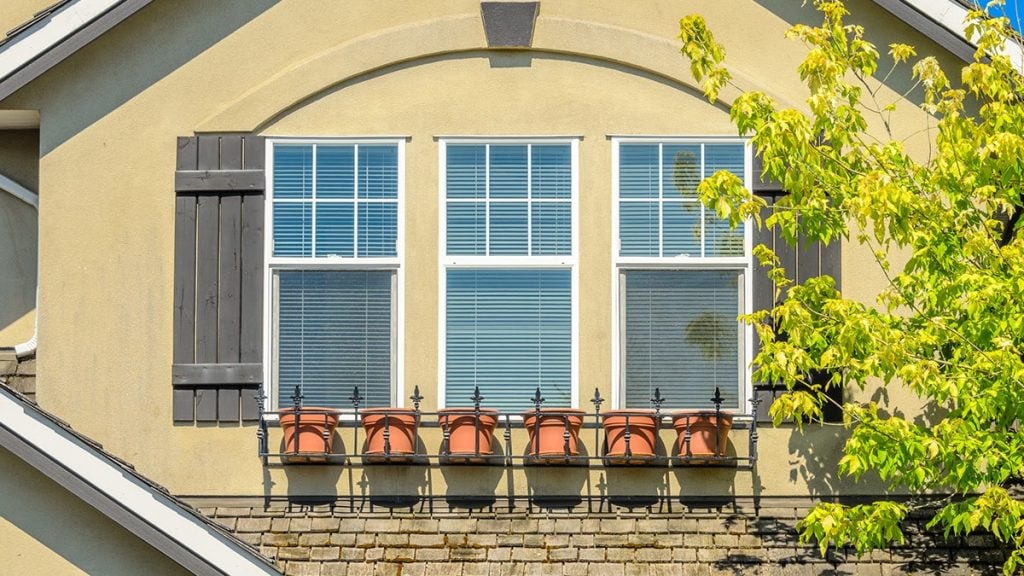
Modern double-hung windows make maintenance a breeze; they can unlatch and fold inward, making it easy to clean the outside of the glass as well as the inside. No need to get a ladder to clean the windows from outside on the second floor!
Some double-hung windows have design flourishes that add pattern or texture to the windows. For example, for some, the top sash has cross-bars to divide it up; in others, both the top and bottom have cross-bars.
For example, compare something like Pella's double-hung windows with Silver Line's windows with grilles.
These different styles add interest and detail to your windows and can be great for front-facing windows and accent windows. In contrast, grille-free windows maximize light and visibility and provide a different aesthetic.
Double-hung windows have a lot of benefits; after all, that's why they're the most popular style.
They're aesthetically typical. Double-hung windows aren't going to stand out, but neither are they going to look out of place. They fit well with nearly any home style common in New Jersey, and there's a good chance your existing windows are already in this style.
You get flexibility in your usage. Being able to open just the bottom, just the top, or both sides at once gives you a lot of options for your ventilation.
You can have open windows with better child safety. If you have small children who would be at risk for falling out of an open window, a double-hung window lets you open the top half while keeping the bottom closed, reducing that risk.
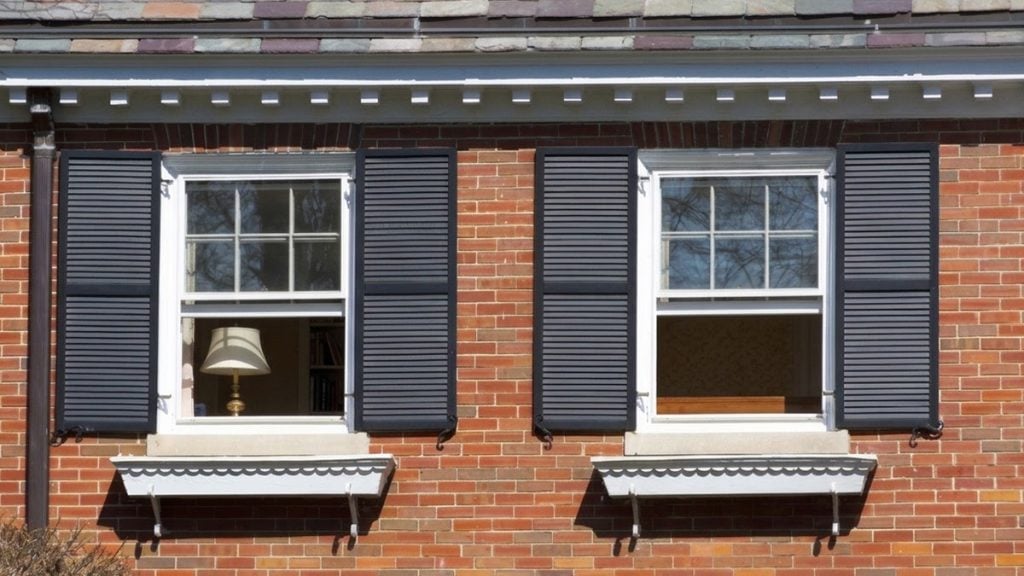
Window air conditioners work best with double-hung windows. While there are AC designs for other window styles, they tend to be either bulkier, more awkward to install, or require accessories. The typical box-shaped window AC unit fits best in a double-hung window.
You don't have to worry about exterior clearance. For those of you with close-up landscaping, window styles that open outwards risk running into nearby trees or bushes, or pinching closed on them when you close the window. Double-hung slide up and down, in their footprint, eliminating that concern.
You get a lot more choice. Since double-hung windows are the most common window style, every window manufacturer will have at least one product line, and most have several. You have a lot of different choices to pick through to find the perfect style for your NJ home.
They're typically more affordable. They aren't the cheapest style (that goes to fixed and single-hung windows, depending on the details), but they're among the cheaper options if you're replacing your windows on a budget and don't have financing.
| Feature | Double-Hung | Casement |
|---|---|---|
| Cost | More affordable | Typically higher |
| View | Obstructed by center rail | Clear, unobstructed |
| Ventilation | Half the window opens | Full window opens |
| Energy Efficiency | Good, more seals to fail | Excellent, tight seals |
| Window AC | Fits standard units | Needs specialty units |
| Child Safety | Open top, close bottom | Opens fully outward |
| Maintenance | More moving parts | Crank can wear out |
Double-hung windows do have a few drawbacks that might make them a less ideal choice for your home.
They aren't unique. If you prize a unique aesthetic or a particular look for your home, double-hung windows might not meet that need. Since they're so common, they don't stand out the way you might want them to.
The center rail is obstructive. Since a double-hung window has two sashes, each with its own borders, and the middle of the window is where those borders overlap, there's a big bar of obstruction right in the middle of the window. Depending on how your window is positioned, this can be squarely in your eyeline when you try to look through it.
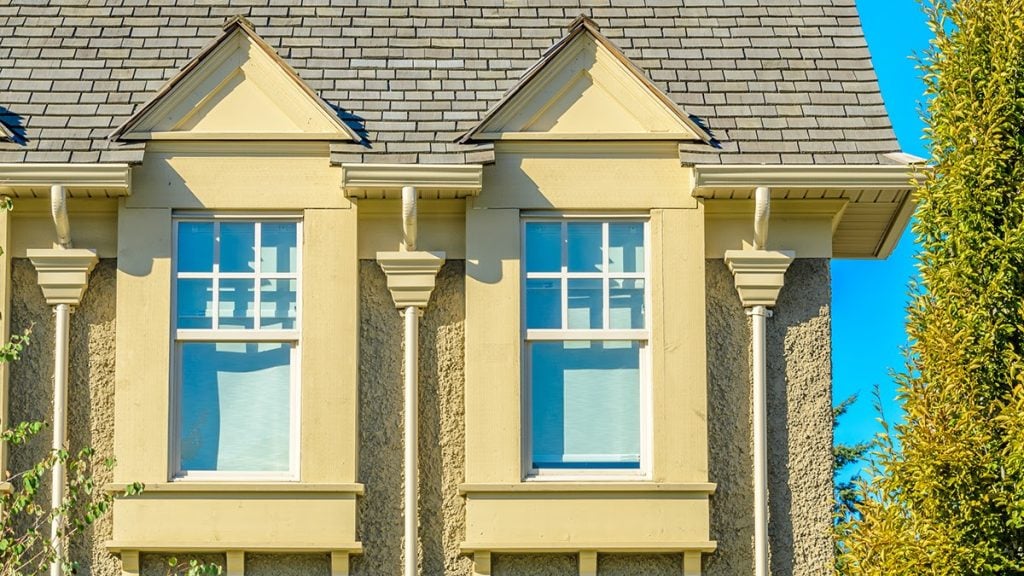
They have more seals that can fail over time. The seal around each sash and the seal between the sashes all need to be solid; otherwise, you can get air leaks around and in between the sashes. This can be a hit to energy efficiency, especially as the windows get older and potentially wear out.
More maintenance. Over time, the window can wear out in a few different ways. The sashes can fall out of alignment and start to stick or become harder to open and close. The seals and weather stripping can wear out and need replacing. Since there are more moving parts and more wear parts, there's more maintenance involved in the style.
Before you make your decision, let's look at casement windows next.
Casement windows are a very old style, stretching back at least to the 1400s, predating double-hung windows by around 200 years. They're hinged on the side, and rather than sliding up or down to open, they hinge outwards. Sometimes, casement windows act like double doors, with two panes that hinge out in opposite directions. Other times, a casement window is one pane that hinges open.
Like double-hung, casement windows can have grilles, but most modern casement windows tend to be single, sleek, unbroken panes of glass. Despite being a very old style of window, they're actually a slick and modern design for today's sensibilities.
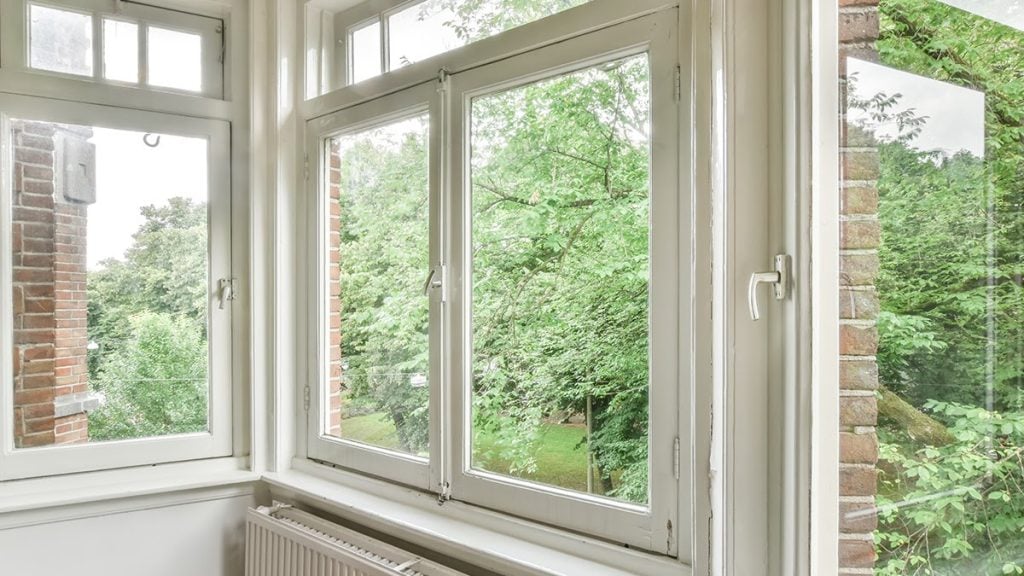
Sometimes, casement windows are operated simply by unlatching and pushing them open. This style can be kind of awkward, though, so most modern casement windows use a hand crank to open and close them. Some modern casements can even have motorized operation, though this tends to be a high-end feature and isn't commonplace.
Despite being less common, casement windows have some strengths that make them worth consideration.
You get an unobstructed view. The most visible feature of a casement window is that it's one big, clear pane of glass. There are no cross-bars or other obstructions (unless you intentionally opt for them, and they aren't a common design feature these days), so they maximize visibility and natural light.
The full window opens, for great ventilation. With a double-hung window, at most only half the window can be open at once. A casement window fully opens, so you get a lot of airflow for the most possible ventilation out of a modern window this side of custom designs.
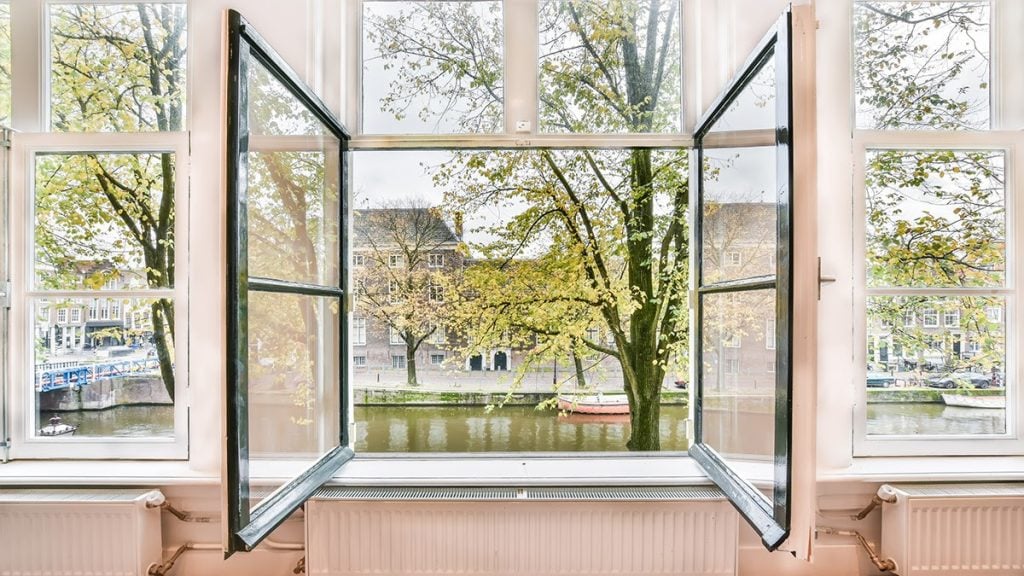
They have very tight seals and great energy efficiency. When they're closed, they're really closed, and with modern glass treatments, you get a ton of thermal resistance. Air leakage is a non-issue for all but the most worn-out casement windows.
They have great security for a window. The lock designs used in casement windows are nearly impossible to shim open from the outside, whereas other window styles can be easier to open. Obviously that's only so protective in the face of something like a rock, but that's a fault with nearly all windows.
Some designs can be easily cleaned. Some casement windows can open far enough that they tilt and rotate in the opposite direction, giving you access to the outside glass to clean it. Not all designs do this, though, so make sure to shop for the specific feature if it's important to you.
Unfortunately, casement windows have some stark downsides, which are a big part of why they aren't as popular as double-hung windows.
The mechanics can wear out over time. A hand-cranked window relies on that crank, which uses simple gearing to open and close. If those gears strip or the crank wears out, the window can stop functioning. Motorized windows are even worse if the motor breaks down, since that's a more expensive repair.
They have size and weight limits. There's a maximum size to a casement window before weight becomes too much of an issue and it won't function properly. This isn't a problem for most standard windows, but if you have larger window bays, you might need multiple casements instead.
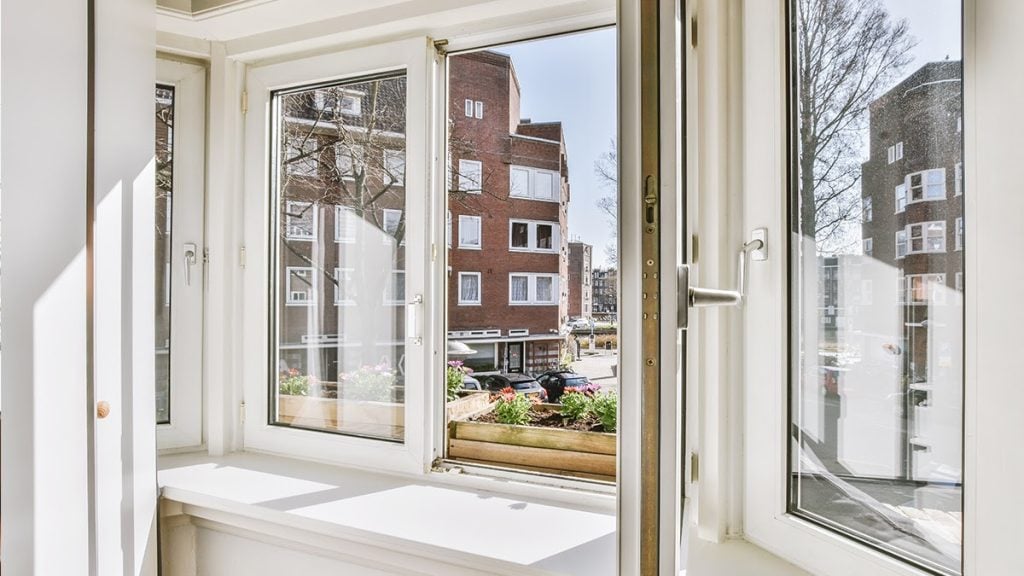
They can be damaged by strong winds if left open. When closed, of course, they're fine (barring blown debris), but if left open, strong winds can break the supports or hinges and pull the window out of place.
Window screens need to be on the inside of the window. Since the windows open outwards, you can't have a screen on the outside. Screens can be fixed on the inside or removable, but they need to be on that side of the glass.
You need specialty AC units for them. AC for casement windows in particular can be awkward and difficult to manage. Not a concern if you have other windows with a more vertical arrangement or central HVAC!
There's no one right answer, of course.
A lot depends on what you want out of your windows.
Choose double-hung windows if:
Choose casement windows if:
The truth, though, is that you don't have to choose just one or the other. Your home has many different windows, and that means you have many opportunities to pick the right style of window for each position throughout your home.
For example, you might choose casement windows for a sunroom, over a kitchen, in an awkward position on the stairs, or in a master suite. Meanwhile, double-hung windows might be better for typical rec room and office windows, windows in the kid's room, and similar locations.
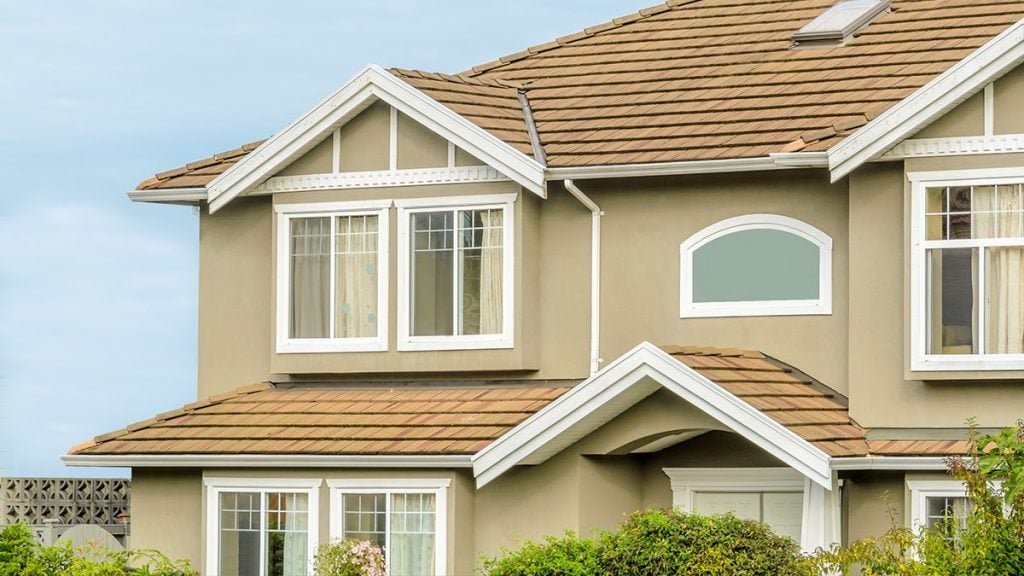
Don't forget about other window styles, too. You can also look into things like sliding windows, picture windows, awning windows, and bay windows, for even more flexibility and functionality choices!
Once again, if you want our expert opinion, we'd love to visit for a chat. Just fill out our simple form or give us a call to schedule a consultation, and we'll talk about what windows are likely to fit best in your home. We're happy to discuss everything from manufacturer, to glass treatments, to color options, to cost considerations. We're sure to find something you love, so reach out!
There's no universal best choice. The right window depends on each room's purpose, layout, and your home's architectural style. Double-hung windows are affordable, familiar, flexible, and child-safety friendly, while casement windows offer unobstructed views, maximum ventilation, tight seals, and superior energy efficiency. Many homeowners mix both styles throughout their home to match each location's specific needs. For an expert recommendation, schedule a free consultation with our team.
What are the main drawbacks of double-hung windows?Double-hung windows have an obstructive center rail that can sit in your eyeline, plus multiple seals that may fail over time and cause air leaks. With more moving parts, they require more maintenance, as sashes can fall out of alignment and weather stripping wears out. They also aren't unique, so they won't stand out if you want a distinctive aesthetic for your home.
Why choose casement windows?Casement windows deliver an unobstructed view through one clear pane, maximizing light and visibility. Because the full window opens, you get excellent ventilation and airflow. Their tight seals provide outstanding energy efficiency and thermal resistance, and their lock designs offer great security that's nearly impossible to shim open. They're ideal if you want a sleek, modern look with the best energy performance available.
Can I use a window air conditioner with casement windows?Standard box-shaped window AC units fit best in double-hung windows. Casement windows require specialty AC units, which can be awkward and difficult to manage. If you rely on basic window air conditioning, double-hung windows are the better choice. However, this isn't a concern if you have other vertically arranged windows or central HVAC in your home.
Do I have to pick just one window style for my whole home?No. Your home has many windows, giving you opportunities to choose the best style for each position. For example, casement windows suit sunrooms, kitchens, awkward stair positions, or master suites, while double-hung windows work well in rec rooms, offices, and kids' rooms. You can also explore sliding, picture, awning, and bay windows for even more flexibility and functionality.