Design-Build vs General Contractor for NJ Home Remodels
Nov 16, 2026


Rule number one of any major remodeling project: hire the right people to do the job.
It's not just a matter of hiring a professional over a DIY handyman. It's not a matter of making sure you get an electrician to do your wiring, not a plumber. You want people you can trust, who have the right licensing, insurance, and track record to do the job. You want people who know what they're doing every step of the way, who have years (or decades) of experience, who stand by their work.
When you're looking for a team of professionals to handle your remodel, you might be confronted with a decision you're not familiar with. Are you going to go with a design-build firm, or a general contractor?
What's the difference? What are the pros and cons of each? Which one is the right one for your NJ home remodel?
A design-build firm, when it comes to home remodeling and renovations, is your full-service provider.
A home remodeling project includes several steps, from the initial design work to the material selections and fixture choices, to the actual labor being done in demolition and construction, to the finishing touches.
A design-build firm does all of this under one roof. You contact the company with your project idea, and they start by discussing concepts and pinning down details. Once the initial discussions are complete, they have you work with their in-house designer to put together the specific plans, test renders, and project outlines that form the basis of the remodel.

Once the designs are finalized, they're handed off to the team that does the work. This is another team of in-house employees, specialists in demolitions, specialists in trades like electrical, plumbing, HVAC, drywall, and whatever else needs doing, as well as generalists who provide the basic labor. They do the work, from the initial tear-down, to landscaping, to construction, to paint and fixtures and other finishes.
The only steps of the process that a design-build firm doesn't handle are things like permit approvals (which is a government task), inspections and signing off (also governmental), and similar tasks that can't be done by the firm.
When everything is handled in-house by a skilled team that knows how to work together, there are a lot of potential benefits.
You're only working with a single entity. This one can be huge when it comes to larger projects. A design-build firm has schedules managed internally, which means they can organize and streamline your project timeline. You never have to wait an unexpected two weeks for an electrician to find availability, or delay your project because the drywall guys are busy, or deal with missed deadlines because the landscapers have ghosted you.
Timelines and project phases are faster. Because of this smooth, internal scheduling, elements of a project can be handled in rapid-fire sequence, or even with some overlap with different teams working on different parts of the project at the same time. When your trades aren't competing and instead know how to work together, they can work faster without getting in each other's way.
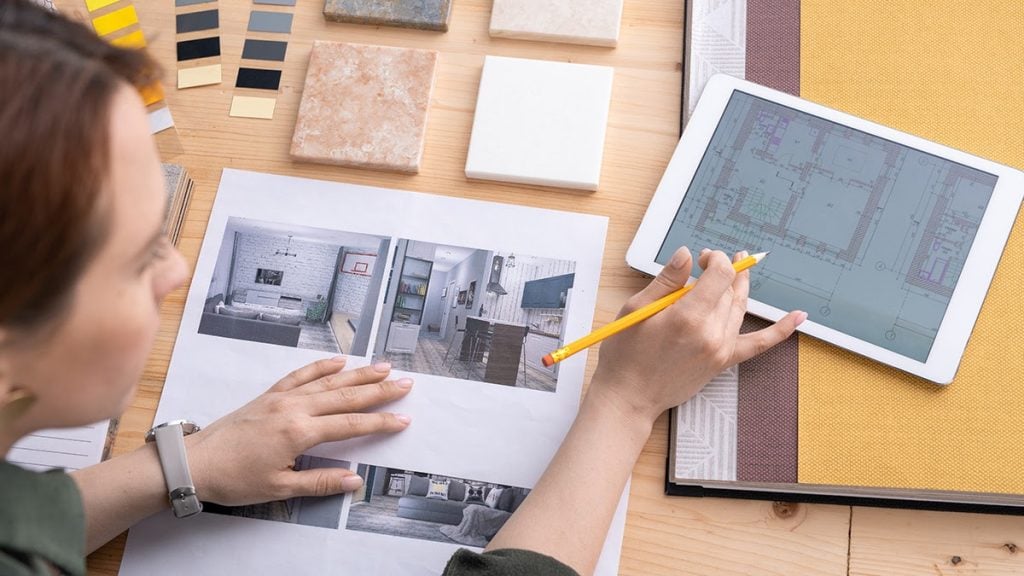
Conflicts and issues can be caught early. Since everything is handled by one team, there won't be conflicts between them, and potential issues can be identified and adjusted early. You don't have to handle change requests and deal with issues that force revisions on already-completed phases of the project.
Costs are often fixed or predictable. A lot of design-build firms work on a fixed-price contract, so you know the price of your project up-front and anything but the most major overruns are handled by the firm. This isn't true of all design-build firms, though, so be sure to discuss the pricing structure when you talk about your project.
There are a few drawbacks to design-build firms, though it's worth mentioning that they aren't guaranteed. They are, however, the basis of some questions you might want to ask of your firm before you put your name on a contract.
They might not have an architect. For major remodels, step one is to get an architect to draw up the plans for what you want to have done to your home. Whether it's a kitchen remodel, a whole new room addition, or something else entirely, these plans are the guidebook that the construction follows.
Some design-build firms don't actually use licensed architects. Instead, they have architectural designers, which isn't quite the same thing and doesn't carry the same standards of licensing and training.
Does this mean their plans will be faulty? Of course not. But it's something you want to be aware of.
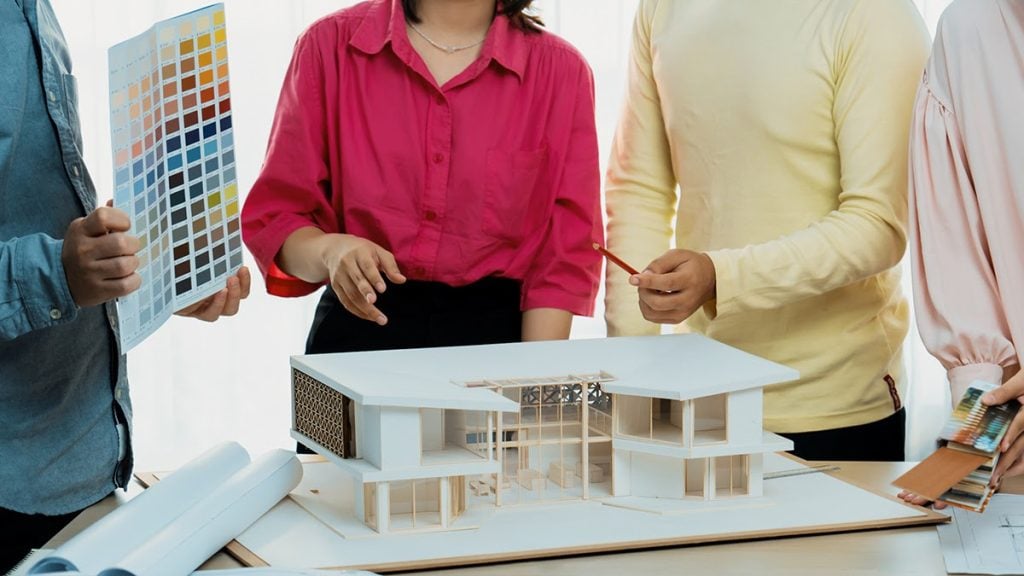
There's no natural competition. While competition can sometimes get in the way of a project (as anyone who has had a phase delayed to a contractor taking a higher-paying project for the timeslot can attest to), it does have some advantages. With a design-build firm, you're getting one price to hire the firm. You don't get to shop around for the most cost-effective trades or specialists for each step of the way.
Sometimes, the design-build efficiency makes it more cost-effective. Other times, the lack of competitive bidding means you end up spending more.
They may prefer certain designs or materials. When you go with a design-build firm, you may be limited on what kinds of materials, fixtures, or other details you can use. They might have a preferred window dealer, a preferred kind of siding, or a preferred source of countertops, and going outside of those preferences can be difficult or even impossible. In rare cases, they might not even tell you there are alternatives, effectively locking you into certain choices you might have preferred to make yourself.
Again, none of these are guarantees, which is why it's important to ask questions when discussing any project with your design-build firm.
Contractors are the people whom you contract to do the work. The electrician you hire to handle your wiring is a contractor. The drywall team you hire to put up your walls are contractors. The framers you hire to build the walls of your new addition are contractors.
A general contractor is the person you hire to manage these other contractors. They handle and oversee the demolition and construction phases of your remodeling project. What they don't do is the initial design work.
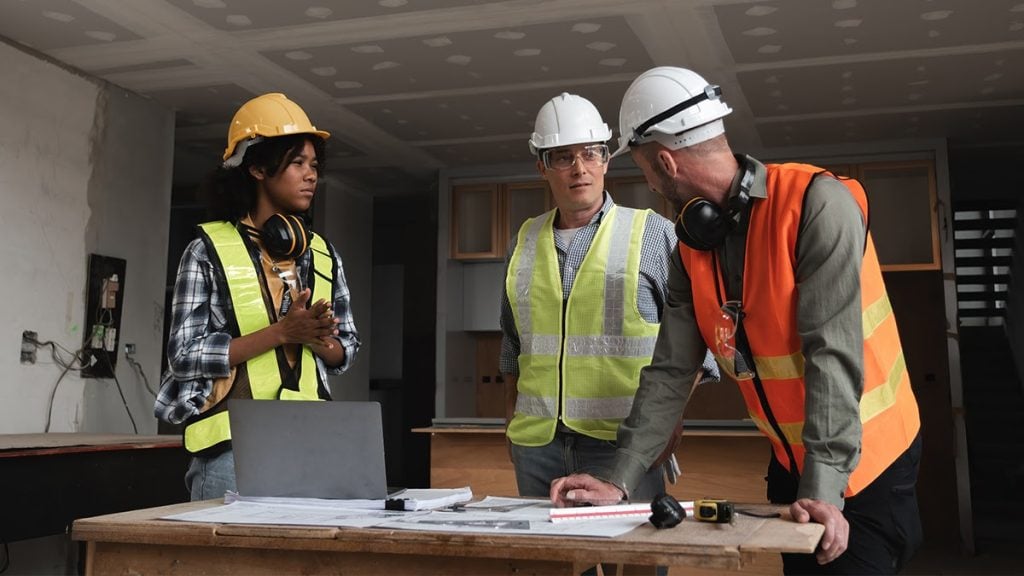
That means you, as the homeowner, end up managing a good portion of the project yourself. You find an architect or designer to plan your remodel, get those plans signed off on, then shop around for a general contractor who will handle the project for you.
There are broadly two kinds of general contractors, too. Some of them have their own teams and handle all of the work internally, while others act as project managers and subcontract different parts or different trades. Some may be hybrid as well, handling, say, everything but the HVAC, or everything but the landscaping, or whatever division of labor has worked best for them over the years.
Working with a general contractor gives you a handful of advantages over using a design-build firm.
You have more freedom and flexibility each step of the way. You aren't limited by the people or the design choices preferred by the design-build firm; instead, you can pick and choose what you want at every step of the project. If that means going with custom designs, ordering exotic materials, or just working with the lowest bidder for certain parts of your project, that's entirely up to you.
You can even do some of the work yourself, if you want. Most GCs aren't going to be mad if you handle the demolition work at the start of a project, for example, and if you happen to be trained as a tradesman, you can play that role. Just don't DIY something you have no training DIYing or that could jeopardize your inspections!
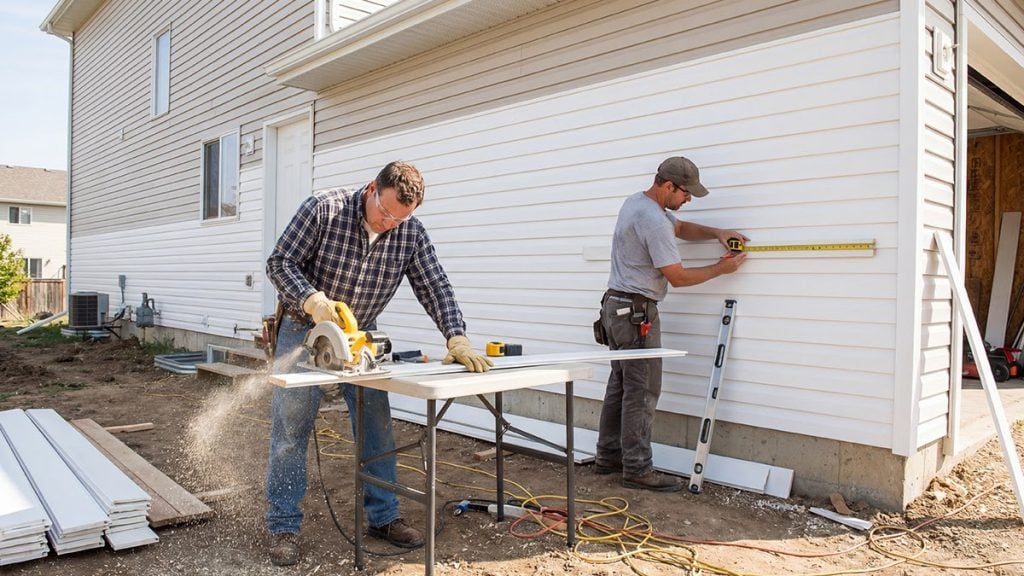
You can use competitive bidding to get the best balance of cost and quality. When you work with a general contractor, you're able to optimize the costs for each part of the project to a much more granular level than you can with a design-build firm.
The flip side to this, though, is that you spend the time to do it. Is it worth delaying a project by a week or two just to save some money? That depends on your preferences, budget, and goals, of course.
If you want, you can work with specific teams for every phase of the project. The pure flexibility and control you have over the project is the biggest benefit of working with individual contractors over a does-it-all firm. How much of a benefit that is depends on how much you want to leverage that flexibility.
| Factor | Design-Build Firm | General Contractor |
|---|---|---|
| Design Work | Handled in-house | You arrange separately |
| Point of Contact | Single entity | Multiple parties (you coordinate) |
| Timeline | Faster, streamlined | Often longer |
| Pricing | Often fixed/predictable | Competitive bidding |
| Your Involvement | Mostly hands-off | High, daily decisions |
| Best For | Large, complex remodels | Smaller projects with plans |
Every coin has two sides, and there are some key drawbacks to working with a general contractor over a design-build firm.
It puts more responsibility on you. One of the advantages of a design-build firm is that they handle basically everything for you. When you're working with at minimum three entities (the designer, the government, and the general contractor), you end up the central point of contact for issues and decisions that need to be made. This can be stressful and distracting.

The timeline tends to be longer. Wrangling each individual contractor and service provider for a project is a lot of work, and there are often going to be delays in between stages. You will likely have days or even weeks where nothing is getting done, because one trade is finished but the next isn't scheduled to start yet.
You're also more vulnerable to cancellations and delays. If you're waiting on your electrician to finish up new wiring for your new kitchen bump-out, but they catch the flu and can't work for a week, you either need to wait, or you need to find another electrician that can work on short notice.
You're not guaranteed a lower cost. Even if you go through all the hoops to get the best bids from every contractor along the way, between various individual fees, management costs, markups, and other costs, it can end up more expensive than a design-build version of the project.
So, which is the right choice for your NJ home remodeling project?
A lot depends on how much you want to be involved in the project on a day-to-day basis. You have to balance considerations like the amount of control and decision-making power you have, the amount of communication you want to be doing, and the ability to choose specific contractors.
Choose a general contractor when:
Choose a design-build firm when:
There's no wrong answer, only the right answer for your specific project.
Or, just contact the experts! Here in North and Central New Jersey, we're your best bet. Magnolia Home Remodeling has been around for over 30 years, and we've done thousands of projects all throughout the area in that time. Whether it's large-scale home remodels, low-level refreshes, or anything in between, we're sure to handle it. Our process includes design services for those larger projects, or we can act as general contractors for your smaller-scale projects.
So, why not drop us a line? Initial consultations, discussions, and estimates are completely free, so you lose nothing by giving us a call.
A design-build firm is a full-service provider that handles your entire remodel under one roof, from initial design and material selection to demolition, construction, and finishing touches. The only steps they don't manage are government tasks like permit approvals and inspections, since those fall outside the scope of what any private firm can perform.
What is a general contractor?A general contractor is the person you hire to manage and oversee the demolition and construction phases of your remodel. They coordinate the trades, like electricians, plumbers, and framers, but typically don't handle the initial design work. Some have in-house teams, while others subcontract different trades or use a hybrid of both approaches depending on the project.
What are the main benefits of a design-build firm?Working with a single entity streamlines scheduling, so timelines and project phases move faster with less waiting. Conflicts and issues get caught early since one team handles everything, avoiding costly revisions. Many design-build firms also work on fixed-price contracts, giving you predictable costs up front. Always confirm the pricing structure, since not every firm offers this.
What are the benefits of hiring a general contractor?A general contractor gives you more freedom and flexibility at every step. You aren't limited to preferred designs or materials, so you can choose custom options, exotic materials, or the lowest bidder. Competitive bidding lets you balance cost and quality on a granular level, and you can even handle some tasks yourself, like demolition, if you're comfortable doing so.
Which option is right for my New Jersey remodel?Choose a general contractor if you already have plans, want daily control, or have a smaller project like a deck, siding, flooring, or windows. Choose a design-build firm if you prefer to be hands-off, want the project completed quickly, or have a larger, complex project needing design work, like an addition. There's no wrong answer, only what fits your project best.