James Hardie vs LP SmartSide for New Jersey Homes
Oct 08, 2026
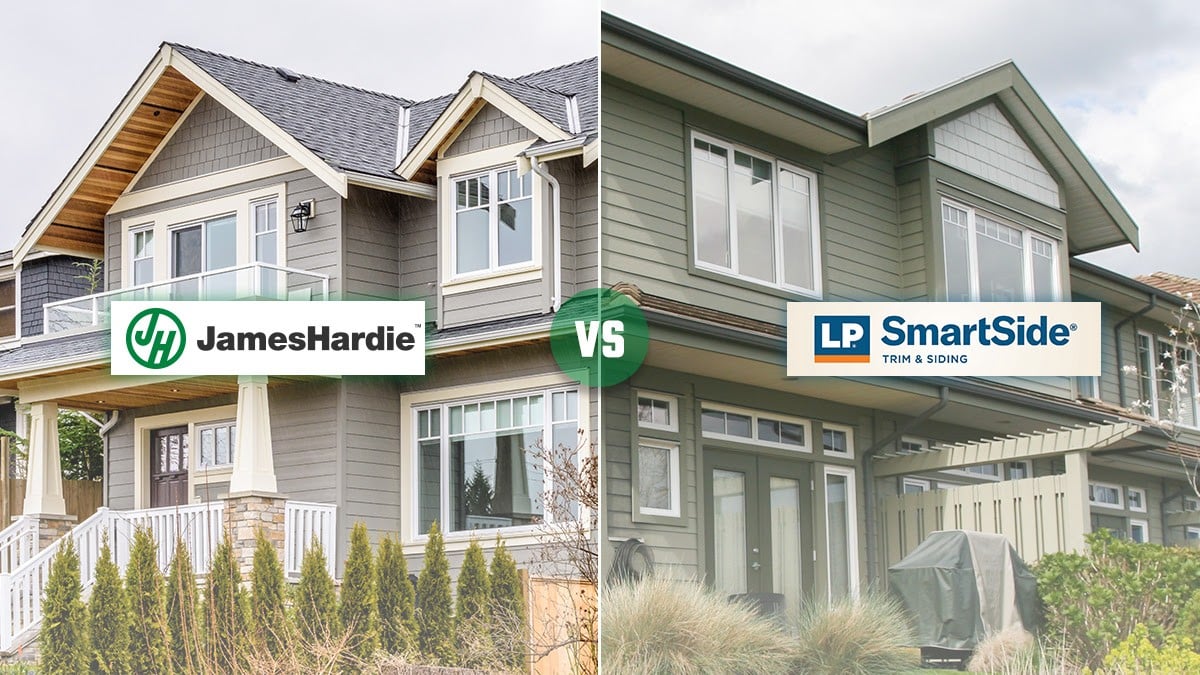
Choosing the siding that will protect your home for decades to come is a significant decision, and it's one you understandably want to get right.
There are a ton of different brands and products for siding on the market; everything from pure wooden shingles to vinyl and composite to cement to natural stone and more. All of them have pros and cons, and none of them are truly inferior (after all, if they were, they wouldn't be available on the market).
One, which we've discussed a lot before here on the Magnolia Home Remodeling blog, is James Hardie. James Hardie siding is a popular option for many reasons, though it does have its share of drawbacks. We've compared it to several other siding products before:
Now, we're comparing it to another popular option: LP SmartSide.
LP SmartSide is an engineered wood siding, meaning it's made of real wood fibers, bonded with resin, wax, and protective chemicals to make it durable and able to stand the test of time.
How does it stand up to Hardie Board? Which is better for your New Jersey home? Let's talk about it.
No, really; let's talk! While you can get some good information from an educational blog like ours, you can still benefit from a direct professional opinion on your home and your siding project. We'll take into consideration everything from the sun exposure your home gets, to your proximity to the coast, to your goals and budget, and even overall aesthetics. Just contact us for a free discussion and estimate.
First, let's talk about material, since the material your siding is made of is a big indicator of the properties it will have when it's installed on your home.
| Factor | James Hardie | LP SmartSide |
|---|---|---|
| Material | Fiber cement | Engineered wood |
| Durability | Water & fire-resistant, can crack on impact | Flexible, dents rather than cracks, can burn |
| Fire Resistance | Excellent | Moderate |
| Color Options | Muted range + primed for paint | 16 base colors + primed for paint |
| Installation | Heavier, specialized process | Lighter, simpler to handle |
| Lifespan | 30–50 years | 30–50 years |
| Base Cost | Higher | Slightly lower |
Hardie Board is fiber cement. It's a heavy mixture of cellulose fibers (like wood pulp), Portland cement, sand, water, and various additives to give it more resilience and resistance to things like UV rays. It's surprisingly heavy for its size, which makes sense when you realize it's basically a mix of wood and stone.
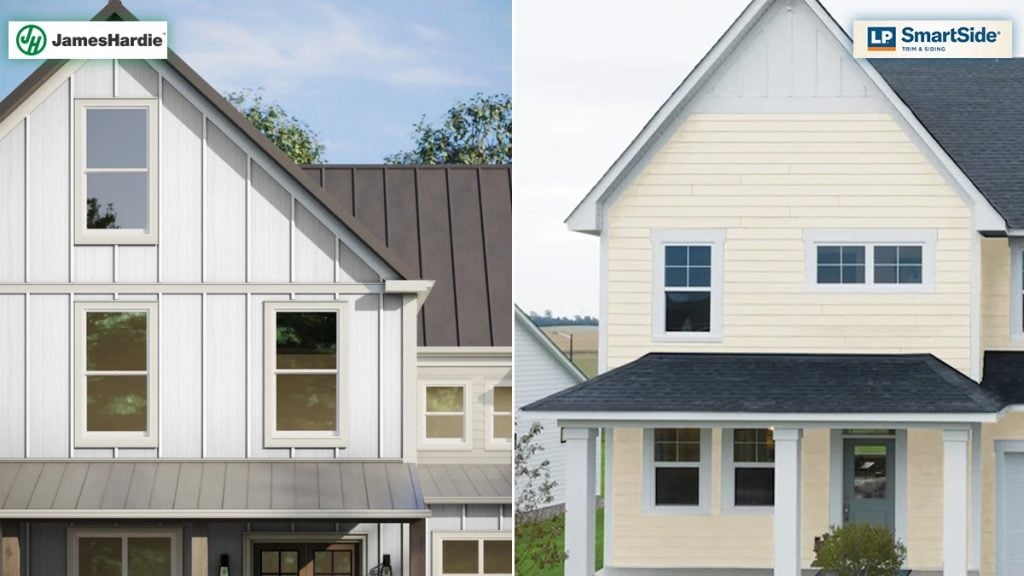
LP SmartSide is an engineered wood material. It's real wood, but not whole planks the way something like cedar shingles or lap boards would be. It actually has more in common with OSB, though they're different materials in many ways. LP SmartSide mixes the wood fibers with resin to bond it into a strong and durable material. Wax coats the material to give it waterproofing, and other chemicals help it resist the kinds of pests that infest wood, like termites or fungi.
It's obvious at a glance that both of these materials are going to be durable. After all, they're made to protect the exterior of a home, and both of them are thicker and more resilient materials than your average vinyl siding. But how do they stand out?
Hardie Board is extremely water-resistant and does not rot or absorb water. It's strong and resists impacts from hail, storm debris, or other damage from thrown items. It's also highly resistant to fire, so it won't melt, warp, or combust. If anything, a strong enough impact runs the risk of cracking it, but it has to be strong; a bit of hail isn't going to do the deed.
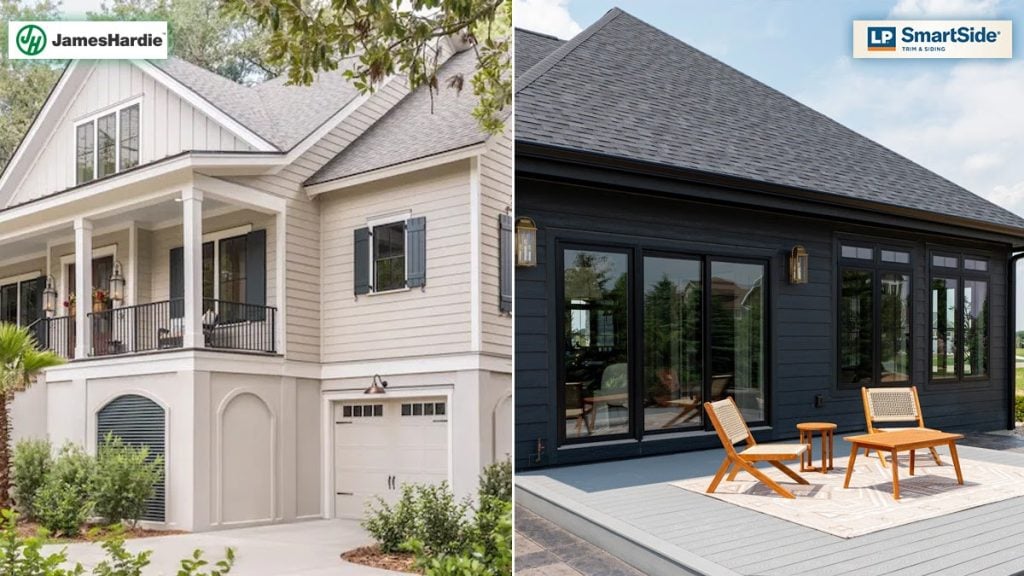
LP SmartSide is also very durable, but in slightly different ways. It's a wood product, so it has the potential to be damaged by water, though the chemicals and wax sealant make it very water-resistant. It's also flexible, which allows it to absorb impacts from hail or debris; it's more likely to slightly dent than crack or break. Unlike Hardie, it's not fire-resistant, so it can burn if it's exposed to sustained, high heat. It's still better than vinyl, which can simply melt, though.
As far as weather resistance is concerned, both are great. Hardie is more resistant to change with the seasons, so as long as proper gaps are maintained during installation, it will remain unperturbed in the coldest winters or the hottest summers. LP SmartSide is more flexible and will naturally expand and contract, and can flex with changes to the seasons. Installed properly, this will never be a problem.
A big part of your choice in siding is down to what it looks like. After all, this is what you see every time you come home from work, and if it's something you don't like, it's going to be a constant source of irritation or stress. Many people pick for aesthetics first, and fit a product to their goals, and that's perfectly fine. Or, you can pick a product and find the aesthetic version that suits your needs.
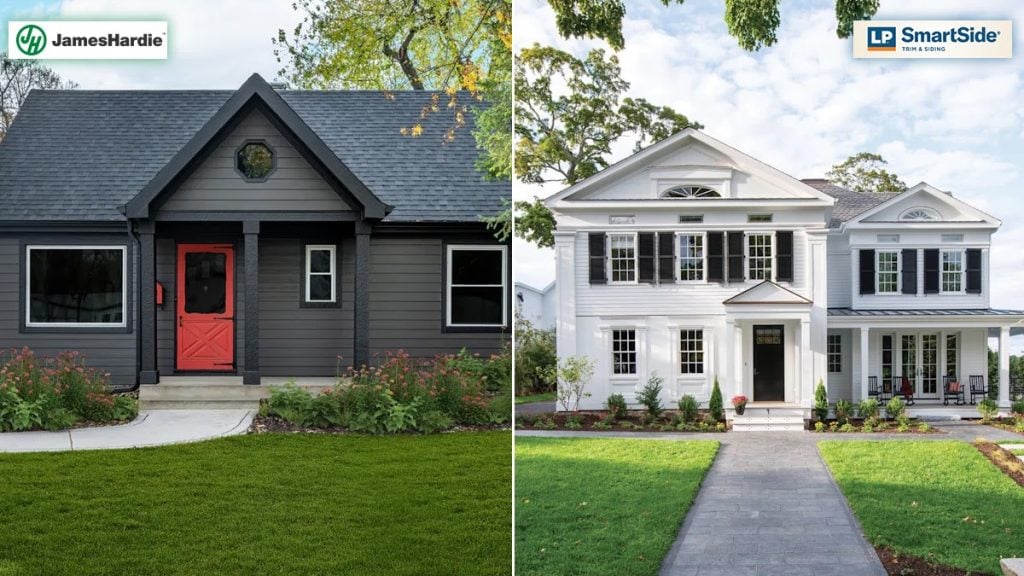
Hardie Board comes in five different styles.
Plank and Shingle come in a variety of muted colors, from a near-white to a near-black gray with some browns, tans, and tinted grays in between. All of them offer the option to be simply primed for paint, so you can customize the color with any exterior house paint you like.
LP SmartSide has a variety of similar products.
LP SmartSide comes in 16 base colors, including a range of tans and grays, with a few reds, blues, and greens in the mix. There are also natural wood colors for certain products, and they can also be primed for paint, just like Hardie.
Both of these factors, installation and maintenance, can affect costs, as well as the expectations you have for your home's exterior.
Both products are going to be a little harder and more time-consuming to install than your bog-standard vinyl. LP SmartSide wins on the installation front, though; it's a little lighter and simpler to manage, similar in many ways to wood. Hardie, on the other hand, requires specialized installation, particularly involving dust collection for safety. It's also just heavy, so it requires more people to wrestle into position properly.
Note: Make sure you get a licensed installer for either product! Proper installation is necessary for long-term success with any siding, but it's even more important with siding where your seals are the only thing standing between the interior of your home and the rain.
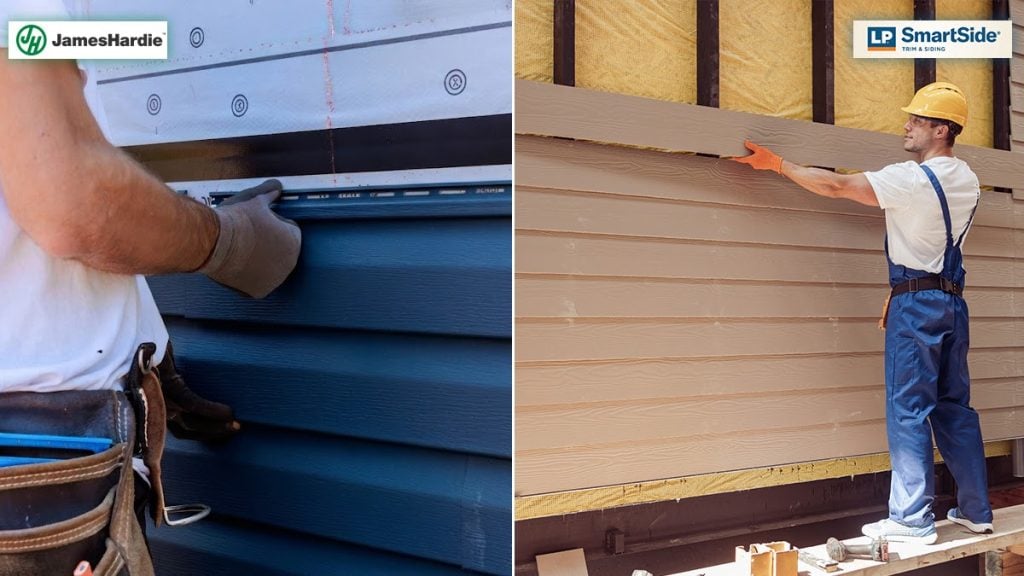
Maintenance is a big factor for how much you need to pay attention to your siding year after year. Fortunately, both of these products are generally low maintenance.
For Hardie Board, you'll need to examine it annually to check for problems. Hardie recommends washing it every 6-12 months, which takes little more than a garden hose, maybe a little dish soap, and a light brush. If you live closer to the coast, where salt from the sea can build up, you might want to wash more often. Similarly, if your home is positioned in a way that traps moisture, mold can grow more easily and will need to be washed off more aggressively.
You'll also need to check the seals. Hardie Board itself is water-resistant, but the gaps between panels need to be caulked, and that sealant needs to be inspected and, if it's damaged, replaced.
What about LP SmartSide? The answer is: pretty much exactly the same. It needs the occasional light wash, routine inspection of the seals, and that's about it. The only big difference is, if your LP SmartSide siding is damaged from an impact or gouge, it might need a bit of sealant to touch it up so it doesn't become an opening to interior degradation.
Both materials may need touch-up painting on a routine schedule, depending on what paint you pick.
Many people take the warranty as an assumption of lifespan, but that's not always representative.
In our experience, James Hardie siding tends to last a bare minimum of 30 years, but more often at least 40, with some going on 50 years. In fact, Hardie Board (the modern stuff, without asbestos) was only invented in the mid-80s, so it's only been around 40-45 years. It's entirely possible that it can last even longer!
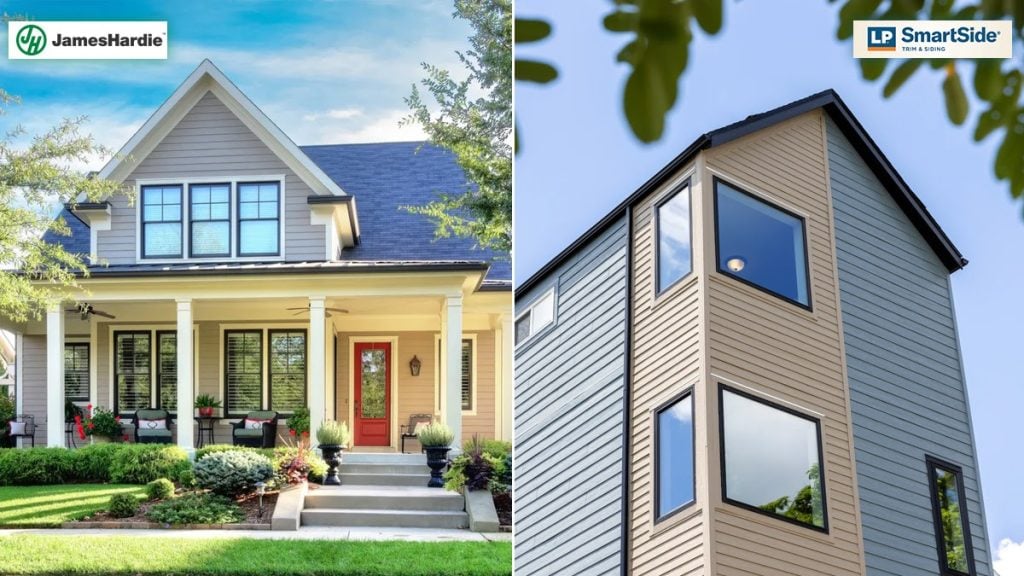
LP SmartSide siding is also quite long-lived, with a lifespan ranging from 30-50 years, usually around 40 for most typical installations. Quotes of 30 years tend to be conservative, or referring to areas where it can be exposed to more hazards than typical of siding.
So both materials are quite long-lived, especially compared to some siding products that clock in at 20-25 years. Hardie is likely to outlast LP SmartSide, though maybe not by much.
It's difficult to discuss costs in general, because there are so many factors that go into it. If you want a specific pricing estimate, feel free to contact our team, and we'll go over your project details and help you narrow it down.
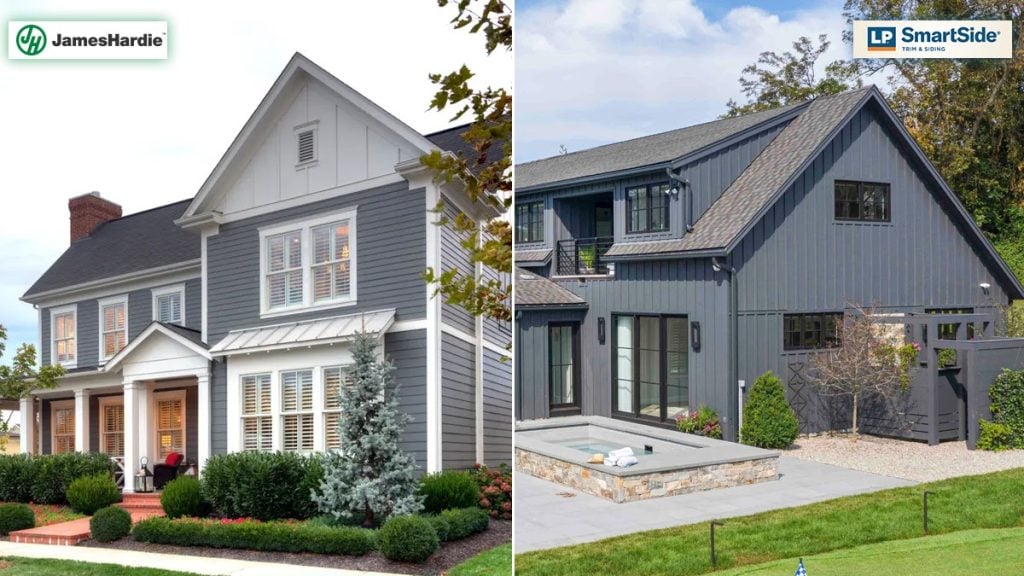
Broadly:
If you're very budget-conscious and money is a limiting factor, you have three options. One, you can save up for a big siding project. Two, you can opt for a cheaper material like your basic vinyl. Or, three, you can work with us to finance your new siding. Our trusted partners have helped finance many homes in the New Jersey area, and they can help finance yours too.
So, which is the right siding choice for your home? It's impossible to say in general, because they're both good options.
If you want the absolute maximum possible durability and longevity, it's likely that James Hardie is going to come out ahead, if even only by a little. Still, squeezing an extra 5-10 years out of your siding can be a big deal over the lifespan of a home.
If you live near the coast, you likewise might want to go with Hardie, since it's ever so slightly more resistant to the moisture and minerals of the seaside air.
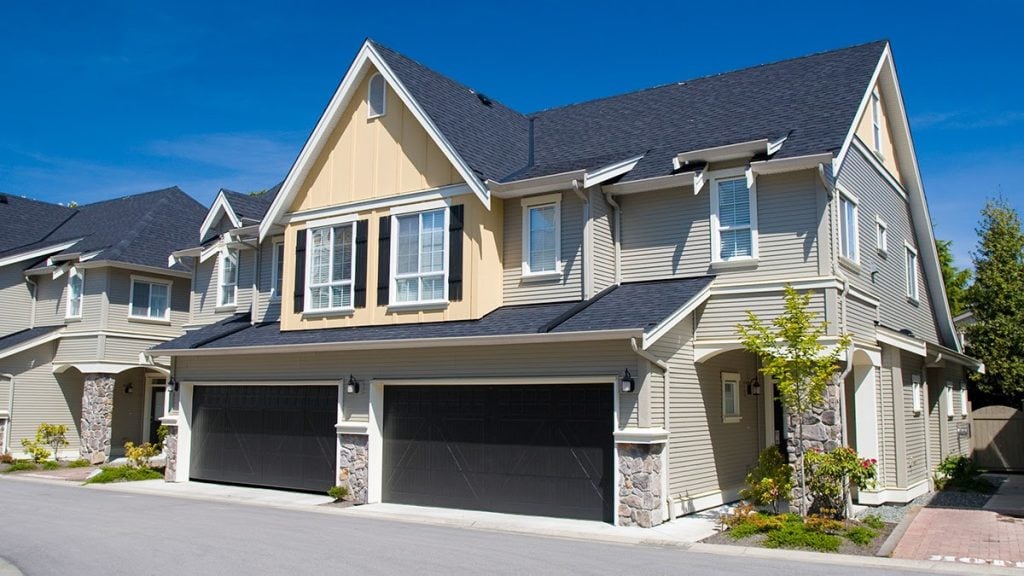
If your home is relatively exposed or prone to storm damage, or if hail has been a problem in the past, LP SmartSide is a great option. Being able to flex and resist impacts rather than risk cracking is a great upside, and minor damage is a lot easier to fix up. A cracked fiber cement board is a lot more obnoxious to deal with than a ding in a bit of engineered wood.
Both products will stand up well against our hot summers and our cold winters, and can easily resist the freeze-and-thaw dance we go through every year.
Truth be told, you really can't go wrong with either one. So, if you want to see how they might look on your New Jersey home, or see examples of other NJ homes with siding we've installed, or just talk about what you want out of your new siding, we're always available. Just drop us a line, and we'll be in touch.
James Hardie is a fiber cement siding made from cellulose fibers, Portland cement, sand, and additives. LP SmartSide is engineered wood, made from real wood fibers bonded with resin, coated in wax, and treated with chemicals to resist water, pests, and fungi. Their differing materials give each unique strengths in durability, weight, and installation.
Which siding is more durable and fire-resistant?James Hardie edges out on durability, offering excellent water resistance, impact strength, and superior fire resistance since it won't melt, warp, or combust. LP SmartSide is also very durable and flexible, absorbing impacts by denting rather than cracking. However, it's a wood product, so it can burn under sustained high heat, though it still outperforms vinyl.
How long do James Hardie and LP SmartSide siding last?Both products are long-lived. James Hardie typically lasts a minimum of 30 years, more often 40, with some reaching 50. LP SmartSide ranges from 30 to 50 years, usually around 40 for typical installations. Hardie is likely to outlast LP SmartSide, but often only by a small margin.
Which siding is easier to install and maintain?LP SmartSide is easier to install since it's lighter and simpler to handle, similar to wood. Hardie requires specialized installation, dust collection for safety, and more people due to its weight. Maintenance is similar for both, requiring occasional light washing and seal inspections. Always use a licensed installer for proper, long-term results.
Which siding is right for my New Jersey home?Both are excellent choices. Choose James Hardie for maximum durability, longevity, or if you live near the coast where salt air is a concern. Choose LP SmartSide if your home is exposed to storms or hail, since it flexes to resist impacts and is easier to repair. Contact us for a free, personalized estimate.